ByMax Lee
Northern Mariana Islands Boat Registration Guide
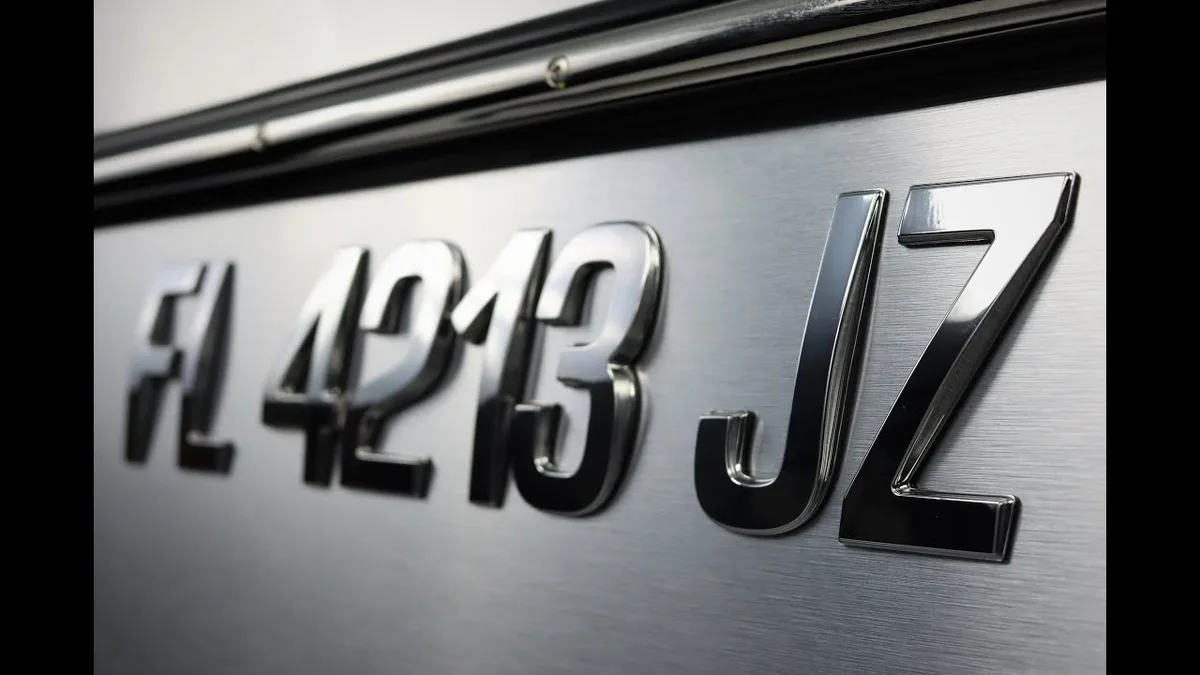
YouTube / Boat Registration Number, Domed Numbers (YouTube thumbnail (fair-use with source credit))
Do You Need to Register Your Boat or Trailer in the Northern Mariana Islands?
If you own a boat or trailer in the Northern Mariana Islands, you need to know the registration requirements and fees to stay legal. The Northern Mariana Islands boat and trailer registration requirements and fees depend on size, use, and whether it's homemade or commercially built.
As of 2026, the CNMI Division of Fish and Wildlife handles boat registrations, while the Department of Public Lands manages trailer registrations. Fees vary by length for boats and weight for trailers, with penalties for late or missing paperwork.
Quick Answer
Motorized boats of any size must register in CNMI. Non-motorized boats over 12 feet need registration too. Trailers over 2,000 lbs require registration as well.
Fees start at $25 for small boats and $15 for light trailers. Annual renewals carry a $10 late fee.
Who Needs to Register (and Who Doesn't)
Motorized boats of any size must register in CNMI. Non-motorized boats under 12 feet are exempt. Trailers under 2,000 lbs don't need registration unless towing a boat that does.
Commercial vessels have separate rules. If you're using your boat for charter or fishing, you'll need additional permits. Recreational use follows the standard registration process.
Out-of-state boats temporarily in CNMI may qualify for a 90-day permit. Permanent residents must register within 30 days of bringing a boat or trailer into the islands.
Boat Registration in CNMI: Step-by-Step
First, gather your documents. You'll need proof of ownership, a bill of sale, and your ID. Homemade boats require a HIN inspection.
Next, complete the application form from the CNMI Division of Fish and Wildlife. Submit it in person or by mail with the required fees. You'll receive your registration certificate and decals by mail or on the spot.
Display the decals on both sides of the bow. Keep the certificate on board whenever you're operating the vessel. Registration is valid for one year and must be renewed annually.
Trailer Registration in CNMI: Step-by-Step
Trailer registration starts at the CNMI Department of Public Lands. Bring your title, bill of sale, and ID. If the trailer is homemade, you'll need a VIN inspection.
Fill out the application and pay the fee based on weight. You'll get a registration card and license plate. Attach the plate to the rear of the trailer.
Renewals are annual. If you sell the trailer, notify the DPL to transfer or cancel the registration. Trailers towing registered boats must also be registered.
If you're also registering a utility trailer, the rules are similar across many US jurisdictions. You can compare registration options in other states to see how they differ.
Fees for Boat and Trailer Registration
Boat fees start at $25 for vessels under 16 feet. Boats 16 to 26 feet cost $50. Larger boats pay $75.
Commercial vessels have higher fees.

Trailer fees begin at $15 for under 2,000 lbs. Trailers 2,000 to 5,000 lbs cost $30. Heavier trailers pay $50.
Late fees add $10 to each category.
| Boat Length | Fee |
|---|---|
| Under 16 ft | $25 |
| 16 to 26 ft | $50 |
| Over 26 ft | $75 |
| Trailer Weight | Fee |
|---|---|
| Under 2,000 lbs | $15 |
| 2,000 to 5,000 lbs | $30 |
| Over 5,000 lbs | $50 |
Documents You'll Need (and Where to Get Them)
You'll need proof of ownership for both boats and trailers. This means a title, bill of sale, or manufacturer's certificate. If the vessel is homemade, bring a notarized affidavit of ownership.
For trailers, a VIN verification is required if it's new or lacks a title. CNMI residents can get this at the Department of Public Lands. Non-residents must provide a valid out-of-state registration.
A government-issued ID is mandatory for all applications. If you're registering on behalf of a business, bring the company's registration documents too.
| Document | Needed For |
|---|---|
| Title or bill of sale | Both boats and trailers |
| Government-issued ID | All applicants |
| HIN/VIN inspection form | Homemade boats and trailers |
| Out-of-state registration | Non-residents |
Homemade Boats or Trailers: Special Rules
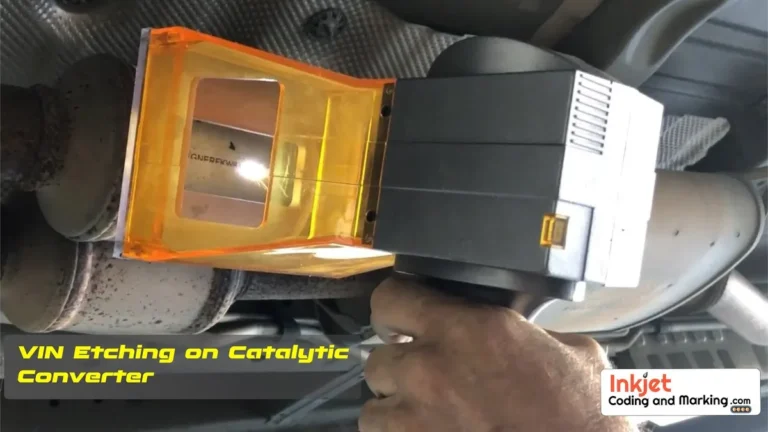
Homemade boats need a Hull Identification Number assigned by CNMI DFW. You'll have to schedule an inspection before registration. The same applies to homemade trailers, which need a VIN from DPL.
Bring photos of the build process if requested. This helps verify the vessel or trailer meets safety standards. Fees for homemade registrations are the same as commercial models.
If you modify a registered boat or trailer significantly, you may need to re-register it. Check with DFW or DPL to confirm.
The inspection process is similar to what many states require for verifying an out-of-state title.
Transferring Ownership or Moving to/from CNMI
Selling a boat or trailer requires a transfer of registration. Both buyer and seller must sign the application. The new owner has 30 days to complete the transfer.
If you're moving to CNMI, register your boat or trailer within 30 days of establishing residency. Out-of-state titles are accepted but must be converted to CNMI registration. This 30-day window mirrors what many mainland states enforce.
For example, registration deadlines after purchase vary by state.
For boats leaving CNMI, notify DFW to cancel your registration. This prevents issues if you re-register in another state or territory.
Common Mistakes That Get People Fined
Operating an unregistered boat or trailer is the most common violation. Fines start at $100 and can reach $500 for repeat offenses. Expired registrations carry the same penalty.
Displaying decals incorrectly can also lead to fines. They must be visible on both sides of the bow for boats. Trailers must have plates mounted at the rear.
Forgetting to update your address with DFW or DPL within 15 days of moving is another frequent issue. Always keep your contact information current.
CNMI vs. US Coast Guard Documentation: Which Do You Need?
CNMI registration covers most recreational boats under 26 feet. US Coast Guard documentation is optional for these vessels but required for boats over 26 feet used in commercial activities.
Documentation offers nationwide recognition and easier financing. It's also useful if you travel frequently between states and territories. However, it doesn't replace CNMI registration for local use.
If your boat qualifies for both, you can choose one or the other. Many owners do both to cover all bases. Check with DFW to confirm which applies to your situation.
For vessels over 26 feet, the U.S. Coast Guard documentation program has its own requirements and fees.
Where to Register and How Long It Takes
Boat registrations are handled at the CNMI Division of Fish and Wildlife office in Susupe. Trailers go through the Department of Public Lands in the same area.
Processing typically takes 1 to 2 business days for in-person submissions. Mail-in applications may take 7 to 10 days. Expedited service is available for an additional $20 fee.
Office hours are Monday to Friday, 8 AM to 4 PM. Bring all documents to avoid delays. Walk-ins are accepted, but appointments are recommended.
The official CNMI government portal has the latest forms and fee schedules.
Renewing, Replacing, or Updating Your Registration
Renewals are due annually on the last day of the registration month. You'll receive a reminder notice by mail 30 days before expiration. Late renewals incur a $10 penalty.
To replace lost or damaged decals or plates, submit a request form with a $5 fee. Updates for address changes or ownership transfers require the same form plus supporting documents.
If your registration is lost or stolen, report it immediately to avoid misuse. A police report may be required for stolen items. Replacement fees apply.
For name changes on the registration, submit a request with legal documentation. This includes marriage certificates or court orders. The process takes 5 to 7 business days.
If your boat or trailer is sold, destroyed, or no longer in use, notify the respective agency to cancel the registration. This prevents future liability issues.
Boating and Trailer Laws You Should Know in CNMI
All motorized boats must carry a valid registration certificate and decals. Operating without them can result in fines up to $500. Trailers must have proper lighting and safety chains.
When towing on CNMI roads, your trailer's safety chains and lights must be in working order. The requirements for trailer towing safety chains and lighting are a good baseline to review.
Boats under 16 feet must have a wearable life jacket for each passenger. Larger vessels need additional safety equipment like fire extinguishers and sound-producing devices. Trailers must meet CNMI lighting and brake requirements.
Alcohol limits for boating match CNMI's 0.08% BAC standard. Violations can lead to arrest and vessel impoundment. Always designate a sober operator.
After a day on the water, rinsing your boat with filtered water prevents mineral spots from salt and hard water. A good hose filter makes that easier.
Frequently Asked Questions
Do I need to register a kayak or canoe in CNMI?
Non-motorized kayaks and canoes under 12 feet don't require registration. If you add a motor, you must register it as a motorized vessel.
Can I register my boat online in CNMI?
Currently, CNMI only accepts in-person or mail-in registrations. Online services are not available yet. Check the DFW website for updates.
What happens if I don't register my trailer?
Unregistered trailers can be ticketed if operated on public roads. Fines start at $100 and increase for repeat offenses. Registration is mandatory for trailers over 2,000 lbs.
How do I get a HIN for a homemade boat?
Schedule an inspection with CNMI DFW. They'll assign a HIN after verifying the build. Bring photos and receipts for materials used.
Are there discounts for senior citizens or veterans?
CNMI offers a 10% discount on registration fees for seniors over 65 and veterans. Proof of eligibility is required at the time of registration.