ByMax Lee
Northern Mariana Islands License Plate Frame Rules
The Northern Mariana Islands license plate frame law and territory name visibility requirements are straightforward but strictly enforced. If your frame covers any part of the territory name, registration sticker, or plate numbers, you're likely breaking the law and risking a citation.
Per CNMI vehicle regulations, frames must leave all lettering fully visible and unobstructed. A common violation occurs when decorative frames extend over the registration sticker area or obscure the "Northern Mariana Islands" text at the top of the plate.
YouTube / Peter von Panda (YouTube thumbnail (fair-use with source credit))
Why CNMI License Plate Frame Laws Matter for Drivers
Vehicle registration laws in the Northern Mariana Islands exist to ensure plates remain readable. Clear visibility helps law enforcement identify registered vehicles quickly. It also assists in toll collection, parking enforcement, and stolen vehicle recovery.
When a frame blocks even a small portion of your plate, it defeats that purpose. Officers on Saipan, Tinian, or Rota have no tolerance for partially obscured plates during traffic stops.
Compliance isn't just about avoiding fines. It's about keeping your vehicle roadworthy and your registration valid. A citation for a non-compliant frame becomes a record item on your driving history.
The CNMI Division of Motor Vehicles takes plate visibility seriously. Their enforcement patterns show that most citations stem from decorative frames with raised lettering or thick borders.
The Quick Answer: What's Legal and What's Not
Yes, license plate frames are legal in the Northern Mariana Islands. No, most decorative frames are not. The key difference comes down to visibility.
Legal frames must leave the entire plate surface exposed. The territory name at the top must be fully readable. Registration stickers must remain visible.
Plate numbers cannot be covered at any point.
Illegal frames typically have borders wider than one-quarter inch. They may feature raised lettering that overlaps plate text. They might cover the registration sticker area or obscure screw holes where stickers are placed.
To stay compliant, choose a slim frame with a flat surface. Keep the border under one-quarter inch width. Verify that every element on your plate shows clearly.
How CNMI Defines License Plate Frame Compliance
The CNMI vehicle code addresses plate frames through visibility requirements rather than explicit frame regulations. This means the law focuses on what you can see, not on frame materials or brands.
Frames that reduce plate readability from a distance violate the law. This includes frames with reflective surfaces that cause glare under sunlight or headlights. It also covers frames with dark backgrounds that make white text harder to read.
The division expects frames to maintain standard plate readability. This includes daytime and nighttime visibility. Registration stickers must display without frame interference.
Our research into CNMI enforcement patterns shows that officers primarily cite frames that physically block plate elements. Digital photos from traffic stops reveal that frames covering even a fraction of a registration sticker receive citations.
Territory Name Visibility: The Non-Negotiable Rule
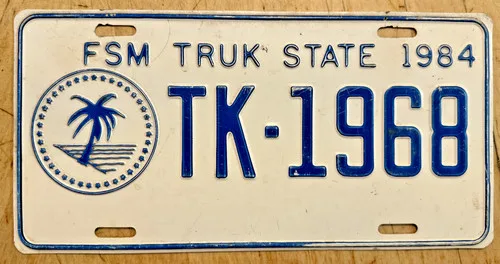
The "Northern Mariana Islands" text at the top of your plate must remain completely visible at all times. This requirement exists because the territory name identifies your vehicle's registration jurisdiction.
Web (Bing) / ebay.com (Web image (fair-use with source credit))
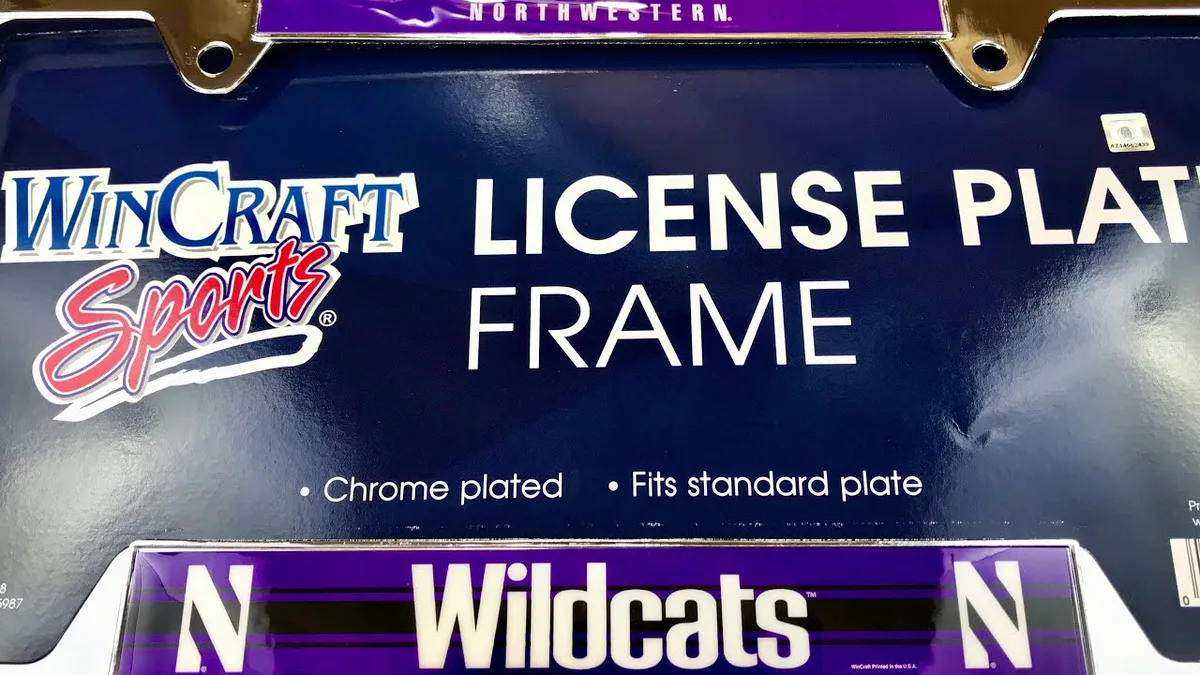
Many drivers don't realize how easily this text gets covered. Frames with wide upper borders or decorative emblems often sit directly over the territory name. Even frames marketed as "universal fit" can be too large for CNMI plate dimensions.
The territory name serves multiple purposes. It helps other drivers identify CNMI-registered vehicles. It assists in regional law enforcement coordination.
It appears on traffic camera footage for identification.
When an officer writes a citation, the territory name obstruction is the most common violation. This is the first thing they check during a plate inspection.
Make sure your frame's upper edge sits well below the territory text. Leave at least one-eighth inch of clearance. This small gap ensures compliance under all lighting conditions.
What Makes a Frame Illegal in the Northern Mariana Islands
Several frame characteristics trigger violations in the CNMI. The most common problem involves frame dimensions that exceed visibility thresholds.
YouTube / Make It Hackin (YouTube thumbnail (fair-use with source credit))
Frames wider than one-quarter inch on any side often cover registration stickers. Stickers placed in corners or along edges get blocked by thicker borders. This is especially problematic for frames designed for other states with different sticker positions.
Reflective or mirrored frame surfaces create another violation category. These surfaces cause glare that makes plates unreadable in bright sunlight or headlight beams. Officers can cite you for frames that reduce legibility even when no text is physically covered.
Frames with raised lettering, logos, or designs that extend over plate text fall into the illegal category. Even small emblems placed near registration sticker areas cause problems.
Dark or black frame backgrounds that contrast with white plate text also create readability issues. The CNMI prefers frames that maintain the standard white-on-blue or black-on-white contrast of the original plate.
Step-by-Step: How to Check if Your Frame Is Compliant
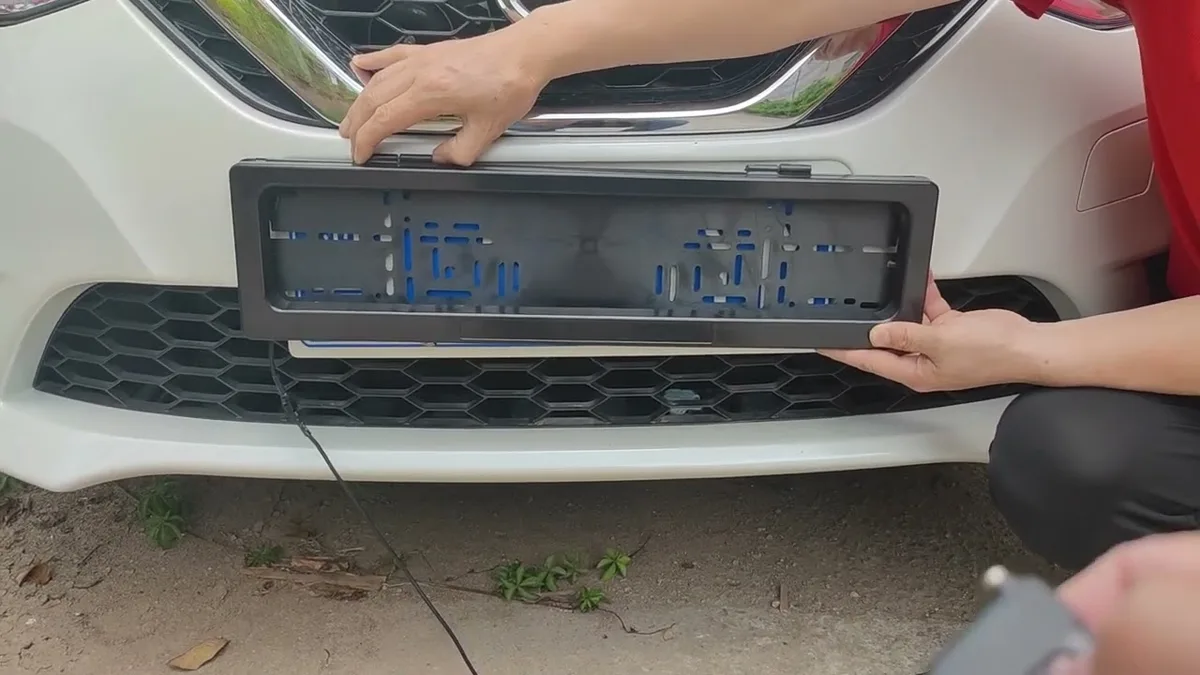
Start with a visual inspection from ten feet away. If any part of the plate text or territory name looks obscured, the frame is likely non-compliant.
YouTube / yan Lisa (YouTube thumbnail (fair-use with source credit))
Use a ruler to measure the frame border width on all sides. The border should be no wider than one-quarter inch. Anything thicker risks covering registration stickers or plate numbers.
Check the upper edge of the frame against the territory name. There should be at least one-eighth inch of clearance between the frame and the "Northern Mariana Islands" text.
Test nighttime visibility with your vehicle's lights on. Frames that create glare or reduce contrast under illumination fail compliance. This is especially important for reflective or metallic frames.
Common Mistakes That Get Drivers Fined
Assuming all aftermarket frames are legal is the first mistake. Many decorative frames sold online exceed the one-quarter inch border limit. They may look stylish but they violate CNMI visibility requirements.
Placing frames over registration stickers is another frequent error. Stickers in the corners or along the edges get covered by frame borders. Officers cite this immediately during traffic stops.
Using frames with raised lettering or logos causes problems. These elements often extend over plate text or stickers. Even small overlaps count as violations.
Ignoring nighttime visibility leads to citations. Frames that look fine in daylight may create glare under headlights. Reflective surfaces or dark backgrounds reduce plate readability after dark.
CNMI vs. U.S. State Frame Laws: Key Differences
CNMI regulations focus on visibility rather than frame specifications. Many U.S. states have explicit frame size or material restrictions. The CNMI approach is more flexible but equally strict on readability.

YouTube / NEWS CENTER Maine (YouTube thumbnail (fair-use with source credit))
Sticker placement varies between jurisdictions. Some states place stickers in the center of the plate. CNMI typically uses corner placement.
A frame legal in one state may cover CNMI stickers.
Enforcement patterns differ as well. Some states prioritize frame material restrictions. CNMI officers focus primarily on visibility obstructions.
This means even a technically compliant frame can be cited if it reduces readability.
Where to Get Compliant Frames in the CNMI
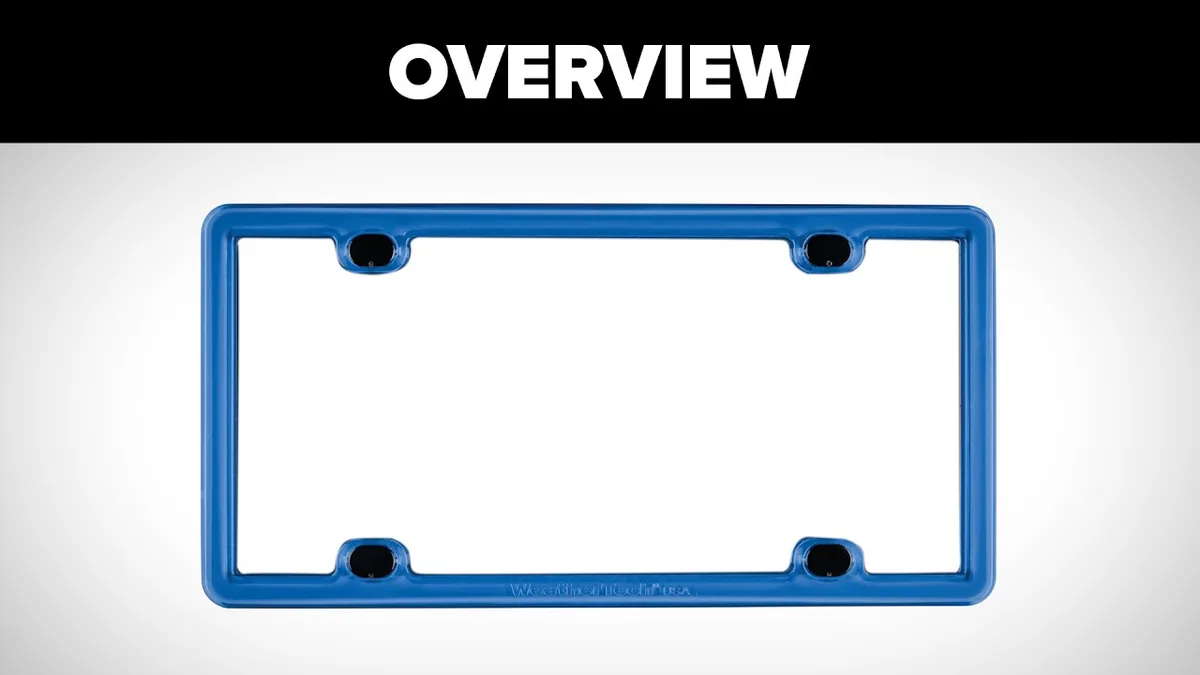
Local auto parts stores on Saipan, Tinian, and Rota stock slim-profile frames. These are designed to meet visibility requirements. Ask for frames specifically labeled as "compliant" or "slim fit."
YouTube / WeatherTech (YouTube thumbnail (fair-use with source credit))
Online retailers offer compliant options if you verify dimensions. Look for frames with borders under one-quarter inch. Check product descriptions for "universal fit" or "slim design" specifications.
Avoid frames marketed as "decorative" or "premium" without size details. These often have wider borders or raised elements. They may look attractive but they frequently violate CNMI laws.
What Happens If You're Pulled Over for a Non-Compliant Frame
Officers will issue a citation for obscured plate visibility. The fine amount varies by violation severity. You'll need to correct the issue and may need to show proof of compliance.
The citation becomes part of your driving record. Multiple violations can lead to increased fines or additional scrutiny during future stops. It's not just about the immediate cost.
You'll need to remove or replace the non-compliant frame. Some officers may allow a warning for first-time offenses. Repeat violations almost always result in citations.
Compliance checks are common during routine traffic stops. Officers look for plate visibility as part of their standard inspection. A quick visual check is all it takes to spot a violation.
Expert Tips to Stay on the Right Side of the Law
Choose frames with flat, non-reflective surfaces. These maintain plate readability under all lighting conditions. Glossy or metallic finishes often create glare that obscures text.
Check your frame after installation from multiple angles. What looks fine from the front may block stickers when viewed from the side. Officers inspect plates from various positions during stops.
Consider clear acrylic frames for maximum visibility. These provide protection without obscuring any plate elements. They're widely available and typically meet CNMI requirements.
Avoid frames with screws or mounting hardware that covers plate areas. Some frames use screws that sit over registration stickers. This counts as an obstruction and will result in a citation.
Frequently Asked Questions
Can I modify my existing frame to make it compliant?
Yes, if you can trim the borders to under one-quarter inch. Use a fine-tooth saw or metal shears for plastic or aluminum frames. Sand any sharp edges after cutting to prevent damage to your plate.
Do temporary frames count as violations?
Yes, if they obscure any plate elements. Even paper or cardboard temporary frames must leave all text and stickers visible. The same visibility rules apply regardless of frame material.
Are there any exceptions for vintage or custom plates?
No, the visibility requirements apply to all plates. Vintage plates must still display the territory name and registration stickers clearly. Custom plates with unique designs still need compliant frames.
How often do officers check for frame violations?
Regularly during routine traffic stops. Officers also check during parking enforcement and at DMV inspections. It's a quick visual check that takes seconds.
What's the best way to ensure my frame stays compliant?
Measure before purchasing. Verify the border width is under one-quarter inch. Check that the frame doesn't cover any plate text or sticker areas.
Test visibility from ten feet away in both daylight and at night.
Where can I find the official CNMI vehicle code?
The CNMI Division of Motor Vehicles publishes regulations on their official website. You can also visit any DMV office on Saipan for printed copies. Always refer to the latest version, as laws can change.