ByMax Lee
Northern Mariana Islands Classic Car Registration Guide
Northern Mariana Islands antique vehicle registration for cars 25 years and older opens the door to driving a piece of history on local roads. If you own a classic car that meets the age requirement, the process can save you money and give you specialty plates.
We've looked into the CNMI requirements and broken down exactly what you need. Per the CNMI Department of Public Works Motor Vehicle Registration guidelines, vehicles must be at least 25 model years old to qualify. As of 2026, that means a 2001 model year or newer won't count, but a 2000 model or earlier likely will.
Here's what you need to know to get your antique plates.
Quick Answer: The 25-Year Rule and What It Means

Northern Mariana Islands antique vehicle registration for cars 25 years and older requires your vehicle to be at least 25 model years old. You must pass a safety inspection and provide a valid title. Antique plates cost less than standard registration.
Emissions testing is typically waived for qualifying vehicles. The CNMI Department of Public Works handles all applications.
Does Your Car Qualify as an Antique in the Northern Mariana Islands?
This is the first question every classic car owner in CNMI should answer. The short version depends on three things: age, condition, and how you plan to use the vehicle.
To qualify, your car needs to be at least 25 model years old. That calculation uses the manufacture date on your VIN, not the purchase date. A 1998 model registered in 2026 easily clears the threshold.
A 2002 model does not, regardless of how well you've restored it.
Condition matters too. CNMI requires the vehicle to be in roadworthy shape. You don't need a trailer queen, but the car has to pass a safety inspection.
Brakes, lights, tires, and steering all get checked. Major modifications can disqualify a vehicle if they affect road safety.
Usage is the third factor. Antique plates in CNMI generally restrict how often you can drive. Think of it as pleasure use, car shows, parades, and occasional trips.
Daily commuting might not fly under antique registration. If you need a secondary car for work, regular plates are probably your better bet.
How CNMI Defines an Antique Vehicle
CNMI draws a clear line for antique classification. The vehicle must be 25 or more model years old. The Department of Public Works Motor Vehicle Registration Division enforces this rule during the title and registration process.
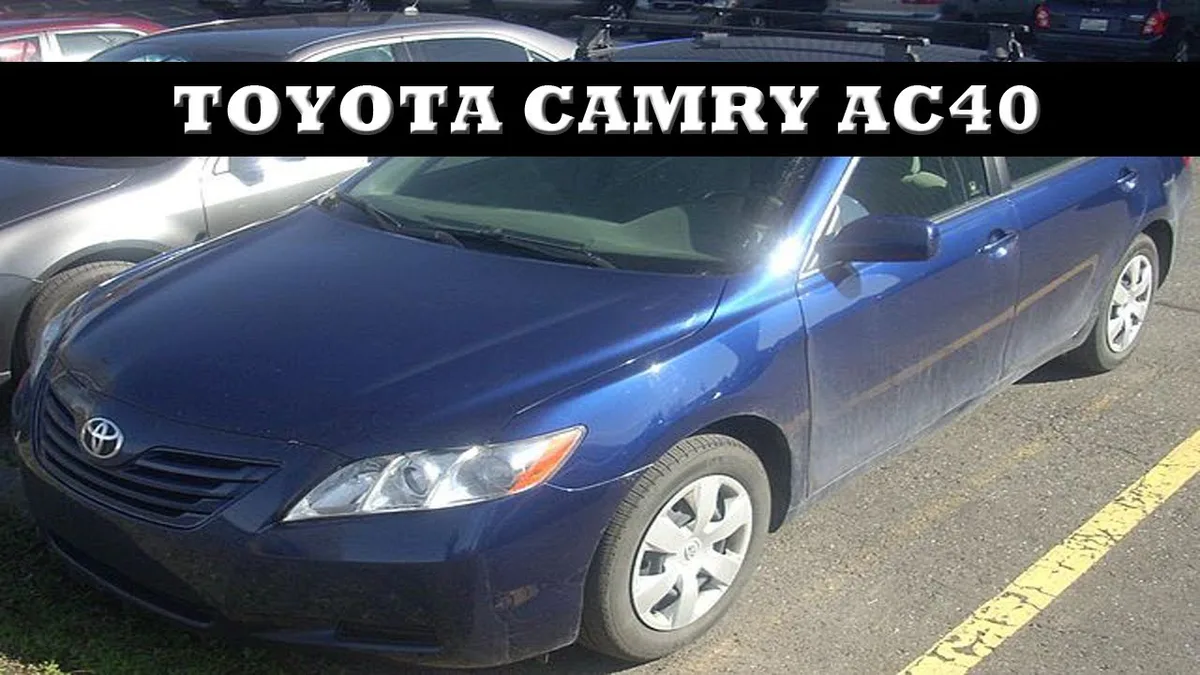
The VIN is your proof of age. It tells you the manufacture year, the plant where the car was built, and the model designation. A clean VIN decodes everything you need to establish eligibility.
If your paperwork is missing or unclear, you'll need to resolve that before applying.
Here's what CNMI looks for when classifying your vehicle:
- Model year at least 25 years prior to the current year
- Vehicle retains original body style and engine configuration
- No major structural alterations that change the vehicle's identity
- Valid proof of ownership (title or bill of sale)
Condition during inspection carries equal weight. The inspector checks that the vehicle matches what the paperwork claims. A drastically modified engine or swapped body panels can trigger questions.
You'll need to explain any changes before the plate gets stamped.
Benefits of Registering Your Car as Antique in CNMI
Registering your vehicle as antique brings real advantages. The savings stack up over time, and the perks go beyond just the plate on your bumper.
Lower registration fees top the list. Antique plates cost significantly less than standard passenger vehicle registration. The exact amount varies, but collectors consistently report fees that run a fraction of regular rates.
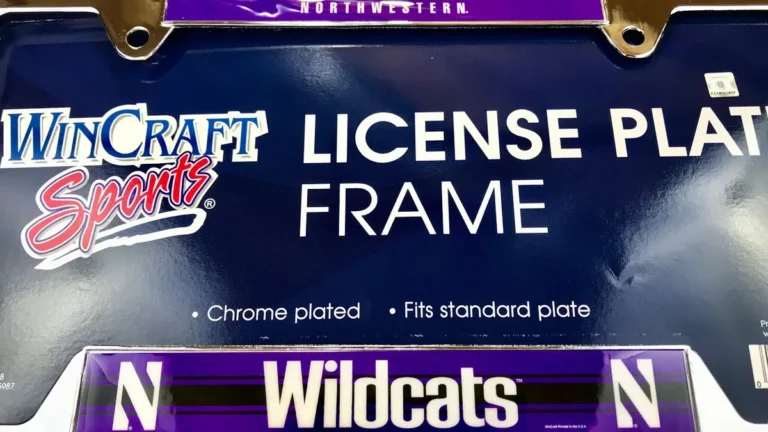
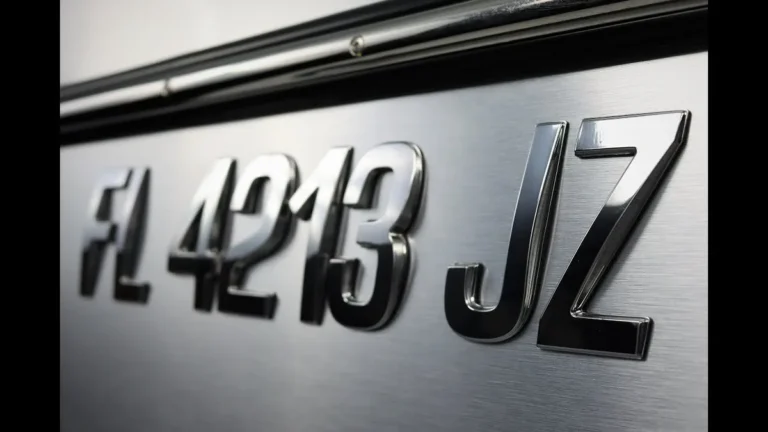
Specialty plate options give your car a distinct look. Antique plates signal to other drivers that this is a special vehicle. Some owners appreciate the recognition at car shows and local events.
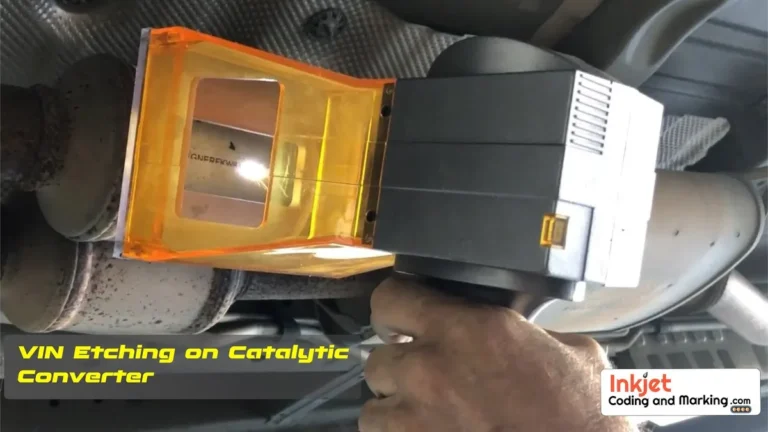
Emissions exemptions save time and money. Older vehicles often struggle to pass modern emissions tests. CNMI typically exempts antique cars from routine smog checks.
You avoid costly catalytic converter upgrades or engine re-tuning just to keep the plates current.
Insurance companies also take notice. Many insurers offer agreed-value policies for antique vehicles. That means you get paid what your car is actually worth, not what a depreciation schedule says.
| Benefit | What It Means for You |
|---|---|
| Lower annual fees | Save money compared to standard registration |
| Specialty plates | Distinctive look that identifies your vehicle as a classic |
| Emissions exemption | No smog checks required for qualifying vehicles |
| Insurance advantages | Agreed-value policies protect your investment |
These benefits don't apply automatically. You need to complete the registration process and meet all CNMI requirements.
Step-by-Step: Registering a 25+ Year-Old Car in CNMI
Getting your antique registration sorted requires a few straightforward steps. The process runs through the CNMI Department of Public Works Motor Vehicle Registration Division.
Step 1: Gather Your Documents
Start by collecting everything you'll need. Missing paperwork is the #1 reason applications get delayed.
You'll need:
- The vehicle's certificate of title (CNMI or out-of-state)
- A bill of sale if the title was recently transferred
- Valid CNMI driver's license or ID
- Proof of insurance coverage
- Any out-of-state inspection records if applicable
If your title came from another state or country, make sure it's properly endorsed for transfer.
Step 2: Schedule Your Safety Inspection
CNMI requires a roadworthiness inspection before issuing antique plates. Book your appointment at an authorized inspection station on Saipan, Tinian, or Rota.
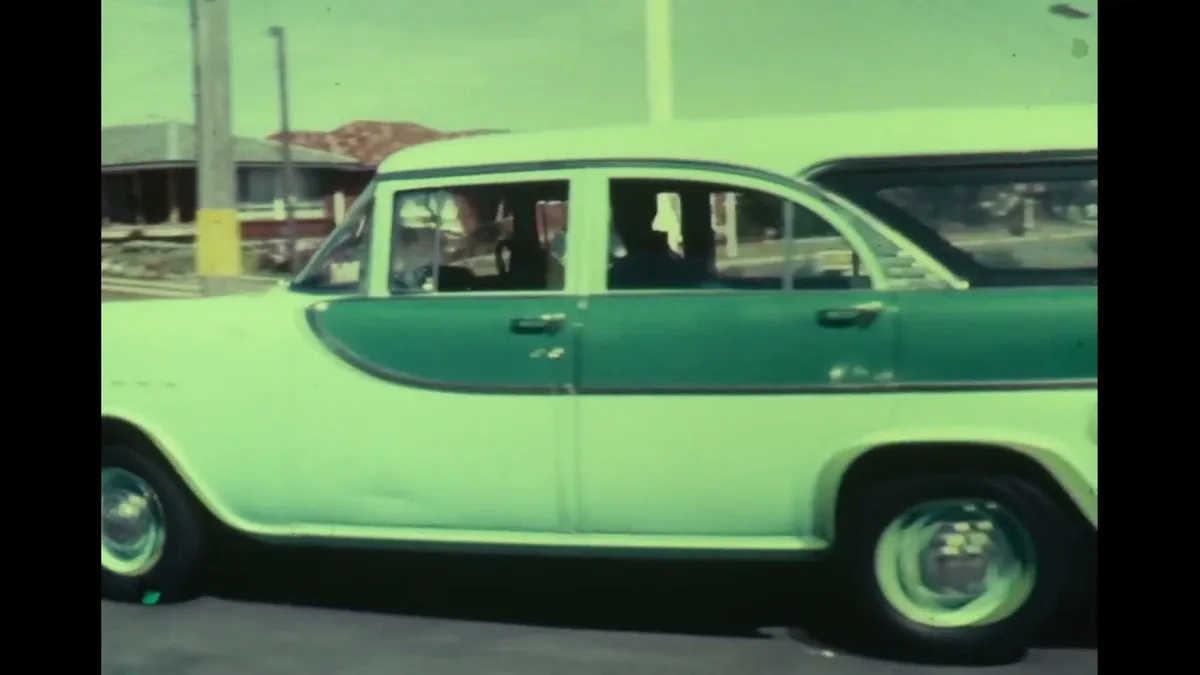
The inspection covers:
- Brakes and braking system
- Steering and suspension
- Lights and signals
- Tires and wheel condition
- Horn and mirrors
- Windshield and glass
Budget about 30 to 45 minutes for the inspection itself. The inspector checks each system and notes any deficiencies. You'll need to fix failing items before the application moves forward.
Step 3: Submit Your Application
Take your completed documents and inspection certificate to the CNMI DPW MVR office. Fill out the antique vehicle registration form. Be accurate with every field.
You'll pay the registration fee at this step. Payment methods vary, so confirm acceptable forms before you go.
Step 4: Receive Your Plates
Once approved, you'll get your antique license plates and registration certificate. Install the plates on your vehicle. Keep the registration documents in the car at all times.
Processing time usually runs one to two weeks if everything is in order.
Costs and Fees You'll Need to Pay
Registration costs break down into a few categories.
| Fee Type | Estimated Cost | Notes |
|---|---|---|
| Antique registration fee | Lower than standard | Varies by vehicle class |
| Safety inspection fee | $20 to $50 | Paid to inspection station |
| Title transfer fee | Varies | If transferring from another jurisdiction |
| Specialty plate fee | Included or minimal | Part of antique registration |
These figures are estimates based on standard CNMI registration fees. Actual costs may differ, so confirm with the DPW MVR office before you submit your application.
Common Mistakes That Delay or Deny Your Application
Avoiding these pitfalls keeps your application moving smoothly.
Incomplete paperwork ranks as the top mistake. Missing signatures, blank fields, or unendorsed titles send applications back to square one.
Assuming your car qualifies without checking. Model year matters more than manufacture date. Verify the model year on the title and VIN before applying.
Skipping the inspection entirely. Some owners think antique status means skipping safety checks. That's not how CNMI works.
Bringing unauthorized modifications. Heavily modified vehicles may not meet antique classification. If you've swapped engines, changed body panels, or altered the frame significantly, expect questions.
Ignoring insurance requirements. Even with antique plates, you need valid coverage. CNMI requires proof of insurance at registration.
CNMI-Specific Rules: What's Different Here
Registering an antique vehicle in CNMI has some unique considerations. The islands operate under their own motor vehicle code.
Imported vehicles face extra scrutiny. If your classic car came from the U.S. mainland or another country, CNMI requires additional verification.
Tropical conditions affect older vehicles. Salt air, humidity, and heavy rain take a toll on vintage cars. Inspectors may flag rust-related safety concerns.
Inspection station availability matters too. CNMI has limited authorized inspection locations. Scheduling can take longer than on the mainland.
Emissions and Safety: What's Exempt, What's Not
Antique vehicles in CNMI get specific exemptions, but not everything is off the hook.
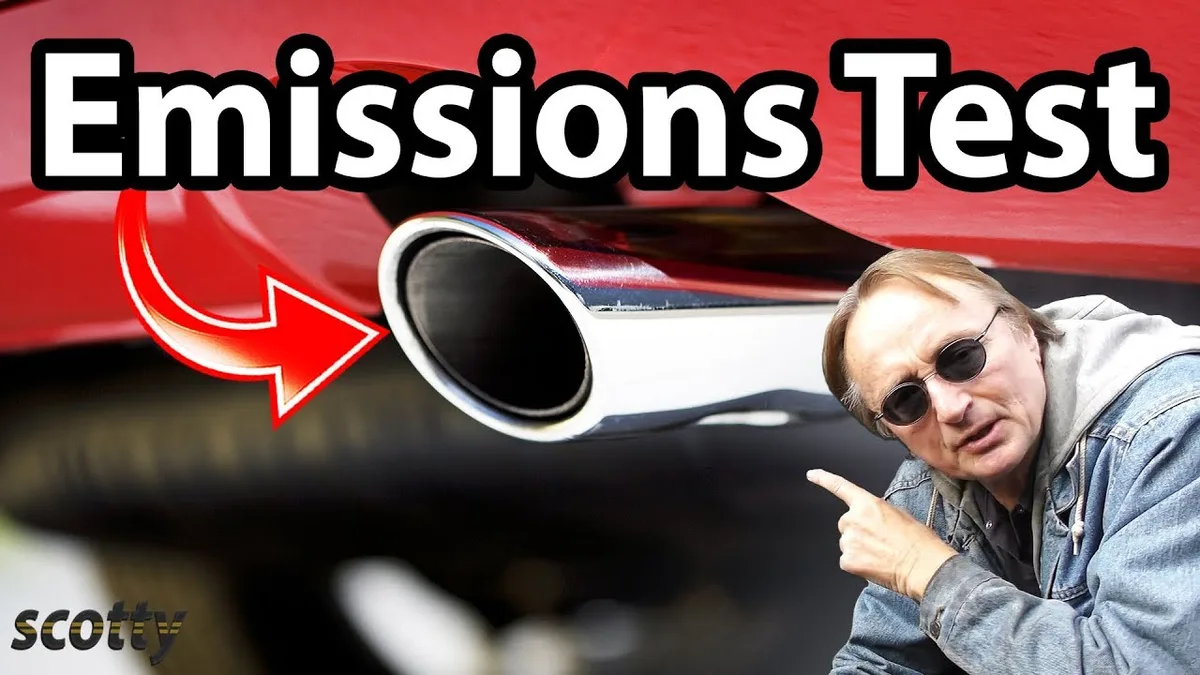
Emissions testing is the big one. Vehicles 25 or more model years old typically qualify for an emissions exemption. You won't need to visit a smog station or install catalytic converters just to register.
Safety requirements stay in full effect. Your brakes, lights, and tires must pass inspection regardless of emissions status.
Modification rules also apply. If you've added performance parts, modified the exhaust, or altered the emissions system, those changes may affect your eligibility.
Can You Drive Your Antique Car Daily in CNMI?
This question comes up more often than you'd think. The answer depends on your registration classification and how you plan to use the vehicle.
Antique plates in CNMI carry usage restrictions. They're designed for occasional driving, car shows, parades, and pleasure use. Daily commuting may violate those terms.
Regular plates have no such restrictions. If you need a car for everyday use, stick with standard registration.
Many classic car owners solve this by registering two vehicles. One antique plate for the weekend driver. One regular plate for the grocery getter.
Final Checklist Before You Apply
Running through a final checklist keeps your application smooth.
Paperwork
- Certificate of title (endorsed for transfer if from another state/country)
- Bill of sale (if title isn't available)
- Valid CNMI driver's license or ID
- Proof of insurance meeting CNMI minimums
Vehicle Preparation
- Verify all lights, brakes, and signals work.
- Check tire tread depth and condition.
- Fix any rust or damage that could fail safety inspection.
Before You Go
- Call the MVR office to confirm required documents and payment methods.
- Schedule your safety inspection early to avoid delays.
Running through a final checklist keeps your application smooth.
Paperwork
- Certificate of title (endorsed for transfer if from another state/country)
- Bill of sale (if title isn't available)
- Valid CNMI driver's license or ID
- Proof of insurance meeting CNMI minimums
Vehicle Preparation
- Verify all lights, brakes, and signals work.
- Check tire tread depth and condition.
- Fix any rust or damage that could fail safety inspection.
Before You Go
- Call the MVR office to confirm required documents and payment methods.
- Schedule your safety inspection early to avoid delays.
Frequently Asked Questions
How do I verify my vehicle's model year for CNMI antique registration?
Check the VIN plate on the dashboard or driver's side door jamb. The tenth character indicates the model year. You can also decode the VIN using the manufacturer's chart or an online VIN decoder.
What if my classic car was imported from the U.S. mainland?
Imported vehicles require additional documentation. You'll need the out-of-state title, a bill of sale, and proof that the vehicle complies with CNMI safety standards.
Can I register an antique vehicle if I don't have the original title?
If the title is lost, you can apply for a duplicate title from the issuing state or country. CNMI may accept a bonded title or a bill of sale along with a sworn statement of ownership.
How often do I need to renew antique vehicle registration in CNMI?
Annual renewal is standard. You'll pay the antique registration fee each year and provide proof of insurance.
What insurance coverage do I need for an antique vehicle in CNMI?
CNMI requires at least the minimum liability coverage for all registered vehicles. Antique-specific policies may offer agreed-value coverage and usage restrictions.
Where can I find the official CNMI antique vehicle registration forms?
Forms are available at the Department of Public Works Motor Vehicle Registration Division offices on Saipan, Tinian, and Rota. You can also check the CNMI government website or call the MVR office for assistance.