ByMax Lee
Northern Mariana Islands Move Over Law Explained
The Northern Mariana Islands move over law for emergency vehicles on roadside requires drivers to change lanes or slow down when approaching stopped emergency vehicles with flashing lights. This law protects first responders and roadside workers, but the islands' narrow roads often make compliance tricky. As of 2026, CNMI enforces this rule with fines, so understanding the specifics matters.
In our research, we found the law applies to police, fire, and EMS vehicles, plus tow trucks in some cases. The unique road conditions on Saipan, Tinian, and Rota mean you’ll often need to slow down rather than move over.
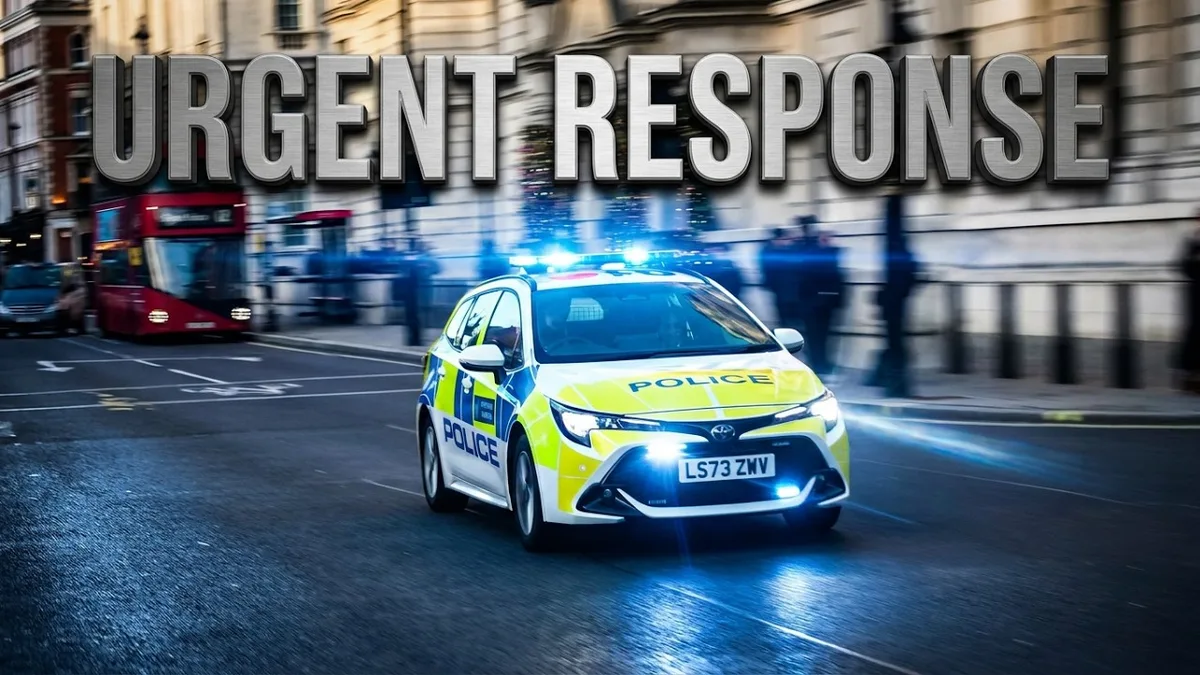
YouTube / ViperUK (YouTube thumbnail (fair-use with source credit))
Quick Answer
The Northern Mariana Islands move over law for emergency vehicles on roadside requires lane changes away from stopped emergency vehicles. If unsafe, slow to a safe speed below the limit. It covers police, fire, and EMS vehicles.
Fines apply for violations.
The Exact Legal Wording and How to Read It
CNMI’s vehicle code mandates drivers vacate the lane closest to a stationary emergency vehicle with flashing lights. When a lane change isn’t possible, the law requires reducing speed to a safe level. This applies to all public roads in the Commonwealth.
The statute covers vehicles with red, blue, or combination emergency lights. It includes active responses and traffic stops. The goal is to create a buffer between traffic and roadside workers.
Why This Law Matters More on Island Roads Than on the Mainland
CNMI roads often lack shoulders and have limited lane space. This makes the traditional "move over" maneuver impossible in many cases. The slow-down provision becomes critical here.
YouTube / Relax Look & Listen (YouTube thumbnail (fair-use with source credit))
Narrow two-lane roads are common across Saipan, Tinian, and Rota. Unlike mainland highways, these roads force drivers to pass emergency vehicles in the same lane. This increases risks for both workers and motorists.
What Counts as an "Emergency Vehicle" Under CNMI Law
The law covers police cars, fire trucks, and ambulances. These are the primary vehicles most drivers encounter. Tow trucks may also qualify when assisting at roadside emergencies.
The key identifier is flashing emergency lighting. Any vehicle with red, blue, or combination lights falls under the law’s protection. This includes unmarked police cars and volunteer fire vehicles.
Your Legal Duty: Move Over, Slow Down, or Both?
If you can safely change lanes away from the emergency vehicle, you must do so. This is the preferred action under the law. Always signal and check mirrors before moving over.
When a lane change isn’t possible, slow to a safe speed. This is typically 20 mph below the posted limit, though the exact speed isn’t specified. The requirement is to pass without endangering roadside workers.
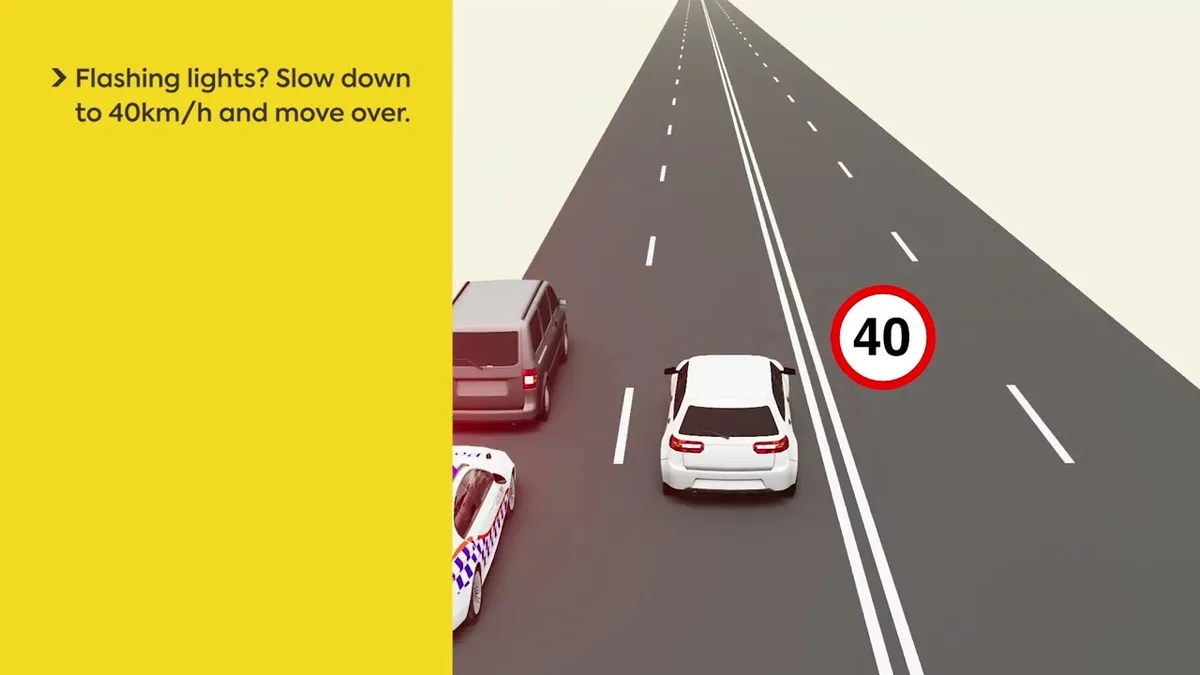
YouTube / Road Safety Commission (YouTube thumbnail (fair-use with source credit))
In multi-lane scenarios, all lanes moving in the same direction should shift away. On two-lane roads, traffic in both directions must slow when passing the scene. The law applies regardless of which side the emergency vehicle is on.
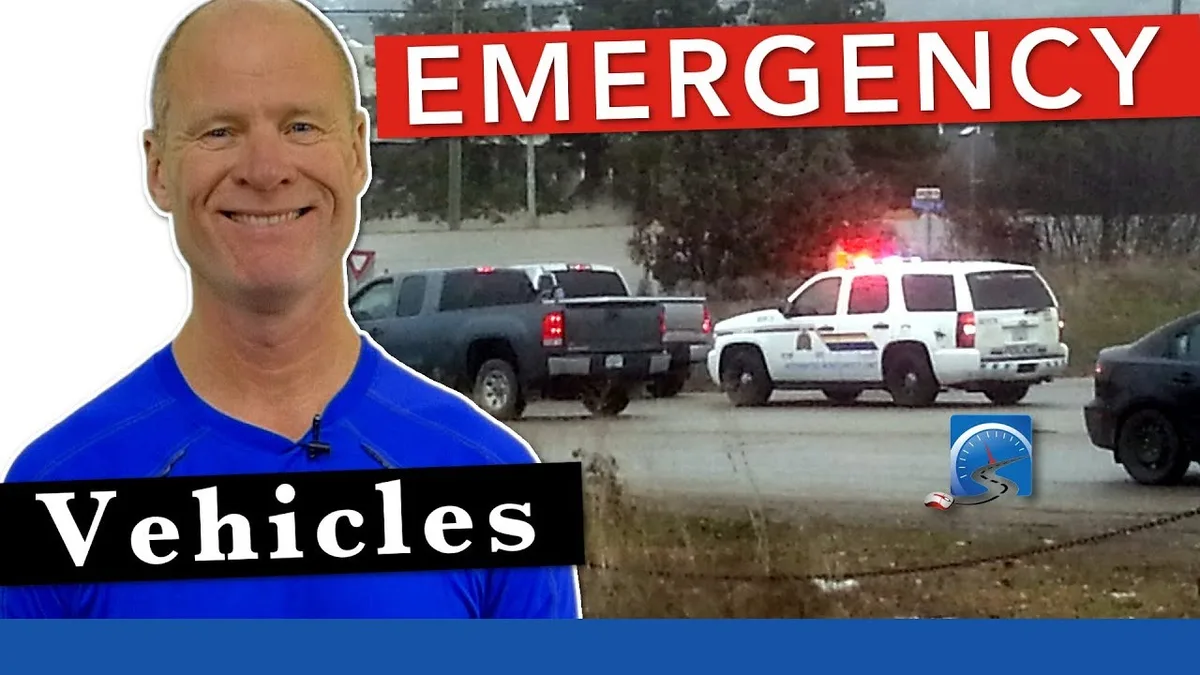
YouTube / Smart Drive Test (YouTube thumbnail (fair-use with source credit))
YouTube / Legal Eaz (YouTube thumbnail (fair-use with source credit))
YouTube / HyundaiUSA (YouTube thumbnail (fair-use with source credit))