ByMax Lee
Ohio Abandoned Vehicle Removal: Public & Private Rules
Found an abandoned car taking up space on your property or street? The Ohio abandoned vehicle removal process on public and private property gives you a clear path to get it towed, but the steps differ depending on where it’s parked and who owns the land. As of 2026, private property owners must post a 48-hour notice before towing, while public property removals often involve police authorization within 24 hours.
Here’s how to handle it the right way.
YouTube / FIX VEHICLE (YouTube thumbnail (fair-use with source credit))
Quick Answer
The Ohio abandoned vehicle removal process on public and private property requires a 48-hour notice for private land. Public property removals typically need police involvement. Owners can reclaim towed vehicles within 30 days.
Unclaimed cars may be auctioned. Always follow Ohio Revised Code to avoid fines.
How Ohio Defines an Abandoned Vehicle
Ohio considers a vehicle abandoned if it’s left on public or private property without the owner’s permission for at least 48 hours. It must be inoperable, lack valid registration, or show no signs of movement.

YouTube / Helping Hermit (YouTube thumbnail (fair-use with source credit))
Common indicators include flat tires, expired plates, or missing parts. The definition also covers vehicles left after a lease ends or those reported as stolen but later recovered.
Public Property Removal: Step-by-Step Process
If the car is on a public street, alley, or government-owned land, you’ll need to involve local law enforcement. Call your non-emergency police line to report it.
YouTube / KVIA ABC-7 (YouTube thumbnail (fair-use with source credit))
Police will verify the vehicle meets Ohio’s abandoned criteria. They’ll often tag it with a 24-hour notice before authorizing a tow. After towing, the vehicle goes to a municipal impound lot.
The owner has 30 days to reclaim it by paying towing and storage fees. If unclaimed, the city may auction or dispose of it per Ohio Revised Code §4513.61.
Private Property Removal: Step-by-Step Process
On private land, the property owner can take action, but you must follow Ohio’s rules to avoid legal issues. First, confirm the vehicle is truly abandoned (no permission, inoperable, or expired tags).

YouTube / WISN 12 News (YouTube thumbnail (fair-use with source credit))
Post a written 48-hour notice on the vehicle’s windshield or a visible spot. The notice must include:
- A description of the vehicle
- The reason for towing
- Contact info for the tow company or property owner
If the owner doesn’t claim it within 48 hours, you can call a licensed tow company to remove it. The tow company will store it and notify the owner if possible.
What Happens After the Vehicle Is Towed?
Once towed, the vehicle goes to a licensed impound lot. The owner has 30 days to reclaim it by providing proof of ownership and paying all fees.

YouTube / Skid Society (YouTube thumbnail (fair-use with source credit))
Fees typically include towing charges (often $100, $200) and daily storage costs (around $25, $50 per day). If the owner doesn’t reclaim it, the tow company or property owner can sell it at auction after the 30-day period.
Key Differences Between Public and Private Property Rules
The rules for Ohio abandoned vehicle removal on public and private property split cleanly along two lines: who initiates the tow and who covers upfront costs. Public property removals are almost always led by local law enforcement, while private property owners can hire licensed tow companies directly after meeting notice requirements.
| Factor | Public Property | Private Property |
|---|---|---|
| Who initiates removal | Local police or sheriff’s office | Property owner or authorized agent |
| Required notice | 24-hour police tag (immediate if hazard) | 48-hour written notice on vehicle |
| Upfront cost coverage | Municipality or county | Property owner (unless owner reclaims) |
| Dispute authority | Municipal court | Small claims or civil court |
If the abandoned vehicle is blocking a fire hydrant, sidewalk, or travel lane, police can remove it immediately without notice. For private property, the 48-hour notice is non-negotiable under Ohio Revised Code §4513.60.
Notice Requirements: 24-Hour vs. 48-Hour Rules
Notice rules are the most common tripwire for illegal tows in Ohio. The required notice period depends entirely on whether the vehicle sits on public or private land.
Private property 48-hour notice requirements
Ohio law requires private property owners to post a physical, legible written notice on the vehicle’s windshield or driver’s side window before towing. The notice must list the vehicle’s make, model, color, and license plate number. It also needs the name and phone number of the tow company or property owner, plus the exact date and time the 48-hour window ends.
Take dated photos of the posted notice as proof you followed the rules. Some local municipalities require you to also send a copy of the notice to the local police non-emergency line, so check your city’s specific rules before calling the tow truck.
Public property 24-hour notice requirements
For public property, law enforcement places an official 24-hour abandonment tag on the vehicle’s windshield after verifying it meets Ohio’s abandoned criteria. If the vehicle is creating an immediate safety hazard, police can authorize a tow right away without waiting for the notice period to expire.
The notice period may extend to 48 hours in some jurisdictions if the vehicle is not blocking access or posing a risk.
How to Reclaim a Towed Vehicle in Ohio
If your car was towed as part of the Ohio abandoned vehicle removal process, you have 30 days from the tow date to get it back.
First, find where your car is being stored. Check the paper notice left on your windshield if you caught it before it was towed, or call your local police non-emergency line. You can also search the Ohio BMV’s online impound lookup tool if you have your vehicle’s VIN or license plate number.
Next, gather the required documents: a valid government-issued photo ID, the vehicle’s title or registration, and proof of insurance if the lot requires it. You’ll need to pay the full sum of towing and storage fees in cash or card before the lot will release the vehicle.
If you believe the tow was unlawful, you can file a dispute with your local municipal court within 10 days of the tow date to avoid paying fees while the case is reviewed.
Costs Involved: Towing, Storage, and Fees
Towing and storage fees for abandoned vehicles in Ohio vary widely by location, tow company, and how long the car sits in the impound lot.
| Fee Type | Typical Range (Ohio, 2026) | Notes |
|---|---|---|
| Standard tow (private property) | $100–$250 | Covers first 2–5 miles, additional miles may add $2–$3 per mile |
| Public property tow | $75–$200 | Paid by the municipality, not the vehicle owner, unless the owner is at fault |
| Daily impound storage | $20–$50 per day | Capped at $30 per day in Columbus, higher in some rural counties |
| Administrative processing fee | $15–$40 | Covers title research and notification paperwork |
| Lien sale fee | $50–$100 | Charged if the vehicle is auctioned to cover unpaid fees |
If you’re a private property owner who hired the tow company, you’ll be on the hook for the tow and storage fees if the vehicle’s owner never comes to claim it. You can recoup those costs by selling the vehicle at auction, but you’ll need to follow Ohio’s lien sale process to get a clean title.
Common Mistakes That Lead to Legal Trouble
Most legal issues around Ohio abandoned vehicle removal stem from small, avoidable mistakes. Improper notice and incorrect documentation are the top causes of lawsuits and fines.
Towing a vehicle on private property without posting the required 48-hour written notice violates Ohio Revised Code §4513.60. The vehicle owner can sue you for conversion, which requires you to pay the full market value of the car. Always take dated, time-stamped photos of the notice posted on the windshield as proof of compliance.
Failing to confirm the vehicle is actually abandoned before calling a tow is another common error. If the car has valid registration, current tags, and the owner is just visiting or parked temporarily, towing it opens you up to liability for wrongful impoundment.
Using an unlicensed tow company can invalidate the entire removal process. Ohio requires all commercial tow operators to hold a valid state towing license.
Waiting too long to reclaim a towed vehicle leads to permanent loss of the car. Ohio gives vehicle owners a 30-day redemption window. After that period ends, the impound lot can auction the car without further notice.
Ohio Laws You Need to Follow (ORC References)
Ohio’s abandoned vehicle laws are primarily covered under three sections of the Ohio Revised Code.
ORC §4513.60 governs abandoned vehicles on private property. It requires the 48-hour notice and allows property owners to remove vehicles that meet the legal definition of abandonment.
ORC §4513.61 addresses abandoned vehicles on public property. It grants local authorities the power to remove vehicles left on public roads, streets, or other public areas without permission.
ORC §4505.101 covers towing and storage regulations. It sets the rules for how tow companies must handle abandoned vehicles, including notification requirements and the redemption process.
When to Call the Police vs. Handling It Yourself
Deciding whether to involve law enforcement or handle the removal yourself depends on where the vehicle is located.
If the car is on public property, you must call the police. They have the authority to verify abandonment and initiate the removal process.
For private property, you can handle the removal yourself, but you must still follow Ohio’s legal requirements. If the vehicle is blocking access to your property or posing a safety risk, you may want to call the police anyway.
If you’re unsure whether the vehicle meets Ohio’s definition of abandonment, it’s safer to involve law enforcement. They can check the vehicle’s registration and confirm whether it’s been reported stolen or is involved in any ongoing investigations.
What If the Owner Can’t Be Found?
If the vehicle owner can’t be identified or located, the process for handling the abandoned vehicle changes slightly. The tow company or impound lot must still make a reasonable effort to notify the owner, typically through a search of the vehicle’s registration records.
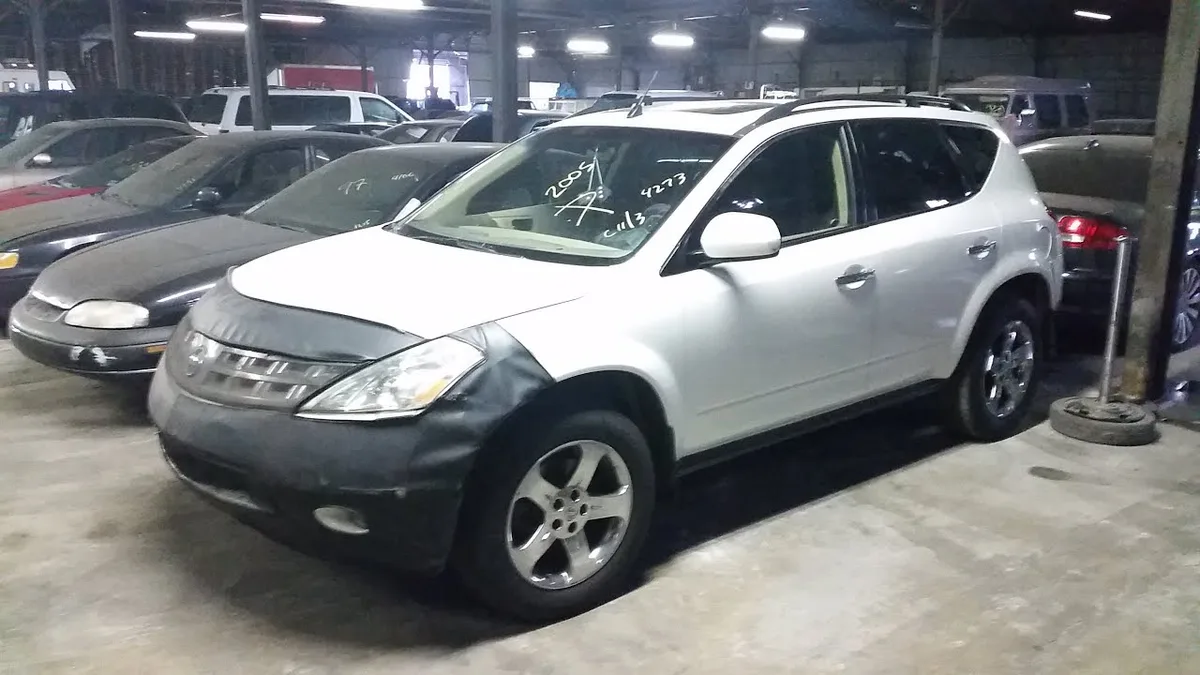
YouTube / abimpound abimpound (YouTube thumbnail (fair-use with source credit))
If the owner remains unidentified after 30 days, the tow company can proceed with selling the vehicle at a public auction. The proceeds from the auction are used to cover the towing and storage fees. Any remaining funds are typically held by the tow company or municipality for a set period, in case the owner later comes forward.
If the vehicle is in poor condition and unlikely to sell at auction, the tow company may instead dispose of it as scrap. In this case, the tow company must still follow Ohio’s regulations for vehicle disposal, including obtaining a salvage title if required.
When to Seek Help
If you’re dealing with an abandoned vehicle and feel overwhelmed by the process, there are resources available to help. Local law enforcement can provide guidance on whether a vehicle meets Ohio’s definition of abandonment and what steps you need to take.
For private property owners, consulting with a local attorney who specializes in property law can help ensure you’re following all legal requirements. This is especially useful if you’re dealing with a particularly contentious situation or if the vehicle owner has threatened legal action.
The Ohio Bureau of Motor Vehicles (BMV) can also provide information on vehicle registration and title status. Their website offers tools to look up a vehicle’s registration and confirm whether it’s been reported as stolen or abandoned.
Frequently Asked Questions
How long does the owner have to reclaim a towed vehicle in Ohio?
The owner has 30 days from the date of the tow to reclaim the vehicle. After that period, the tow company can sell the vehicle at auction to recoup unpaid fees.
Can I tow a vehicle from my private property without notice?
No. Ohio law requires you to post a 48-hour written notice on the vehicle before towing it from private property. Skipping this step can result in legal liability.
What happens if the vehicle is worth less than the towing fees?
If the auction proceeds don’t cover the towing and storage fees, the tow company typically absorbs the loss. The vehicle owner is not usually held responsible for the remaining balance.
Do I need a lawyer to remove an abandoned vehicle?
No, you don’t need a lawyer for a standard removal. However, if the situation is complex or the vehicle owner is disputing the tow, consulting an attorney can help protect your rights.
Can the police remove a vehicle from private property?
Police can assist in verifying whether a vehicle is abandoned, but they generally don’t remove vehicles from private property unless it’s an emergency. The property owner is responsible for initiating the tow.