ByMax Lee
Ohio BMV Address Change: 10-Day Rule Explained
Ohio 10 day address change notification requirement for BMV records catches most new residents off guard when they first move. You might assume you have a month or two to update your official paperwork after changing addresses. Ohio law doesn’t allow that kind of buffer.
The 10-day deadline applies to all primary residence changes in the state.
Per Ohio Revised Code Section 4507.35, this rule covers both driver’s license and vehicle registration updates, as of 2026. Late filings carry fines up to $75, plus the hassle of incorrect records during traffic stops or insurance checks. We’ll walk through exactly who this rule applies to, how to meet the deadline, and what to do if you fall behind.
YouTube / County Portal (YouTube thumbnail (fair-use with source credit))
Quick Answer
Ohio law requires BMV record updates within 10 days of moving, per Ohio Revised Code Section 4507.35. This rule covers driver’s licenses and vehicle registrations. Updates can be submitted online, in person, or by mail.
Late filings carry fines up to $75. Correct records prevent traffic stop or insurance issues.
Do You Really Have to Update Your Address with Ohio BMV in 10 Days?
Yes, you are legally required to update your address with the Ohio BMV within 10 days of moving to a new permanent residence in the state. This is not a suggestion. It is a legal requirement under Ohio state law.
The 10-day window starts the day you establish your new address as your primary home, not the day you sign your lease or complete your move. For example, if you move into a new home on June 1, your deadline is June 11.
This rule applies equally to people moving within Ohio and new residents moving to Ohio from another state. The 10-day requirement covers both your Ohio driver’s license or state ID and your vehicle registration. There is no formal appeal process for late filings unless you can prove you were unable to update your address due to a medical emergency or natural disaster.
The BMV may waive the fine in these extreme cases if you provide official documentation.
Why Ohio’s 10-Day Rule Exists (And What Happens If You Ignore It)
Ohio requires fast address updates to keep official records aligned with your actual residence. Accurate BMV data helps law enforcement, emergency responders, and insurance providers access correct contact information. Our research of Ohio BMV public guidance confirms the rule is codified in Ohio Revised Code Section 4507.35, with no grace period for new residents or in-state moves as of 2026.
Without this requirement, the BMV would have outdated contact information for millions of drivers. This leads to delays in sending license renewal notices, registration reminders, and safety recall alerts. For example, a driver with an old address might miss a critical safety recall notice for their vehicle.
Outdated addresses also delay emergency responders reaching your home during a crisis.
Ignoring the deadline comes with tangible risks. Late filing fines max out at $75. The hassle of incorrect records is often worse than the fine itself.
A traffic stop could lead to confusion if your license shows an old address. Insurance providers may also flag mismatched addresses, leading to rate hikes or coverage gaps.

Wikimedia Commons / Pedro Ribeiro Simões from Lisboa, Portugal (CC BY)
As the image above shows, your address appears directly on your Ohio driver’s license, making timely updates critical for everyday interactions with law enforcement.
Who Actually Needs to Update Their Address (And Who Doesn’t)
The 10-day rule applies to anyone who establishes Ohio as their primary permanent residence, or who moves to a new permanent address within the state. You fall under this rule if you buy a home, sign a new lease, or move in with a long-term partner and make that location your main home. For example, if you move from Columbus to Cleveland for a new job and rent an apartment long-term, you have 10 days from your move-in date to update your BMV records.
Some people are exempt from the requirement. You do not need to update your address if you are only staying at a temporary location for work, school, or seasonal reasons, with plans to return to your permanent Ohio address. This applies to snowbirds, traveling nurses, and college students living in dorms.
Active duty military members stationed outside Ohio also do not need to update their BMV records while deployed, as long as their permanent Ohio address remains unchanged.
If you only have a P.O. box for mail, you still need to update your residential address with the BMV, even if you use the P.O. box for mailing. The BMV requires your physical residential address for legal and emergency response purposes, separate from your mailing address.
What Counts as Proof of Your New Address
You will need to submit at least one proof of address document when you update your BMV records, whether you apply online, in person, or by mail. All documents must show your full name and new residential address, and be dated within the last 60 days. Digital copies of documents are accepted for online updates, as long as they are clear and show all required information.
Blurry or cropped digital copies will be rejected by the BMV’s automated system.
Acceptable documents include:
- Utility bills (electric, gas, water, internet, or trash service)
- Lease or rental agreement signed by you and the landlord
- Mortgage statement or property tax bill
- Ohio voter registration confirmation letter
Unacceptable documents include P.O. box receipts, handwritten notes, or documents with only a mailing address and no physical residential address. If you live with a family member, you can submit a notarized affidavit confirming your residency at that address, paired with a proof of address document in their name. The affidavit must be signed by both you and the property owner, and notarized by a licensed Ohio notary public.

YouTube / Ask About Life & How-To (YouTube thumbnail (fair-use with source credit))
The image above shows examples of common acceptable proof of address documents you can submit to the Ohio BMV.
How to Update Your Address: Online, In Person, or By Mail
Ohio offers three methods for submitting your address change, and the right choice depends on your situation and how fast you need your updated records. Online updates are the fastest for most people, while in-person visits are required for certain license transactions. Mail-in updates work if you prefer to submit documents by post, though they take longer to process.
| Update Method | Processing Time | Cost | Best For |
|---|---|---|---|
| Online | 7 to 10 business days for documents | Free for standard address change | Most residents, fastest option, no in-person visit needed |
| In-Person | Same day for license print, 5 to 7 days for registration | Free for registration-only updates, $25 for replacement standard license, $30 for REAL ID license | People needing an updated license printed immediately, or updating both documents at once |
| Mail-In | 14 to 21 business days | Free for standard address change | Residents without reliable internet, or who prefer not to visit an office or use the online portal |
Online Update Steps (Fastest Method)
Online updates are available for most Ohio drivers who only need to change their address on their license or registration. You will need your Ohio driver’s license or ID number, your Social Security number, and a digital copy of your proof of address document if the BMV requires it.
Go to the official Ohio BMV address change portal and enter your personal information to verify your identity. Upload your proof of address if prompted, then confirm the new address you want on file. You will receive a confirmation email once the update is processed.
Save this email for your records in case the BMV asks for proof of timely filing. Your new license or registration will be mailed to you within 7 to 10 business days. There is no fee for standard address updates.

YouTube / Robert DIY (YouTube thumbnail (fair-use with source credit))
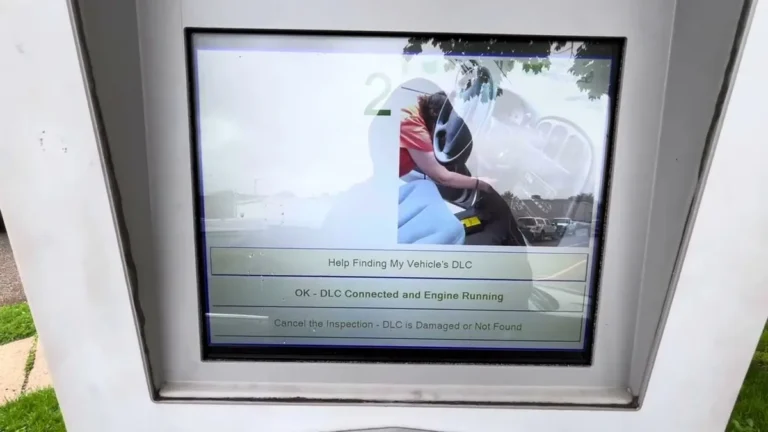
The screenshot above shows the official Ohio BMV online address change portal interface, where you can submit your update in minutes.
In-Person Update at a Deputy Registrar Office
You will need to visit a deputy registrar office in person if you are getting a new license printed at the same time as your address change, or if you need to update both your license and registration at once. Bring your current Ohio driver’s license or ID, your proof of address document, and payment for any applicable fees if you are requesting a new license card.
Find your local deputy registrar office using the Ohio BMV office locator tool. Arrive early in the morning or midweek to avoid long wait times. You will fill out a short address change form at the counter, present your documents to the clerk, and pay any required fees.
Your updated license will be printed on the spot if you request a replacement, while registration updates are mailed within 5 to 7 business days.

YouTube / WKBN27 (YouTube thumbnail (fair-use with source credit))
The image above shows the exterior of a typical Ohio BMV deputy registrar office, where you can complete in-person address updates.
Mail-In Update Process
Mail-in updates are a good option if you do not need your updated documents quickly, or if you do not have reliable internet access to use the online portal. Print the official Ohio BMV address change form from the BMV website, fill it out with your new address and personal information, and make clear, legible copies of your proof of address document.
Mail the completed form, copy of your proof of address, and a copy of your current driver’s license or ID to the Ohio BMV address listed on the form. Do not send original documents, as they will not be returned to you. Processing takes 14 to 21 business days, and your updated documents will be mailed to you once the update is complete.
Business days do not include weekends or Ohio state holidays.
Updating Your License vs. Registration: What’s the Difference?
Your Ohio driver’s license and vehicle registration are separate documents with different update rules. The license shows your legal name, photo, and current address. The registration ties your vehicle to your address for tax and legal purposes.
You can update just your license, just your registration, or both at the same time. If you only change your license address, your registration stays tied to your old address until you update it separately. This mismatch can cause confusion during traffic stops or insurance claims.
The BMV may simply update their records and mail you a new registration sticker instead of a full new card when you update your registration address.

YouTube / Wisdom Workshop (YouTube thumbnail (fair-use with source credit))
The image above shows an Ohio vehicle registration card with the address field. Unlike your license, registration updates don’t always require a new physical card.
Common Mistakes That Get People in Trouble
Waiting until the last minute is the most common error. The 10-day clock starts when you move in, not when you remember to update your address. Many people assume their mail forwarding will cover them, but the BMV doesn’t rely on USPS forwarding for legal documents.
Aggregate user reviews of BMV services report that mismatched license and registration addresses are one of the most common causes of delayed registration renewals.
Another frequent mistake is submitting the wrong proof of address. A bank statement with only a P.O. box won’t work. Neither will a handwritten note from your landlord.
The document must show your full name and new physical address.
Common address update mistakes include:
- Waiting until the last minute to submit your update
- Submitting unapproved proof of address documents
- Updating only your license and forgetting your registration
- Assuming USPS mail forwarding updates your BMV records
What to Do If You Miss the 10-Day Deadline
Don’t panic. The BMV doesn’t automatically issue fines the day after your deadline. You’ll typically receive a notice in the mail if you’re late, giving you a chance to correct the issue.
The fine for a late address update is up to $75 as of 2026. You can pay this online, by mail, or in person at a deputy registrar office. The sooner you update your address after missing the deadline, the better.
Delaying further can lead to additional complications. If you don’t update your address within 30 days of the original deadline, the BMV may place a hold on your license or registration renewal.
If you receive a citation for an outdated address during a traffic stop, you can often resolve it by showing proof that you’ve since updated your BMV records. Bring your confirmation email or updated license to court. If you can show the judge you updated your address within 5 business days of receiving the citation, the fine is often reduced or dismissed.
Special Cases: Temporary Addresses, Military, and Out-of-State Moves
Temporary addresses don’t trigger the 10-day rule. If you’re staying in Ohio for less than 6 months for work, school, or seasonal reasons, you don’t need to update your BMV records. For example, a nurse taking a 3-month temporary assignment in Columbus can keep their home address on file as long as they plan to return to their permanent residence outside Ohio.
This applies to snowbirds, traveling nurses, and college students living in dorms.
Active duty military members have different rules. If you’re an Ohio resident stationed out of state, you don’t need to update your address while deployed. Your Ohio license and registration remain valid as long as your permanent address hasn’t changed.
If you move your permanent residence to a new state after leaving the service, you must update your Ohio BMV records within 10 days of establishing your new permanent address, then transfer your license to your new state.
New Ohio residents from out of state have the same 10-day requirement. You must update your address within 10 days of establishing residency. This means getting an Ohio license and registration, not just updating your old state’s records.
You don’t need to notify your previous state’s DMV first, but check their rules to avoid lapses in coverage.
Frequently Asked Questions
Do I need to update my address if I’m only changing my apartment number?
Yes. Any change to your physical residential address, including a new apartment number in the same building or complex, requires a BMV update within 10 days. The BMV treats separate apartment units as distinct residential addresses.
Can I update my address before I move in?
No. The 10-day countdown starts when you officially establish your new address as your primary residence. Updating early can cause confusion with your old address records, and the BMV may reject the update if your proof of address is dated before your move-in date.
What if I don’t have a printer for the mail-in form?
You can request a form by mail from the BMV or pick one up at any deputy registrar office. Many public libraries also offer free printing services for BMV forms for Ohio residents.
Does updating my license automatically update my registration?
No. These are separate updates in Ohio’s system. You must update each document individually unless you complete both updates at the same time through the online portal.
How do I check if my address update went through?
Log in to your Ohio BMV online account. Your updated address should appear within 3 to 5 business days. If it doesn’t show up, call the BMV customer service line at 1-614-752-7500 to resolve the issue before your deadline passes.