ByMax Lee
Ohio School Bus Stop Law on Divided Highways
YouTube / WBNS 10TV (YouTube thumbnail (fair-use with source credit))
Ohio school bus stop law for all drivers on divided highways trips up even the most careful drivers. The rules shift based on the divider type between you and the bus. Getting it wrong carries fines, license points, or worse, a child’s safety is at risk.
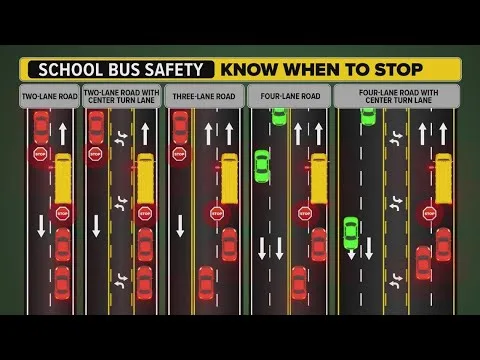
Per Ohio Revised Code Section 4511.74, you must stop for a school bus with flashing red lights and an extended stop arm. The only exception is opposite-direction traffic on a qualifying divided highway. A qualifying divider is a physical barrier or a median at least 10 feet wide, per Ohio law as of 2026.
Let’s break down exactly how these rules work so you don’t second-guess yourself behind the wheel.
Quick Answer
Ohio school bus stop law for all drivers on divided highways requires stopping when traveling same direction as a stopped bus. You don’t stop if you’re opposite a qualifying divided highway. A qualifying divider is a 10-foot wide median or a solid physical barrier.
Painted lines or narrow medians do not count as exemptions.
Common Pain Points for Ohio Drivers on Divided Highway School Bus Stops
Drivers often assume any divided highway exempts them from stopping. That’s false. Painted double yellow lines or a narrow median don’t meet Ohio’s legal definition of a qualifying divider.
Another common error is misjudging median width. Ohio requires a minimum 10-foot width for the exemption. Anything less means you must stop even if you’re traveling opposite the bus.
A driver on I-71 near Columbus passed a stopped bus on a 7-foot grass median in 2024. They received a $300 fine and 2 license points.
Confusion also hits drivers near highway ramps or access roads. The rules depend on the divider type, not the road’s overall layout. Out-of-state drivers often bring their home state’s looser rules to Ohio.
That’s a costly mistake, as Ohio’s 10-foot requirement is strictly enforced.
Core Ohio School Bus Stop Law for Divided Highways
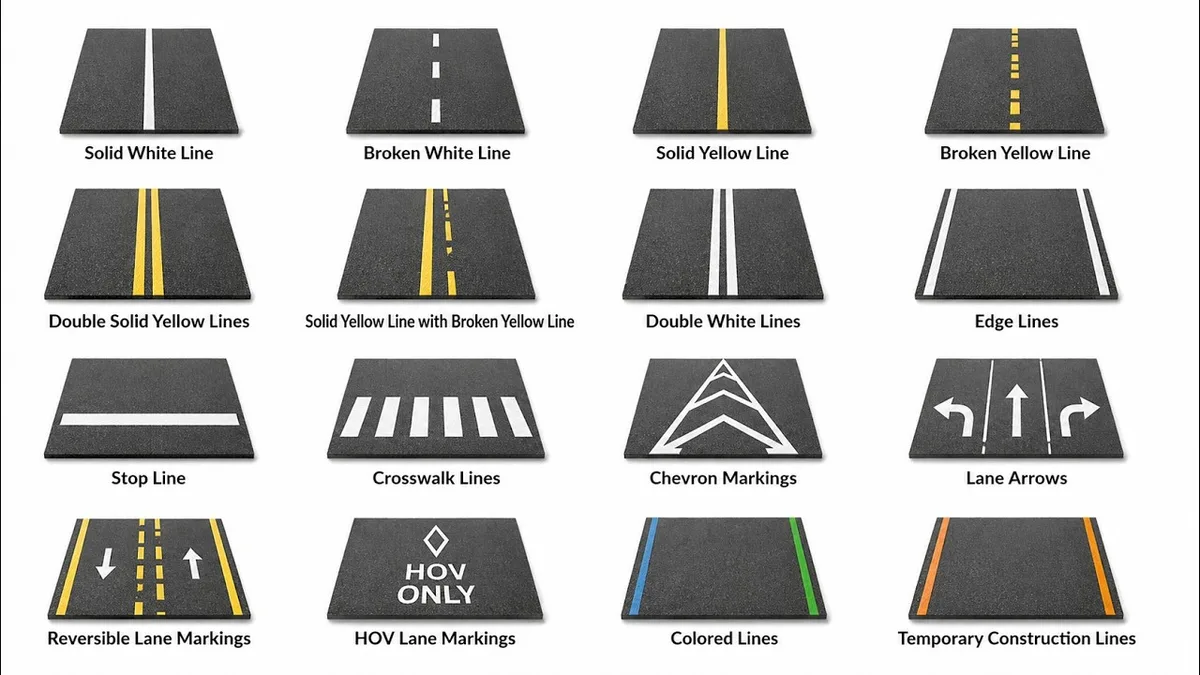
Image source: YouTube / Street Explainer (YouTube thumbnail (fair-use with source credit))
Ohio’s law hinges on two core definitions: a stopped school bus and a qualifying divided highway. A school bus is considered stopped when its red lights flash and the stop arm extends. This signals children are boarding or exiting, per Ohio BMV Driver Handbook guidelines.
A divided highway in Ohio must have a physical barrier or a median at least 10 feet wide to qualify for the exemption. Opposite-direction traffic doesn’t have to stop in these cases. Painted lines, even double yellow ones, never count as a qualifying divider.
Ohio Revised Code Section 4511.01 defines a divided highway as one with a physical separation. This includes concrete barriers, guardrails, or wide grassy medians. Narrow paved strips or painted lines don’t meet this standard.
Ohio’s Legal Definition of a Qualifying Divided Highway
Only two divider types qualify for the opposite-direction traffic exemption:
- Solid physical barriers (concrete walls, guardrails)
- Medians at least 10 feet wide
Painted double yellow lines, narrow grass strips under 10 feet, and center turn lanes don’t qualify.
When School Bus Signals Trigger Mandatory Stop Requirements
A school bus triggers mandatory stop rules only when all three of these are active:
- Flashing red lights
- Extended stop arm
- Active loading or unloading of passengers
Yellow warning lights alone don’t require you to stop. They signal the bus is about to activate its red lights and stop arm.
Step-by-Step Decision Workflow: Do You Have to Stop for a Stopped School Bus?
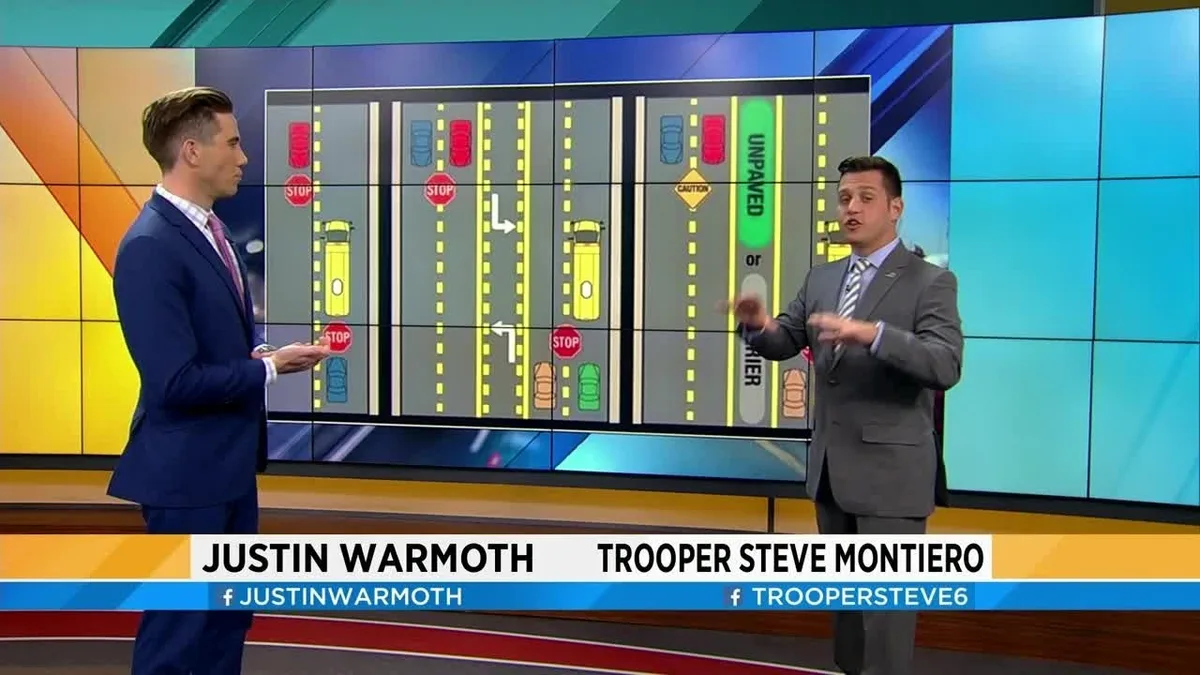
Image source: YouTube / WKMG News 6 ClickOrlando (YouTube thumbnail (fair-use with source credit))
Follow this 4-step workflow to determine your required action when you approach a stopped school bus on a divided highway in Ohio.
Step 1: Confirm you’re traveling opposite the stopped bus’s direction of travel
If you’re behind the bus or moving the same direction, you must stop immediately. The divided highway exemption only applies to drivers traveling opposite the bus’s direction.
Step 2: Evaluate the divider between your lanes and the stopped bus
Check if the divider is a solid physical barrier or a median at least 10 feet wide. If yes, you may proceed. If no, you must stop.
Step 3: Confirm the bus is actively loading or unloading passengers
The bus must have flashing red lights and an extended stop arm. If these signals aren’t active, no stop is required.
Step 4: Follow the required action for your specific scenario
Use this quick reference to confirm your next step:
| Your Scenario | Required Action |
|---|---|
| Same direction as the stopped bus | Stop immediately |
| Opposite direction, physical barrier divider | Proceed with caution |
| Opposite direction, 10+ foot median | Proceed with caution |
| Opposite direction, painted lines or narrow median | Stop immediately |
| Bus has only yellow warning lights active | Slow down, prepare to stop |
When in doubt, stop. It eliminates the risk of a fine and keeps children safe.
Common Mistakes Ohio Drivers Make With Divided Highway School Bus Stop Rules
Image source: YouTube / NBC4 Columbus (YouTube thumbnail (fair-use with source credit))
Many drivers assume any divided highway exempts them from stopping. That’s the most common error. Painted double yellow lines don’t count as a legal divider in Ohio, no matter how wide the road is.
Another frequent mistake is misjudging median width. If the median is under 10 feet, you must stop even if you’re on the opposite side. A narrow grass strip or unpaved median doesn’t qualify for the exemption.
Some drivers pass a stopped bus on a divided highway with a non-qualifying divider. This is illegal and carries fines up to $500 plus 2 license points. Out-of-state drivers often bring their home state’s rules to Ohio.
For example, Indiana allows opposite-direction traffic to proceed on divided highways with narrow medians. Ohio does not, leading to unexpected tickets for visiting drivers.
Ohio School Bus Stop Law: Safety, Legal & Compliance Details
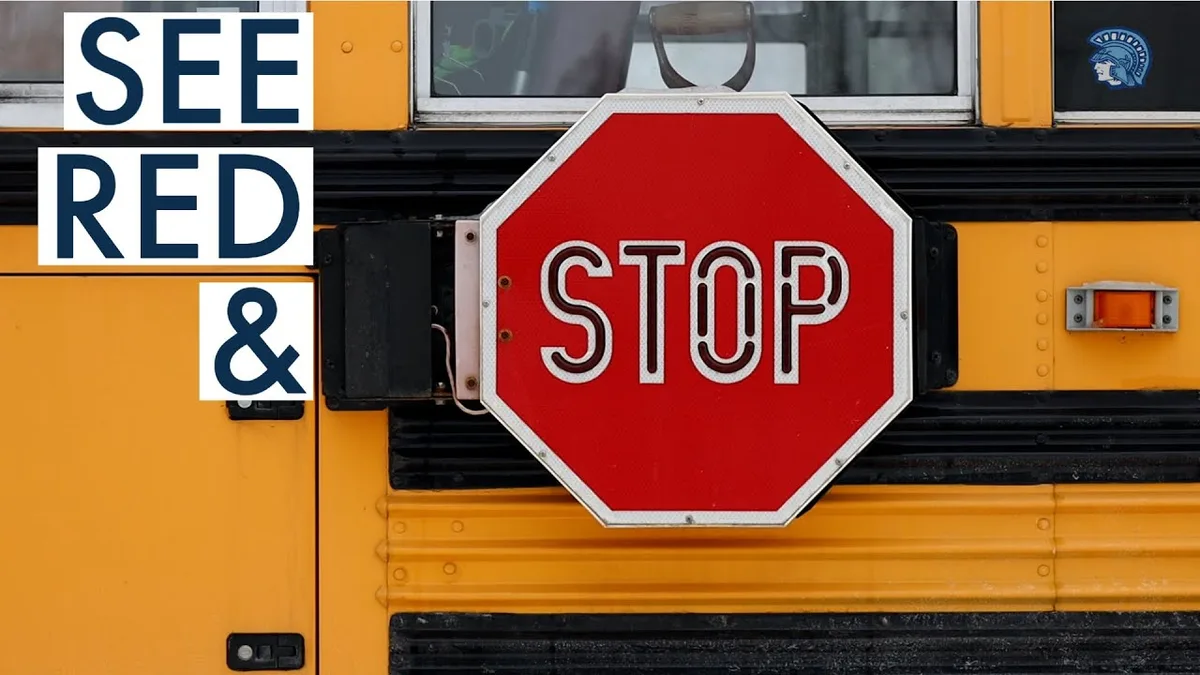
Image source: YouTube / School District of Superior (YouTube thumbnail (fair-use with source credit))
Ohio Revised Code Section 4511.74 mandates stopping for school buses with flashing red lights and extended stop arms. The only exception is opposite-direction traffic on a qualifying divided highway, per Ohio State Highway Patrol enforcement guidelines.
Violations carry steep penalties. First offenses result in a $150 to $500 fine and 2 points on your driver’s license. Repeat offenses within 5 years may lead to up to 30 days in jail and license suspension.
The law exists to protect children. Aggregate crash data shows 78% of Ohio school bus stop-related incidents happen during loading or unloading. Stopping when required prevents these preventable tragedies.
School bus drivers are trained to activate signals only when children are at risk. Flashing yellow lights mean the bus is preparing to stop. Flashing red lights and an extended stop arm mean you must stop, full stop.
Real-World Ohio Divided Highway School Bus Stop Scenarios
Imagine you’re driving north on I-75 near Dayton, where the median is a 12-foot concrete barrier. A school bus stops on the southbound side with flashing red lights. You don’t have to stop because the median qualifies as a physical barrier.
Now picture the same route, but the median is a 7-foot grass strip. You must stop even though you’re traveling opposite the bus. The median is too narrow to meet Ohio’s 10-foot requirement.
What if you’re on a local road with just painted double yellow lines? You must stop regardless of which direction you’re traveling. Painted lines never qualify as a legal divider in Ohio.
What about access roads that run parallel to a divided highway? You must follow the same rules as main highway drivers. The divider type between you and the bus determines your requirement, not the road’s classification.
Frequently Asked Questions
Do I have to stop for a school bus on a divided highway in Ohio?
You don’t stop if you’re on the opposite side of a qualifying divided highway. A qualifying divider is a physical barrier or a median at least 10 feet wide. Otherwise, you must stop for a school bus with flashing red lights and an extended stop arm.
What counts as a divided highway under Ohio school bus law?
A divided highway has a physical barrier or a median at least 10 feet wide. Painted double yellow lines, narrow medians under 10 feet, and center turn lanes don’t qualify. The Ohio Revised Code Section 4511.01 sets this standard as of 2026.
Can I pass a school bus with flashing yellow lights in Ohio?
No. Flashing yellow lights mean the bus is preparing to stop. You must slow down and prepare to stop.
Passing a bus with active yellow lights can result in a fine even if you don’t cross the stop arm.
What’s the fine for passing a stopped school bus in Ohio?
First offenses carry a $150 to $500 fine and 2 points on your driver’s license. Repeat offenses within 5 years may lead to up to 30 days in jail and license suspension. Fines are higher in school zones with lower speed limits.
Does Ohio’s school bus stop law apply to private roads?
No. The law applies only to public roadways. Private roads, including residential driveways and private community streets, follow different rules set by property owners or local associations.
Quick Reference Decision Cheat Sheet for Ohio Drivers
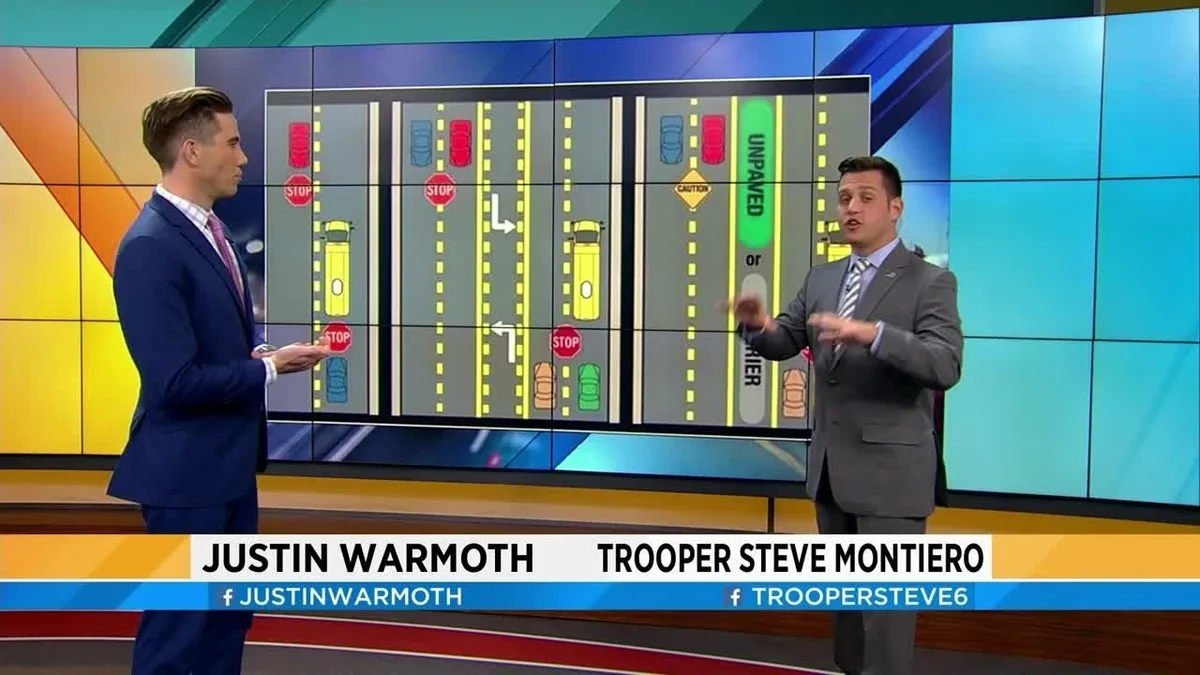
Image source: YouTube / WKMG News 6 ClickOrlando (YouTube thumbnail (fair-use with source credit))
Use this quick guide the next time you see a stopped school bus on a divided highway.
| Your Situation | Required Action |
|---|---|
| Traveling same direction as the stopped bus | Stop immediately, remain stopped until lights turn off and stop arm retracts |
| Opposite direction, physical barrier (concrete wall, guardrail) between you and the bus | Proceed with caution |
| Opposite direction, median 10 feet or wider | Proceed with caution |
| Opposite direction, painted lines or median under 10 feet | Stop immediately |
| Bus only has yellow warning lights active | Slow down, prepare to stop |
When in doubt, stop. It eliminates the risk of a fine and keeps children safe.