ByMax Lee
Ohio Car Seat Laws for Kids 8 & Under
Ohio child restraint law and car seat requirements for ages 8 and under trip up even careful caregivers, since rules tie to a child’s exact height and weight, not just age. You might assume your 7-year-old is fine in a regular seat belt, but Ohio has strict cutoff thresholds you can’t ignore. Mixing up these rules doesn’t just risk a ticket, it puts your kid at real danger in a crash.
Per federal FMVSS 213 safety testing, car seats reduce fatal injury risk by 71% for infants and 54% for toddlers in passenger cars, but only when used correctly. Ohio’s rules align with national safety benchmarks, but have unique exceptions you won’t find in other states. We’ve broken down every requirement, common mistake, and free resource you’ll need to keep your kid safe and legal on Ohio roads as of 2026.
Ohio’s Child Restraint Law: What You Need to Know for Ages 8 and Under
YouTube / HealthLinc (YouTube thumbnail (fair-use with source credit))
Quick Answer: Ohio’s Car Seat Requirements by Age
Ohio’s child restraint law sets clear rules for kids 8 and under. Children under 4 need a federally approved car seat. Kids aged 4 to 7 need a harnessed seat or booster.
All children under 8 or under 4'9" need a booster. Fines for non-compliance top out at $75.
How Ohio’s Law Works: Age, Height, and Weight Rules
YouTube / KidsafeWA (YouTube thumbnail (fair-use with source credit))
Ohio Revised Code 4511.81 sets three core tiers for child passenger restraints. All rules tie to both age and size metrics. You can’t rely on age alone, since kids grow at very different rates.
A 6-year-old who is 3'10" still needs a booster, even if most peers use regular seat belts. The law uses "and/or" logic for the upper threshold. A child who is 8 but under 4'9" still needs a booster.
The 4'9" cutoff comes from NHTSA crash testing. That is the height where a standard seat belt fits correctly across a child’s hip and chest. A belt that sits too high on the stomach or neck can cause severe internal injuries in a crash.
Ohio is one of several states that uses both age and height thresholds. Many other states only use age-based rules. The law applies to all passenger vehicles in Ohio, including rideshare and taxi services, which many caregivers do not realize.
NHTSA’s official child passenger safety page breaks down these national benchmarks in more detail. The law does not require a specific brand or model of car seat, as long as it meets federal FMVSS 213 safety standards. You can verify compliance by looking for the FMVSS 213 label on the seat’s plastic shell or packaging.
These rules are current as of 2026.
| Age Range | Required Restraint | Size Exception |
|---|---|---|
| Under 4 | Rear-facing or forward-facing car seat with harness | Must use seat appropriate for their height/weight |
| 4 to 7 | Forward-facing car seat with harness OR booster seat | Must use seat appropriate for their height/weight |
| 8 and over OR 4'9"+ tall | Lap and shoulder seat belt (no booster required) | No booster needed if either threshold is met |
Fines for non-compliance run up to $75 per incident, with no points added to your driving record for a first offense.
Rear-Facing vs. Forward-Facing vs. Booster: Which Seat When?
YouTube / Arvin and Daddy (YouTube thumbnail (fair-use with source credit))
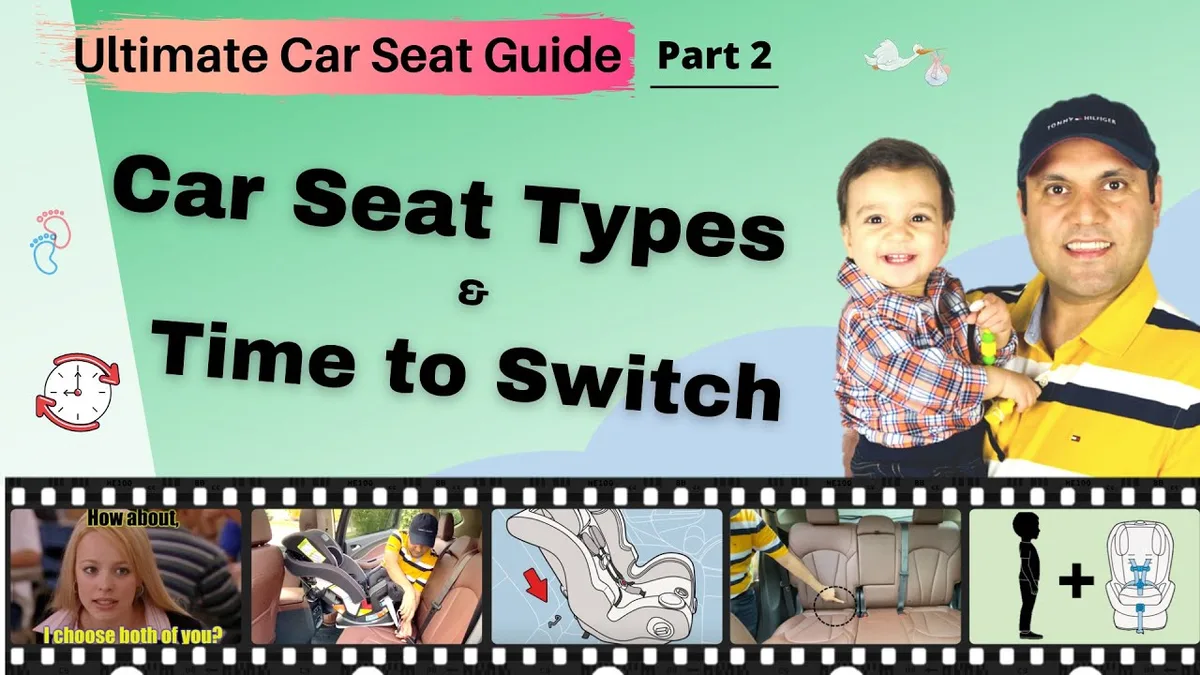
Ohio law sets minimum requirements for each restraint type. The American Academy of Pediatrics recommends keeping kids in each stage as long as possible. That means not switching seats just to hit the legal minimum.
Use clear if/then rules to pick the right seat for your child’s size.
Rear-facing car seats
These are required for all kids under 4 per Ohio law. AAP recommends keeping kids rear-facing until they hit their seat’s maximum height or weight limit. Most convertible rear-facing seats work for kids up to 40 to 65 pounds.
Rear-facing seats cradle a child’s head, neck, and spine during a crash, which are their most vulnerable body parts. If your 3-year-old still fits within their seat’s limits, there is no need to switch to forward-facing early. All-in-one seats that convert from rear-facing to forward-facing to booster are a popular cost-effective option for parents who want to use one seat for multiple years, as long as the seat’s size limits match their child’s growth.
Forward-facing seats with 5-point harness
Once a child outgrows their rear-facing seat, they move to a forward-facing harnessed seat. These are required for kids 4 and up if they have not moved to a booster. Most forward-facing seats work for kids up to 65 to 80 pounds.
The harness distributes crash forces across the child’s strongest body parts, which is far safer than a standard seat belt for small kids. Keep your child in a harnessed seat until they hit the seat’s maximum limit.
Booster seats
Booster seats are required for all kids under 8 or under 4'9" in Ohio. High-back boosters provide head and neck support for younger kids. Backless boosters are lighter and easier to carry for travel.
A booster lifts your child so the standard seat belt fits correctly. The lap belt should sit low on the upper thighs, not the stomach. The shoulder belt should cross the middle of the chest, not the neck.
Once your child hits both 8 years old and 4'9", they can use the regular seat belt without a booster.
When Can a Child Stop Using a Booster Seat in Ohio?
A common misconception is that age 8 is the only cutoff for Ohio’s booster seat requirement. That is not true. Ohio law uses a two-part threshold for booster use.
A child can stop using a booster when they meet either of these two criteria: They are 8 years old or older, or they are 4 feet 9 inches tall or taller, no matter their age.
Let’s make that clear with examples. A 7-year-old who is 4'10" does not need a booster. A 9-year-old who is 4'6" still needs a booster, no exceptions.
The 4'9" height threshold comes from NHTSA crash testing. That testing found seat belts do not fit correctly for anyone shorter than that height. A poorly fitting belt can slide up a child’s abdomen during a crash, causing severe internal organ damage instead of protecting them.
Ohio does not have a specific law about when kids can sit in the front passenger seat. NHTSA recommends keeping all kids under 13 in the back seat, no matter what restraint they use. Airbags are designed for adult bodies, and can cause serious injury or death to a child in a front seat crash.
Some parents ask if a backless booster is legal in Ohio for kids who meet the height requirement. The answer is yes, backless boosters are allowed as long as the child meets the height or age threshold, though high-back boosters provide better head and neck support for younger kids. If your child is close to the 4'9" threshold, you can test their seat belt fit at home to see if they are ready to ditch the booster.
The lap belt should lie flat across their upper thighs, not their stomach, and the shoulder belt should cross the middle of their chest, not their neck or face.
Step-by-Step: How to Choose the Right Car Seat
Picking the right car seat can feel overwhelming, but the process is simple if you follow size rules first. Manufacturer specifications always override age-based guidelines, so start with your child’s current measurements.
- Measure your child’s height and weight first. Grab a tape measure and scale, and compare their numbers to the limits on any seat you’re considering. If your 3-year-old is 45 pounds but their rear-facing seat only goes up to 40 pounds, it is time to switch to a forward-facing seat, even if they are under 4 years old.
- Confirm the seat meets federal safety standards and works with your vehicle. All car seats sold in the U.S. must meet FMVSS 213 requirements. You will see this label on the seat’s packaging and the seat itself. Most new seats use the LATCH system for installation, which uses anchors built into your car’s back seat instead of the seat belt for a more secure fit. Check your car’s owner’s manual to confirm it has LATCH anchors if you are buying a new seat. Avoid used car seats unless you can confirm they have never been in a crash, are not expired, and have no active recall notices.
- Test the fit before you buy. If you are shopping in a store, bring your child with you to test the harness and seat fit. The harness should sit at or above your child’s shoulders for rear-facing seats. For forward-facing seats, the harness should sit at or below their shoulders. The chest clip should sit level with their armpits, not lower on the torso or up by their neck.
- Register the seat immediately after purchase. All car seats come with a registration card, either physical or included in the packaging. Filling it out signs you up for recall alerts from the manufacturer. Recalls happen regularly, and registering ensures you get notified right away if your seat has a safety defect. Many brands also let you register online for faster updates. If you are on a budget, many local fire departments and community organizations in Ohio offer free or low-cost car seats to eligible families, which are guaranteed to meet federal safety standards.
Common Mistakes Parents Make (And How to Avoid Them)
YouTube / Safe in the Seat (YouTube thumbnail (fair-use with source credit))
Moving a child to the next seat stage too soon is the most frequent error. A 2023 NHTSA study found 59% of car seats are misused in ways that reduce protection. Many parents switch from rear-facing to forward-facing at age 2, but AAP recommends keeping kids rear-facing until they max out their seat’s height or weight limit.
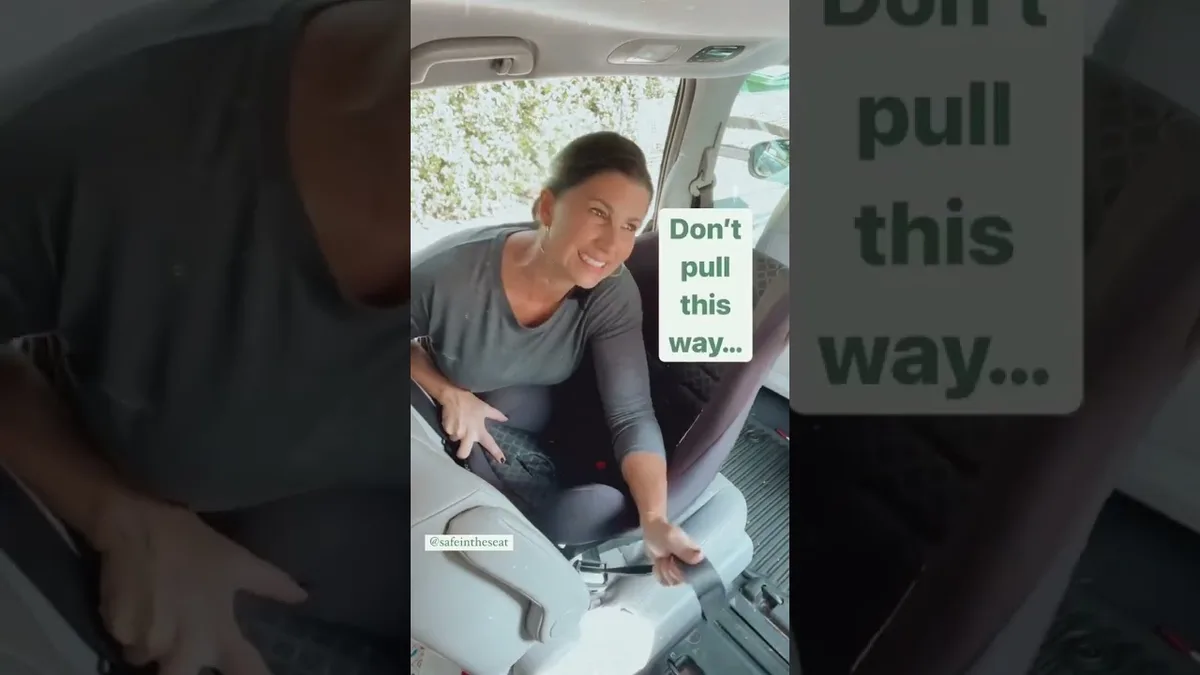
Loose installation is another critical issue. A properly installed seat should not move more than 1 inch side-to-side at the belt path. Use the LATCH system or seat belt, not both, unless your vehicle and seat manuals explicitly allow it.
The chest clip often sits too low or too high. It must be at armpit level to prevent internal injuries in a crash.
Ignoring expiration dates is surprisingly common. Most car seats expire after 6 to 10 years, depending on the manufacturer. The expiration date is usually molded into the plastic shell or printed on a label.
Never use a seat that’s been in a crash, even a minor one. The structural integrity may be compromised in ways that aren’t visible.
Ohio’s Legal Consequences for Non-Compliance
Ohio treats child restraint violations as a primary offense. That means police can pull you over solely for a child not being properly restrained. The fine for a first offense is up to $75.
There are no points assessed against your driver’s license for this violation.
Repeat offenses can result in higher fines, but the real cost is the risk to your child. In 2021, 608 child passengers under 13 died in U.S. car crashes. Of those, 38% were unrestrained.
Ohio’s law is designed to prevent these tragedies. The officer has the discretion to require you to obtain a proper car seat before driving away. Some departments may even provide a temporary seat if available.
Where to Get a Free Car Seat Inspection in Ohio
YouTube / First Time Father (YouTube thumbnail (fair-use with source credit))
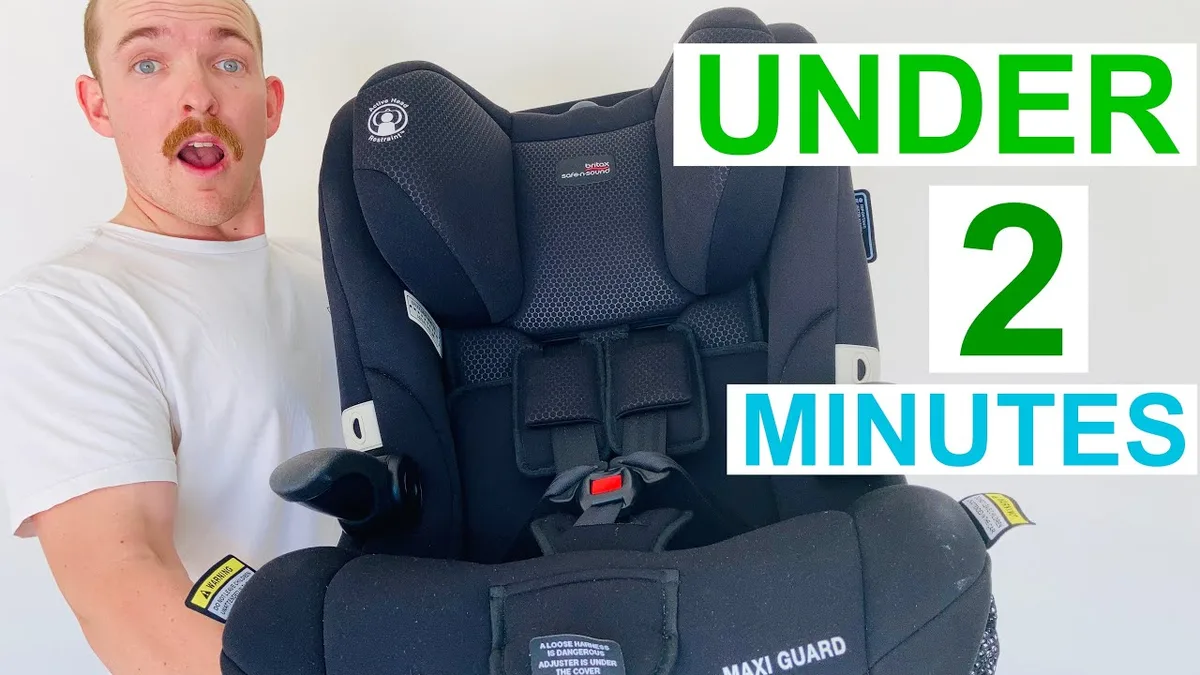
Certified Child Passenger Safety Technicians (CPSTs) offer free inspections across Ohio. These experts check your seat’s installation, harness fit, and expiration date. They can also demonstrate proper use.
Many fire departments and hospitals host regular car seat check events. The Ohio Department of Public Safety maintains a list of inspection stations.
You can also find a CPST through the Safe Kids Worldwide website. They have a searchable database of certified technicians. Some locations require appointments, while others offer walk-in service.
Bring your car seat manual and vehicle owner’s manual to the inspection. The technician will need both to verify proper installation.
Expert Tips for Maximum Safety
YouTube / ChildPassengerSafety (YouTube thumbnail (fair-use with source credit))
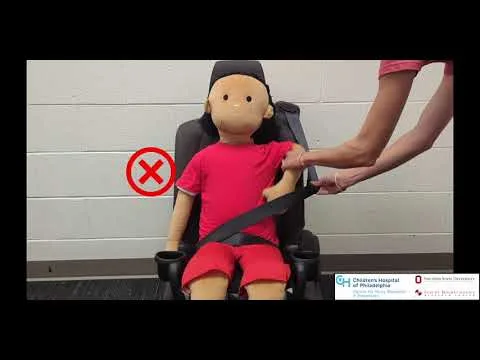
The 5-step test can help determine if your child is ready to move from a booster to a seat belt. Have your child sit all the way back in the seat. Their knees should bend at the edge of the seat.
The lap belt should sit low on the hips, not the stomach. The shoulder belt should cross the middle of the chest, not the neck. Your child should be able to sit comfortably like this for the entire trip.
Never place a rear-facing seat in the front passenger seat if there’s an active airbag. The force of an airbag deploying can cause serious injury or death to a rear-facing child. If you must use the front seat, deactivate the airbag first.
Keep all kids under 13 in the back seat whenever possible. NHTSA data shows the back seat is 40% safer for children in a crash.
In winter, avoid bulky coats in car seats. The extra padding can compress in a crash, creating dangerous slack in the harness. Instead, buckle your child in first, then drape a blanket over them.
If you’re using a coat, take it off, buckle the harness, then put the coat on backward over the straps.
Frequently Asked Questions
Can my 7-year-old use just a seat belt in Ohio?
No. Ohio law requires all kids under 8 or under 4'9" to use a booster seat. A 7-year-old must use a booster unless they’ve already reached 4'9" tall.
Even then, the seat belt must pass the 5-step fit test to be safe.
What's the fine for not using a car seat in Ohio?
The fine for a first offense is up to $75. There are no points added to your driving record. The real consequence is the risk to your child’s safety in a crash.
Are backless boosters legal in Ohio?
Yes, backless boosters are legal in Ohio for kids who meet the age or height requirements. However, high-back boosters provide better head and neck support for younger children. Always ensure the booster positions the seat belt correctly across your child’s hips and chest.
When can my child sit in the front seat in Ohio?
Ohio law doesn’t specify an age for front seat use. However, NHTSA recommends keeping all children under 13 in the back seat. The back seat is significantly safer for children in a crash.
If you must use the front seat, ensure the airbag is deactivated for rear-facing seats.
How do I know if my car seat is expired?
Check the label on the car seat’s plastic shell or the manual. Most seats expire 6 to 10 years after manufacture. The expiration date is usually molded into the plastic.
Never use an expired seat, as the materials may have degraded.
Do rideshares have to follow Ohio's car seat laws?
Yes. Ohio’s child restraint law applies to all passenger vehicles, including rideshares and taxis. However, many rideshare services don’t provide car seats.
Parents should bring their own appropriate restraint or use services that offer car seats.