The Oregon $65 registration fee for motorcycles and mopeds is a flat rate set by the state’s DMV for two-wheeled vehicles. It’s part of the mandatory process to legally ride on public roads, but it’s not the only cost you’ll encounter.
As of 2026, this fee applies to both motorcycles and mopeds, though additional charges like plate or title fees can push the total higher. Understanding what’s included, and what isn’t, helps avoid surprises at registration time.
Quick Answer
The Oregon $65 registration fee covers the base cost for motorcycles and mopeds. It’s valid for two years. Additional fees may apply for plates, titles, or late submissions.
The total depends on your vehicle type and registration status.

What the $65 Oregon Motorcycle & Moped Registration Fee Covers
This fee is the core charge for registering your two-wheeled vehicle with the Oregon DMV. It grants you legal permission to operate the bike on public roads for a two-year period.
The $65 does not include optional add-ons like specialty plates or title transfers. Note that mopeds and motorcycles share this base fee, but other costs can vary.
Who Actually Pays This Fee
Every owner of a motorcycle or moped in Oregon must pay this fee to register their vehicle. This includes new purchases, transfers from out of state, and renewals for existing registrations.
If you’re a new resident, you’ll pay this fee when transferring your out-of-state registration. Buyers of used bikes must also register under their name, which triggers the $65 charge.
How Oregon Defines Motorcycles vs. Mopeds for Registration
Oregon classifies motorcycles as vehicles with an engine displacement of 50cc or greater, capable of speeds over 30 mph. Mopeds typically have engines under 50cc and max speeds of 30 mph or less.
This distinction matters because it determines which rules apply. Both fall under the $65 fee, but insurance and equipment requirements can differ.

The Full Cost Breakdown (Not Just the $65)
| Fee Type | Cost | When It Applies |
|---|---|---|
| Base Registration | $65 | All motorcycles and mopeds |
| Plate Fee | $9 | New plates or replacements |
| Title Fee | $5 | New titles or transfers |
| Late Fee | $20+ | Expired registrations |
If you’re registering a used bike, you may also need a VIN inspection, which can add time and potential fees. Always check the Oregon DMV fee schedule for the latest updates.

Step-by-Step: How to Register Your Bike in Oregon
Start by gathering your documents: title, proof of insurance, and ID. If your bike is from out of state, you’ll need a VIN verification.
Next, choose your registration method. You can do it online via the DMV2U portal, in person at a DMV office, or by mail.
Pay the $65 fee plus any extras. You’ll receive your registration and plates by mail if you register online or by mail. In-person registrations often provide plates on the spot.
Required Documents—What You’ll Need Before You Start
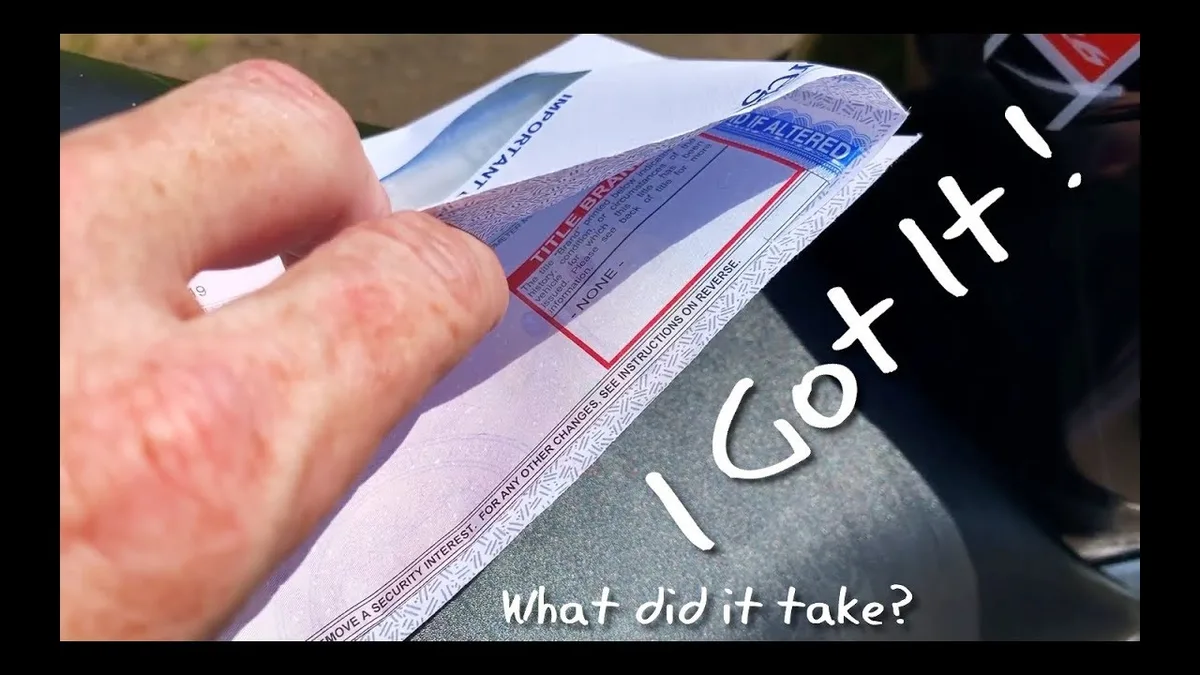
Oregon requires three core documents for every motorcycle and moped registration. You’ll need the signed title for the vehicle, or the manufacturer’s certificate of origin for new purchases.
Proof of valid Oregon-compliant insurance is non-negotiable. The DMV will reject your application without it. A government-issued photo ID, like a driver’s license or state ID, confirms your identity for the registration record.
If you’re transferring an out-of-state bike, you’ll also need your current out-of-state registration and a completed VIN verification form.
Where to Register: Online, In-Person, or by Mail
Online registration through the official DMV2U portal is the fastest option for most riders. You’ll upload digital copies of your documents, pay the $65 fee plus any extras with a credit or debit card, and receive your registration by mail in 7 to 10 business days.
In-person visits to a local DMV office are best for complex cases. If you have a salvage title, need specialty plates, or want your plates issued immediately, an in-person visit resolves issues faster. Most offices issue standard plates on the spot for in-person registrations.
Mail registration is only recommended if you don’t have reliable internet access. You’ll need to send physical copies of all your documents, a signed check or money order, and a self-addressed stamped envelope for your registration to be returned. Processing takes 2 to 4 weeks, and cash is never accepted for mail submissions.
Late Fees and Penalties (And How to Avoid Them)

Oregon charges a $20 late fee for registrations expired 31 days or longer. The fee jumps by $10 for every additional 30 days your registration remains expired.
If you’re pulled over with a registration expired more than 90 days, you’ll also get a traffic ticket that adds court costs on top of the late fees.
New residents have a 30-day window to register their out-of-state bike after moving to Oregon. Missing that deadline triggers the same late fees as an expired renewal. The easiest way to avoid penalties is to sign up for free text or email alerts through the DMV2U portal.
Common Mistakes That Delay or Block Registration
The most frequent registration rejection comes from misclassifying your vehicle. If you list a moped as a motorcycle, or a motorcycle as a moped, the DMV will send your application back for correction.
Missing or invalid proof of insurance is the second most common error. The DMV requires active coverage meeting Oregon’s minimum liability limits.
Out-of-state transfers often stall because of incomplete VIN verification. You need to get the VIN checked by an authorized inspector before you submit your paperwork.
Damaged or incorrect titles also cause avoidable delays. If your title is torn, faded, or has typos in the VIN or owner name, the DMV will ask you to request a replacement from the previous state’s DMV first.
Oregon’s Insurance Requirements for Two-Wheeled Vehicles
Oregon law requires all street-legal motorcycles and mopeds to carry minimum liability insurance matching the state’s passenger vehicle requirements. The minimum coverage is $25,000 per person for bodily injury, $50,000 per accident for bodily injury, and $20,000 for property damage.
You’ll need to show proof of insurance at registration, either a physical card or digital proof from your insurance provider. Oregon law also requires you to keep proof of insurance on you when you ride.
If your insurance lapses at any point, the DMV is notified automatically, and your registration will be suspended until you provide proof of active coverage.
Out-of-State Transfers: Extra Steps for New Residents
New Oregon residents must register their motorcycle or moped within 30 days of establishing residency. This means you’ll need to visit a DMV office in person for the initial transfer, online registration isn’t available for out-of-state vehicles.
You’ll need to pass a VIN inspection, which can be done at most DMV offices or by an authorized inspector. Bring your out-of-state title, current registration, and proof of insurance. Oregon doesn’t honor out-of-state registrations, so you’ll pay the full $65 fee plus any additional charges.
FAQs About Oregon’s Motorcycle & Moped Registration
Do I need a title to register my motorcycle in Oregon?
Yes, Oregon requires a title for all motorcycles and mopeds. If you don’t have one, you’ll need to apply for a bonded title or contact the previous owner to transfer ownership properly.
Can I register my motorcycle online if it’s from out of state?
No, out-of-state transfers must be done in person at a DMV office. You’ll need a VIN verification and physical inspection of your documents.
How long does it take to get my registration in the mail?
Online and mail registrations typically take 7 to 10 business days. In-person registrations often provide plates immediately, with registration documents arriving by mail within the same timeframe.
What happens if I ride without registration?
Riding an unregistered motorcycle or moped in Oregon can result in a traffic citation. You’ll also face late fees when you eventually register, and repeated offenses may lead to higher penalties.
Is the $65 fee the same for all two-wheeled vehicles?
Yes, the base registration fee is $65 for both motorcycles and mopeds. However, additional fees for plates, titles, or late submissions can vary.
What if my motorcycle doesn’t have a title?
You’ll need to apply for a bonded title through the Oregon DMV. This requires a surety bond equal to the vehicle’s value and a completed application. The process can take 4 to 6 weeks, so start early if you plan to register soon.
Can I register a motorcycle with a salvage title?
Yes, but you’ll need to provide additional documentation. This includes a completed salvage title application and proof of repairs if the bike was rebuilt. The DMV may require an inspection before approving registration.
Salvage titles often come with restrictions, so check with the DMV about any limitations on use or resale. Some rebuilt bikes may need a separate inspection to confirm they meet safety standards.
If your bike was previously totaled, you’ll need to submit a completed Form 735-226 (Application for Salvage Title) along with your repair receipts. The DMV will then determine if the vehicle qualifies for a rebuilt title before registration can proceed. This inspection typically costs between $20 and $50 at approved stations.
Once approved, you’ll receive a rebuilt title and can then register the motorcycle with the standard $65 fee.
The rebuilt title process ensures your bike meets Oregon’s safety standards. Without it, you won’t be able to legally register or ride the motorcycle on public roads.
This is especially important for salvage vehicles, as they may have structural or mechanical issues that need verification. Always confirm with the DMV that your rebuilt bike meets all requirements before attempting to register.
The DMV provides a list of approved inspection stations on their website. You can also call your local office for guidance on the rebuilt title process.
When to Double-Check With the DMV Directly
Most standard registrations go through without a hitch, but certain situations are worth confirming with DMV staff directly before you submit paperwork. If you’re dealing with a salvage or rebuilt title, an out-of-state transfer with incomplete documentation, or a request for specialty plates, a quick call or in-person visit can save you weeks of delay.
DMV representatives can confirm exact fee amounts, vehicle classification rules, and processing timelines on the spot. Waiting to resolve uncertainties after submitting your application will only extend the wait time for your registration.