Oregon mandatory liability insurance minimum 25/50/20 coverage limits are the legal baseline every driver in the state must carry. Without it, you risk fines, license suspension, or financial ruin if you cause an accident.
As of 2026, Oregon requires $25,000 in bodily injury coverage per person, $50,000 per accident, and $20,000 for property damage. These numbers are just the starting point, many drivers need more.
Quick Answer
Oregon mandatory liability insurance minimum 25/50/20 coverage limits mean $25k per person for bodily injury. $50k total per accident for bodily injury. $20k for property damage per accident. These are the legal minimums to drive in Oregon.
Why Getting Oregon’s 25/50/20 Liability Limits Right Is Non-Negotiable
Oregon’s Financial Responsibility Law requires proof of liability insurance to register or drive a vehicle. If you’re at fault in a crash, these limits determine how much your insurer pays for others’ injuries or property damage.
Without proper coverage, you’re personally on the hook for costs beyond your policy’s limits. Medical bills and repair costs can easily exceed the state minimum, leading to lawsuits or financial hardship.
What Oregon’s 25/50/20 Liability Minimum Actually Covers
The 25/50/20 split covers three distinct scenarios. The first number ($25,000) is the maximum your insurer pays for one person’s bodily injury in an accident you cause. The second ($50,000) is the total payout for all bodily injuries per accident, regardless of how many people are hurt.
The third number ($20,000) covers property damage you cause to others’ vehicles or property. This does not include damage to your own car or injuries to you or your passengers.

The 25/50/20 Limit Breakdown
| Coverage Type | Per Person Limit | Per Accident Limit | What It Covers |
|---|---|---|---|
| Bodily Injury | $25,000 | $50,000 | Medical expenses, lost wages, pain and suffering for others |
| Property Damage | N/A | $20,000 | Repairs or replacement for others’ property |
Oregon’s Legal Auto Insurance Rules Beyond the 25/50/20 Minimum
Oregon also requires uninsured motorist (UM) coverage unless you reject it in writing. The default UM limits match your liability limits, so 25/50 for bodily injury if you carry the state minimum.
You must carry proof of insurance at all times, either digitally or as a paper card. Oregon DMV verifies coverage randomly through insurers. Driving without valid insurance triggers penalties.
Required Uninsured Motorist (UM) Coverage in Oregon
UM coverage protects you if an at-fault driver has no insurance or not enough to cover your damages. Oregon mandates this unless you sign a waiver. Rejecting it leaves you vulnerable in accidents with uninsured drivers.
What Happens If You Only Carry Oregon’s 25/50/20 Minimum Limits
If you cause an accident with serious injuries, $25,000 per person may not cover all medical bills. A single hospital stay for a severe injury can exceed $50,000, leaving you responsible for the difference.
Property damage claims can also surpass $20,000, especially if multiple vehicles or structures are involved. In these cases, you could face lawsuits to recover the remaining costs.
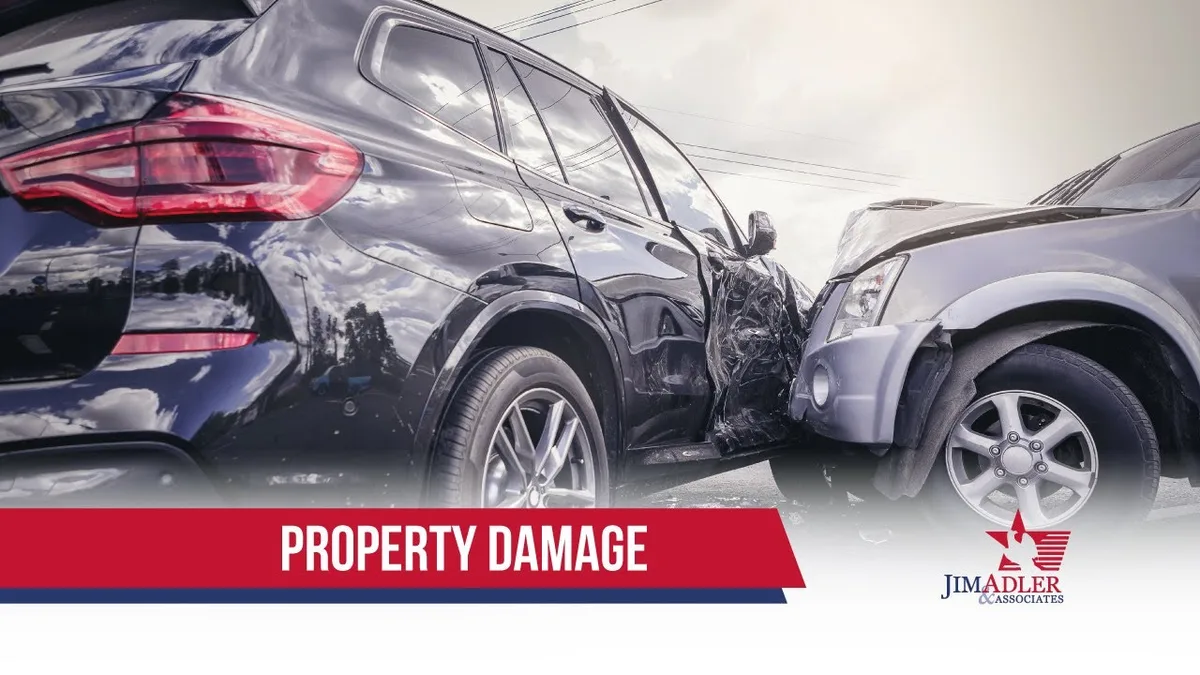
Real-World Scenarios Where 25/50/20 Leaves You On the Hook
- A multi-car pileup where total property damage exceeds $20,000
- A single passenger’s medical bills hit $40,000 after a severe injury
- An accident involving a luxury vehicle where repairs cost more than $20,000
How to Decide If Oregon’s 25/50/20 Minimum Is Enough For You
Start by assessing your assets. If you own a home, savings, or other valuable property, the state minimum likely won’t protect you in a serious accident.
Consider your risk exposure. Urban drivers in Portland or Eugene face higher accident rates and repair costs than rural drivers.
When the State Minimum Is Sufficient
The 25/50/20 limits may work if you have minimal assets to protect. They also suit drivers with very low risk tolerance who rarely drive or own older vehicles.
When You Should Upgrade Your Oregon Liability Limits
Increase your limits if you have significant savings, a mortgage, or other assets. Higher limits are also wise if you frequently drive in high-traffic areas or transport passengers regularly.
Step-by-Step Guide to Meeting Oregon’s Liability Insurance Requirements
First, purchase a policy that meets or exceeds the 25/50/20 limits. Most insurers offer this as a standard option.
Next, provide proof of insurance to the Oregon DMV when registering your vehicle. You can show this digitally or as a printed card.

If You’re a New Oregon Driver Registering a Vehicle
You’ll need to show proof of insurance before completing registration. The DMV will verify your coverage electronically with your insurer.
If You’re Moving to Oregon From Another State
You have 30 days to update your policy to meet Oregon’s minimums. Your out-of-state coverage may not transfer automatically.
If You’ve Had a Lapse in Coverage or Need an SR-22
A lapse triggers penalties, including fines and license suspension. To reinstate, you’ll need to file an SR-22 form through your insurer, proving future coverage.
Common Oregon Liability Insurance Mistakes That Lead to Fines or Coverage Gaps
Many drivers assume the state minimum is enough. In reality, it often falls short in serious accidents.
Others forget to update their policy after moving to Oregon. Driving with out-of-state minimums can result in penalties.
Some drivers let their coverage lapse between policies. Even a one-day gap can lead to fines or suspension.
Penalties for Non-Compliance With Oregon’s Liability Insurance Rules
Driving without insurance in Oregon carries a fine of $130 to $1,000. The exact amount depends on the circumstances and prior offenses.
Your license and registration may be suspended until you provide proof of insurance. You’ll also need to pay reinstatement fees.

Fines, License Suspension, and SR-22 Requirements for Uninsured Drivers
First-time offenders typically face a $130 fine. Repeat offenses or accidents while uninsured can lead to higher penalties.
An SR-22 filing may be required for high-risk drivers. This form proves you carry the minimum liability coverage and is filed by your insurer.
Oregon 25/50/20 Minimum vs. Higher Liability Limit Options
The state minimum is the cheapest option, but it offers the least protection. Higher limits provide more financial security in serious accidents.
Side-by-Side: 25/50/20 vs. 50/100/50 vs. 100/300/100 Liability Limits
| Coverage Limits | Bodily Injury Per Person | Bodily Injury Per Accident | Property Damage | Best For |
|---|---|---|---|---|
| 25/50/20 | $25,000 | $50,000 | $20,000 | Drivers with minimal assets and low risk |
| 50/100/50 | $50,000 | $100,000 | $50,000 | Most drivers with moderate assets |
| 100/300/100 | $100,000 | $300,000 | $100,000 | High-net-worth individuals or those with significant assets |

Frequently Asked Questions
What does 25/50/20 mean in Oregon car insurance?
It means $25,000 bodily injury coverage per person, $50,000 total bodily injury per accident, and $20,000 property damage per accident. These are Oregon’s minimum legal requirements for liability insurance.
Is Oregon a no-fault state for car insurance?
No, Oregon is an at-fault state. The driver who causes the accident is responsible for damages. Your liability insurance covers the other party’s costs if you’re at fault.
Do I need uninsured motorist coverage in Oregon?
Yes, unless you reject it in writing. Oregon requires uninsured motorist (UM) coverage by default, with limits matching your liability coverage.
How much does minimum liability insurance cost in Oregon?
The average cost for minimum liability coverage in Oregon is about $500 to $800 per year. Rates vary based on your driving record, age, location, and insurer.
What happens if I drive without insurance in Oregon?
You’ll face fines from $130 to $1,000, license suspension, and possible vehicle impoundment. You’ll also need to file an SR-22 to reinstate your license.
Can I use my out-of-state insurance in Oregon?
You have 30 days to update your policy to meet Oregon’s minimums after moving. After that, you must comply with Oregon’s insurance laws.