Oregon’s distracted driving law and handheld device prohibition exist to cut down on preventable crashes, and the rules are stricter than many drivers realize. If you’re holding your phone while behind the wheel, even at a stoplight, you’re breaking the law.
As of 2026, Oregon’s statute (ORS 811.507) makes it a primary offense, meaning police can pull you over for this alone. The state reports roughly 1,000 distracted-driving crashes each year, and the fines start at $265.
Quick Answer
Oregon’s distracted driving law bans holding a phone or any handheld device while driving. Hands-free use is allowed with one-touch activation. First-time fines are $265.
The law applies to all drivers on public roads.
The Quick Answer: Can You Hold Your Phone While Driving in Oregon?
No. Oregon’s law explicitly prohibits holding a phone or any mobile device while operating a vehicle, even when stopped at a red light or in traffic.

This includes texting, browsing, or using apps. The only exceptions are for hands-free calls or GPS navigation activated with a single touch. Emergency calls to 911 are also permitted.
What’s Banned (and What’s Still Legal) Under Oregon’s Handheld Device Law
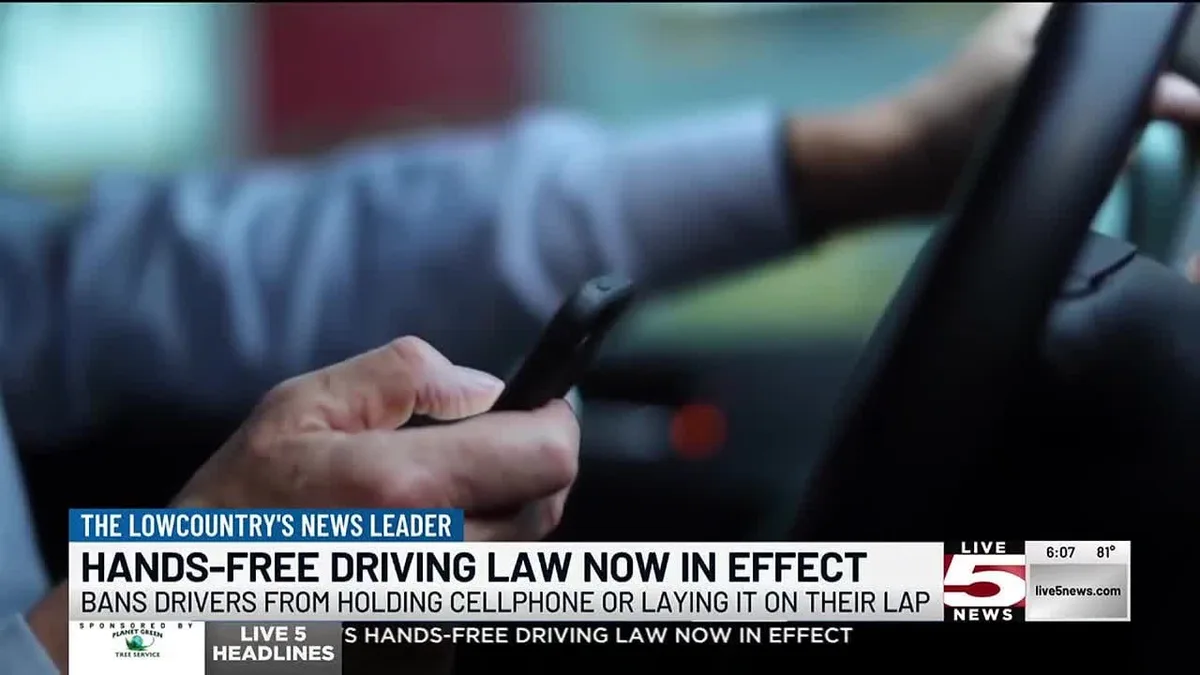
Oregon’s law targets any manual use of a mobile device. This means no holding, scrolling, or typing while driving.
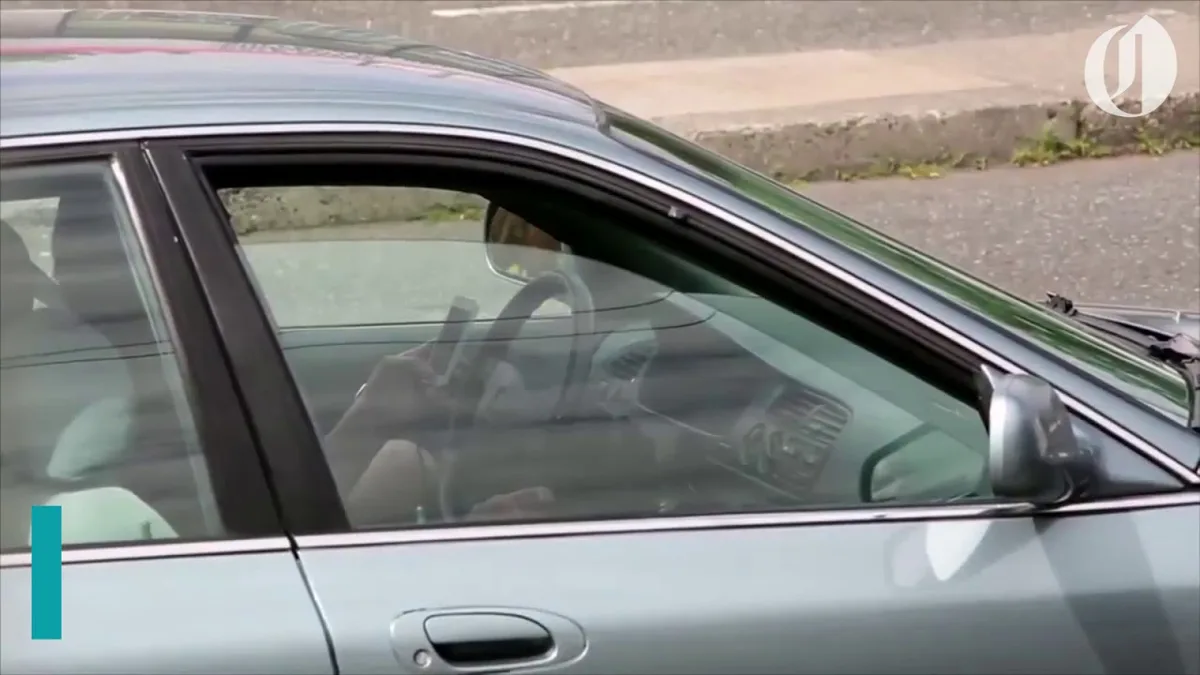
Banned actions:
- Holding a phone to talk, text, or browse
- Watching videos or using social media
- Manually entering GPS directions while moving
Allowed actions:
- Hands-free calls via Bluetooth or voice commands
- Single-touch activation for GPS or music
- Using a phone mounted on the dashboard (as long as you’re not holding it)
The law applies to all handheld devices, not just phones. Tablets, laptops, and gaming consoles are also covered.
How Oregon’s Law Compares to Other States
Oregon’s distracted driving law is stricter than some neighboring states. In Washington, for example, holding a phone at a stoplight is technically allowed, though not recommended.
In California, the law is similar to Oregon’s, but there’s no age-based restriction like Oregon’s under-18 ban on all phone use. Oregon’s approach is more comprehensive, targeting both handheld and certain hands-free uses for younger drivers.
For commercial drivers, federal FMCSA rules apply nationwide, banning all handheld device use. Oregon’s state law aligns with this, but adds its own penalties for violations.
The Exact Fines and Penalties You’re Risking
Oregon’s penalties for distracted driving escalate with repeat offenses. The first violation carries a $265 fine, with no points added to your driving record.
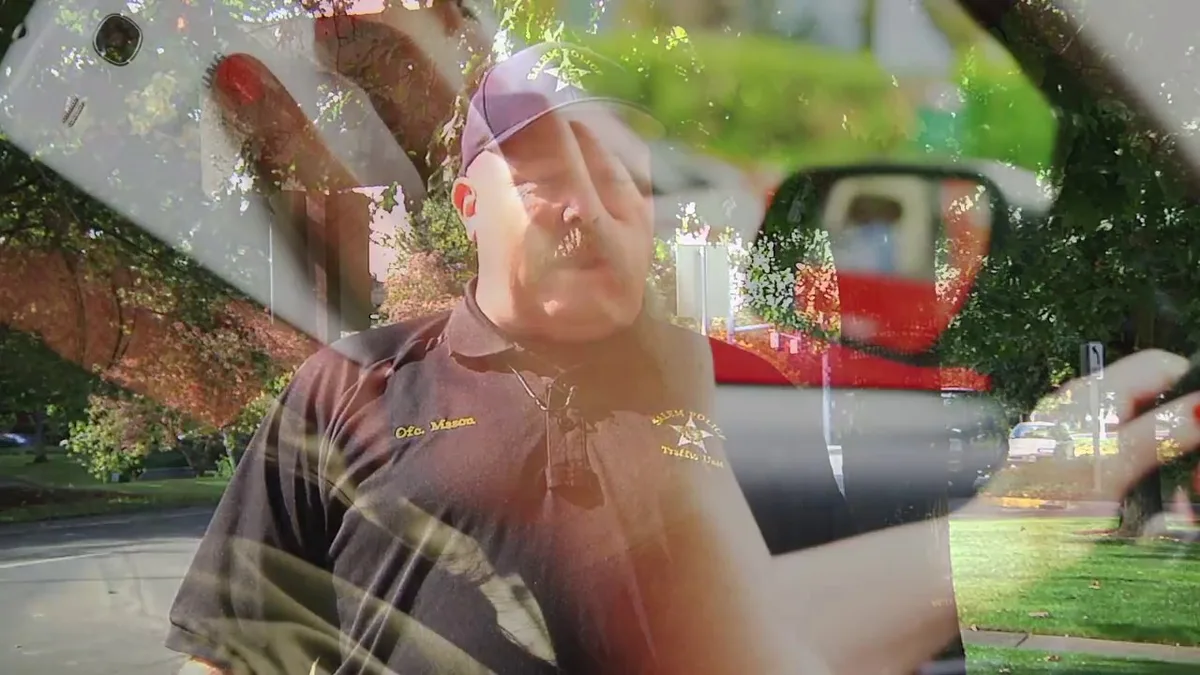
A second offense within 10 years jumps to $440. A third offense can result in a $2,000 fine and potential license suspension.
These fines are separate from any civil liability if a crash occurs. Insurance premiums can also increase after a citation. For commercial drivers, violations may lead to disqualification under federal regulations.
For more details, you can review the full penalties on the Oregon DMV website.
Who Has to Follow the Strictest Rules (Teen Drivers, Commercial Drivers, Cyclists)
Oregon’s law applies to all drivers, but some groups face additional restrictions.
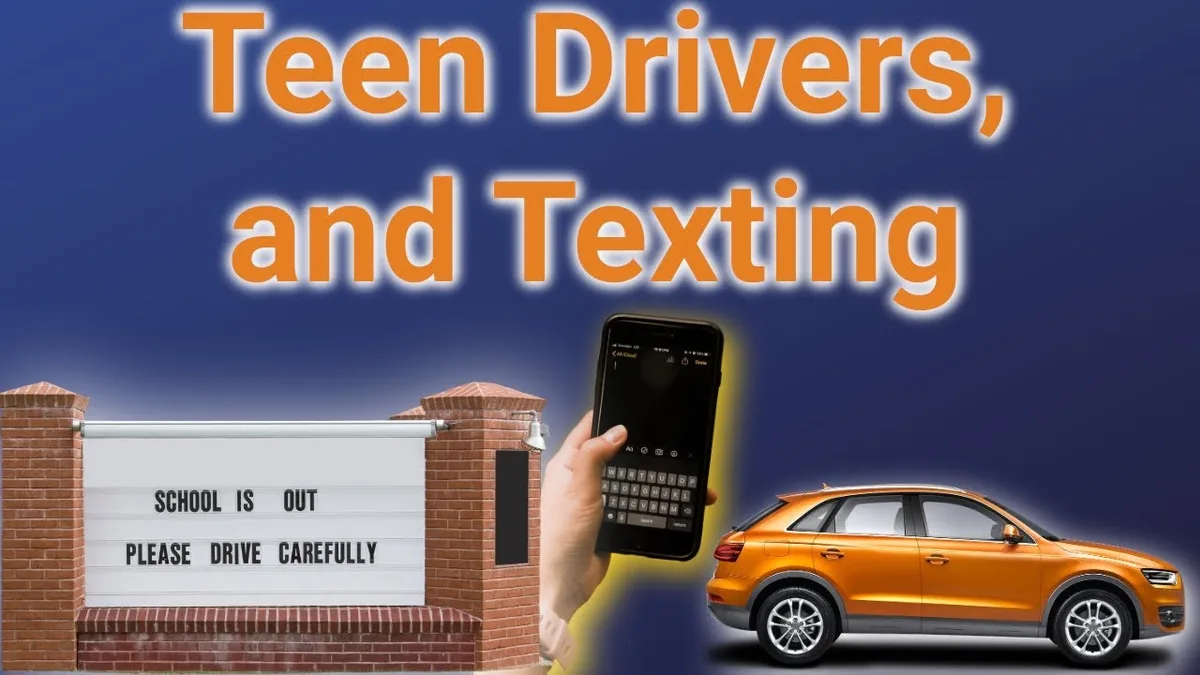
Drivers under 18 are prohibited from any phone use, including hands-free. This means no calls, texting, or GPS use, even with Bluetooth. The restriction applies to permit holders and licensed teens alike.
Commercial drivers must follow both Oregon’s law and federal FMCSA regulations. The federal ban on handheld devices is absolute, with no exceptions for stops or traffic. Violations can lead to disqualification from operating commercial vehicles.
Cyclists are also subject to Oregon’s distracted driving law. Since bicycles are considered vehicles under state law, using a handheld device while cycling can result in the same fines as for motorists.
Hands-Free vs. Handheld: How to Stay Legal Without Getting Pulled Over
The key difference is whether you’re physically holding the device. Oregon’s law prohibits any manual use of a phone or tablet while driving.
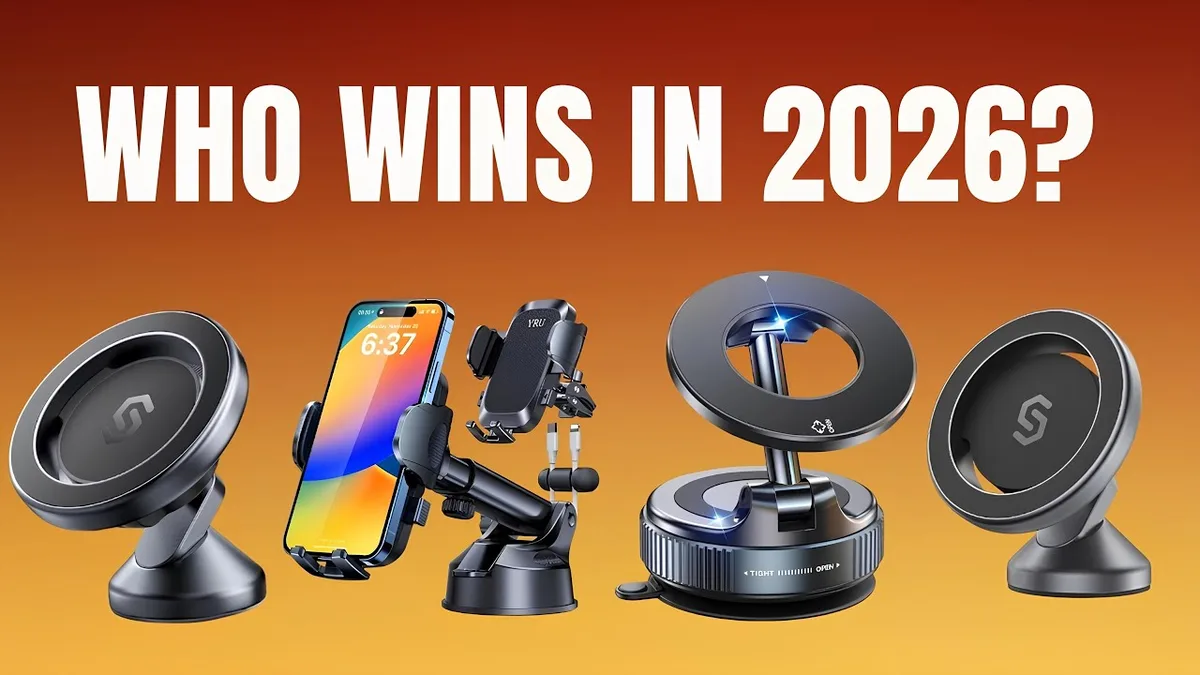
Legal hands-free setups include:
- Bluetooth-connected calls through your car’s audio system
- Voice-activated commands (e.g., "Hey Siri" or "OK Google")
- Phone mounted on the dashboard with single-touch GPS activation
Illegal actions that still get you ticketed:
- Holding the phone to your ear for a call
- Typing a text or scrolling through apps at a stoplight
- Watching videos or using social media, even hands-free
If you need to use your phone, pull over safely to a legal parking spot first. Even a quick glance at your screen can be enough for an officer to issue a citation.
Common Mistakes That Still Get You a Ticket
Many drivers assume they know the rules, but small missteps still lead to citations. The most common error is thinking handheld use is allowed at a stoplight. Oregon law applies whenever you are operating a vehicle, including when stopped in traffic or at a red light.
Another frequent mistake is abusing the single-touch rule. You may activate GPS or music with one touch, but scrolling through playlists or entering multiple addresses counts as manual input. That is illegal.
Teen drivers often assume hands-free calls are allowed under their restrictions. That is wrong. Drivers under 18 cannot use any mobile device, hands-free or not, while behind the wheel.
Cyclists also make this error, assuming the law only applies to motor vehicles. Oregon classifies bicycles as vehicles, so handheld use while cycling carries the same fine. Out-of-state drivers often forget Oregon’s rules apply the second they cross the border, no matter what their home state allows.
What to Do If You’re Pulled Over for Using Your Phone
If an officer stops you for suspected handheld device use, stay calm. Roll down your window fully and provide your license, registration, and proof of insurance when asked.
Do not argue with the officer on the side of the road. You can contest the ticket in court later if you believe it was issued in error. If you claim an emergency exception, you will need to provide proof of that emergency in court.
You have 30 days from the citation date to respond, either by paying the fine or requesting a court hearing. Ignoring the ticket will lead to additional penalties, including a license suspension. Full citation response guidelines are available on the Oregon State Police website.
Real-World Scenarios: Is This Allowed or Not?
These common scenarios clarify how Oregon’s law applies in everyday situations. Use this quick reference to avoid accidental violations.
| Scenario | Legal? | Reason |
|---|---|---|
| Holding your phone to check a map at a red light | No | You are still operating the vehicle, and holding a device is banned |
| Using a mounted phone with voice commands for GPS | Yes | Hands-free use with no manual input is permitted |
| A 17-year-old using Bluetooth to take a hands-free call | No | Drivers under 18 face a total ban on all mobile device use |
| A delivery driver using a handheld scanner while driving | No | Handheld electronic devices are covered under the law, even for work purposes |
| A cyclist checking a text message at a stop sign | No | Bicycles are classified as vehicles under Oregon law |
Why Oregon’s Law Matters for Safety
Distracted driving is a leading cause of crashes in Oregon. The state’s law targets the most dangerous behavior: manual phone use while operating a vehicle.
Research from the NHTSA shows distracted driving kills about 3,000 people nationwide each year. Oregon’s ODOT reports nearly 1,000 distracted-driving crashes annually. These incidents are preventable with proper focus on the road.
The law isn’t just about fines. It’s about reducing injuries and saving lives. Even a few seconds of distraction can lead to a fatal crash.
Expert Tips to Stay Compliant
Set up your phone before you start driving. Mount it on the dashboard and activate GPS with a single touch.
Use voice commands for calls and navigation. Avoid any manual input while the vehicle is in motion.
If you need to use your phone, pull over to a safe, legal spot. Even a quick glance can be enough for an officer to issue a citation.
For teen drivers, remember the total ban on phone use. No hands-free, no exceptions until you turn 18.
Where to Check for Updates and Official Sources
Oregon’s distracted driving laws can change. Always check the latest information from official sources.
The Oregon DMV website provides current rules and penalties. You can also find updates on the Oregon State Police site.
For commercial drivers, the FMCSA website outlines federal regulations. These apply in addition to Oregon’s state laws.
Frequently Asked Questions
Can I use my phone in a drive-thru or parking lot?
No. Oregon’s law applies on all public roads, including drive-thrus and parking lots. The only exception is if you’re fully parked in a legal spot with the engine off.
What if I’m using my phone as a GPS?
You can use GPS, but only if the phone is mounted and activated with a single touch. Manually entering addresses while driving is illegal.
Do passengers have the same restrictions?
No. Oregon’s law only applies to the driver. Passengers can use handheld devices without restriction.
Can I get points on my license for a distracted driving ticket?
No. First and second offenses carry fines but no license points. A third offense within 10 years may result in license suspension.
Does Oregon’s law apply to out-of-state drivers?
Yes. All drivers on Oregon roads must follow the state’s distracted driving laws, regardless of where their license was issued.