Oregon uninsured motorist coverage requirements and penalties trip up even careful drivers who assume their standard policy covers every worst-case scenario. Roughly 14% of Oregon drivers lack any insurance as of 2026, per the Oregon Department of Transportation, so the risk of hitting an uninsured motorist is far higher than many realize. That gap leaves you paying out of pocket for bills if the at-fault driver has no coverage to pay.
Oregon law requires all drivers to carry minimum UM/UIM coverage matching the state's liability limits, but the rules around what counts as compliant, and what penalties apply for noncompliance, are easy to misinterpret. We’re breaking down what you’re required to carry, what happens if you drop the ball, and how to avoid costly mistakes that lead to denied claims or suspended licenses.

Quick Answer
Oregon requires all drivers to carry uninsured motorist (UM) coverage. Minimum limits match the state's $25k per person, $50k per accident bodily injury requirement. Penalties for driving without insurance start at $130 in fines plus license suspension.
UM coverage pays for your injuries and damages if an at-fault driver has no insurance. You must carry proof of insurance in your vehicle at all times.
What Oregon’s Uninsured Motorist Coverage Actually Means for You
Uninsured motorist (UM) coverage is the part of your auto insurance policy that pays for your medical bills, lost wages, and property damage if you’re hit by a driver with no insurance. Oregon also requires underinsured motorist (UIM) coverage, which kicks in if the at-fault driver has liability limits lower than your total damages from the crash. Both types of coverage act as a safety net in Oregon’s at-fault insurance system, where the driver who causes a crash is financially responsible for all related costs.
As of 2026, Oregon remains one of just over 20 states that require both UM and UIM coverage for all drivers, and most policies bundle the two together so you won’t have to buy them separately. If the at-fault driver has no insurance or flees the scene, UM coverage covers your costs up to your policy limits. UIM coverage fills the gap if the at-fault driver’s liability insurance isn’t enough to cover your medical bills or car repairs.
Oregon’s UM/UIM Requirements in Plain Terms
Oregon’s UM and UIM coverage rules are outlined in ORS 742.502, which mandates that all auto insurance policies sold in the state include both types of coverage at minimum limits matching the state’s liability requirements. You cannot opt out of UM or UIM coverage in Oregon, even if you request a lower premium in exchange for reduced protection. The Oregon Insurance Division confirms that policies that exclude UM/UIM coverage do not meet state legal standards for drivers.
The coverage applies to all standard passenger vehicles, motorcycles, and most commercial vehicles registered for personal use in the state. If you’re a new Oregon resident, you’ll need to show proof of UM/UIM coverage when you register your vehicle with the DMV, just like you would for standard liability insurance.
Why Uninsured Motorist Coverage Is Mandatory in Oregon
Oregon’s decision to make UM and UIM coverage mandatory comes down to the state’s high uninsured driver rate and its at-fault insurance framework. Oregon’s uninsured driver rate hovers between 12% and 15% as of 2026, well above the national average of roughly 10%. In an at-fault system, the driver who causes a crash is responsible for all resulting damages.
If that driver has no insurance, the victim has no path to compensation unless they have their own UM coverage.
Mandating UM/UIM coverage ensures that drivers who follow the law aren’t left paying out of pocket for crashes caused by people who ignore insurance requirements. It also reduces the burden on the state’s court system, as victims don’t need to sue uninsured at-fault drivers to recover costs they can’t afford.
Oregon’s Minimum UM/UIM Limits (And Why They Might Not Be Enough)
Oregon’s minimum UM and UIM coverage limits are identical to the state’s minimum liability requirements. These minimums are:
| Coverage Type | Oregon Minimum Limit |
|---|---|
| Bodily injury per person | $25,000 |
| Bodily injury per accident | $50,000 |
| Property damage per accident | $20,000 |
These limits are the absolute lowest you’re allowed to carry, but they rarely cover the full cost of a serious crash. A single night in an Oregon hospital costs roughly $3,200 on average, per Oregon Health Authority data, and a severe injury like a broken pelvis or traumatic brain injury can run into hundreds of thousands of dollars in total medical costs. If your damages exceed your policy limits, you’ll have to pay the difference out of pocket, even if the other driver was 100% at fault.
Most insurance experts recommend carrying UM/UIM limits of at least $100,000 per person and $300,000 per accident to cover worst-case scenarios. You can also add medical payments coverage to your policy as a low-cost add-on to cover smaller medical bills without dipping into your UM/UIM limits.
What’s Covered Under Oregon UM/UIM Insurance
UM coverage in Oregon applies to any crash where the at-fault driver has no insurance, or flees the scene without providing contact or insurance information. UIM coverage applies when the at-fault driver has insurance, but their liability limits are lower than your total damages from the crash. Both types of coverage cover the same core costs, including:
- Medical and dental bills for you and your passengers
- Lost wages if you’re unable to work after the crash
- Costs for ongoing medical care like physical therapy
- Pain and suffering damages, in some cases
- Property damage to your vehicle, up to your policy limits
- Funeral and burial costs if the crash results in a fatality
UM coverage also applies to hit-and-run crashes in Oregon, as long as you report the crash to police within 24 hours and file a claim with your insurer promptly.
What’s Not Covered by UM/UIM in Oregon
UM and UIM coverage won’t pay for damage to the at-fault driver’s vehicle or injuries they sustain. It also excludes intentional damage, like if someone deliberately rams your car. If you’re driving for a rideshare company at the time of the crash, your personal UM/UIM may not apply until the company’s commercial policy limits are exhausted.
Another common exclusion is accidents involving vehicles you own but didn’t insure. If you’re driving a borrowed car that isn’t on your policy, your UM/UIM coverage typically won’t extend to that vehicle.
Step-by-Step: What to Do After a Crash with an Uninsured Driver
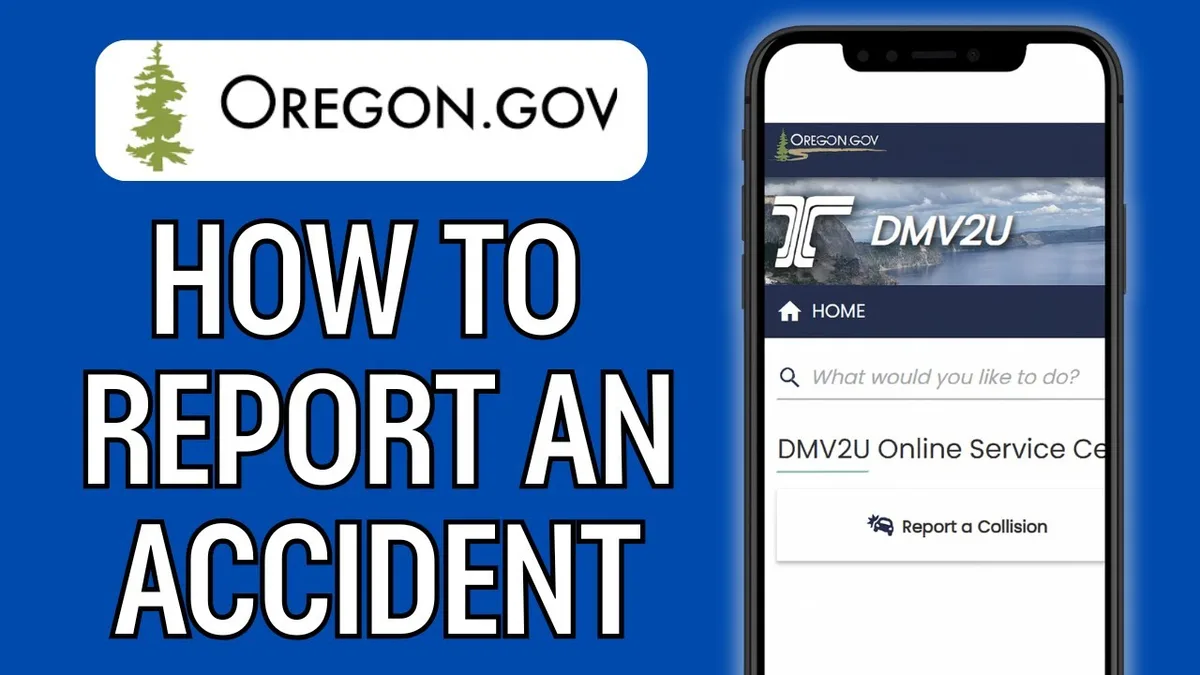
Call 911 immediately to report the accident, even if it seems minor. Police reports are critical for UM/UIM claims, especially in hit-and-run cases. Oregon law requires you to report any crash with injuries, deaths, or damage over $2,500 to the DMV within 72 hours.
Exchange information with the other driver if they stop, but don’t admit fault. Get their name, contact info, license plate, and insurance details if available. If they’re uninsured, note that in your police report.
Notify your insurance company as soon as possible, even if you’re not at fault. Most policies require prompt reporting for UM/UIM claims. Provide your insurer with the police report, photos of the damage, and any witness statements you collected.
Oregon Penalties for Driving Without Insurance (Fines, Suspensions, SR-22)
Driving without insurance in Oregon triggers immediate penalties under ORS 809.415. The first offense carries a minimum $130 fine, but courts can impose up to $1,000. Your license and registration will be suspended until you provide proof of insurance and pay a $75 reinstatement fee.

Repeat offenses escalate quickly. A second violation within five years can result in higher fines and longer suspension periods. You’ll also need to file an SR-22 certificate, which is a high-risk insurance form that proves you have the state’s minimum coverage.
The SR-22 requirement typically lasts three years from the date of your first suspension. During this period, any lapse in your insurance will trigger another suspension. You’ll pay higher premiums for high-risk coverage, often double or triple standard rates.
Stacking vs. Non-Stacking UM/UIM: Which Should You Choose?
Stacking allows you to combine UM/UIM coverage limits from multiple vehicles on the same policy. If you have two cars each with $50,000 in UM coverage, stacking would give you $100,000 in total coverage for a single claim. This option costs more but provides significantly higher protection.
Non-stacking keeps your coverage limit at the amount specified for the vehicle involved in the accident. It’s cheaper but leaves you with less protection in severe crashes. Most Oregon insurers offer both options, so you’ll need to weigh the cost difference against your risk tolerance.
Stacking is particularly valuable for households with multiple vehicles or high net worth. If you frequently drive with passengers or in high-risk areas, the extra protection may be worth the additional premium.
UM/UIM vs. PIP vs. Liability: How They Work Together in Oregon
Oregon requires three distinct types of auto insurance coverage. Liability covers damage you cause to others. PIP covers your own medical expenses regardless of fault.
UM/UIM covers your expenses when the at-fault driver has no or insufficient insurance.

Here’s how they interact in a typical crash scenario:
| Coverage Type | Pays For | When It Applies |
|---|---|---|
| Liability | Other party’s injuries/damage | You’re at fault |
| PIP | Your medical bills | Any crash, regardless of fault |
| UM | Your injuries/damage | Other driver is at fault and uninsured |
| UIM | Your injuries/damage | Other driver is at fault and underinsured |
PIP is mandatory in Oregon and covers your medical expenses up to your policy limit, usually $15,000. It often includes lost wages and other out-of-pocket costs. UM/UIM kicks in after PIP benefits are exhausted if the other driver lacks sufficient coverage.
Common Mistakes That Get UM/UIM Claims Denied
Waiting too long to report the accident is a top reason for claim denials. Most Oregon insurers require notification within 24 to 48 hours of a crash with an uninsured driver. Failing to call the police at the scene can also sink your claim, especially for hit-and-run cases where you need an official report to prove the other driver was uninsured.
Another frequent issue is not collecting enough evidence. Without photos of the damage, witness statements, or the other driver’s information, your insurer may struggle to verify your claim.
How to Check if Your Oregon Policy Meets the Legal Requirements
Review your declarations page, which is the first page of your insurance policy. It lists all your coverage types and limits. Look for UM and UIM coverage with the same minimum limits as your liability coverage.
If you’re unsure, call your insurance agent or company directly. They can confirm whether your policy meets Oregon’s requirements. You can also check your coverage online through your insurer’s portal or mobile app.
The Oregon DMV provides a free insurance verification tool where you can confirm your policy is active and meets state minimums.
Real-World Example: What Happens If You’re Hit by an Uninsured Driver in Portland
A Portland driver was rear-ended at a stoplight by an uninsured motorist in 2025. The at-fault driver had no insurance and no assets to cover the $18,000 in damage to the victim’s car. Because the victim carried UM coverage with $25,000 in property damage protection, their insurer covered the full repair cost minus a $500 deductible.
The victim also had $50,000 in UM bodily injury coverage, which paid for their $12,000 in medical bills after PIP benefits were exhausted. Without UM coverage, they would have been responsible for all costs out of pocket. The at-fault driver received a citation for driving without insurance and faced license suspension.
FAQs About Oregon Uninsured Motorist Coverage
Does Oregon require uninsured motorist coverage?
Yes, Oregon law mandates that all auto insurance policies include uninsured motorist (UM) and underinsured motorist (UIM) coverage. The minimum limits must match your liability coverage.
What happens if I’m hit by an uninsured driver in Oregon?
Your UM coverage will pay for your medical bills and property damage up to your policy limits. You’ll need to file a claim with your own insurance company and provide evidence that the other driver was uninsured.
Can I sue an uninsured driver in Oregon?
You can sue, but collecting payment is often difficult if the driver has no assets or insurance. That’s why UM coverage is so important, it ensures you’re compensated without having to pursue a potentially fruitless lawsuit.
How much does UM/UIM coverage cost in Oregon?
The cost varies by insurer and your specific policy, but UM/UIM coverage typically adds about 5-10% to your premium. For most drivers, this translates to an extra $50 to $150 per year for basic coverage.
What’s the difference between stacking and non-stacking UM/UIM?
Stacking allows you to combine coverage limits from multiple vehicles on your policy, giving you higher protection. Non-stacking keeps your coverage limit at the amount specified for the vehicle involved in the accident.
Do I need UM/UIM coverage if I have health insurance?
Yes, because health insurance doesn’t cover property damage to your vehicle or lost wages. UM/UIM also provides coverage for passengers in your car who may not have their own health insurance.
Final Takeaway: How to Stay Legal and Protected in Oregon
Carry at least the state minimum UM and UIM coverage on every registered vehicle. Keep your insurance card in your car at all times to avoid fines and suspensions.
Consider higher limits than the minimum if you have assets to protect or frequently drive with passengers. Stacking coverage can provide extra protection for households with multiple vehicles.
Report any accident with an uninsured driver to police and your insurer immediately. Document the scene thoroughly to support your claim. Regularly review your policy to ensure it meets Oregon’s requirements and your personal needs.