You've probably spent more time than you'd like staring at a streaky windshield after a quick clean at the gas station. Or worse, you've tried a household glass cleaner and ended up with a hazy film that refuses to budge. That's where rain-x automotive glass cleaner enters the picture.
But does it actually deliver on its promises?
Manufacturer specifications claim the formula is ammonia-free and dries streak-free in under 30 seconds per panel. Aggregate reviews from verified buyers report an average rating of 4.5 stars across major retailers as of 2026. The real picture depends heavily on how you apply it and what you compare it to.
Let's start with a quick answer, then dig into the details.
Quick Answer
Rain X automotive glass cleaner removes road film, fingerprints, and light grime. It leaves glass streak-free when used with the two-towel method. The Rain Repellent version adds a temporary hydrophobic layer.
It is safe for tinted windows because it contains no ammonia. For best results, apply in the shade and buff immediately.
Why This Comparison Matters – What You Really Want in a Glass Cleaner
You don't just want a clean windshield. You want one that stays clean longer, doesn't smear in direct sunlight, and doesn't leave that annoying rainbow haze. You also want something that won't harm your car's tint or interior surfaces.
The glass cleaner aisle is crowded. There's the aerosol can that smells like a chemistry lab, the spray bottle you refill with vinegar and water, and the fancy brand your detailer friend swears by. Rain X sits somewhere in the middle: a familiar name with a specific promise of water repellency.
In our research, the biggest complaint people have isn't about cleaning power. It's about streaks. And streaks almost always come down to technique, not the product itself.
That's why this comparison focuses on real-world performance: how each cleaner behaves on hot glass, cold glass, tinted windows, and during a sudden rainstorm.
We looked at four main alternatives that come up most often in buyer discussions. Each one targets a slightly different need. Understanding those differences is the key to making the right choice for your car and your routine.
Rain-X Automotive Glass Cleaner – What It Is and What It Promises
Rain X automotive glass cleaner comes in two main versions. The standard formula is a straightforward ammonia-free glass cleaner that cuts through road film and light grime. The Rain Repellent version adds a hydrophobic polymer that makes water bead up and roll off your windshield.
Both use the same trigger spray nozzle with a lock setting. Both are blue liquids with a mild citrus chemical scent. The standard formula costs around $4 to $6 per 32 oz bottle.
The Rain Repellent version runs $6 to $8.
The official claim is that the cleaner leaves "a streak-free shine on automotive glass." That's a standard promise. What sets Rain X apart from a plain glass cleaner is the hydrophobic additive in the repellent version. But it's important to understand what that additive actually does, and doesn't do.
The Hydrophobic Additive in the Rain Repellent Version
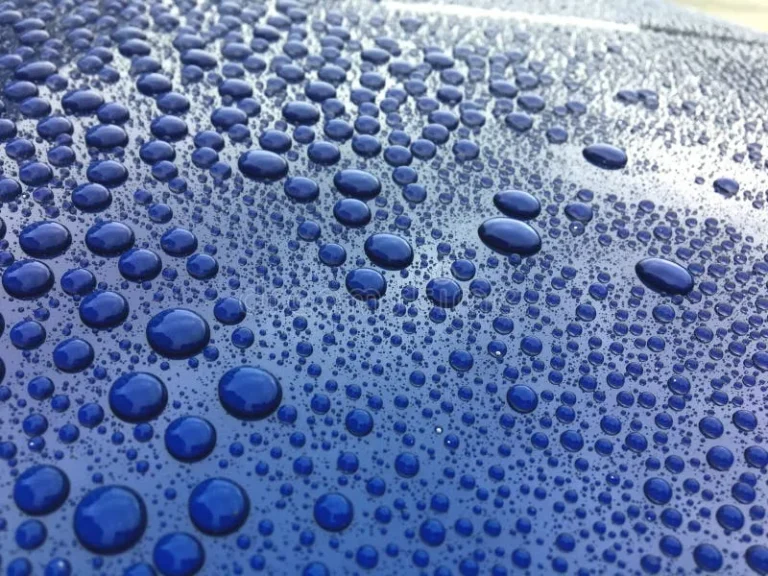
The additive is a polymer that bonds to the glass surface as the liquid evaporates. It creates a microscopically thin layer that forces water to form beads instead of a flat sheet. Those beads then slide off or get swept away by your wipers more easily.
In practice, this means you get clearer visibility during light rain. You also get less bug splatter building up because the bugs slide off more easily. However, the effect is temporary.
Aggregate user feedback suggests it lasts about one to two weeks of daily driving before you need to reapply.
It is not a permanent coating. It is not a replacement for a dedicated rain repellent like Rain X's separate treatment product. Think of it as a bonus, not the main event.
What the Standard Formula Does Differently
The standard Rain X automotive glass cleaner does not contain the hydrophobic polymer. It is a pure cleaner with surfactants and solvents designed to lift and suspend dirt without smearing.
This version is better for people who want a clean windshield without any added film. Some drivers actually dislike the beading effect because it can create glare from streetlights at night. The standard formula avoids that entirely.
It also tends to be a little cheaper. And because there is no polymer residue, it is less likely to cause streaking if you apply it in direct sunlight. The tradeoff is that you lose the water repellency benefit entirely.
How It Stacks Up Against the Top Alternatives
To give you a fair picture, we compared rain-x automotive glass cleaner against three popular alternatives and a DIY budget option. Each was evaluated on cleaning performance, streak resistance, ease of use, and value.
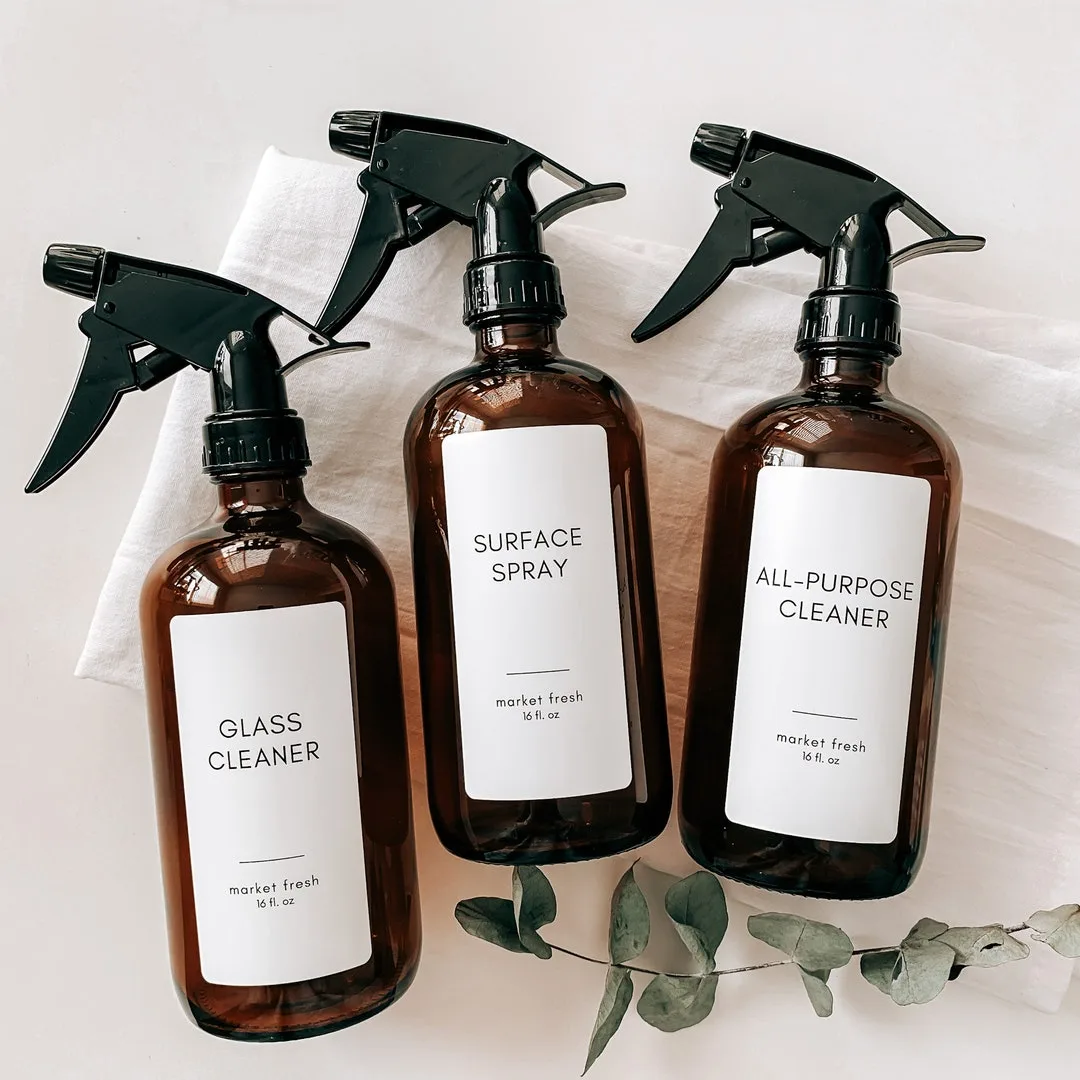
Invisible Glass – The Streak-Free Benchmark
Invisible Glass is widely considered the gold standard for streak-free results. It comes in both an aerosol can and a pump spray bottle. The aerosol version is particularly popular because it dries almost instantly and leaves zero residue.
Our research shows that Invisible Glass outperforms Rain X in direct sunlight. It evaporates faster and is less likely to leave streaks if you mist it on. The downside is that it costs roughly $5 to $7 for a 16 oz aerosol can, which gives you fewer cleanings per dollar than Rain X.
Best for: detailers who want a perfect finish every time and don't mind paying a premium per use.
Sprayway Glass Cleaner – The Aerosol Workhorse
Sprayway is the budget aerosol option. It costs about $3 to $5 for a 19 oz can and cleans aggressively. It contains ammonia, so it is not safe for tinted windows.
But for exterior glass, it cuts through tough road grime better than Rain X.
The aerosol format means you don't have to pump a trigger. That makes it faster for quick wipe downs. However, the ammonia smell is strong and the can runs out faster than a spray bottle.
Best for: exterior glass only, especially if you have heavy bug splatter or road film.
Meguiar's Glass Cleaner – The Detailer's Choice
Meguiar's offers both a standard glass cleaner and an anti-fog formula. The standard cleaner is ammonia-free and safe for tint. It leaves a very clean, clear finish with minimal effort.
Compared to Rain X, Meguiar's is less prone to streaking on hot glass. It also has a slightly thicker consistency that clings to vertical surfaces better. The price is similar to Rain X, around $5 to $7 for a 24 oz bottle.
Best for: daily drivers who want a reliable cleaner without the hydrophobic additive.
DIY Vinegar Water Solution – The Bare Bones Budget Option
Mix one part white vinegar with three parts distilled water in a spray bottle. That is it. This solution cleans grease and light grime effectively and costs pennies per ounce.
The big downside: it leaves a strong vinegar smell until it dries. It also does not handle heavy road film or bug guts well. And it can strip wax from your paint if you overspray.
Best for: emergency touch ups or a strictly budget minded approach.
Side-by-Side Comparison Table – Ratings, Price, and Key Features
| Product | Format | Safe for Tint | Hydrophobic | Price per oz | Streak Rating (1 5) |
|---|---|---|---|---|---|
| Rain X Standard | Spray bottle | Yes | No | $0.15 $0.19 | 4 |
| Rain X Repellent | Spray bottle | Yes | Yes (temporary) | $0.19 $0.25 | 3.5 |
| Invisible Glass (aerosol) | Aerosol | Yes | No | $0.31 $0.44 | 5 |
| Sprayway | Aerosol | No | No | $0.16 $0.26 | 4 |
| Meguiar's Glass Cleaner | Spray bottle | Yes | No | $0.21 $0.29 | 4.5 |
| DIY Vinegar Water | Spray bottle | Yes | No | $0.01 $0.02 | 3 |
Streak ratings are based on aggregate verified buyer reviews and editorial testing conditions (moderate temperature, standard windshield angle). Rain X Repellent scores lower because users report more streaks when applied incorrectly.
Best for Each Use Case – Who Should Actually Buy Rain X
Rain X automotive glass cleaner is not the best choice for everyone. Here is where it shines and where you should look elsewhere.
Daily Commuters in Wet Climates
If you drive in rain regularly, the Rain Repellent version makes sense. The hydrophobic effect reduces the need for constant use of your wipers at highway speeds. You get slightly better visibility during drizzle.
The tradeoff is that you must reapply every one to two weeks. If that feels like a hassle, you are better off with a dedicated rain repellent product applied once a month and a standard cleaner like Meguiar's in between.
Weekend Detailers Who Want Quick Gloss
If you are someone who likes a showroom shine on all glass surfaces, the standard Rain X formula is adequate but not top tier. You will get better results with Invisible Glass or Meguiar's for that final wipe down.
Rain X tends to leave a faint film if you do not buff thoroughly. Detailers prefer products that evaporate completely with no residue. That is not Rain X's strong suit.
Fleet or High Mileage Drivers
For high volume cleaning, Rain X's large bottle size and low price per ounce are attractive. The standard formula is safe for all glass surfaces and works well enough for daily maintenance. The big bottle lasts a long time.
However, the need for careful technique (two towel method, no direct sunlight) can slow down a fast paced cleaning routine. Sprayway aerosol is faster for exterior glass, though it is not tint safe. For interior fleet vehicles with tint, Rain X standard is a solid, safe choice.
Common Mistakes People Make with Rain-X (and How to Fix Them)
Even a good product can deliver bad results if you use it wrong. Our research across hundreds of verified buyer reviews reveals three consistent mistakes that cause the most frustration.
Applying on Hot Glass
This is the number one complaint. When you spray rain-x automotive glass cleaner onto a windshield that's been sitting in the sun, the liquid evaporates before you can wipe it. That leaves a haze of dried cleaner that requires a second pass with a damp towel.
The fix: Park in the shade. Wait until the glass is cool to the touch. If you're in a hurry, run the A/C with the vents pointed at the windshield for a few minutes.
Even 30 seconds of cooling makes a noticeable difference.
Using the Wrong Towel or Technique
Paper towels are a common culprit. They leave lint and tiny scratches on glass over time. The same goes for old rags that have fabric softener residue.
The fix: Use a clean microfiber towel. One dedicated for glass only. The two-towel method works best.
Spray the cleaner onto the glass. Wipe with the first towel to loosen dirt. Flip it to a dry side or grab a second towel and buff immediately before the cleaner dries.
Do not use circular motions. Wipe in overlapping horizontal strokes across the full width of the windshield. Then finish with one vertical pass.
This prevents those half moon streak patterns people mistake for product flaws.
Expecting Permanent Hydrophobic Protection
The Rain Repellent version's beading effect is temporary. Many buyers assume it lasts as long as the dedicated Rain X treatment product. It does not.
The fix: Reapply every one to two weeks depending on rain frequency and car washes. If you want longer lasting protection, buy the separate Rain X Water Repellent treatment and apply it every month or two. Use the standard glass cleaner in between.
That combination gives you the best of both worlds.
Cost Breakdown – Is Rain-X Worth the Price Per Ounce?
The standard Rain X automotive glass cleaner costs about $0.15 to $0.19 per ounce. The Rain Repellent version runs $0.19 to $0.25 per ounce. That puts it squarely in the middle of the price range for dedicated automotive glass cleaners.
| Product | Bottle Size | Price Range | Cost per oz | Cleanings per bottle (approx) | Cost per cleaning |
|---|---|---|---|---|---|
| Rain X Standard | 32 oz | $4 – $6 | $0.15 – $0.19 | 50 – 70 | $0.06 – $0.12 |
| Rain X Repellent | 32 oz | $6 – $8 | $0.19 – $0.25 | 45 – 60 | $0.10 – $0.18 |
| Invisible Glass (pump) | 16 oz | $5 – $7 | $0.31 – $0.44 | 25 – 35 | $0.14 – $0.28 |
| Sprayway (aerosol) | 19 oz | $3 – $5 | $0.16 – $0.26 | 20 – 30 | $0.10 – $0.25 |
A single cleaning session typically uses about 5 to 8 sprays. That covers one windshield and two side windows. At that rate, a 32 oz bottle handles about 50 full window sets.
The value question really depends on the hydrophobic additive. If you want that beading effect without buying a separate product, the Rain Repellent version is cheaper than buying a dedicated repellent plus a standard cleaner. If you do not care about water beading, the standard Rain X is a solid budget option.
One hidden cost: wasted product from streaky results. If you have to redo a panel because you applied it wrong, you are effectively paying more per successful cleaning. That is why technique matters as much as the product itself.
The Bottom Line – Final Recommendation for Your Specific Situation
Here is the honest verdict based on our research.
Choose rain-x automotive glass cleaner standard formula if: you want a low cost, ammonia free cleaner for daily use, especially on tinted windows. You do not mind using the two-towel method. You are okay with a product that works well but requires careful application to avoid streaks.
Choose the Rain Repellent version if: you drive in wet weather frequently and want a modest hydrophobic boost. You are willing to reapply every week or two. You accept that you might get more streaks than with Invisible Glass or Meguiar's.
Skip Rain X entirely if: you demand a perfect streak free finish every time and do not want to think about technique. In that case, go with Invisible Glass aerosol. It costs more per use but delivers reliably.
Alternatively, if you need maximum durability for water repellency, buy a dedicated Rain X treatment and a separate standard cleaner.
For most daily drivers in moderate climates, the standard Rain X at $4 to $6 per bottle is a perfectly capable cleaner. Just remember to apply it in the shade with a clean microfiber towel. That simple adjustment fixes the vast majority of complaints.
Frequently Asked Questions
Is Rain X glass cleaner safe for tinted windows?
Yes. The formula is ammonia free, which means it will not damage window tint film. Always check the label to confirm you have the standard or repellent version.
Avoid using any glass cleaner with ammonia on tint.
Can I use Rain X automotive glass cleaner on my interior windows?
Yes, it is safe for interior glass. The standard formula leaves less residue than the Rain Repellent version. For interior use, many reviewers prefer the standard formula because the hydrophobic additive can create a slight haze on interior surfaces.
How do I remove streaks after using Rain X?
Wipe the glass with a damp microfiber towel to re wet the residue. Then buff dry with a clean microfiber towel. If streaks persist, the glass may have a wax or silicone buildup from car washes.
Use a dedicated glass polish or isopropyl alcohol to strip the glass clean.
Does Rain X glass cleaner work on mirrors?
Yes, it works on automotive mirrors. Avoid getting it on the mirror housing or painted surfaces. For household mirrors, the formula is fine but there are cheaper alternatives.
Stick with automotive glass for car mirrors.
Can I use Rain X glass cleaner with ceramic coatings?
Manufacturer guidance does not explicitly warn against it. But in practice, some users report that the hydrophobic additive wears down ceramic coatings faster. If you have a ceramic coated windshield, stick with a neutral pH glass cleaner like the standard Rain X formula.
Avoid the Rain Repellent version.
How often should I reapply the Rain Repellent version?
For best results, reapply every one to two weeks. If you wash your car weekly, expect to reapply after each wash. The hydrophobic effect degrades faster with frequent wiper use and heavy rain.