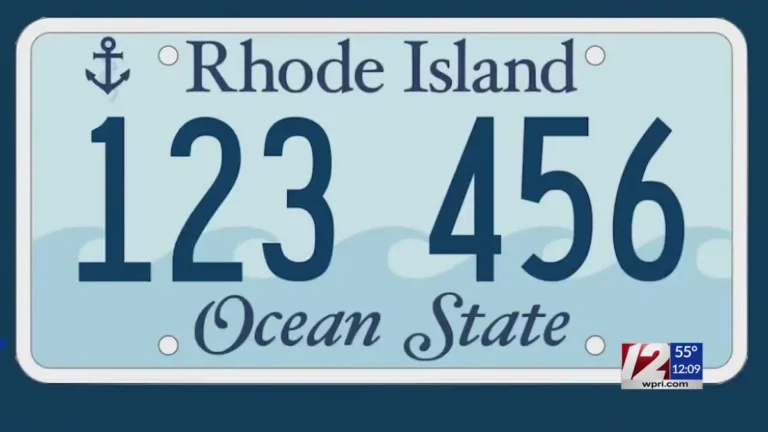
Rhode Island requires every driver to carry liability insurance, and the minimum you’re legally allowed to have is 25/50/25 coverage. The phrase Rhode Island mandatory liability insurance minimum 25/50/25 coverage limits refers to the state’s baseline financial protection for bodily injury and property damage you might cause in an at-fault accident.
These numbers aren’t arbitrary. They represent $25,000 in bodily injury coverage per person, $50,000 per accident, and $25,000 for property damage. As of 2026, driving without at least this level of coverage can lead to fines, license suspension, or even vehicle impoundment.

Quick Answer
Rhode Island’s mandatory liability insurance minimum is 25/50/25. That means $25,000 for bodily injury per person. It also covers $50,000 total for bodily injury per accident.
Property damage is capped at $25,000 per accident.
Why These Coverage Limits Are Legally Required in RI
Rhode Island law mandates these minimums to ensure drivers can cover costs if they cause harm. Without them, accident victims might be left with unpaid medical bills or repair costs. The state enforces this through the Department of Business Regulation and the DMV.
These limits also protect you from personal financial ruin. If you’re at fault in a crash, your insurance pays out up to the policy’s limits. Anything beyond that could come out of your pocket.
Breaking Down the 25/50/25 Numbers
The first number, 25, covers bodily injury per person. This pays for medical expenses, lost wages, or pain and suffering for one individual injured in an accident you cause.
The second number, 50, is the total bodily injury coverage per accident. If multiple people are hurt, this is the maximum your insurer will pay out collectively.
The third number, 25, handles property damage. This covers repairs or replacement for vehicles, buildings, or other property damaged in the accident.
Here’s how it works in practice:
| Coverage Type | Per Person Limit | Per Accident Limit |
|---|---|---|
| Bodily Injury | $25,000 | $50,000 |
| Property Damage | N/A | $25,000 |
Who Needs This Coverage (And Who Doesn’t)
Every driver in Rhode Island must carry at least 25/50/25 liability insurance. This includes residents, new movers, and even out-of-state drivers who register their vehicles in RI.
You don’t need it if you don’t own or drive a car in Rhode Island. But if you do, the law applies regardless of how often you’re on the road.
What Happens If You Drive Without It in Rhode Island
Driving without the mandatory 25/50/25 coverage is illegal. If caught, you’ll face fines starting at $100 for a first offense. Repeat offenses can lead to higher penalties.
Your license and registration can also be suspended. To reinstate them, you’ll need to pay all outstanding fees, provide proof of compliant coverage, and may need to file an SR-22 certificate of financial responsibility.

In an accident, you’re personally liable for damages beyond your coverage. Without insurance, you could be sued for medical bills, lost wages, and property repairs.
How to Get Proof of Insurance for RI DMV
Your insurer provides a proof of insurance card when you purchase or renew a policy. This card includes your name, policy number, coverage limits, and effective dates. Rhode Island accepts digital or paper versions.
You’ll need to show this proof when registering a vehicle, renewing your registration, or during a traffic stop. If you lose your card, contact your insurer immediately. Most can email or text a replacement within minutes.

Keep a copy in your glove compartment and on your phone at all times.
When 25/50/25 Isn’t Enough (And What to Consider Instead)
The state minimum covers basic accidents, but serious crashes often exceed these limits. Medical costs alone can surpass $25,000 per person in severe injuries. Property damage from multi-vehicle collisions may also exceed $25,000.
If your assets exceed your coverage, you’re at risk. A lawsuit could target your savings, home, or future earnings. Higher limits like 50/100/50 or 100/300/100 provide stronger protection.
Consider these upgrades if you:
- Own a home or have significant savings
- Drive frequently or in high-risk areas
- Want protection against underinsured drivers
Umbrella policies add another layer of coverage, often starting at $1 million.
How to Check Your Current Coverage Matches RI Law
Your insurance declaration page lists your liability limits. Look for the numbers under "Bodily Injury" and "Property Damage." They should read at least 25/50/25.
If you’re unsure, call your insurer or agent. They can confirm your coverage meets Rhode Island’s requirements.
Double-check these details:
- Policy effective dates (must be current)
- Named insured (matches your legal name)
- Vehicle information (correct make, model, and VIN)
If your policy limits fall below 25/50/25, or your listed information is outdated, request an update from your insurer immediately.
Where to Buy Compliant Auto Insurance in Rhode Island
Every auto insurer licensed to sell policies in Rhode Island must offer coverage that meets or exceeds the state’s 25/50/25 minimum. You can purchase compliant policies directly from carriers, through local independent agents, or via online comparison platforms.
The Rhode Island Department of Business Regulation maintains a public list of authorized insurers on its official insurance division page. You’ll need your valid driver’s license, vehicle registration, and VIN to request an accurate quote.
Premium costs vary based on your age, driving history, vehicle type, and location. Comparing quotes from at least three licensed providers is the most reliable way to find a rate that fits your budget.
Common Mistakes Rhode Island Drivers Make
Many drivers assume the state minimum 25/50/25 coverage is enough for every scenario. This is rarely true for drivers with significant assets, as a serious accident can easily exceed those limits.
Another common error is forgetting to submit proof of insurance to the RI DMV when moving to the state. You have 30 days to update your policy and registration after establishing residency.
Drivers also frequently let policies lapse without notifying the DMV. Your insurer reports cancellations directly to the state, which suspends your license immediately.
Some drivers choose the cheapest available policy without verifying the coverage limits. Always confirm the 25/50/25 limits are listed explicitly on your declaration page before paying.
Failing to carry proof of insurance in your vehicle is another costly mistake. A traffic stop without proof results in a fine even if you have active coverage.
How to Update Your Coverage After a Life Change
Major life changes almost always require updating your auto insurance policy. Common triggers include moving to a new address, purchasing a new vehicle, or adding a teenage driver.
Contact your insurer within 10 days of any life change to adjust your coverage. Provide updated information for your address, vehicle VIN, and listed drivers.
If you switch insurers during a life change, ensure there is no gap between your old policy’s end date and your new policy’s start date. A single day without coverage triggers DMV penalties.
What to Do If You’re in an At-Fault Accident With Minimum Coverage
Call 911 and exchange insurance information with the other driver immediately. Do not admit fault or discuss settlement details at the scene.
Notify your insurance company within 24 hours to start the liability claim process. Your insurer will investigate and pay out up to your 25/50/25 limits.
If the accident costs exceed your policy limits, the other party may file a lawsuit. Consult a licensed attorney in Rhode Island as soon as you receive notice of a claim.
Rhode Island Insurance Compliance Timeline for New Residents
You have 30 days from establishing Rhode Island residency to register your vehicle and obtain compliant 25/50/25 liability insurance. This applies to new residents moving from any other state.
First, purchase a policy from a Rhode Island-licensed insurer. Your insurer will provide a proof of insurance card, which you must submit to the DMV when you register your vehicle.
The DMV will verify your coverage electronically with your insurer before issuing your registration. If there is a delay, bring a printed copy of your insurance card to your appointment.
When to Consult a Licensed Insurance Agent in Rhode Island
A licensed independent insurance agent can help you compare policies if you’re unsure whether the state minimum is enough. This is especially useful if you have a high net worth or own multiple vehicles.
Consult an agent if you receive an SR-22 filing requirement after a license suspension. They can help you find affordable compliant coverage that satisfies the DMV’s financial responsibility rules.
You should also speak with an agent if you’re unsure whether your current policy meets Rhode Island’s requirements after a recent move or policy change.
Frequently Asked Questions
Is 25/50/25 the only required auto insurance coverage in Rhode Island?
Yes, 25/50/25 liability coverage is the only legally required auto insurance in Rhode Island. You may choose to add optional coverage like collision or comprehensive for extra protection.
What happens if I let my RI auto insurance policy lapse?
If your policy lapses, your insurer will notify the Rhode Island DMV automatically. You will face fines, license suspension, and registration suspension. To reinstate, you’ll need to pay fees, provide proof of coverage, and may need to file an SR-22.
Does 25/50/25 liability coverage pay for my own car repairs?
No, 25/50/25 liability coverage only covers damages and injuries you cause to others. To cover your own repair costs, you’ll need to add optional collision coverage.
Can I keep my out-of-state auto insurance policy if I move to Rhode Island?
No, if you establish residency in Rhode Island, you must switch to a policy from a Rhode Island-licensed insurer that meets the state’s 25/50/25 minimum within 30 days.
How much does minimum 25/50/25 auto insurance cost in Rhode Island?
As of 2026, average annual premiums for minimum 25/50/25 coverage in Rhode Island range from $1,200 to $1,800. Drivers with clean records typically pay less, while high-risk drivers pay more.