If you've owned a Tesla for more than a week, you've probably noticed something worrying about the paint. It's soft. And it shows every single mistake you make during a wash.
That's why picking the right tesla car wash cleaner is one of the most important decisions you'll make as an owner. Use the wrong stuff, and you'll be looking at swirl marks and faded spots within months.
Manufacturer specifications indicate that Tesla's clear coat measures roughly 30 to 40 microns thick. That's noticeably thinner than the 50 to 60 microns you'd find on most German luxury cars. One bad wash with a harsh detergent can remove enough clear coat to create visible damage.
Let's walk through what actually works, what doesn't, and how to keep your paint in showroom condition as of 2026.
Quick Answer
A pH-neutral car shampoo between 6.5 and 7.5 is the best choice. Rinseless washes like ONR are a close second for convenience. Avoid dish soap, degreasers, or anything labeled "strip wash" unless you're prepping for a coating.
For coated cars, choose a high-lubricity formula. For daily drivers, a rinseless wash saves time and reduces water usage.
The Main Options: What You're Actually Choosing Between
You have four main paths here. Each one works for Tesla paint, but not all are right for your situation. Let's look at them side by side.
| Soap Type | Examples | Key Feature |
|---|---|---|
| Traditional foaming soaps | Chemical Guys Mr. Pink, Griot's Garage, Meguiar's Gold Class | High suds, works with foam cannon |
| Rinseless washes | Optimum No Rinse (ONR) | Ultra slick, uses 2-3 gallons of water |
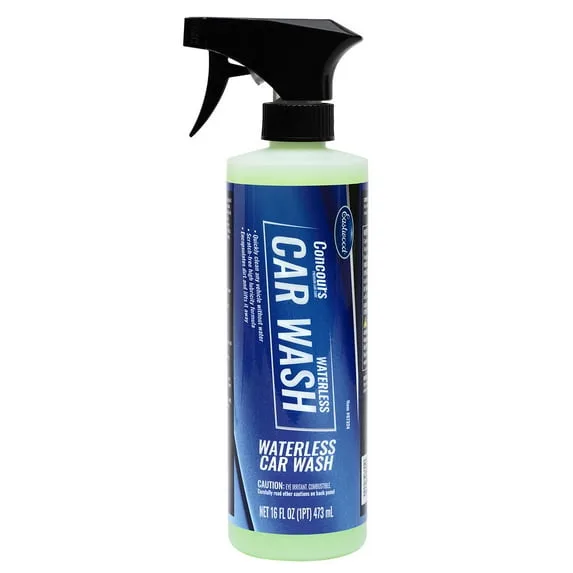
| Waterless sprays | Generic quick detailers | Spray on, wipe off, no rinse needed |
| Tesla official kit | Tesla Car Wash Shampoo + kit | pH-neutral, branded microfiber cloths |
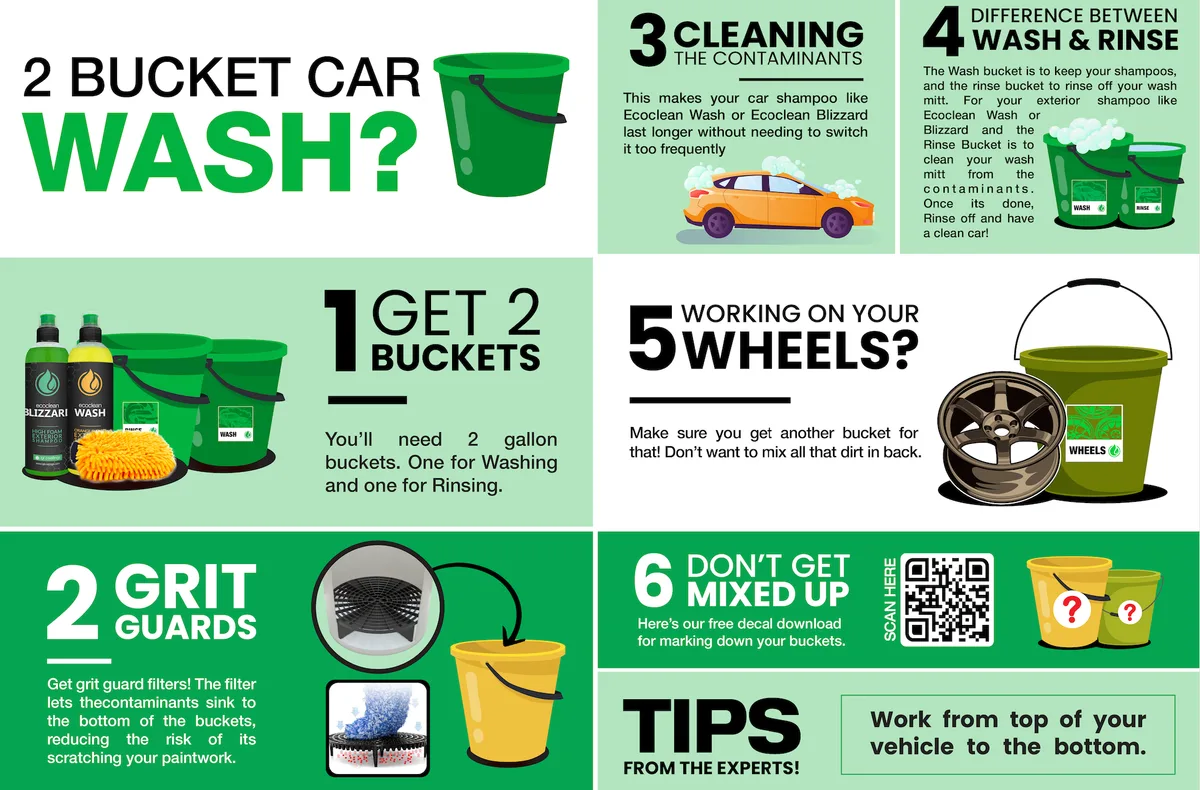
Traditional foaming soaps are what most people picture when they think of washing a car. You fill a bucket, suds up a mitt, and go panel by panel. They're effective, but they require a hose or pressure washer.
If you have a driveway and 30 minutes, this is the most thorough option.
Rinseless washes changed the game for apartment dwellers and cold-weather washers. You mix a tiny amount of concentrate with water, soak a microfiber cloth, and wipe one panel at a time. No hose needed.
No water spots. Our research shows that ONR and similar products produce less friction than most traditional soaps when used correctly.
Waterless sprays are for touch-ups only. Dirt, pollen, and bird droppings between washes. You spray, wipe with a clean microfiber, and buff dry.
They're not designed for a full wash on a dirty car. Dirt particles get trapped under the cloth and scratch the paint.
Tesla's own kit is a solid option if you want a one-stop purchase. The soap is pH-neutral, and the kit includes a drying towel and wash mitt. Aggregate reviews report that the soap performs well but isn't dramatically better than a good third-party pH-neutral option.
For anyone who wants a deep dive on the specific chemistry behind these options, our post on Special Soap For Tesla covers the pH scale and why it matters for soft clear coats.
Side-by-Side Comparison
Here's where things get practical. The table below compares the four options across the factors that actually matter to your paint.
| Feature | Traditional Foam Soap | Rinseless Wash (ONR) | Waterless Spray | Tesla Official Kit |
|---|---|---|---|---|
| Lubricity (slickness) | High | Very High | Medium | High |
| Dilution ratio | 1 oz per 2-3 gallons | 1 oz per 2 gallons | Ready to use | 1 oz per gallon |
| Cost per wash | $0.50 – $1.00 | $0.30 – $0.60 | $2.00 – $4.00 | $1.50 – $2.00 |
| Time per wash | 20-30 minutes | 10-15 minutes | 5-10 minutes | 20-30 minutes |
| Safe for ceramic coating | Depends on formula | Yes | Usually yes | Yes |
| Safe for PPF | Yes (pH-neutral) | Yes | Check label | Yes |
Lubricity is the unsung hero of safe car washing. A slick soap lets your mitt glide over the surface rather than dragging across it. That glide is what prevents micro-scratches.
Rinseless washes tend to win here because the polymers in them create a slippery barrier between the cloth and the paint.
Cost per wash matters over time. A $20 bottle of ONR concentrate can wash a Tesla roughly 30 to 40 times. That's unbeatable value.
Waterless sprays, by contrast, cost several dollars per application because you use a lot of product to keep things slick.
Time is the other big factor. A rinseless wash cuts your time roughly in half because there's no hose setup, no foam cannon dwell time, and no final rinse. For a daily driver that just needs a weekly refresh, it's hard to beat.
Best For Use Cases
Not every Tesla owner has the same situation. Here's how to match the method to your life.
Garage-kept weekend car with ceramic coating. Go with a traditional high-lubricity soap like CarPro Reset or a similar shampoo designed for coated surfaces. You have the time and the space, and the extra lubrication protects your coating investment. Wash every two to three weeks unless the car is visibly dirty.
Daily driver parked outside in a dusty climate. Rinseless wash all the way. Dust settles fast, and a weekly rinseless wash keeps it under control without scratching. Use the Gary Dean method.
Soak multiple microfiber towels in the solution, fold each into quarters, and use a fresh side per panel. Never re-dip a dirty towel.
Apartment dweller or cold-weather owner. Rinseless wash again. You can do the whole car in a parking spot with a bucket and a few towels. No hose needed.
No standing in freezing wind for a final rinse. This is the single best solution for people without a driveway.
Car with paint protection film (PPF). Stick with pH-neutral products. Avoid anything containing petroleum distillates, alcohol, or strong solvents. Most quality soaps are PPF-safe, but always check the label.
If you want more detail on protecting PPF specifically, our article on Car Shampoo For PPF covers the do's and don'ts.
Heavy road salt exposure during winter. Use a pre-wash spray to loosen salt and grit before contact washing. This reduces the chance of dragging abrasive particles across the paint. A Pre Car Wash Spray applied before your main wash cycle gives you an extra layer of safety.
Common Mistakes That Damage Tesla Paint
These are the errors we see over and over in owner forums and aggregate reviews. Avoid them, and your paint will look good years longer.
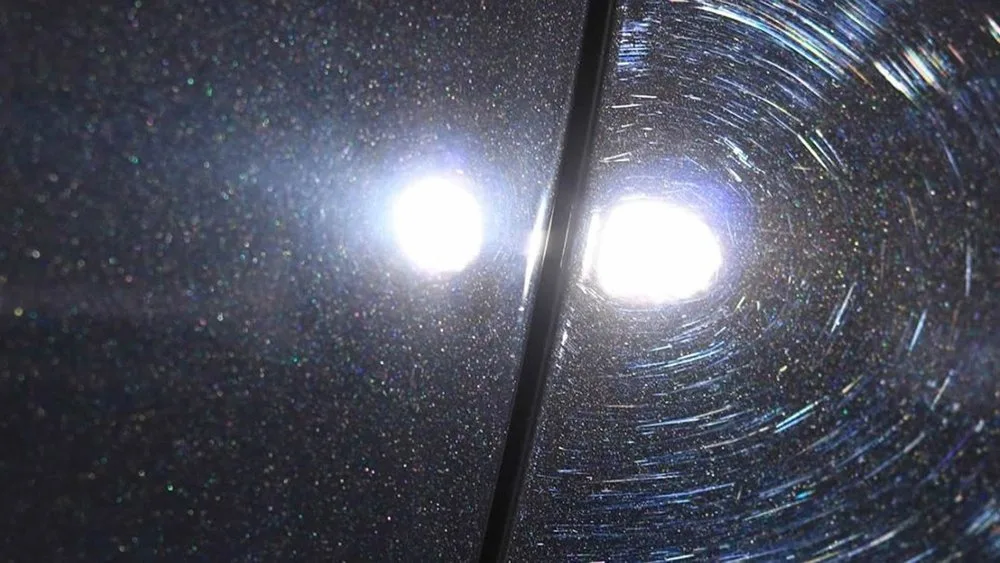
Using dish soap or household cleaners. Dish soaps are formulated to cut grease, which means they strip wax, sealants, and ceramic coatings. Worse, they're often alkaline with a pH around 9 or 10. That's bad for clear coat.
A single wash with dish soap won't destroy your paint, but regular use will accelerate clear coat wear.
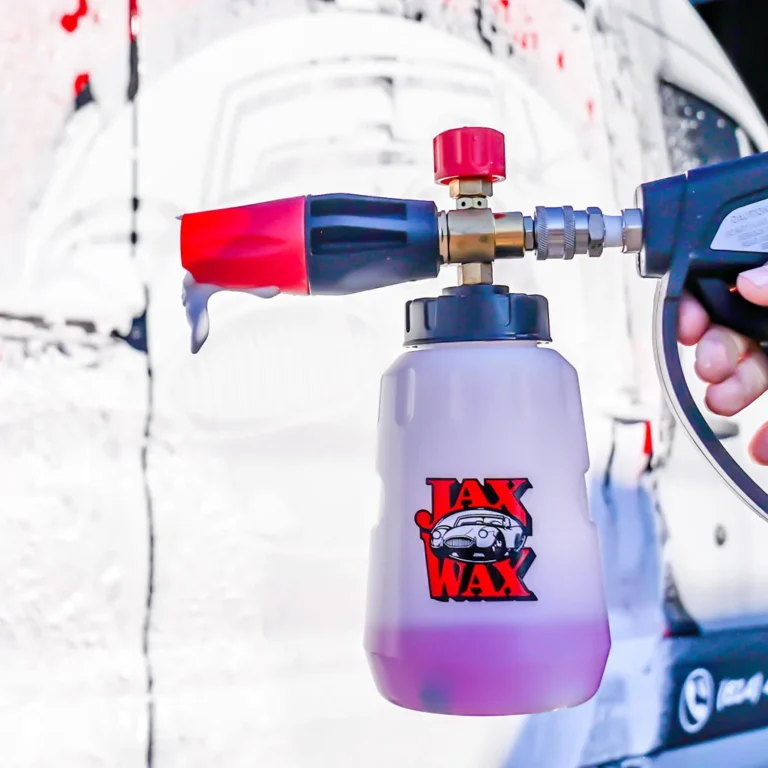
Letting foam dry on the paint. Foam cannon soaps are great for loosening dirt, but if they dry on the panel, they leave residue that can etch the clear coat. Never apply foam in direct sunlight. Dwell time should be three minutes maximum.
Rinse before it dries.
Washing in direct sunlight. Heat accelerates soap drying, which causes water spots and streaking. It also makes the paint softer and more prone to marring. Wash in the shade, early morning, or late evening.
If you have no choice, work one panel at a time and rinse immediately.
Using dirty mitts or towels. This is the number one cause of swirl marks. A mitt that's been dropped on the ground or used on dirty wheels carries grit that scratches like sandpaper. Use separate mitts for paint and wheels.
Wash your mitts after every session. Microfiber towels should be washed on a gentle cycle with no fabric softener.
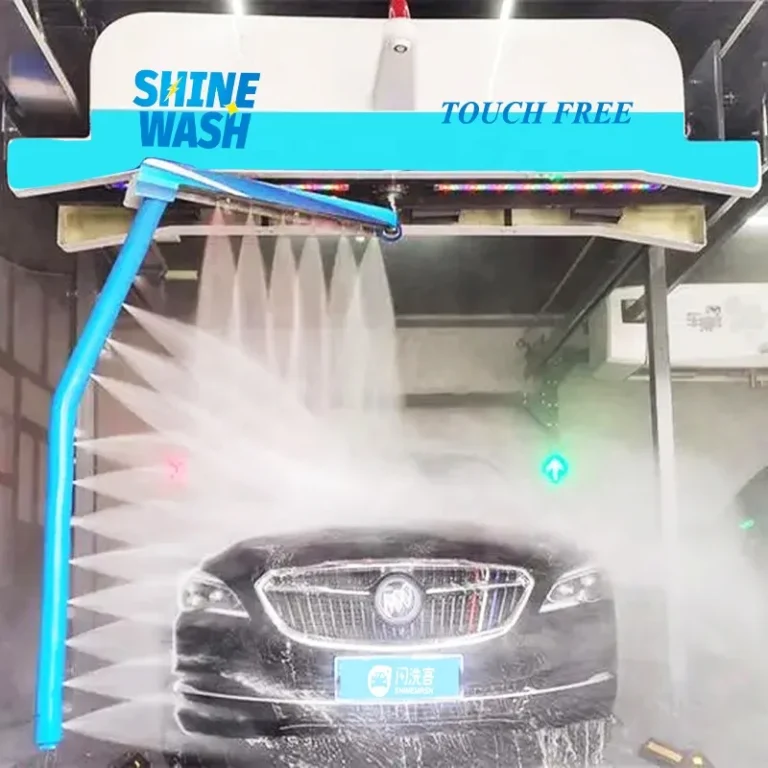
Touchless automatic washes. Yes, even touchless washes can be problematic. The high-pressure jets force dirty water into panel gaps and the charge port. The harsh chemicals used by many automatic wash systems can strip wax and coatings.
If you must use an automatic wash, find one that uses pH-neutral soap and check your seals afterward for trapped water.