You've spotted a coffee stain on your driver's seat, grabbed the bottle of Dawn under the sink, and found yourself wondering: can I wash the interior of my car with Dawn dish soap? It's a fair question. Dish soap cuts through grease like nothing else, and your car's interior could probably use that kind of power.
But the real answer is more complicated than a simple yes or no.
Manufacturer specifications for most automotive interiors recommend pH-balanced cleaners designed specifically for fabric or leather. Dawn's original formula sits around a pH of 7.5, which sounds neutral enough. But it is still formulated for dishes, not upholstery.
That difference matters more than you think, and getting it wrong can leave you with a sticky mess or permanent damage.
Quick Answer
Yes, but only in specific situations. Dawn works safely on fabric upholstery when diluted 1:100. Full strength can strip leather and damage factory coatings.
You must rinse completely and condition afterward. Spot test first every time. Never use it on headliners or delicate trim.
Why You’re Asking This and Why the Answer Isn’t Simple
Dawn has a well earned reputation as a degreasing powerhouse. It handles baked on grease on plates and pans with ease. So when you see a greasy stain on your car seat or a sticky spill on the floor mat, it feels like a natural choice.
You probably already have it in your kitchen. It is cheap. And it foams up nicely.
But here is the catch. A car interior is not a dinner plate. Car upholstery and trim are made from porous materials that react differently to detergents.
Dawn contains surfactants that are great at lifting grease but terrible at rinsing out of fabric. The same suds that clean your dishes can leave a soapy residue deep inside your seat foam. That residue attracts dirt and dust over time, making your interior look dirtier than before.
Our research shows that the biggest variable is your interior material. Fabric, leather, vinyl, and headliner foam each respond differently to Dawn. Some can handle it with careful dilution.
Others will break down or discolor. That is why the answer depends entirely on what you are cleaning. And this is precisely the reason you need to identify your material before you mix anything.
Step 1: Identify Your Interior Material
The first step is simple. You need to know exactly what surface you are cleaning. Different materials have different tolerances for dish soap.
Here is how to check.
Fabric or Cloth Upholstery
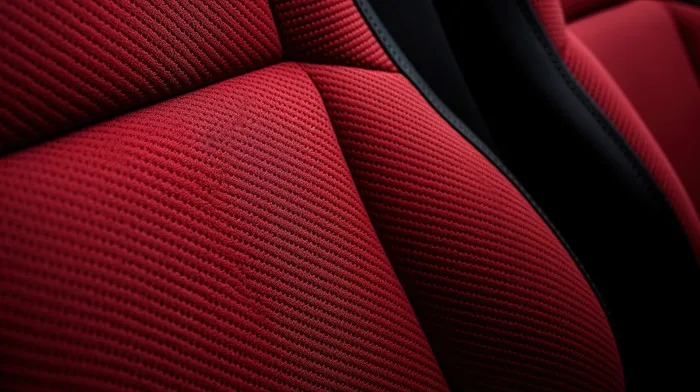
Most economy and mid range cars use woven fabric or polyester blend upholstery. Fabric is porous and absorbent. It can handle diluted Dawn better than any other interior surface, but it also holds onto soap residue more stubbornly.
You need to rinse thoroughly. A heavy dilution like 1:100 is your safest bet here. If you have a stain from grease, coffee, or body oils, Dawn actually works quite well on fabric.
But you must extract the soap with a wet dry vacuum or plenty of damp towels.
Leather or Leatherette
Leather is where Dawn gets risky. Genuine leather has natural oils that keep it supple. Factory applied sealants protect the surface from stains.
Dawn can strip both of those layers. Even a small amount of full strength Dawn can dry out a leather seat, causing it to crack and fade within months. Some modern cars use leatherette or vinyl coated leather.
Those surfaces are more resistant but still vulnerable to the degreasing power of dish soap. For leather, you should not use Dawn at all unless you plan to condition the surface immediately afterward.
Vinyl and Hard Plastic Dashboard
Vinyl and hard plastic surfaces like your dashboard and door panels are the least porous interior materials. They are also the easiest to clean. A very mild Dawn solution (one drop per gallon of water) can safely remove dust, sunscreen residue, and light grime.
The risk here is a cloudy or sticky film if you do not wipe the surface completely dry. You may also dull the factory finish over repeated use. For vinyl, a dedicated interior cleaner or a simple water dampened microfiber cloth is usually better.
Headliner Fabric on the Ceiling
The headliner is the most fragile surface in your car. It is typically a thin fabric glued to a foam backing. That foam can dissolve or separate from the fabric if it gets too wet.
Dawn's suds soak into the foam and loosen the glue. Once the headliner sags, it is very difficult to fix without replacing the entire panel. Never use Dawn on your headliner.
Not even a little. Stick to a dry cleaning foam or a gentle steam clean if needed.
Step 2: Match Your Situation to the Right Dilution
Once you know your material, you need to choose the correct dilution. This is where most mistakes happen. People use Dawn straight from the bottle or mix it too strong.
That is a fast track to damage. Here are the three dilution levels you should know.
Full Strength (Rarely Safe but Here Is When It Works)
Full strength Dawn is almost never a good idea on interior surfaces. There is exactly one scenario where it can be useful: a small, concentrated spot of grease on a durable fabric floor mat that you can remove from the car and rinse with a hose. Even then, you should dilute it as much as possible.
For seats, dashboards, or door panels, full strength Dawn will strip protective coatings and leave a sticky residue that is hard to remove.
1:100 Mix (The Safe Standard for Fabric)
This is the dilution most experts recommend for fabric upholstery. Mix one teaspoon of Dawn with two cups of water. That sounds weak, and it is.
That is the point. At this ratio, Dawn can lift stains without leaving enough residue to cause problems. You still need to rinse with a clean damp cloth afterward and dry the area with airflow.
This mix is safe for most fabric seats and carpet floor mats. It is also strong enough to handle coffee spills and light body oil stains.
One Drop Per Gallon (For Sensitive Materials)
For leather, vinyl, and any surface with a protective coating, use one drop of Dawn per gallon of water. Yes, one drop. You are basically making soap scented water.
At this concentration, Dawn loses most of its degreasing power. That is intentional. You want just enough surfactant to break the surface tension of water so it can lift dust and light dirt.
Anything stronger risks damage. This dilution is also safe for cleaning the dashboard and door panels if you wipe dry immediately.
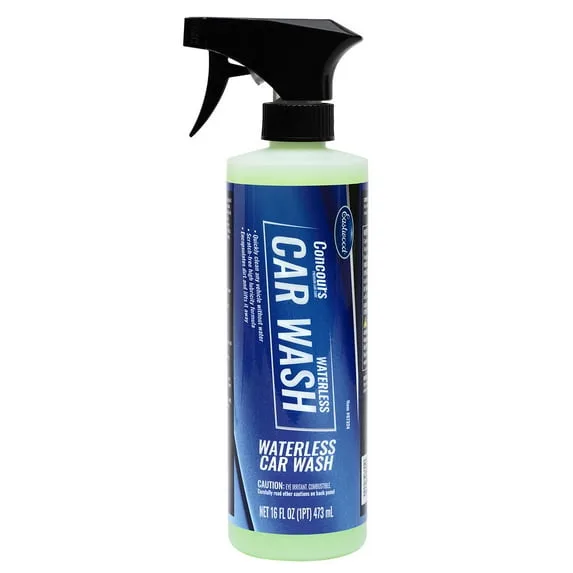
If you are looking for a dedicated rinse free formula rather than mixing your own, check out our guide on pre car wash spray for some effective alternatives.
Step 3: The Safe Workflow (If You Decide to Use Dawn)
So you have identified your material and picked the right dilution. Now you need to follow a process that minimizes risk. These steps are based on manufacturer recommendations and aggregate user reports from verified buyer feedback.
Do not skip any of them.
Spot Test That Actually Works
Mix your chosen dilution, wet a small section of a clean white microfiber cloth, and rub a hidden area. Good spots include under a seat, behind a panel, or near the floor on a carpet edge. Wait ten minutes.
Check for color transfer on the cloth or any change in the material's texture. If the cloth shows dye or the surface looks dull or sticky, stop immediately. Do not proceed.
Switch to a dedicated cleaner instead.
Apply, Agitate, and Rinse Without Soaking
Dip your microfiber cloth into the diluted Dawn solution. Wring it out until it is damp, not wet. You want to avoid soaking the material.
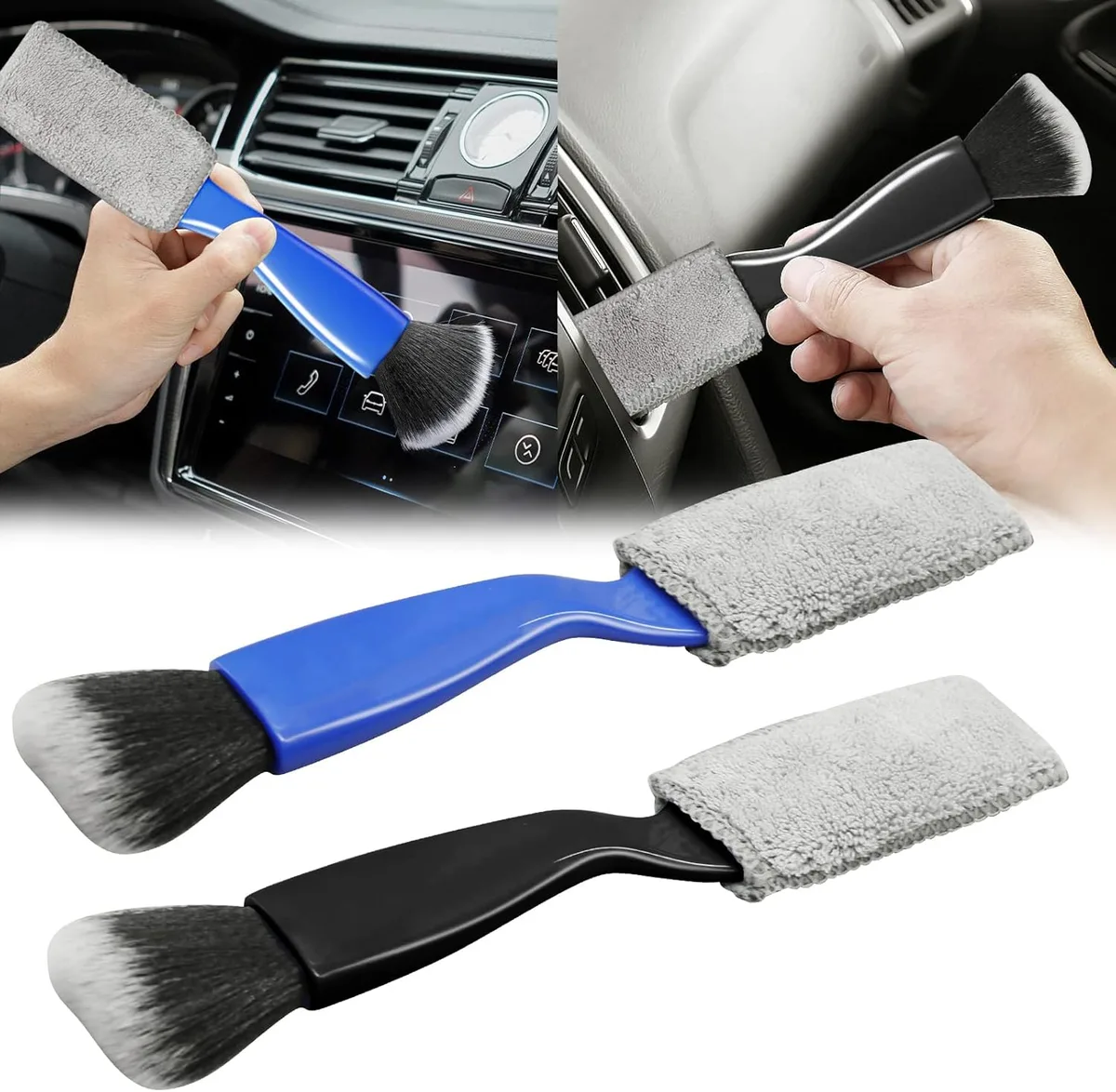
Gently rub the stained area in a light circular motion. Use a soft bristle brush for textured fabric or carpet, but keep the pressure light. Work the soap into the stain for about 20 to 30 seconds.
Now rinse. This step matters more than the cleaning. Take a separate clean microfiber cloth dampened with plain water.
Wipe the area to remove the soap. Repeat with a fresh damp cloth several times until you no longer see suds. If you are cleaning fabric seats, use a wet dry vacuum to extract the moisture.
If you do not have one, press with dry towels to pull out as much liquid as possible.
Drying Properly to Avoid Mildew
Moisture trapped in fabric or foam can cause mildew within 24 to 48 hours. After rinsing, open all car doors and point a fan at the cleaned area. If the weather is warm, park in direct sunlight with the windows cracked.
Allow at least two to four hours of drying time before sitting on the seat. For thicker padding, it may take six to eight hours. Do not speed the process with a hair dryer on high heat, as that can shrink or warp some upholstery materials.
A box fan on medium speed works perfectly.
The Big Risks You Need to Know First
Using Dawn on your car interior carries real consequences. These risks are not theoretical. Verified buyer feedback and manufacturer warnings confirm each one.
Stripping Leather’s Natural Oils and Factory Coating
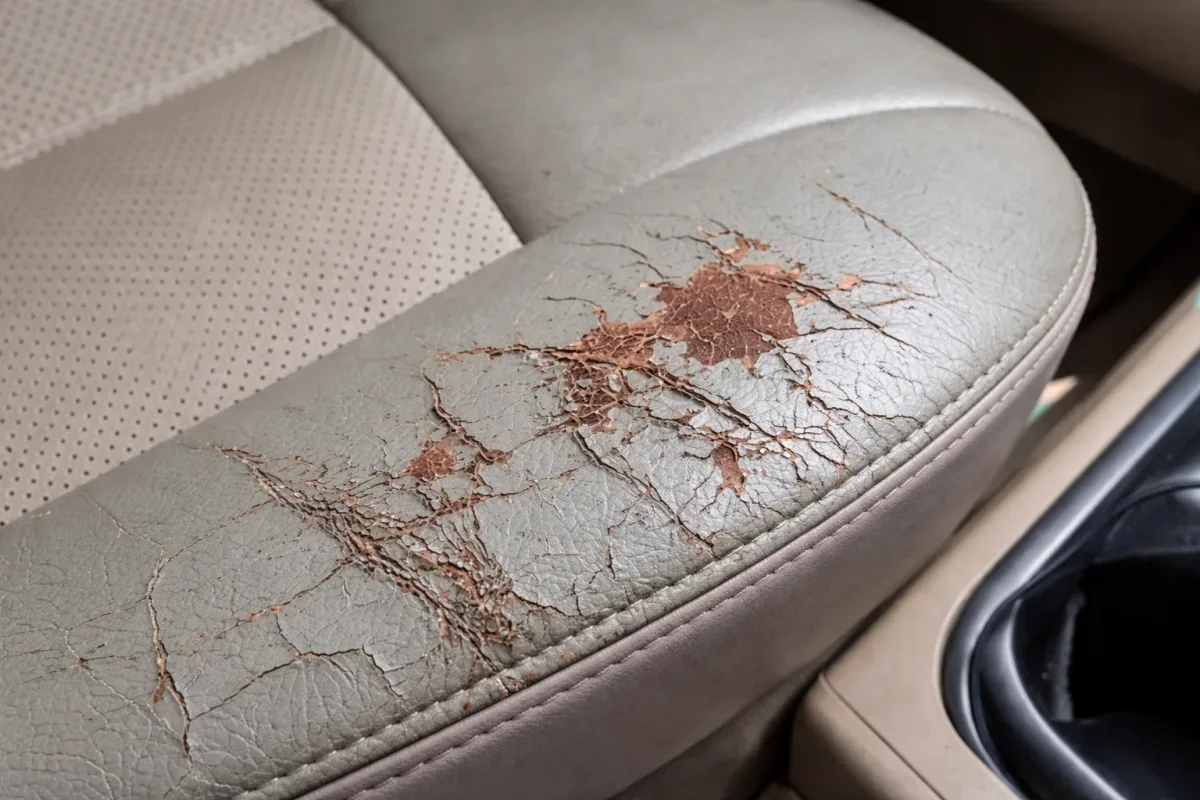
Leather seats come with a factory applied sealant that protects the hide from stains and UV damage. Dawn breaks down that sealant. Once the sealant is gone, the leather loses moisture faster.
Cracks appear within months. Discoloration follows. A single wash with full strength Dawn can age a leather seat by years.
Research indicates leather that loses its factory coating needs professional reconditioning to restore flexibility.
Sticky Residue on Dashboards and Vinyl
Vinyl and hard plastics have a non porous surface. Dawn’s surfactants cling to that surface. When the water evaporates, a thin soap film remains.
That film attracts every speck of dust and lint in your car. Your dashboard looks hazy within a day. You then wipe it again, compounding the residue.
Breaking that cycle requires multiple passes with plain water and a strong microfiber towel.
Loosening the Headliner Adhesive
The headliner is fabric bonded to a foam backing with water soluble adhesive. Even mild moisture can weaken that bond. Dawn’s high suds make it worse.
The foam absorbs the liquid and swells. The fabric separates and sags. This is almost impossible to reverse without replacing the entire headliner panel.
Professional replacement costs several hundred dollars for most cars.
Discoloring Dyed Fabric (Especially Dark Colors)
Automotive fabric dyes are not always colorfast. Dawn is a surfactant that can pull dye out of fibers. This is most common with dark blues, reds, and blacks.
You might not notice during washing. But after drying, you see a faded patch that stands out against the rest of the seat. Always spot test on dark fabrics before proceeding.
When to Use Dawn (It’s Not All Bad)
Dawn has legitimate uses inside a car. The key is knowing where and how much.
Fabric floor mats are the safest target. They are removable, durable, and easy to rinse with a hose. A 1:100 dilution of Dawn works well on embedded dirt, road salt, and light grease.
Rinse the mat thoroughly, then hang it to dry.
Fabric seat stains from coffee, body oils, or food also respond well to diluted Dawn. The degreasing power lifts organic stains that water alone cannot remove. Just keep the dilution weak and extract the moisture.
Carpeted areas like the trunk or cargo area tolerate Dawn better than most interior surfaces. They are less visible and more forgiving of residue.
If you are looking for a full car washing routine that includes the interior, you might also want to read about how to prepare touchless washing for a smarter approach to overall care.
When to Absolutely Avoid Dawn
Some interior components should never touch dish soap.
Leather seats and steering wheels are at the top of the list. Dawn strips protective coatings and dries out the leather. Use a dedicated leather cleaner instead.
The headliner is off limits entirely. Even a gentle misting can compromise the adhesive.
Any surface with an aftermarket protective coating like a ceramic interior coating will lose its effectiveness if washed with Dawn. The surfactants dissolve the coating layer.
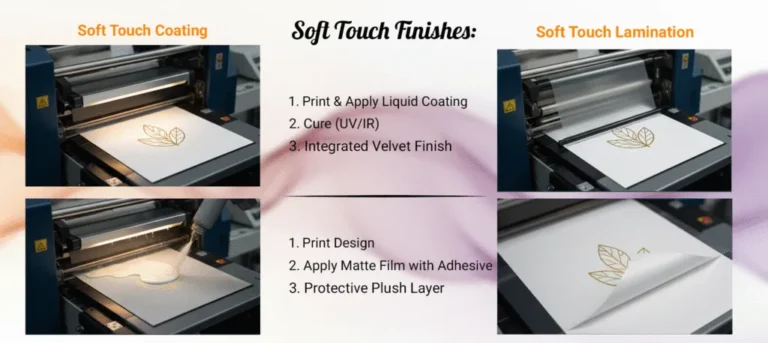
Trim pieces with painted or soft touch finishes are also vulnerable. Dawn can dull the paint and make the surface sticky.
Child car seats and their harness straps should never be cleaned with Dawn. The soap can weaken the webbing fibers and leave a residue that compromises safety. Follow the seat manufacturer's instructions for cleaning.
Better Alternatives for Specific Scenarios
Dawn is not your only option. In most cases, a dedicated product gives better results with less risk.
For Fabric Seats and Carpets
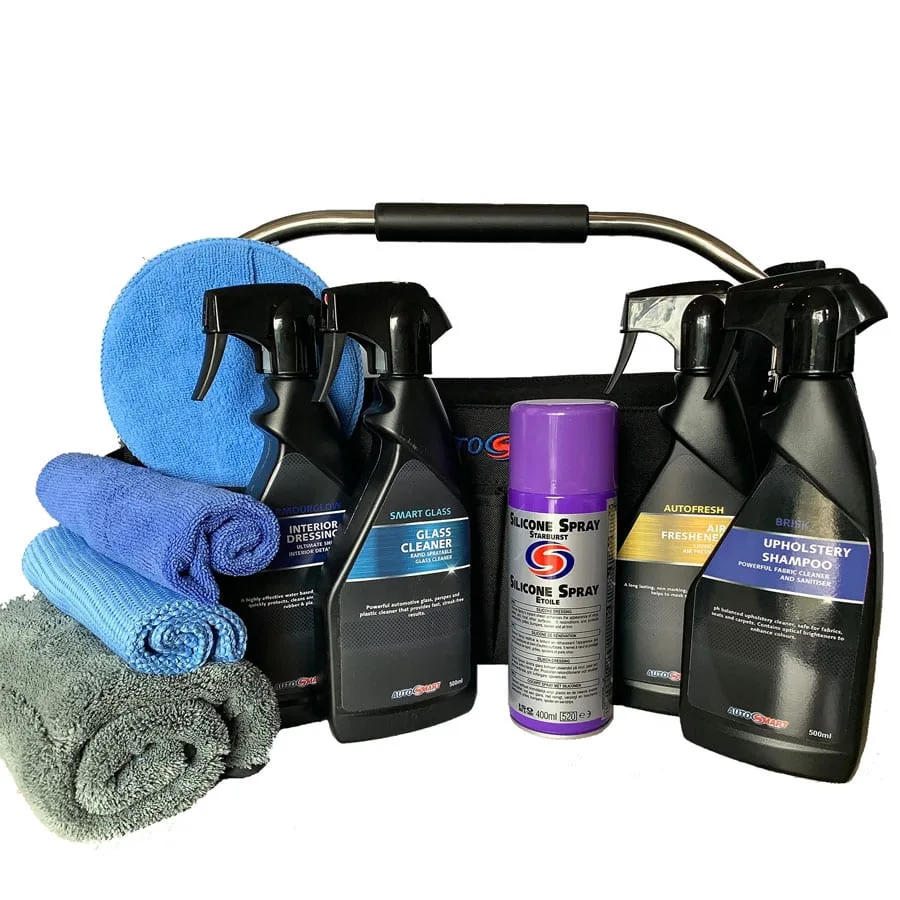
A pH neutral upholstery shampoo formulated for automotive use is the best choice. Products labeled for fabric seats rinse out completely and leave no residue. They cost more per use than Dawn, but they prevent the problems we have covered.
For Leather Seats
Use a leather cleaner with a pH around 5.5 to 6.5. That matches the natural pH of leather. Follow with a leather conditioner to replenish oils.
Any dedicated leather care kit from a reputable brand works well.
For Dashboard and Door Panels
A simple water dampened microfiber cloth cleans most daily dust. For heavier grime, use a dedicated interior cleaner labeled safe for vinyl and plastic. These products evaporate quickly and leave a matte finish.
For Tough Stains (Grease, Coffee, Vomit)
Enzyme based cleaners break down organic stains without harsh detergents. They are available at most auto parts stores. For grease specifically, a small amount of diluted Dawn on a fabric floor mat is acceptable.
But consider a dedicated degreaser for tough jobs.
If you like making your own cleaning solutions, our guide on how to make my own car wash soap includes recipes safe for both exterior and interior use.
Long-Term Care After Using Dawn
If you have already used Dawn on your interior, you can take steps to undo any damage.
Leather Conditioning: Not Optional
If you washed a leather seat with Dawn, you stripped some of its moisture. Apply a high quality leather conditioner within 24 hours. Work it into the surface with a soft cloth.
Allow it to absorb for 15 minutes before buffing off the excess. Repeat this process once a month for the next three months. This helps restore some of the oils that Dawn removed.
Reapplying Fabric Protectant if Needed
Fabric seats that were washed with Dawn may have lost factory applied Scotchgard or similar treatments. Reapply a fabric protectant spray after the seats dry completely. Spray evenly from about six inches away.
Let it cure for at least 24 hours before sitting on the seats. This restores water repellency and makes future stains easier to clean.
For cars with ceramic coatings, be especially careful. If you have a coated vehicle, read up on washing a car with ceramic coating pressure washer to avoid stripping the protection.
Mistakes People Make Every Time
Using Dawn full strength is the most common error. People assume more soap means better cleaning. In reality, full strength Dawn leaves a sticky residue that attracts dust.
Skipping the spot test ranks second. A five minute test can save you from a faded seat or cracked leather. Most damage happens because you didn't check first.
Over wetting the material is another big one. Soaking fabric seats or carpet traps moisture in the foam padding. Mildew can develop in under 48 hours.
Forgetting to rinse properly is also widespread. Even a 1:100 dilution leaves soap behind if you do not wipe with clean water. That residue builds up over multiple washes.
If you have ever wondered about using other dish soaps, our article on cleaning car with Joy dish washing liquid covers similar risks and dilution advice.
Your Decision Guide: Yes, No, or Maybe
Here is a simple way to decide.
If your interior is fabric and you have a greasy stain, use Dawn at 1:100. Rinse well and dry completely.
If your interior is leather or leatherette, do not use Dawn. Choose a dedicated leather cleaner instead.
If you are cleaning the dashboard or door panels, use one drop per gallon of water at most. Plain water works just as well for light dust.
If the surface is the headliner, never use Dawn. Use a dry foam cleaner or nothing at all.
Decision Flowchart (Text-Based)
Ask yourself these questions in order.
One: Is the surface leather? If yes, stop. Do not use Dawn.
Use leather cleaner.
Two: Is the surface the headliner? If yes, stop. Use dry cleaning foam only.
Three: Is the surface vinyl or hard plastic? If yes, use one drop per gallon or plain water.
Four: Is the surface fabric? If yes, use 1:100 Dawn only for grease stains. For everything else, use upholstery cleaner.
Best Practice Summary by Material and Stain Type
| Material | Stain Type | Dawn Okay? | Dilution | Alternative |
|---|---|---|---|---|
| Fabric seat | Grease, coffee | Yes | 1:100 | Upholstery shampoo |
| Fabric seat | Mud, dirt | No | N/A | Water only |
| Leather seat | Any | No | N/A | Leather cleaner |
| Leather seat | Body oils | No | N/A | Leather cleaner + conditioner |
| Vinyl dash | Dust, sunscreen | Maybe | 1 drop/gal | Interior cleaner |
| Headliner | Any | No | N/A | Dry foam cleaner |
| Carpet mat | Grease, salt | Yes | 1:100 | Carpet shampoo |
For more detailed advice on soap formulations, check out our guide on special soap for Tesla which explains why pH matters even more on sensitive surfaces.
Frequently Asked Questions
Does Dawn ruin car leather?
Yes, Dawn can ruin leather. It strips the natural oils and factory sealant. This leads to cracking, fading, and stiffness.
If you must use something mild, use baby shampoo instead. Condition the leather immediately after.
Can I use Dawn on car floor mats?
Yes, on removable fabric or rubber floor mats. Use a 1:100 dilution. Rinse thoroughly with a hose.
Let the mat dry completely before putting it back in the car. Rubber mats can handle full strength but still need rinsing.
What happens if I use undiluted Dawn on car seats?
Undiluted Dawn leaves a sticky soap film. It can discolor fabric and dry out leather. You will need multiple rinses to remove the residue.
On fabric, the foam can soak into the padding and cause mildew.
Is Dawn safe for car carpet?
Dawn is safe for car carpet at a 1:100 dilution. Use it for grease or heavy dirt spots. Extract the moisture with a wet dry vacuum.
Allow 4 to 6 hours of drying time with windows open.
Can I use Dawn on my car headliner?
No. Never use Dawn on your headliner. The foam backing absorbs moisture and loses adhesion.
The fabric will sag or detach. Use a dry cleaning foam or a lightly damp microfiber cloth instead.
How do I remove Dawn residue from car interior?
Mix one part white vinegar with four parts water. Dampen a microfiber cloth with the solution. Wipe the affected area.
Follow with a plain water wipe. Dry thoroughly. This neutralizes the soap film.
What is the best soap for washing car interior?
The best soap is a pH balanced interior cleaner made for automotive use. For fabric, use an upholstery shampoo. For leather, use a dedicated leather cleaner and conditioner.
These products rinse clean and protect the material.