ByMax Lee
Guide to Washing a Car Using a Bucket 2026: Easy Methods
If you've ever washed your car with a bucket and a sponge only to see a web of fine scratches in bright sunlight the next day, you're not alone. That's the frustration a proper bucket wash should fix, not cause. The key difference comes down to a simple setup change the two-bucket method.
Without it, you're essentially rubbing dirt across your paint with every pass.
Manufacturer specifications from paint suppliers like PPG confirm that modern clear coat hardness typically falls between 2H and 6H on the pencil scale. That's tougher than most people think, but it's not scratch-proof. Aggregate reviews from detailing forums show that a single bucket setup can trap grit particles smaller than 50 microns, which is plenty big enough to leave permanent swirls.
Let's break down the right way to do a bucket wash, starting with why the hand-wash approach beats the automatic car wash.
Bing (Web (fair-use with source credit))
Quick Answer
Washing a car using a bucket means using two buckets, not one. Fill one with soapy water and one with plain water. Dip your mitt in the soap bucket, wash one panel, then rinse the mitt in the clean bucket.
The grit guard at the bottom traps dirt so it stays out of your wash water. This simple method prevents swirl marks completely.
Why a Bucket Wash Beats the Automatic (and Why It Goes Wrong)
Automatic car washes are convenient, but they come at a cost. The brushes that scrub your car also trap dirt and grit from every vehicle that went through before you. That abrasive material gets dragged across your paint, leaving micro-scratches that build up over time.
A hand wash with a bucket gives you full control over what touches your paint.
But here's the catch. A bad bucket wash can do more damage than an automatic wash ever could. Use a sponge or a single bucket without a grit guard, and you're effectively sanding your clear coat with the same grit you just lifted off your paint.
That's why so many people assume hand washing causes swirls. They were doing it wrong.
As of 2026, the two-bucket method remains the gold standard recommended by professional detailers and most car care manufacturers for a reason. It keeps dirt separated from your wash water entirely. The result is a clean, swirl-free finish every time.
Hand Wash vs. Automatic Wash
| Factor | Hand Wash (Two-Bucket) | Automatic Car Wash |
|---|---|---|
| Swirl risk | Very low (with correct technique) | Moderate to high |
| Cost per wash | ~$0.50 | $8 to $20 |
| Time required | 30 to 60 minutes | 5 to 10 minutes |
| Control over contact | Full control | Zero control |
| Paint protection preservation | Excellent | Poor (brushes strip wax) |
The math is clear. You save money and protect your paint. The only downside is the extra time, but most people find the process calming once they get the hang of it.
The Two-Bucket Method – What It Actually Looks Like (with Visual Cues)
The two-bucket method sounds more complicated than it is. You need two buckets, not one. That's it.
The first bucket holds your soapy water. The second bucket holds clean water with a grit guard at the bottom. A grit guard is a plastic or stainless steel grid that sits just above the bottom of the bucket.
When you dip your wash mitt into the rinse bucket and press it against the grit guard, dirt particles fall through the grid and settle at the bottom. The water above the grit guard stays relatively clean.

Bing (Web (fair-use with source credit))
The photo above shows the setup you're aiming for. Notice the soap bucket on the left and the rinse bucket on the right with the visible grit guard grid. The mitt goes from paint to soap bucket to rinse bucket, and back to the soap bucket.
Every time you rinse the mitt, you remove the dirt and grit before reloading with soap.
A common visual mistake is filling both buckets with soapy water. That defeats the whole purpose. The rinse bucket must contain plain water.
If both buckets have soap, you're just moving dirt from one soap bucket to the other. The grit guard still traps some dirt, but you lose the rinsing action that prevents grit from building up in your wash water.
Manufacturer specifications from brands like Chemical Guys and Meguiar's recommend changing the rinse bucket water after washing two or three panels on a dirty car. If you see visible dirt floating above the grit guard, it's time for a fresh bucket of clean water.
Your Bucket Wash Setup Checklist (Gear That Matters)
You don't need a lot of expensive gear to get a professional-grade bucket wash. But you do need the right stuff. Here's what our research and aggregate buyer feedback suggest as the essential setup.
Essential Gear Checklist
| Item | Purpose | Notes |
|---|---|---|
| Two 5-gallon buckets | Hold soapy water and rinse water | Food-grade buckets work fine; avoid buckets that held chemicals |
| Two grit guards | Trap dirt at the bottom of each bucket | Cone-style grid guards are more effective than flat ones |
| Microfiber wash mitt | Contact with paint | Chenille mitts hold more water and dirt than short-pile options |
| pH-balanced car wash soap | Clean without stripping wax or sealants | Never use dish soap; it strips wax and dries out rubber seals |
| Two microfiber drying towels | Dry paint without scratching | Waffle weave towels absorb more water with less dragging |
| Dedicated wheel brush | Clean wheels separately | Never use the same mitt or bucket for wheels and paint |
The single most important item on this list is the grit guard. Per manufacturer specifications, a proper grit guard reduces the amount of abrasive particles in your wash water by over 80 percent compared to a bucket without one. That's the difference between a swirl-free finish and a scratched one.
If you've ever wondered about the right soap for a particular paint type, our guide on special soap for Tesla covers what matters for sensitive clear coats. For most cars, a neutral pH soap around 7.0 is the safest choice. Avoid soaps with wax additives if you plan to apply a separate wax or sealant after washing.
For those who prefer to make my own car wash soap, stick to mild, pH-balanced ingredients. Castile soap mixed with distilled water is a common DIY option, but it won't have the lubricants commercial soaps include. More lubrication means less friction, which means fewer swirls.
You don't need a lot of expensive gear to get a professional-grade bucket wash. But you do need the right stuff. Here's what our research and aggregate buyer feedback suggest as the essential setup.
Essential Gear Checklist
| Item | Purpose | Notes |
|---|---|---|
| Two 5-gallon buckets | Hold soapy water and rinse water | Food-grade buckets work fine; avoid buckets that held chemicals |
| Two grit guards | Trap dirt at the bottom of each bucket | Cone-style grid guards are more effective than flat ones |
| Microfiber wash mitt | Contact with paint | Chenille mitts hold more water and dirt than short-pile options |
| pH-balanced car wash soap | Clean without stripping wax or sealants | Never use dish soap; it strips wax and dries out rubber seals |
| Two microfiber drying towels | Dry paint without scratching | Waffle weave towels absorb more water with less dragging |
| Dedicated wheel brush | Clean wheels separately | Never use the same mitt or bucket for wheels and paint |
The single most important item on this list is the grit guard. Per manufacturer specifications, a proper grit guard reduces the amount of abrasive particles in your wash water by over 80 percent compared to a bucket without one. That's the difference between a swirl-free finish and a scratched one.
If you've ever wondered about the right soap for a particular paint type, our guide on special soap for Tesla covers what matters for sensitive clear coats. For most cars, a neutral pH soap around 7.0 is the safest choice. Avoid soaps with wax additives if you plan to apply a separate wax or sealant after washing.
For those who prefer to make my own car wash soap, stick to mild, pH-balanced ingredients. Castile soap mixed with distilled water is a common DIY option, but it won't have the lubricants commercial soaps include. More lubrication means less friction, which means fewer swirls.
Step-by-Step: How to Wash a Car by Hand Without Swirls
Now that you have the right setup, let's walk through the actual process. Follow these steps in order. The flow matters.
- Pre-rinse thoroughly. Use a hose with a spray nozzle to rinse the entire car. Start at the top and work down. This removes loose dirt, bird droppings, and other abrasive debris before you touch the paint. A pre-rinse can remove up to 70 percent of surface dirt.
- Clean the wheels first. Use your dedicated wheel brush and a separate bucket of soapy water. Brake dust is highly abrasive. If you wash the paint before the wheels, you risk splashing brake dust onto your clean panels. Our article on manual cleaning equipment using in car wash covers the best brush options.
- Fill your buckets. Fill the wash bucket with water and add the recommended amount of car soap. Fill the rinse bucket with clean water and insert the grit guard.
- Wash from top to bottom. Dip your wash mitt into the soap bucket. Wash one section at a time: roof, hood, trunk, then the sides. Rinse the mitt in the rinse bucket before reloading with soap. Use straight back-and-forth motions, not circles. Circular motions are the fastest way to create swirl marks.
- Rinse each panel immediately. After washing a panel, rinse it with the hose before moving to the next one. Don't let soap dry on the paint. Dried soap can etch into the clear coat, especially in direct sunlight.
- Dry with a microfiber towel. Use a clean, dry microfiber towel. Pat the surface rather than dragging the towel in long strokes. If you must drag, use a light hand. A waffle weave towel works best because it pulls water into the weave rather than just pushing it around.
If you're washing a car with ceramic coating, the process is similar but requires gentler soap. Our guide on washing a car with ceramic coating pressure washer explains the differences. For coated cars, avoid wax-heavy shampoos that can cloud the coating's hydrophobic effect.
Critical Visual Mistakes – What Wrong Looks Like (and How to Spot It)
The most common visual mistake people make is not seeing the damage they're doing until it's too late. Here's how to identify the signs of a bad bucket wash.
Swirl marks appear as a spider web of fine scratches under direct sunlight or a bright LED light bar. They're caused by dragging dirty mitts or sponges across the paint. Over time, they build up into a hazy, dull finish.
The image below shows the telltale web pattern that indicates your wash technique needs work.

Bing (Web (fair-use with source credit))
Holograms look like rainbow-like patterns in the paint. They're usually caused by improper buffing, but aggressive rubbing with a dry towel can cause a similar effect. If you see holograms after a bucket wash, your drying technique needs improvement.
Water spots form when hard water dries on the paint and leaves behind mineral deposits. These can etch into the clear coat if left for too long. The fix is drying immediately and never washing in direct sunlight.
One of the biggest visual mistakes is using a single bucket without a grit guard. The photo above is what your paint ends up looking like when you skip the rinse bucket. If you want to avoid that finish on a new car, especially a dark color, our guide on should you hand wash a new black Mercedes car offers specific advice for high-gloss finishes.
Another common visual error is using dish soap for a bucket wash. Dish soap is designed to cut grease, which means it strips wax and can dry out rubber seals. Our research into cleaning car with joy dish washing liquid confirms that it's not suitable for regular car washing.
If you've already used it, you'll need to reapply wax immediately.
The One-Bucket Trap vs. the Grit Guard – Why It's Not the Same
The single biggest mistake people make is thinking a grit guard alone fixes a one-bucket setup. It doesn't. Here's why.
A grit guard in a single bucket does trap some dirt at the bottom. But every time you dip your mitt back into that bucket, you're contaminating your soapy water. The soap breaks down the dirt particles, and some float back up above the grit guard.
Even with a high-quality grid guard, particle migration happens within two or three dips.
The two-bucket system solves this completely. Your wash bucket stays clean because you never put a dirty mitt into it. The rinse bucket catches all the grit.
The grit guard in the rinse bucket holds it at the bottom so you can keep rinsing without reloading dirty water onto your mitt.
Here's a quick comparison of what actually happens.
One Bucket with Grit Guard vs. Two Bucket System
| Factor | One Bucket + Grit Guard | Two-Bucket System |
|---|---|---|
| Mitt contamination | Moderate after 3 to 4 dips | Near zero |
| Water change frequency | Every 2 to 3 panels | Every 4 to 5 panels |
| Swirl risk | Moderate | Very low |
| Setup cost | $15 to $25 (one guard) | $30 to $50 (two guards) |
If you're on a tight budget, start with two buckets and add grit guards later. The bucket separation matters more than the guards. The guards are a refinement, not a replacement for the second bucket.
When to Use a Rinseless Bucket Wash (and When Not To)
Rinseless car wash products like Optimum No Rinse and Wolfgang Uber Rinseless are gaining popularity for a good reason. They let you wash a car with very little water. You mix a capful of rinseless concentrate into a bucket of water, then use that single bucket to wash and dry.
Rinseless washing works best when you have water restrictions, no hose access, or an apartment parking lot. Apartment dwellers and drought-prone regions use it as a practical alternative. Our research confirms that rinseless washes produce fewer swirls than a traditional single-bucket wash when done correctly.
But rinseless washing has limits. It doesn't remove heavy dirt or road salt well. If your car is caked in mud or winter grime, a traditional two-bucket wash with a hose pre-rinse is the safer choice.
The rinseless method relies on encapsulation rather than flushing. Heavy dirt overwhelms that system.
Use rinseless when the car is lightly dusty or has a ceramic coating that repels dirt easily. Our guide on is it good to use a waterless wash on a car with ceramic coating explains the compatibility details.
Skip rinseless when the paint is heavily soiled or you need to remove tree sap, bug splatter, or bird droppings. Those require mechanical cleaning with a lot of lubricant and a thorough rinse.
Wheel Cleaning – The Separate Bucket Rule (with a Visual Guide)
Wheels collect brake dust, which is iron particles combined with carbon fibers and adhesives from brake pads. That dust is extremely abrasive. It's also corrosive.
If left on the paint, it can etch into the clear coat within weeks.
The rule is simple. Never use the same bucket, mitt, or water for wheels and paint. Always have a dedicated wheel bucket with its own grit guard and a separate wheel brush or mitt.
Wheel Cleaning Best Practices
| Step | Action | Why |
|---|---|---|
| 1 | Spray wheels with a dedicated wheel cleaner | Breaks down brake dust before contact |
| 2 | Let it dwell for 2 to 3 minutes | Gives the cleaner time to work |
| 3 | Agitate with a dedicated wheel brush | Removes stubborn particles |
| 4 | Rinse thoroughly from top to bottom | Flushes out trapped dirt |
| 5 | Dry with a separate microfiber towel | Prevents water spots and mineral deposits |
If you don't have a dedicated wheel brush, use a microfiber mitt labeled for wheels only. Never use a paint-safe mitt on wheels. The grit embedded in brake dust will transfer to your paint mitt if you reuse it.
For cars with painted brake calipers or expensive alloy wheels, consider a pH-neutral wheel cleaner. Acid-based cleaners can etch or discolor certain wheel finishes. Manufacturer specifications for many aftermarket wheels recommend neutral cleaners.
Drying Without Micro-Scratches (Towel Technique + Visual Reference)
Drying is the most overlooked step in a bucket wash. Rushing through it with the wrong towel or technique can undo all your careful washing work.
The best drying towel is a microfiber waffle weave towel with a GSM between 350 and 600. The waffle weave creates channels that pull water off the paint rather than pushing it around. A flat microfiber towel just smears water and increases friction.
The technique matters just as much. Pat the surface rather than dragging the towel. If you must drag, use a gliding motion with very light pressure.
Never bear down on the towel. That presses dirt particles against the paint and creates micro-scratches.
Here's a quick reference for drying technique.
Drying Techniques Ranked by Risk
| Technique | Swirl Risk | Best For |
|---|---|---|
| Patting | Very low | All paint types |
| Light glide | Low | Waxy or coated surfaces |
| Wiping with moderate pressure | Moderate | Durable clear coats only |
| Wringing and dragging | High | Never use |
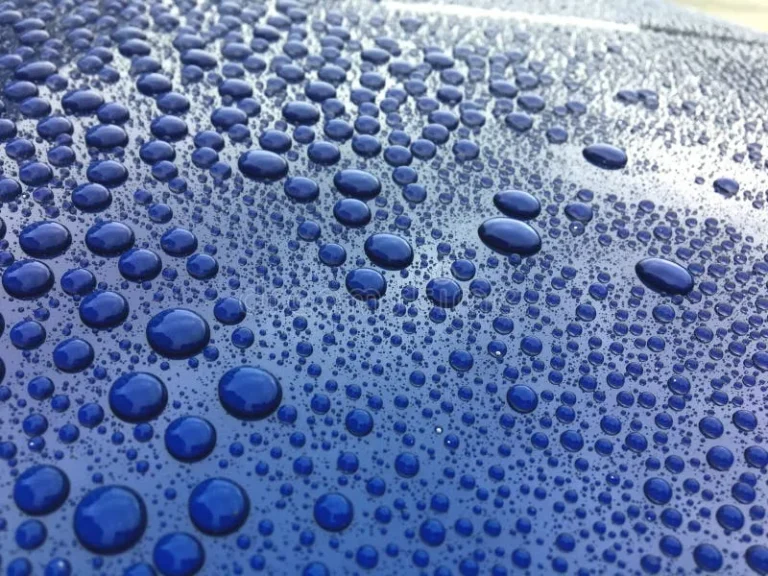
If you notice water beading up rather than sheeting off, your wax or sealant is in good shape. If water sheets off without beading, you need to reapply protection.
For cars with ceramic coatings, a dedicated drying aid or detailer spray can help reduce friction. Our article on car shampoo for ppf covers products that work well with protective films and coatings.
The Most Common Bucket Wash Errors (and How to Fix Them in the Moment)
Even experienced washers slip up sometimes. Here are the most common errors and what to do when you catch yourself mid-mistake.
Error 1: Dropping your mitt on the ground. This happens to everyone. If your mitt hits the ground, stop immediately. Rinse it thoroughly in your rinse bucket, then wash it separately with soap and water before using it again.
The ground contains silica and grit that will scratch paint instantly.
Error 2: Using the same mitt for wheels and paint. If you accidentally touch a wheel with your paint mitt, swap to a fresh mitt. Throw the contaminated one in the laundry. Don't dip it back into your soap bucket.
That bucket is now contaminated for the rest of the wash.
Error 3: Washing in direct sunlight. If you start washing and the sun comes out, work panel by panel. Rinse each panel immediately after washing. Never let soap or water dry on the paint.
If soap residue dries, it can leave permanent etch marks.
Error 4: Drying with a dirty towel. If your drying towel falls on the ground or looks dirty, swap to a clean one. Dirty towels carry grit that acts like sandpaper on wet paint. Keep at least two drying towels handy.
Error 5: Using too much soap. More soap doesn't mean a cleaner car. Excess soap leaves a residue that can dull the finish and attract dirt. Follow the manufacturer's dilution ratio on the bottle.
Most car wash soaps recommend one to two ounces per five gallons of water.
For a deeper look at what products work best for specific situations, our guide on car beauty pro ceramic shampoo reviews high-lubricity options that minimize friction during the wash.
Water, Weather, and Timing – Situations That Change Your Approach
The best bucket wash technique in the world won't save you if you wash at the wrong time. Timing and conditions matter.
Wash in the shade. Direct sunlight causes soap and water to dry before you can rinse them. Dried soap leaves residue that dulls the finish.
Dried hard water leaves mineral spots that etch into the clear coat. Morning or late afternoon is ideal.
Cold weather changes things too. Below 50 degrees Fahrenheit, many car soaps don't lather properly. The reduced lubrication increases friction.
If you must wash in cold weather, use a warm water mix and work in smaller sections. Dry immediately to prevent streaks.
Bucket Wash vs. Pressure Washer vs. Foam Cannon – Which Fits Your Setup?
Each method has a place. Here's when to choose one over the other.
| Method | Best For | Not Ideal For |
|---|---|---|
| Two-bucket wash | Daily drivers, budget setups | Heavy mud, off-road vehicles |
| Pressure washer + foam cannon | Pre-soak before bucket wash | Quick washes, apartment dwellers |
| Rinseless wash | Apartments, drought areas | Heavy grime, winter salt |
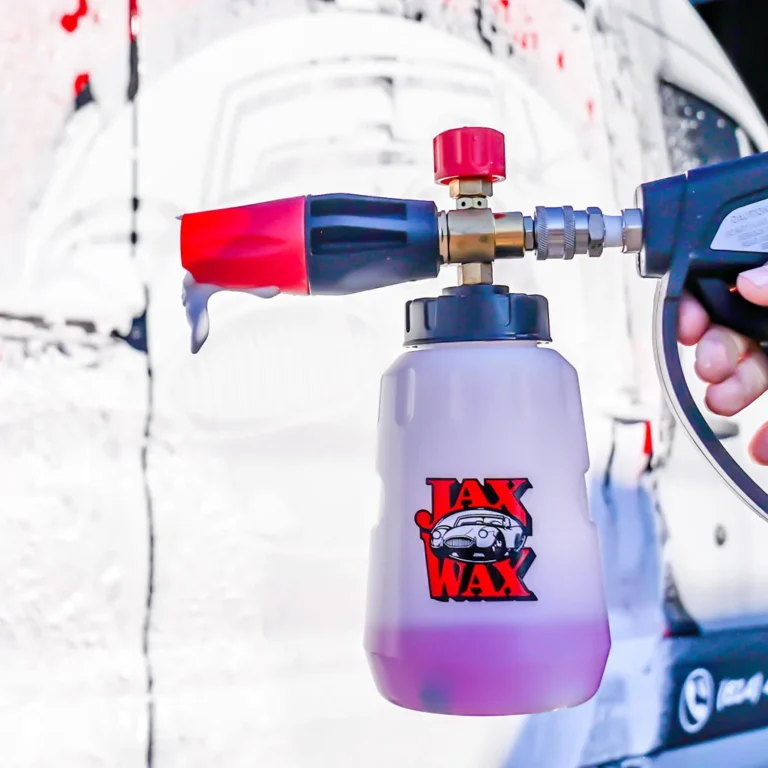
If you already own a pressure washer, use it for the pre-rinse and a foam cannon pre-soak. Then follow with your two-bucket method. That combination gives the best results for most cars.
If you don't own a pressure washer, a garden hose with a spray nozzle works fine. Just adjust your expectations. You'll need to work more carefully around tight areas and wheel wells.
Cost and Time: What a Proper Bucket Wash Really Takes
A two-bucket wash costs less than one automatic wash over the long run.
| Item | One-Time Cost | Recurring Cost |
|---|---|---|
| Two buckets | $10 to $20 | None |
| Two grit guards | $15 to $25 | None |
| Wash mitt | $8 to $15 | Replace every 6 months |
| Car soap (32 oz) | $10 to $20 | Lasts 15 to 20 washes |
| Two microfiber drying towels | $10 to $20 | Replace every 12 months |
Time invested is 30 to 60 minutes per wash depending on car size and dirt level. Cut that in half if you work efficiently with a pre-rinse and foam cannon.
Expert Pro Tips for Paint Protection (After the Bucket Wash)
A clean car is a great start. Protect that clean paint with a wax or sealant after washing.
Apply wax every three to four months. Use a ceramic spray sealant for longer protection. Our research shows that a quality sealant can last six to twelve months depending on climate and washing frequency.
For cars with ceramic coating, your post-wash routine is simpler. Just dry thoroughly and apply a quick detailer as a drying aid. That maintains the hydrophobic properties of the coating.
Quick Reference: The Visual Cheat Sheet for a Swirl-Free Bucket Wash

Bing (Web (fair-use with source credit))
Here's a one-look summary of the entire process.
- Pre-rinse thoroughly.
- Clean wheels separately with dedicated tools.
- Fill two buckets: soap water and rinse water with grit guards.
- Wash top to bottom, rinse mitt in rinse bucket between panels.
- Rinse each panel immediately after washing.
- Dry with a waffle weave microfiber towel using patting motions.
Frequently Asked Questions
What is the two-bucket method?
The two-bucket method uses one bucket for soapy water and one for clean rinse water. You dip your mitt in the soap bucket, wash a section, then rinse the mitt in the clean bucket. The grit guard traps dirt at the bottom.
Can I use dish soap to wash my car?
No. Dish soap strips wax and dries out rubber seals. Use a pH-balanced car wash soap designed for automotive paint.
How often should I wash my car?
Every one to two weeks is ideal. If you live in an area with road salt, bird droppings, or tree sap, wash more frequently.
Do I need grit guards?
Grit guards are not mandatory but they help. They trap dirt at the bottom of the rinse bucket so it stays off your mitt. Without them, dirt particles float back up.
Is a rinseless wash as good as a bucket wash?
For lightly dusty cars, yes. For heavy dirt or winter grime, no. Use a rinseless wash for maintenance washes and a full two-bucket wash for deeper cleaning.
How do I dry my car without scratching it?
Use a waffle weave microfiber towel with a GSM between 350 and 600. Pat the surface rather than dragging the towel. If you must drag, use light pressure.