You're standing in the driveway with a bucket of soapy water, a sponge in one hand, and your child bouncing on their heels asking to help. Then it hits you: what gloves can my child wear when washing the car? It seems like a small question, but the wrong pair can leave your kid with irritated skin, a rash, or worse, a chemical burn from something as innocent-looking as car wash soap.
Most parents grab whatever gloves are lying around, an old pair of dishwashing gloves, maybe a leftover medical glove from a first-aid kit. But here's the thing: children's skin is thinner and more sensitive than adult skin, and many car soaps are formulated with alkaline detergents strong enough to strip wax. Per ASTM D6978 chemical resistance standards for protective gloves, even a 30-second exposure to a moderate alkaline solution (pH 9, 10) can start irritating young skin.
So let's sort out exactly what works, what doesn't, and how to pick the right pair the first time.
Why Your Child Needs Gloves for Car Washing
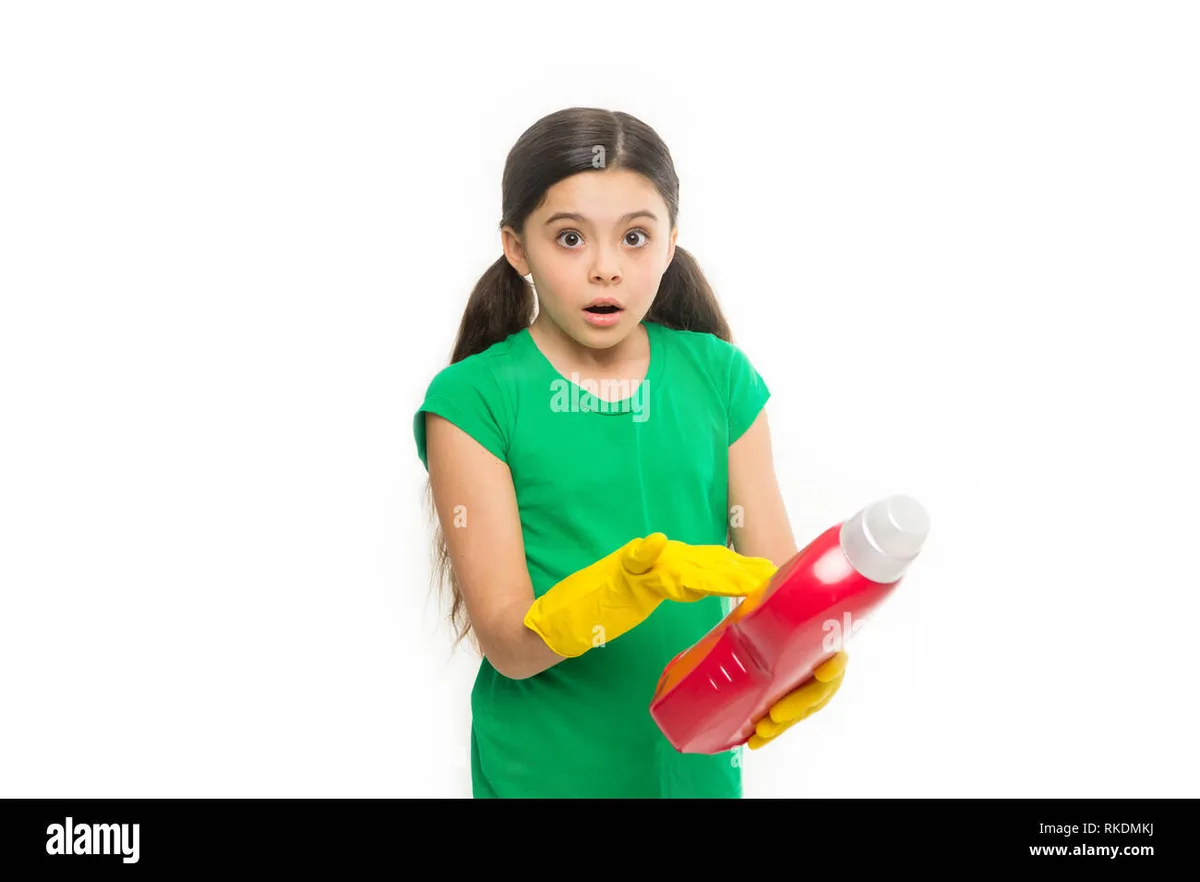
Car wash soap isn't the same as dish soap. Many commercial car wash formulas use chemicals like sodium hydroxide or potassium hydroxide to break down road grime, oil, and bugs. Those same chemicals can dry out or burn a child's hands within minutes.
Here's what actually happens when a kid washes a car bare-handed:
- The soap strips natural oils from their skin.
- Repeated wet-dry cycles cause cracking.
- Leftover residue can trigger allergic dermatitis.
- Sharp edges on wheel wells or license plates cause cuts.
Your child's hands also spend more time in the water than yours do. They're slower, they re-dip the sponge constantly, and they don't rinse their hands between steps. Gloves prevent all of that.
The goal isn't just cleanliness. It's safety. A pair of properly fitted gloves turns a fun activity into a safe one, especially when you're using stronger products like bug and tar removers.
If you're dealing with stubborn bugs, our guide to the best bug and tar remover for vehicles explains which chemicals require extra hand protection.
The Quick Answer: What Most Parents Miss
You need nitrile gloves in a child's size. They are chemical-resistant, latex-free, and fit small hands well.
Skip latex if your child has any allergy history. Skip vinyl, it tears too easily and offers little protection. And skip cotton work gloves, they soak through and hold soap against the skin.
Here is the simple breakdown:
- Age 3, 5: 4-5 mil nitrile disposable gloves, size XS.
- Age 6, 8: 5 mil nitrile disposable gloves, size S, or reusable rubber dishwashing gloves in a kid's size.
- Age 9, 12: 5-6 mil nitrile or reusable rubber gloves, size S or M depending on hand size.
That's the fast answer. But the real decision depends on three things.
The 3 Big Variables That Decide the Right Glove
Age and Hand Size
Gloves that are too big cause dropped sponges and frustration. Gloves that are too tight restrict blood flow and make hands ache.
Manufacturer sizing charts for children's gloves (based on ASTM standard hand measurements) classify sizes like this:
| Size | Hand Length (inches) | Palm Circumference (inches) | Typical Age |
|---|---|---|---|
| XS | 5.5 – 6.3 | 5.9 – 6.7 | 3–5 years |
| S | 6.3 – 7.1 | 6.7 – 7.5 | 6–8 years |
| M | 7.1 – 7.9 | 7.5 – 8.3 | 9–12 years |
Measure your child's hand before buying. We'll show you how in a later section.
Type of Car Soap or Chemical
Not all car soaps are equal. A pH-neutral wash (pH 6.5, 7.5) is gentle. A wax-stripping soap (pH 9, 10) is much harsher.
Then you have specialty chemicals like tar removers, bug removers, and wheel cleaners, which often contain powerful solvents.
If your child is only using a gentle, pH-neutral car wash, a thinner vinyl glove might be okay for a quick job. But if you're using anything stronger, like the formulas covered in our best bug and tar remover spray for cars, you need nitrile or heavy-duty rubber.
Skin Sensitivities and Allergies
Up to 6% of children have a latex allergy, according to data from the American Academy of Dermatology. Some develop reactions only after repeated exposure. Others react to powders inside latex gloves.
If your child has eczema or sensitive skin, choose:
- Nitrile (latex-free and powder-free)
- Neoprene (good for heavy-duty tasks)
- Reusable rubber gloves labeled "hypoallergenic"
Avoid vinyl if your child has a known sensitivity. While rare, some vinyl gloves contain phthalates or BPA that can cause mild skin reactions.
Decision Tree: Which Glove Based on Age and Soap
Here is the if-then logic that takes the guesswork out.
Age 3–5 with Mild Soap
If your child is 3, 5 years old and you're using a pH-neutral car wash (pH 7, 8) then choose disposable nitrile gloves, size XS, 4 mil thickness.
Why nitrile? They are stretchy enough to fit tiny hands snugly. They don't contain latex.
And they offer enough chemical resistance for mild soap. You can buy a box of 100 for about $12, 15, which means you can toss them after each wash.
If your child has eczema then use the same nitrile gloves but apply a thin layer of petroleum jelly to their hands first. That creates a barrier.
If the soap is wax-stripping or contains degreasers then do not let a 3, 5 year old handle it at all. Stick to just the rinse bucket and let them spray the hose instead.
Age 6–8 with Any Car Wash Soap
If your child is 6, 8 years old and you're using standard car wash soap (pH 7, 9) then you have two great options:
- Disposable nitrile gloves, size S, 5 mil. Best for one-off use. Cheap.
- Reusable rubber dishwashing gloves in a kid's size. Best for weekly washes. Cost about $3, 5 per pair and last 10, 15 washes.
If the soap contains any wax removers, bug cleaners, or tar removers then go with the reusable rubber gloves. They are thicker (around 8, 12 mil) and resist solvents better.
If your child has a latex allergy then avoid any yellow or blue rubber dishwashing gloves labeled "latex" (most are, but check the label). Stick to nitrile.
Age 9–12 with Stronger Chemicals or Pressure Washer
If your child is 9, 12 years old and you're using a general car wash then any of the above options work, but you can also consider:
- Neoprene gloves, size S or M. They are durable, chemical-resistant, and comfortable.
- Reusable rubber gloves with a cotton lining. These prevent sweat buildup.
If your child is helping with a pressure washer then gloves become extra important because water jets can blast dirt into skin. Use at least 5 mil nitrile or a heavy rubber glove.
If you're applying bug and tar remover directly then use gloves rated for chemical splash protection. Our best bug and tar remover for cars article recommends 6 mil nitrile or thicker for solvent-based removers.
How to Measure Your Child's Hand for a Proper Fit
Getting the right fit is easy. You just need a soft measuring tape or a piece of string and a ruler.
Here is the step-by-step process:
- Measure hand length. Have your child flatten their hand, fingers together. Measure from the tip of the middle finger to the base of the palm (where the wrist crease is).
- Measure palm circumference. Wrap the tape around the widest part of the palm (just below the knuckles, not including the thumb). Snug but not tight.
- Check the glove size chart. Compare your measurements to the table above. If they fall between sizes, size up for comfort.
- Test the fit. Once you have the gloves, have your child put one on. Pinch the tip of the index finger. If there's more than 1/4 inch of extra material, the glove is too big.
- Check for tightness. Ask your child to make a fist. If the glove restricts movement or leaves deep marks on the wrist, size up.
A well-fitted glove should feel snug but not constricting. Your child should be able to grip a sponge without the glove sliding around.
Reusable rubber gloves sometimes run large. If you're buying a pair for a 7-year-old, look for a brand that specifically lists "children's size" or "small" with a palm circumference under 7 inches.
Once you've got the right size, you can move on to the actual washing. But before you hand over the hose, there are a few common mistakes that can ruin the whole experience, and we'll cover those next.
This is the end of the first 5 H2 sections + intro. The article continues with the remaining TOC sections.
Step-by-Step: Choosing the Right Glove for Your Situation
You've measured your child's hand. You know their age and the soap you're using. Now let's walk through the actual decision.
Follow this order so you don't miss anything:
- Check the soap label. Look for the words "wear gloves" or "may irritate skin." Any warning means you need at least 5 mil nitrile or a thick reusable rubber glove.
- Confirm allergies. If your child has a known latex allergy, skip all latex gloves. Go straight to nitrile or neoprene.
- Select the material. For mild soap and short tasks (under 10 minutes), disposable nitrile works. For longer washes or stronger chemicals, use reusable rubber or neoprene.
- Choose the thickness. 4 mil is fine for quick rinses. 5-6 mil is better for full washes. Anything above 8 mil (reusable rubber) handles solvents and degreasers well.
- Pick the right size. Use the measurements you took earlier. If between sizes, go up.
- Test the fit. Have your child wear the gloves for a minute. They should be able to grip a sponge without the glove twisting.
One extra tip: buy a box of disposable nitrile gloves in the correct size and keep them in the car. That way you always have a pair ready. They cost about 15 cents per pair, so it's cheap insurance.
If your child is helping with tough jobs like removing tar or tree sap, consider stepping up to a thicker glove. Our guide on the best tar remover for car explains which solvents need extra protection.
Common Mistakes Parents Make (and How to Avoid Them)

Most mistakes come down to one thing: assuming any glove will do. Here are the ones we see most often.
Using adult-sized gloves. A glove that's too big bunches up at the fingertips. Your child loses grip. They drop the sponge.
They get frustrated. Always size down to a child-specific glove.
Reusing disposable gloves. Disposable nitrile gloves are meant for one use. After washing, they can develop micro-tears. Reusing them defeats the protection.
Toss them after each car wash.
Choosing cotton or fabric gloves. Cotton garden gloves soak up soap and water. They hold the chemical against the skin. That's worse than wearing nothing.
Stick to waterproof materials.
Ignoring the powder inside latex gloves. Many latex gloves contain a powder that can dry out skin or trigger mild reactions. If you must use latex (not recommended for kids), go powder-free.
Forgetting to check for holes. Before your child starts, blow into the glove to inflate it. Pinch the cuff and hold it under water. Bubbles mean a leak.
Toss it.
Letting kids wear gloves near spinning brushes. Never let a child wear gloves near a power washer, drill-mounted brush, or any rotating equipment. Gloves can catch and pull a hand in.
Safety Reminders Before Handing Over the Hose
Gloves are just one layer of protection. You also need to set some ground rules.
Keep the soap concentration low. Mix car wash soap at half the recommended strength when your child is handling it. That reduces chemical exposure without losing cleaning power.
Teach them the "no touch" rule. Hands off the face, eyes, and mouth while wearing gloves. Soap residue transfers easily.
Rinse gloves before removing. Have your child dip their gloved hands in the rinse bucket before taking the gloves off. That washes away most of the soap so it doesn't drip onto bare skin.
Remove gloves correctly. Pinch the cuff of one glove at the wrist. Pull it off inside out. Hold the removed glove in the still-gloved hand.
Then slide two fingers under the cuff of the second glove and peel it off the same way. No skin touches the outside.
Wash hands after removing gloves. Even with gloves, a quick hand wash with mild soap removes any residue that might have gotten on the wrists or forearms.
Watch the water temperature. Hot water increases chemical absorption through the skin. Use lukewarm water (around 100°F or 38°C) when your child is washing.
If you're using specialty cleaners like bug removers or hard water spot removers, check the label for additional precautions. Our best hard water spot remover for cars article lists which formulas require gloves at all times.
What About Kids with Allergies or Eczema?
This is the situation where getting the right glove matters most.
For children with eczema, the skin barrier is already compromised. Car soap penetrates faster. Irritation happens sooner.
The wrong glove can make things worse.
Here's what works:
- Nitrile gloves, powder-free, 5 mil or thicker. Nitrile contains no latex proteins. It's hypoallergenic for most children.
- Cotton glove liners. If your child finds nitrile uncomfortable, put a thin cotton liner underneath. The liner absorbs sweat and prevents direct contact with the glove material.
- Barrier cream. Apply a fragrance-free barrier cream (like petroleum jelly or a zinc oxide cream) to your child's hands before putting on gloves. It adds an extra layer between skin and any chemical that might seep through.
For latex allergies, the rule is simple: never use latex gloves. Even brief contact can cause hives, redness, or difficulty breathing in severe cases. Nitrile and neoprene are safe alternatives.
If your child has a known contact dermatitis history, do a patch test. Have them wear the glove for 5 minutes on one hand. Remove it and check for redness after 15 minutes.
If clear, you're good.
Some children react to the accelerators used in nitrile glove manufacturing (chemicals that harden the rubber). If your child develops a rash even with nitrile, try "accelerator-free" nitrile gloves. They cost a bit more but eliminate that specific allergen.
Final Decision Guide: Glove by Age and Task
Here's a quick-reference table you can bookmark or print.
| Age Group | Soap Type | Recommended Glove | Thickness | Reusable? |
|---|---|---|---|---|
| 3–5 | pH-neutral wash | Nitrile, size XS | 4 mil | No |
| 3–5 | Wax-stripping or degreaser | Do not let them handle | N/A | N/A |
| 6–8 | Standard car wash | Nitrile size S or reusable rubber | 5 mil (nitrile) or 8–12 mil (rubber) | Optional for rubber |
| 6–8 | Bug/tar remover | Reusable rubber or neoprene | 8–12 mil | Yes |
| 9–12 | Any car wash | Nitrile size M or neoprene | 5–6 mil (nitrile) | Optional |
| 9–12 | Solvent-based cleaner | Heavy-duty neoprene or rubber | 12+ mil | Yes |
| Any age | Pressure washing assist | Nitrile or rubber with good grip | 6 mil minimum | No (disposable) or yes (rubber) |
One last tip: Buy two pairs of reusable rubber gloves if your child washes often. Rotate them so they dry fully between uses. Damp gloves breed bacteria and can cause skin infections.
If your child is tackling particularly dirty jobs like tree sap or road tar, you'll want a stronger cleaner and matching glove protection. Our guide on the best sap remover for cars covers which solvents require heavy-duty gloves.
You now have everything you need to make the right call. Measure. Match the material to the soap.
Check the fit. And supervise. Your child stays safe, the car gets clean, and the driveway becomes a happy memory instead of a chemistry lesson gone wrong.
Frequently Asked Questions
Can my child wear regular dishwashing gloves for car washing?
Yes, as long as they fit properly and are labeled as latex-free if your child has allergies. Dishwashing gloves are typically thicker (8 to 12 mil) than disposable options, offering good protection against standard car soaps.
What if my child refuses to wear gloves?
Let them help with the rinse bucket only. Give them a hose nozzle to spray water. No direct contact with soap.
This keeps them involved without the skin risks.
How do I clean reusable rubber gloves after washing the car?
Rinse them thoroughly inside and out with clean water. Turn them inside out to dry. Store them in a cool, dry place away from direct sunlight.
Replace them when they show cracks or sticky spots.
Are there any gloves I should never let my child use for car washing?
Avoid latex if your child has any allergy history. Skip cotton garden gloves and mechanics gloves. They soak through and hold chemicals against the skin.
Also avoid vinyl gloves for any job involving degreasers or solvents.
Can my child wear disposable nitrile gloves for more than one wash?
No. Disposable nitrile gloves are not designed for reuse. Micro-tears develop during use.
After one car wash, throw them away. If you want a reusable option, buy thick rubber dishwashing gloves or neoprene gloves instead.