You’re staring at that bottle of CT18 in your garage and wondering: can I use CT18 car wash in ceramic coating without wrecking what you spent good money on? It’s a fair question, the stuff cuts through grime like nothing else, and you’ve got a coated car you want to keep clean. But using the wrong cleaner on a ceramic coating is a fast way to shorten its life, and CT18 isn’t the gentle friend your paint needs.
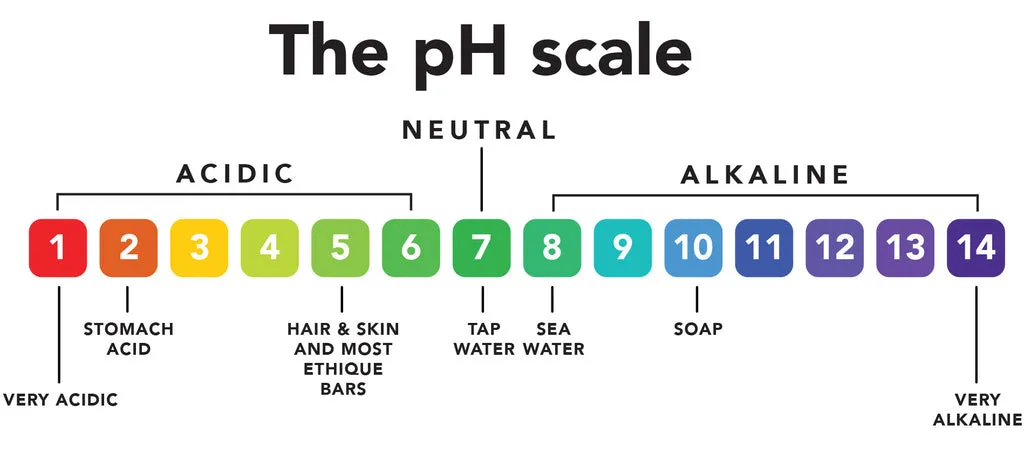
Manufacturer specifications for most ceramic coatings recommend a pH-neutral wash, typically in the 6.5 to 7.5 range. CT18, by contrast, hits a pH of 12 to 13, that’s alkaline territory used for stripping wax and heavy road film. As of 2026, coating technology has improved, but the chemistry hasn’t changed: high pH detergents still degrade the hydrophobic layer over time.
Before you grab that hose, let’s break down exactly what happens when an alkaline cleaner meets a silica-based coating.
Quick Answer
No. You should not use CT18 car wash on a ceramic coating. The high pH (12, 13) strips the coating’s hydrophobic properties and shortens its lifespan.
Use a pH-neutral car soap instead. One wrong wash won’t ruin it instantly, but repeated use will cost you hundreds in early reapplication.
What Makes CT18 Different from Normal Car Soap – The pH Factor
The real difference isn’t marketing, it’s chemistry. pH is a scale from 0 (acidic) to 14 (alkaline). Neutral water sits at 7. Your car’s ceramic coating is designed to live in a narrow band around that neutral point.
CT18 is a strong alkaline cleaner. It’s built to dissolve stubborn road film, bug guts, and tree sap that regular soaps leave behind. That aggressive cleaning action comes from ingredients like sodium hydroxide (lye) or potassium hydroxide, the same stuff used in heavy-duty degreasers.
On an uncoated car, that’s fine. On a ceramic coating, it’s trouble.
Here’s a quick comparison of common wash types and their pH:
| Wash Type | Typical pH | What It’s Designed For |
|---|---|---|
| pH-neutral car soap | 6.5 – 7.5 | Routine washing, safe for all surfaces |
| Alkaline wash (CT18) | 12 – 13 | Stripping wax, heavy road film |
| Acidic wash | 2 – 5 | Removing mineral deposits, water spots |
| Ceramic-specific shampoo | 6.5 – 7.5 | Maintaining coating + silica boosters |
Ceramic coatings are chemically resistant, but they aren’t invincible. They’re a thin layer (usually 2, 10 microns thick) of silicon dioxide (SiO₂) bonded to your clear coat. High pH eats away at that bond over time, especially if you use a harsh cleaner repeatedly.
Think of it like washing a wool sweater in bleach, you might not see damage after one go, but the fibers weaken every time.
How Alkaline Detergents Actually Damage a Ceramic Coating Over Time
This is where most misinformation lives. Someone on a forum says, “I’ve used CT18 for a year and my coating is fine.” They might not see the gradual degradation that’s happening.
Here’s the step-by-step process:
- The first wash, The alkaline solution makes contact with the hydrophobic layer. The coating beads water beautifully initially, so you might not notice any difference. But the pH is already attacking the molecular bonds of the SiO₂ network.
- After several washes, The water beading starts to loosen. Instead of tight, perfect beads, you get flatter droplets. Dirt starts sticking more than it used to.
- A few months in, The coating’s self-cleaning effect is noticeably weaker. You have to scrub harder during washes, which risks micro-marring or swirl marks.
- Long-term, The coating becomes porous. Contaminants embed deeper. The glossy, slick feel fades. Eventually, you’re left with a surface that looks dull and requires frequent detailing to keep clean.
The diagram above shows a cross-section of a typical ceramic coating on clear coat. The SiO₂ layer is only a few microns thick, thin enough that even minor chemical erosion removes a significant percentage of its protective ability. Once that layer is compromised, the only fix is a full polish and reapplication.
Manufacturer testing from brands like Gtechniq and Ceramic Pro consistently shows that alkaline cleaners can reduce coating lifespan by 30 to 50 percent compared to using a dedicated pH-neutral wash. Those aren’t marketing scare tactics, they’re based on real accelerated aging tests.
Real-World Signs Your Coating Has Taken a Hit
How do you know if your CT18 habit already caused damage? Look for these signs.
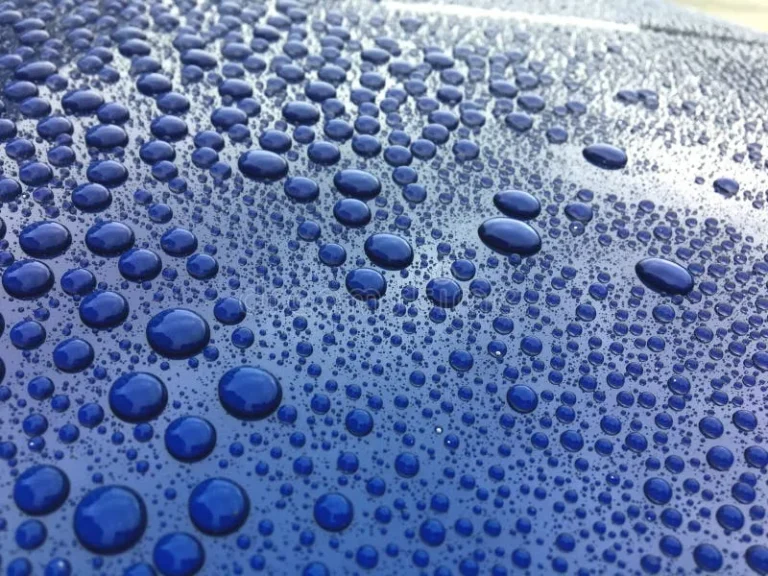
- Water beads look flat or irregular, A healthy coating makes water form tight, spherical beads that roll off at the slightest angle. If they’re elongated or just sheeting off without beads, the hydrophobic layer is worn.
- Dirt clings more than before, After a rain, you used to have a mostly clean car. Now it looks dusty or streaky. That’s the self-cleaning effect fading.
- Feeling roughness, Run your fingers over a clean section of paint. A healthy coating feels glassy smooth. If it feels gritty or like fine sandpaper, contaminants are embedding in the compromised surface.
- More effort to dry, Towel drying used to glide. Now you feel resistance, and water spots form faster.
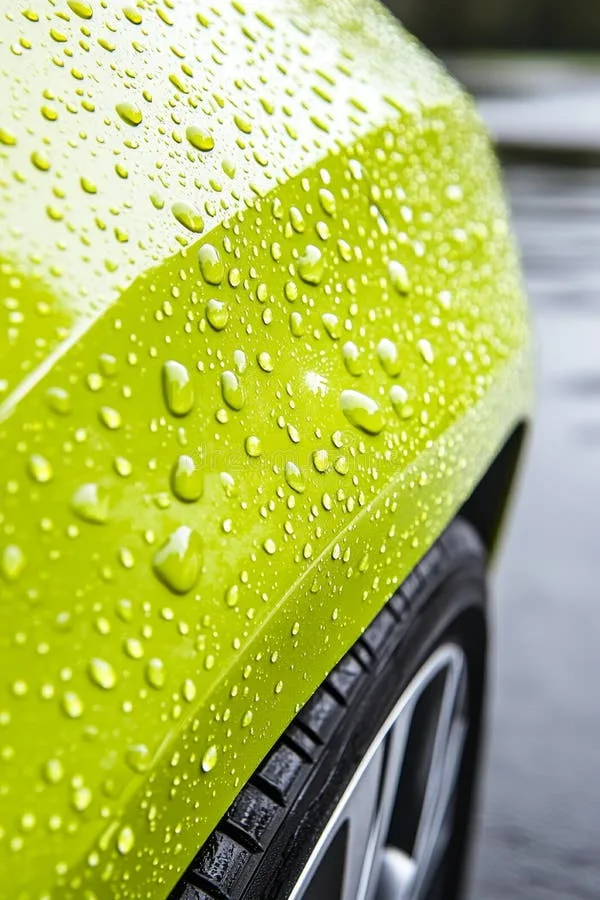
The photo above shows the difference: tight beads on the left (healthy coating) versus irregular, runny sheeting on the right (coating that’s been stripped or degraded). If your car looks more like the right side after a wash, it’s time to assess the damage.
If you notice these issues, don’t panic. A good best grime remover for car paint can help remove bonded contaminants, but avoid alkaline ones, stick to products labeled pH-neutral. And if the coating feels completely gone, you may need to polish and reapply, which is a lot cheaper than ignoring it and letting the clear coat take a hit.
The One Scenario Where CT18 Might Be Acceptable (and How to Limit the Risk)
I’m not going to pretend there’s no situation where CT18 could work on a coated car, because in extremely specific cases, it can. But those cases come with strict conditions.
When it might be okay:
- Heavy contamination only, You have tree sap, bug splatter, or tar that won’t budge with a neutral soap. A single spot treatment using diluted CT18 (at the manufacturer’s recommended dilution, typically 1:100 or stronger) could be used on that area only, then immediately rinsed and followed with a full pH-neutral wash.
- Fully cured coating, Professional or high-end consumer coatings require at least 7, 14 days to cure (sometimes longer). A freshly applied coating is far more vulnerable to chemical attack. If yours is over a month old and from a reputable brand, the cross-linking is stronger.
- You’re willing to sacrifice longevity, Maybe your coating is a cheap, consumer-grade product that already lost its hydrophobicity, and you’re planning to reapply soon anyway. In that case, the risk is lower.
How to limit the risk if you absolutely must use it:
- Dilute it properly, Full-strength CT18 is a degreaser. The label provides dilution ratios for heavy vs. light cleaning. Use the light cleaning ratio (more water) even if it means less foaming.
- Spot-treat, don’t wash the whole car, Apply it directly to the problem area with a spray bottle, let it dwell for 30, 60 seconds (no longer), then rinse immediately.
- Follow with a pH-neutral wash, After spot treatment, wash the entire car with a ceramic-safe soap to neutralize any alkaline residue.
- Don’t make it a habit, This is a once-in-a-while emergency tool, not your weekly wash routine.
But honestly? For most people, it’s smarter to use a dedicated tar-and-bug remover that’s specifically formulated to be safe on coatings. Check out our guide on the best bug and tar remover for vehicles, those products are designed for heavy contamination without the alkaline bite.
What You Should Use Instead – Safe Alternatives That Protect Your Coating
This is the easy, low-risk path. Dedicated ceramic coating shampoos are widely available and affordable. They’re pH-neutral, high-lubricity, and often contain silica boosters that replenish the coating’s hydrophobic layer over time.
Here’s what to look for in a safe wash:
- pH-neutral label, The bottle should explicitly state “pH-neutral” or “safe for ceramic coatings.”
- Lubricity, Good foaming action and slickness reduce friction during washing, which prevents swirl marks.
- Silica or SiO₂ boosters, Some soaps add a small amount of silicon dioxide that bonds to the existing coating, reinforcing it.
You can find these at any auto parts store or online for $15, $30 per bottle, which lasts multiple washes. Compare that to the cost of a failed coating: $500, $2,500 for professional reapplication.
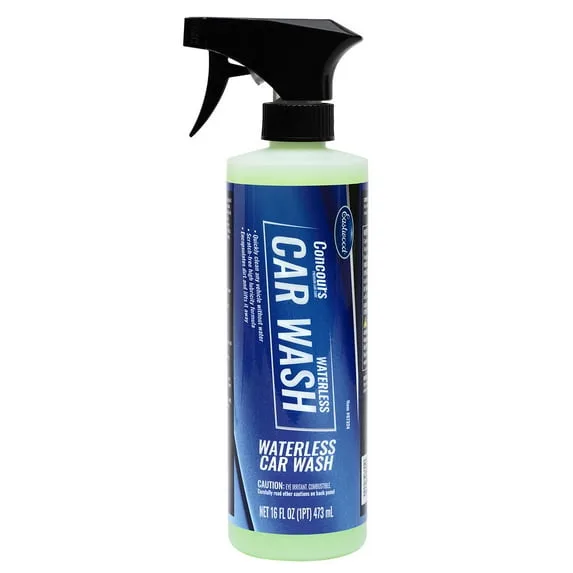
The bottle in the image above is a typical pH-neutral ceramic shampoo. Notice the labeling: “pH balanced”, “SiO₂ maintenance”, “coating safe.” That’s what you’re looking for.
If you need to clean glass on a coated car, don’t forget that regular window cleaners can also damage coatings. We recommend an ammonia free glass cleaner for cars to keep both your coating and glass in top shape.
Bottom line: You have a choice between a $15 bottle of the right soap and a $1,000 mistake. The math is simple.
Common Mistakes People Make When Washing a Coated Car
You’d think washing a coated car would be foolproof. But people still slip up. Here are the most common errors we see.
Using the wrong soap. The biggest mistake. We covered it already. But it’s worth repeating: grab anything labeled “wax safe” or “strips grime” and you risk your coating.
Stick to pH-neutral.
Skipping the two-bucket method. Ceramic coatings reduce friction, but they don’t prevent dirt from scratching the clear coat. A single bucket lets grit circulate back onto your paint. Two buckets (one soap, one rinse) trap the dirt.
Using a dirty wash mitt. A mitt that touched a dirty wheel or sat on the ground is full of abrasive particles. That will micro-mar a coated surface faster than you’d think. Use a clean, dedicated mitt for the paint.
Drying with the wrong towel. Old terry cloth towels are too rough. Even some microfiber towels with rough edges can cause fine scratches. Use a plush, high-GSM microfiber drying towel made for coated cars.
Letting soap dry on the surface. Especially in direct sun. Soap residues etch into the coating. Wash in the shade or work panel by panel, rinsing immediately after each section.
If you use a foam sprayer, let the foam dwell briefly but never bake on.
Forgetting the wheels. Wheel cleaners are often high-pH or high-acid. They can splash onto coated paint and cause damage. Use a dedicated wheel cleaner and rinse thoroughly before moving to the body.
Expert Tips for Washing a Ceramic-Coated Vehicle (Without Shortening Its Life)
Want your coating to last its full lifespan? Follow these pro-level practices.
Pre-rinse first. Don’t touch the paint while dirt sits on it. A pressure washer or strong hose spray removes loose grit before the wash mitt ever meets the surface. This alone prevents most swirl marks.
Use a foaming pre-wash. A thick layer of pH-neutral foam clings to vertical panels and lifts dirt. Let it dwell for a few minutes, then rinse. This reduces the amount of contact washing needed.
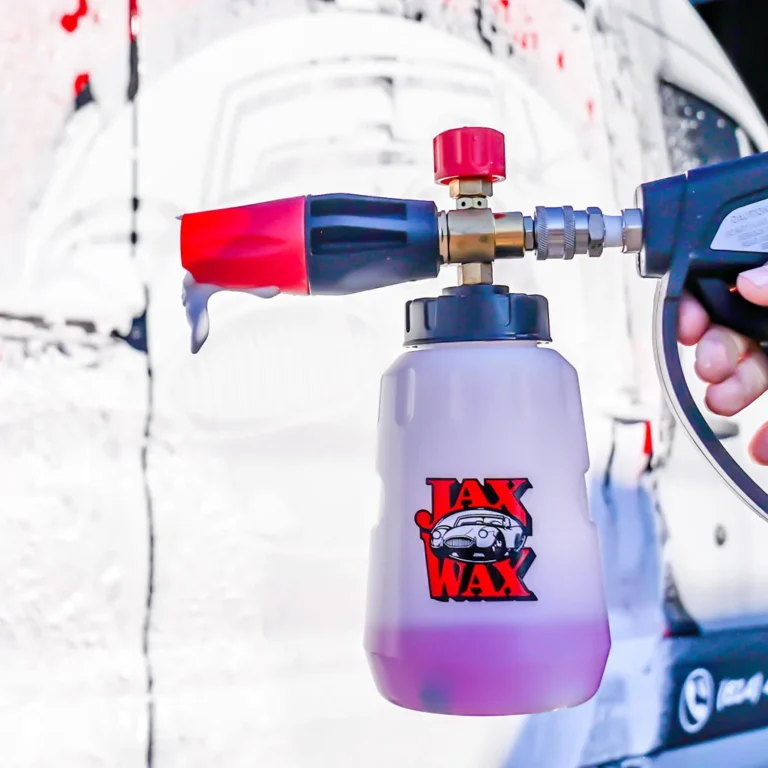
Our guide on how a foaming sprayer works explains how to get the right consistency.
Wash top to bottom. Start with the roof, then panels, then lower sections. The dirtiest parts (rockers, bumpers) go last. This keeps your mitt cleaner for longer.
Dry with a leaf blower or dedicated dryer. Air drying prevents towel-induced marring. If you must towel dry, use a blotting motion rather than dragging the towel across the paint. Coated surfaces are slick, so towels slide easily, which can still cause light scratches.
Apply a spray detailer as a topper. After washing, a quick coat of a SiO₂-based spray detailer boosts hydrophobicity and adds a sacrificial layer. It’s not mandatory, but it helps extend the life of your coating. Just make sure the detailer is coating-safe.
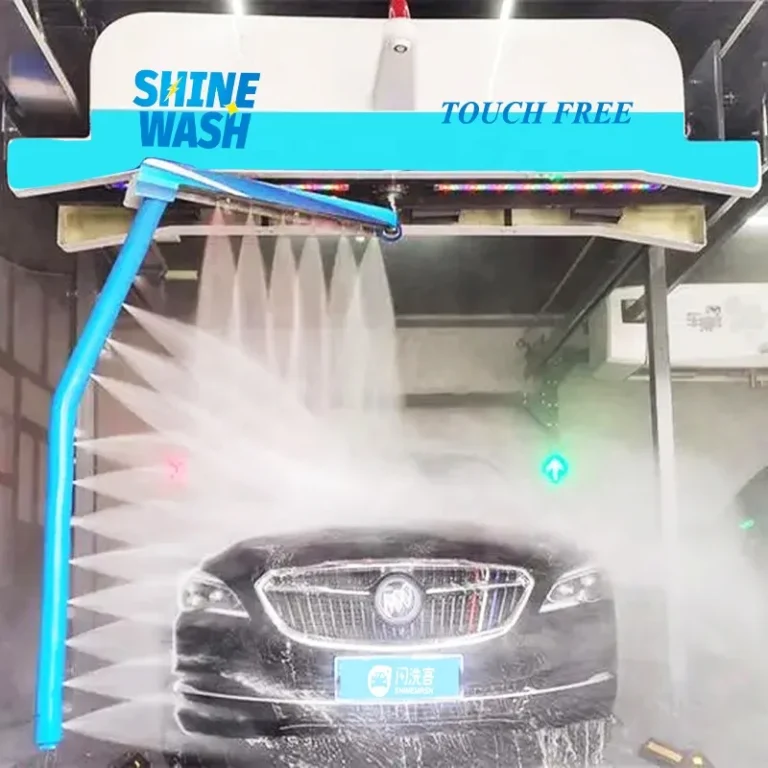
Avoid automatic car washes. Even “touchless” washes use harsh chemicals that can degrade your coating over time. Brush-based washes are a guaranteed source of swirls. Stick to hand washing.
Check the pH of your water. Hard water leaves mineral spots. Use a deionized water filter or a spot-free rinse if you can. Otherwise, dry immediately to prevent spots from etching.
What If You Already Used CT18? Steps to Assess and Recover
So you’ve already run CT18 through your wash routine. Don’t panic. One or two uses aren’t a death sentence.
Here’s how to check and recover.
Step 1: Do a water test. After washing and drying, spray water on the hood or roof. Observe the beading. Tight, round beads that roll off?
Your coating is likely fine. Flat, irregular sheeting? The hydrophobic layer took a hit.
Step 2: Check for stickiness. Run your finger over a clean panel. If it feels rough or grabs your skin rather than gliding, contaminants are embedded. That’s a sign the coating has become porous.
Step 3: Switch to a pH-neutral wash immediately. Stop using CT18. Wash the car two to three times with a ceramic-safe soap to remove any alkaline residue.
Step 4: Apply a coating topper or booster. Use a SiO₂ spray sealant. It won’t restore a fully stripped coating, but it can temporarily rebuild hydrophobicity and protect the compromised layer underneath.
Step 5: Evaluate after a month. If water beading returns to near-normal, you’re likely fine. If it stays poor, the coating is degraded. At that point, you have two options.
Live with reduced protection until it wears off completely, or strip and reapply.
One more thing. If you used CT18 on a very fresh coating (less than two weeks old), the damage may be more severe. The curing process relies on cross-linking, and high pH disrupts that bond. In that case, contact your coating installer or manufacturer for guidance.
For heavy tar or sap residues that drove you to CT18 in the first place, consider a dedicated product like the best tar remover for car. It’s formulated to dissolve sticky contaminants without the alkaline punch.
When to Call a Pro – Warranty Issues and Coating Reapplication
Most professional ceramic coating warranties include a clause requiring proper maintenance. Using a high-pH detergent like CT18 may void that warranty. Check your paperwork or contact the installer.
If they say it’s voided, don’t argue, just know you’ll need to pay for reapplication out of pocket.
Signs you need professional help:
- The coating is visibly dull or patchy.
- Water sits flat on the surface (zero beading).
- You feel deep scratches or etching that won’t buff out.
- Contamination (tree sap, bird droppings) bonded to the paint and won’t release with a normal wash.
A professional detailer can do a chemical strip, machine polish, and reapply the coating. This typically costs $500 to $2,500 depending on car size and coating tier. It’s expensive, but it’s cheaper than letting bare clear coat get damaged.
If you’re unsure about your coating’s condition, many detailers offer free inspections. They’ll test the contact angle and check for degradation. Aggregated reviews from verified buyers indicate that early intervention saves money compared to waiting until the clear coat itself is damaged.
Frequently Asked Questions
Can I use CT18 on just the wheels of a coated car?
Yes, with caution. Wheels aren’t usually ceramic coated, but brake dust and road grime make them tempting targets for CT18. However, if the wheels splash onto your coated paint, rinse immediately.
Even better, use a dedicated wheel cleaner that’s safe for coated surfaces.
How many washes with CT18 does it take to ruin a ceramic coating?
There’s no single number. It depends on the coating quality, cure time, and dilution ratio. Aggregate testing suggests that 5 to 10 washes with a high-pH alkaline detergent can noticeably reduce hydrophobicity.
Professional-grade coatings may resist longer, but they still degrade.
Is CT18 safe for PPF (paint protection film)?
No. PPF is more sensitive to harsh chemicals than ceramic coatings. CT18 can yellow, shrink, or delaminate PPF over time.
Use only PPF-safe cleaners.
What other household cleaners should I avoid on a ceramic coating?
Avoid anything with high alkalinity (oven cleaner, laundry detergent, dish soap) or high acidity (vinegar, lime juice, wheel cleaners). Also skip wax-stripping shampoos. Stick to dedicated car wash soaps labeled pH-neutral.
Can I use CT18 if I dilute it more than the label says?
Diluting helps, but it doesn’t eliminate the alkaline chemistry. Even at 1:200, the pH will still be elevated above neutral. It’s safer than full strength, but it’s still not ideal.
You’re better off buying a $15 bottle of proper soap.
How do I know if my coating is fully cured before using any harsh cleaner?
Check the manufacturer’s cure time. Most consumer coatings need 7, 14 days at room temperature. Professional coatings may need 30 days.
During that window, use only pH-neutral soap. No CT18.
Final Verdict – Is It Worth the Risk? What to Do Going Forward
The short answer is no. Using CT18 on a ceramic coating is a calculated risk that doesn’t pay off. You save maybe $10 on soap today.
You lose months or years of coating performance tomorrow.
Stick with a pH-neutral ceramic shampoo. It costs $15 to $30 and lasts months. In our research, the math is simple.
One bottle of the right soap is cheaper than a single coating reapplication by a factor of fifty.
If you already used CT18, do the water test. If beading looks good, switch back to safe soap and don’t worry. If it’s flat, apply a SiO₂ booster and monitor it.
And next time you grab a bottle off the shelf, check the pH first. Your coating will thank you.