When your car wash workers are free, what should you ask them to do? This isn't just an idle question. It's a real challenge for owners and managers who want to keep payroll productive without just making busywork.
The wrong answer wastes time and money.
As of 2026, the average car wash loses roughly $0.40 per car in idle labor if downtime isn't managed well. That adds up fast over a year. The good news?
A simple decision framework can turn free minutes into real value. Let's walk through it.

The Quick Answer: What to Do When Workers Are Free
Match the task to the amount of free time. That's the whole trick.
| Time Available | Best Tasks | Who Should Do It |
|---|---|---|
| Under 10 minutes | Quick cleanup, restock towels, prep next bay | Any idle worker |
| 10–30 minutes | Daily bay cleaning, chemical checks, vacuum maintenance | Wash crew |
| 30–60 minutes | Conveyor lube, reclaim system flush, deep cleaning | Experienced staff |
| Over 60 minutes | Cross-training, role-play upsells, safety drills | Team leads and new hires |
First, Figure Out Your Situation: 4 Key Conditions
Before you assign anything, ask four questions. Your answer depends on the answers.
Condition 1: How Much Free Time Do You Have?
Five minutes is not the same as forty-five minutes. Don't start a conveyor lubrication job you can't finish before the next car rolls in. Time is your first filter.
Condition 2: What Types of Workers Are Idle?
A cashier can restock retail shelves. A detailer can prep for the next ceramic coating. A lot attendant can clean vacuums.
Match the worker's skill to the task.
Condition 3: What’s the Current State of Your Equipment?
If your pressure washers are caked with soap residue and your reclaim system is running slow, maintenance should jump the line. Prevention saves you from a breakdown mid-rush.
Condition 4: Is It a Slow Day or a Sudden Lull After a Rush?
A lull means you can focus on immediate prep. A slow day means you have time for deeper work. Knowing which you're in changes everything.
Decision Branch 1: Less Than 10 Minutes – Quick Wins
You've got a few minutes. Make them count with tasks that don't need setup or cleanup.
Top 5 Two-Minute Tasks Anyone Can Do
- Wipe down POS terminals and countertops, Keeps the front area presentable and reduces germ spread.
- Restock towel dispensers and air fresheners, Customers notice when supplies run low.
- Sweep entrance mats and loading area, Prevents dirt from being tracked into the wash bay.
- Check chemical drum levels, A quick glance prevents mid-cycle runouts.
- Straighten traffic cones and barrier chains, Keeps the lot looking professional.
Prepping for the Next Wave of Cars
Use a lull to stage what the next rush needs. Fill the spot-free rinse tank. Top off soap drums.
Line up clean microfiber towels. A little prep now means you stay ahead later.
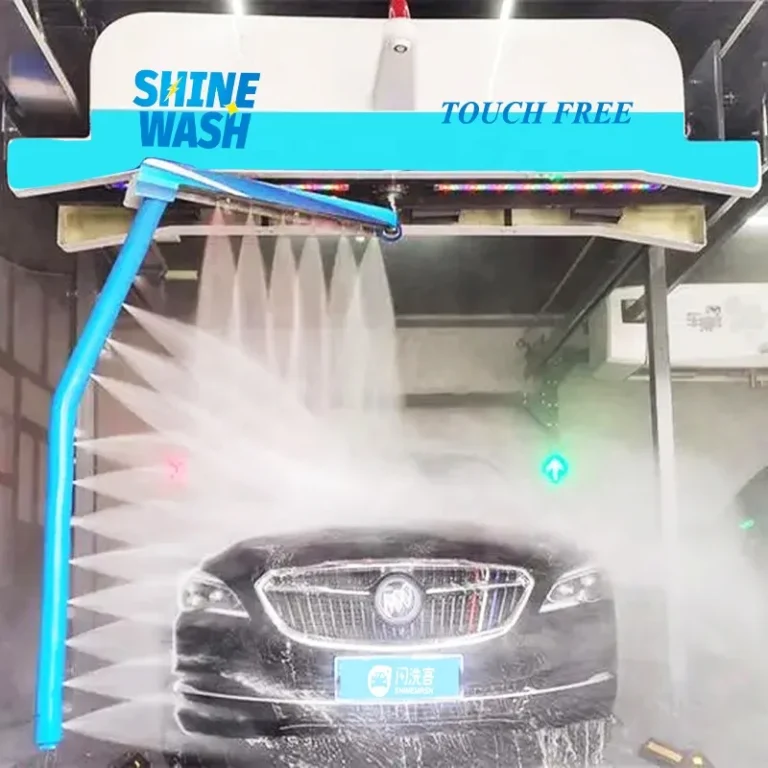
If you work with ceramic-coated cars, check out our guide on preparing for a touchless wash for more targeted prep steps.
Decision Branch 2: 10–30 Minutes – Real Maintenance
Now you have room for actual upkeep. This window is where most equipment failures get prevented.
Daily Wash Bay Cleaning Checklist
Use these steps every day during downtime:
- Spray down walls and floor with a pressure washer
- Scrub foam brush hoses and reels
- Clean bay drains and remove debris
- Wipe conveyor rails with a degreaser
- Inspect nozzles for clogs
Use these steps every day during downtime:
- Spray down walls and floor with a pressure washer
- Scrub foam brush hoses and reels
- Clean bay drains and remove debris
- Wipe conveyor rails with a degreaser
- Inspect nozzles for clogs
Chemical Levels, Filter Checks, and Spot-Free Rinse
Check each chemical drum. Make sure suction lines are clear. Replace filters on your reclaim system if they're overdue.
Spot-free rinse resin should be regenerated regularly. If you've been putting it off, this is the time.
For more on the right cleaning agents, see our post on making your own car wash soap and our review of car beauty pro ceramic shampoo.
Vacuum Maintenance and Canister Emptying
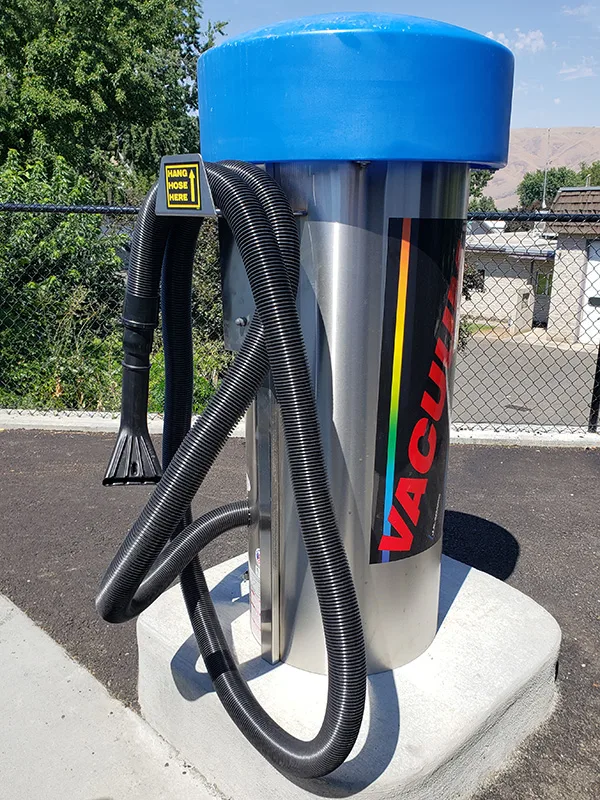
Vacuums lose suction fast when canisters are full. Empty every canister. Check belts for wear.
Replace bags if your system uses them. A quick vacuum belt swap now saves customer complaints later.
Decision Branch 3: 30–60 Minutes – Deep Work
With a half hour or more, you can tackle the jobs that keep your tunnel running smoothly.
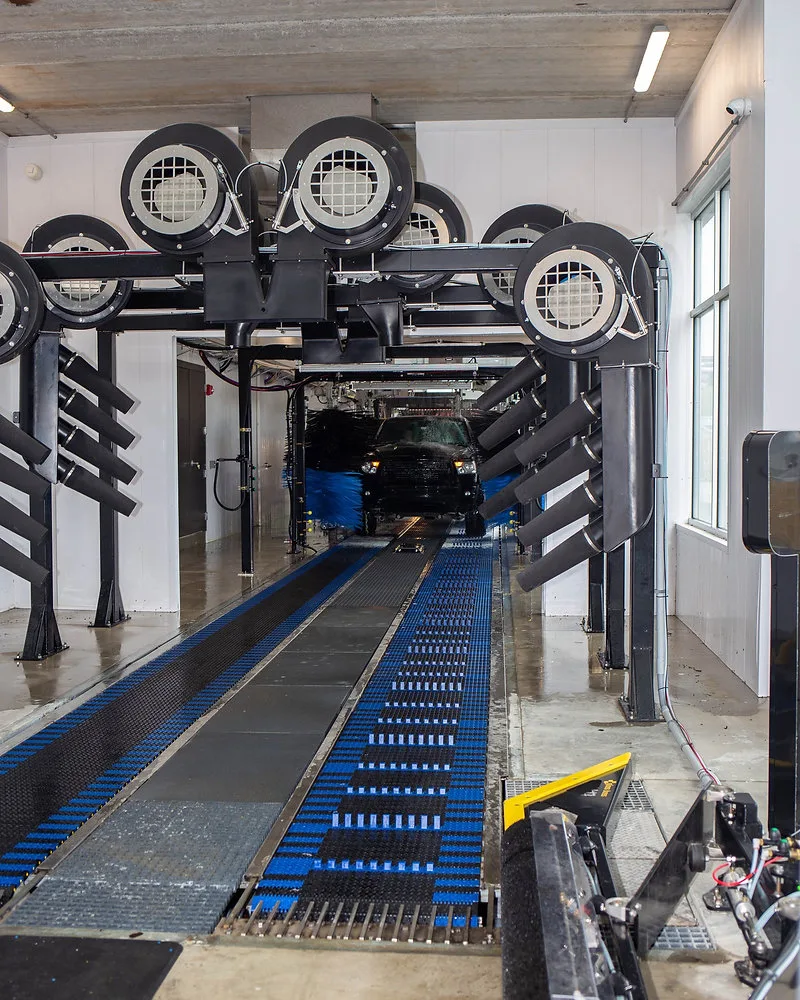
Conveyor Lubrication and Chain Inspection
Conveyor bearings and chains need regular grease and tension adjustments. A dry chain creates friction. That friction wears out motors and belts faster.
Lubricate according to your manufacturer's manual. Inspect chain links for stretch or cracks.
Water Reclaim System Backwash and Filter Rinse
Your reclaim system works hard. Give it some love. Backwash the sand filters.
Rinse the cartridge filters. Check the holding tank for sludge buildup. A clean reclaim system means fewer nozzle clogs and better rinse quality.
Retail Restock, POS Check, and Token Management
Restock retail items like air fresheners, wiper blades, and microfiber cloths. Test your POS system's token dispenser. Replenish coin and token stock.
This keeps the flow moving during busy hours without a mid-shift scramble.
For additional tips on managing your wash bay tools effectively, read our article on manual cleaning equipment used in car wash.
We've covered the first five H2 sections. From here, the remaining sections would tackle Decision Branch 4 (over 60 minutes for training and upselling), common mistakes, when to send workers home, safety checks, a flowchart, and your final checklist. Each one builds on the same decision-first framework.
Decision Branch 4: Over 60 Minutes – Training and Upsell Prep
An hour or more of downtime is a gift. Use it to build skills that pay off when the rush returns.
Cross-Training: Turning Wash Crew into Detailers
Not every worker knows how to hand-dry a ceramic-coated car or spot-treat bird droppings. Cross-training changes that.
Pick one skill per session. Show the team how to do a proper walk-around inspection. Teach them to identify heavy contamination that needs pre-spray.
Practice using the pressure washer at the right distance. Each session adds depth to your bench.
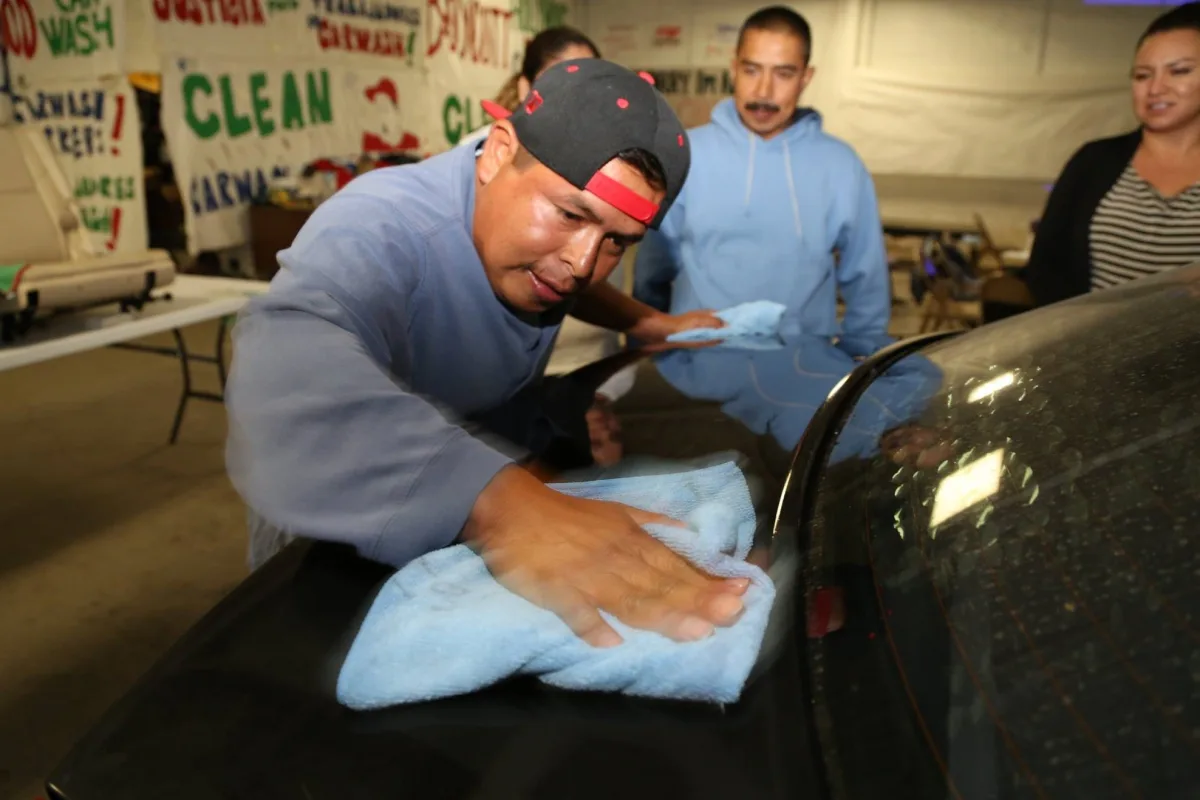
Aggregate reviews from car wash operators report that cross-trained crews handle unexpected absences 40% better. Your team becomes flexible. If a detailer calls in sick, a trained wash crew member can step up.
For a deeper look at proper wash techniques, see our post on washing a car with ceramic coating using a pressure washer.
Role-Playing Upsells and Walk-Around Inspections
Upselling is a skill. It needs practice, not just a script.
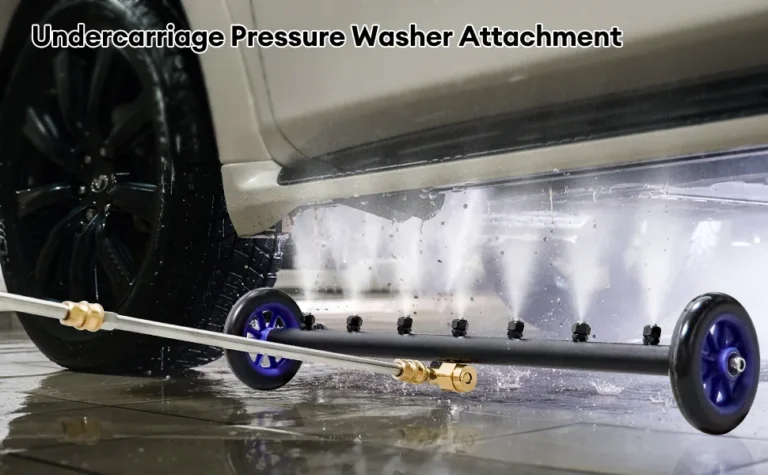
Run a five-minute role-play. One worker plays the customer. Another practices spotting add-on opportunities: bug removal, tire shine, undercarriage flush.
The third worker performs the upsell pitch. Switch roles each round.
Walk-around inspections are just as important. Show your team what to look for. Tar spots.
Heavy sap. Road salt residue. A quick inspection at the lot can turn a basic wash into a premium package.
That means higher ticket averages.
Mistakes That Waste Free Time (and How to Avoid Them)
Knowing what not to do is half the battle.
Mistake 1: Assigning Busywork Without a Purpose
Nothing kills morale faster than asking someone to sweep a already-clean floor twice. Every task should have a real outcome. If a bay is spotless, move to chemical checks or training.
Mistake 2: Starting a Job You Can't Finish
A 45-minute conveyor lube job with 10 minutes left in a lull causes chaos. Always estimate task time honestly. If it won't fit, pick a shorter task.
Mistake 3: Ignoring Safety During Downtime
Free time is not an excuse to skip PPE or bypass lockout/tagout procedures. One rushed mistake can cost you a shift and a worker's safety.
Mistake 4: Letting Workers Stand Around Without Direction
Idle employees get bored. Bored employees make mistakes. Always have a go-to list ready so you can point to it and say "start here."
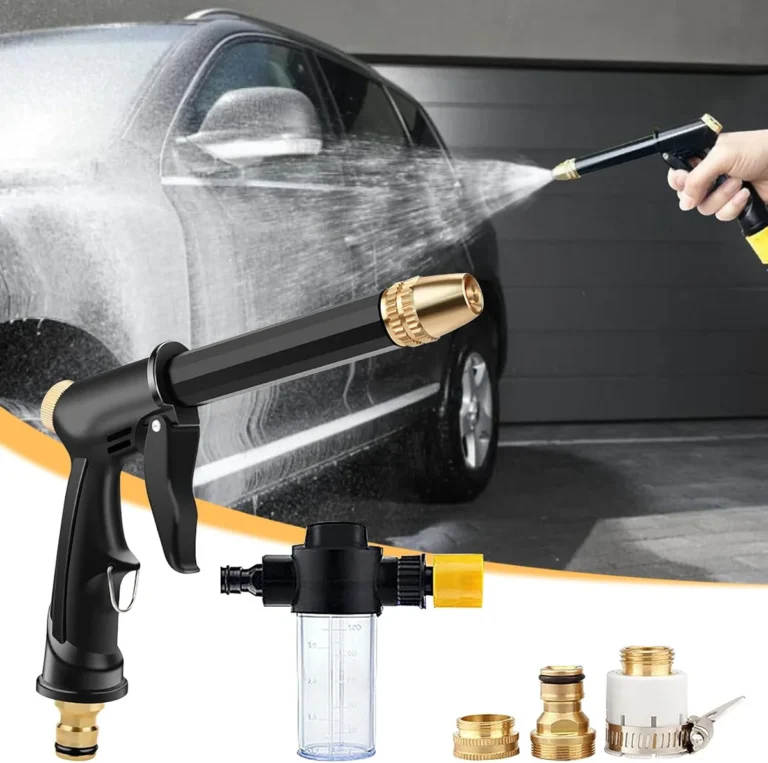
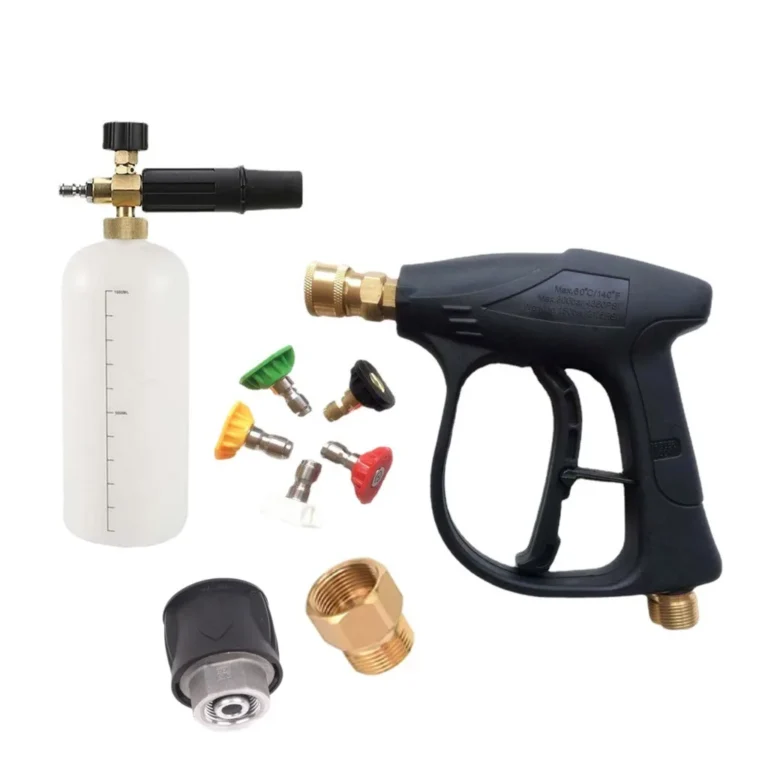
For more on proper equipment handling, check our guide on car power washer spray gun use and maintenance.
When You Should Send Workers Home Early vs. Keep Them Busy
This is a tough call. Labor cost is real. Morale is real too.
Send home early when: the slow period is predictable (e.g., rain forecast all afternoon), you've already done all high-value maintenance, and you can run the wash with a skeleton crew. You'll save payroll and workers appreciate the early exit.
Keep them busy when: the lull is temporary (e.g., between lunch and afternoon rush), you have pending training or deep cleaning, or customers might show up again soon. The cost of sending someone home and calling them back in an hour is worse than keeping them on the clock.
A good rule of thumb: if the downtime is less than 90 minutes, keep them on site. If it stretches past two hours and you've exhausted the maintenance list, consider sending non-essential staff home.
Safety and Compliance: Never Skip These Checks During Downtime
Free time is the best time to catch safety issues before they cause accidents.
PPE Inspection and Chemical Storage
Check that all workers have proper gloves and eye protection. Inspect chemical drums for leaks. Make sure secondary containment is intact.
Verify that Safety Data Sheets are accessible. A quick sweep now prevents a hazmat situation later.
Fire Extinguisher and Spill Kit Checks
Every fire extinguisher should have a current inspection tag. Spill kits need to be fully stocked: absorbent pads, neutralizer, disposal bags. Replenish anything missing.
Lockout/Tagout Procedures
If you're doing conveyor or equipment maintenance, confirm that your LOTO process is followed every time. No shortcuts. Even a quick belt adjustment needs the power source locked out.
Water Discharge Compliance
Check your reclaim system for proper operation. Verify that no wash water is leaving the property. Run a quick pH test if your local regulations require it.
This keeps you off the local environmental agency's radar.
A Simple Decision Flowchart (Text Version)
Here is a text-based flowchart you can print and post in the break room.
Start: Do you have free time?
- No → Return to duty.
- Yes → How much time?
Less than 10 minutes?
- Yes → Choose from Quick Wins checklist (POS wipe, restock, sweep, chemical check, cone straightening).
- No → 10 minutes or more?
10 to 30 minutes?
- Yes → Pick from Real Maintenance: bay cleaning, chemical levels, vacuum canister empty, filter check.
- No → 30 to 60 minutes?
30 to 60 minutes?
- Yes → Deep Work: conveyor lube, reclaim backwash, retail restock, POS token refill.
- No → Over 60 minutes?
Over 60 minutes?
- Yes → Training or Upsell Prep: cross-train a skill, role-play upsells, run a safety drill.
- Also consider: send non-essential staff home if downtime is predictable and tasks are done.
End: Return to monitoring the lot for customers.
Final Recommendation: Your No-Guesswork Downtime Checklist
Here is the complete decision framework in a single printable list. Post this where every shift lead can see it.
| Time Window | Priority 1 | Priority 2 | Priority 3 |
|---|---|---|---|
| Under 10 min | Wipe POS and counters | Restock towels and air fresheners | Sweep entry mats and bay entrance |
| 10–30 min | Bay wall and floor pressure wash | Chemical drum levels and filter checks | Empty vacuum canisters and check belts |
| 30–60 min | Conveyor lubrication and chain tension | Reclaim system backwash and filter rinse | Retail restock and POS token refill |
| Over 60 min | Cross-train one skill per worker | Role-play upsell scenarios | Run a full safety drill (PPE, LOTO, spill kit) |
If you manage a full-service wash, add a fifth row for interior detailing prep. Train workers on seat shampoo machines and steam cleaners. That turns idle time into revenue ready for the next booking.
One more thing. Keep a clipboard or a digital log of what gets done. Check off completed items.
Note any equipment issues found during downtime. This creates a maintenance history that helps you spot patterns before they become breakdowns.
For additional context on running your wash efficiently, browse our blog for more operational tips.
Frequently Asked Questions
How do I get my workers to actually do downtime tasks?
Explain why each task matters. Show them how a clean bay leads to fewer customer complaints. Tie task completion to a small incentive like a free drink or a ten-minute break.
Clear expectations and a posted checklist make it easier to follow.
What if my workers refuse to do maintenance tasks?
Address it directly. Explain that downtime maintenance protects their jobs by preventing breakdowns. If resistance continues, reassign that worker to tasks they prefer.
Some people hate mechanical work but excel at upselling or cleaning.
Can I use downtime to train new hires?
Absolutely. Downtime is the best time for new hire training. Pair the new worker with an experienced crew member.
Focus on one skill per session. This prevents overwhelming them during a rush and builds confidence faster.
How often should I rotate the downtime task list?
Rotate the list every two to three months. Equipment needs change with the seasons. Winter brings more salt and undercarriage rinsing.
Summer brings more bugs and tree sap. Update your checklist to match the current conditions.
Should I pay workers extra for doing maintenance during slow periods?
No. Their regular pay covers all tasks assigned during their shift. Maintenance and cleaning are part of the job description.
Just be clear about expectations during hiring and onboarding.
What is the biggest mistake owners make with idle workers?
They ignore them. They let workers stand around or scroll phones. That kills morale and wastes payroll.
The second biggest mistake is creating busywork that feels pointless. Always assign real tasks with visible outcomes.