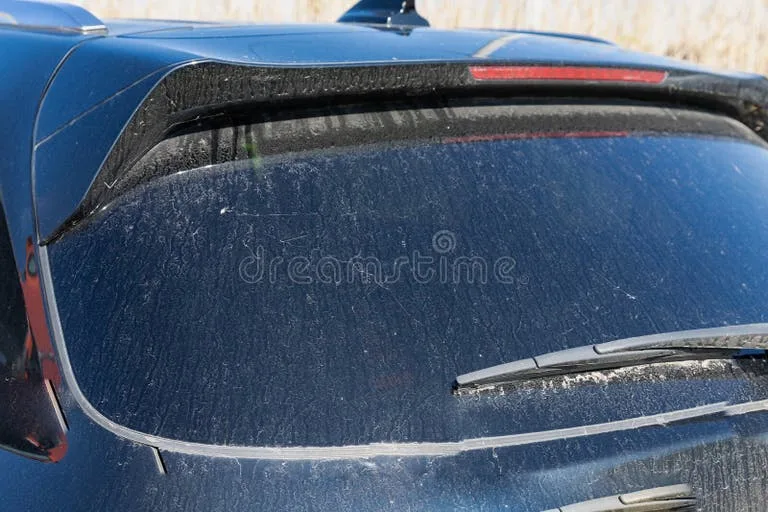
A car with dust isn’t just an eyesore, it can affect your health, your car’s performance, and even its long-term value. Fine particles settle into every crevice, from the dashboard to the engine bay, and ignoring them can lead to clogged filters, scratched paint, or worse.
Per SAE International standards, cabin air filters should trap at least 98% of airborne particles, but they can’t do their job if they’re caked in dust. Let’s start by identifying where dust actually collects.
Quick Answer
A car with dust gathers particles inside and out. Interior dust settles on dashboards, vents, and seats. Exterior dust clings to paint and glass.
Engine bay dust can block filters. Regular cleaning prevents damage.
Why Your Car Gets Dusty (And Why It Matters)
Dust is everywhere, but your car attracts it for a few key reasons. Static electricity on plastic and glass surfaces pulls particles out of the air, while your car’s HVAC system can circulate dust if the cabin air filter is old or ineffective. In dry climates, dust accumulation speeds up, studies in arid regions show up to 0.5 grams of dust per square meter per day on parked vehicles.
The problems go beyond looks. Dust in the cabin can trigger allergies, especially if it’s mixed with pollen or mold spores. Outside, a layer of dust acts like sandpaper on your paint every time you drive, leading to micro-scratches.
And in the engine bay, dust can clog air intakes, reducing efficiency or even causing overheating in extreme cases.
Where Dust Builds Up in a Car (And How to Spot It)
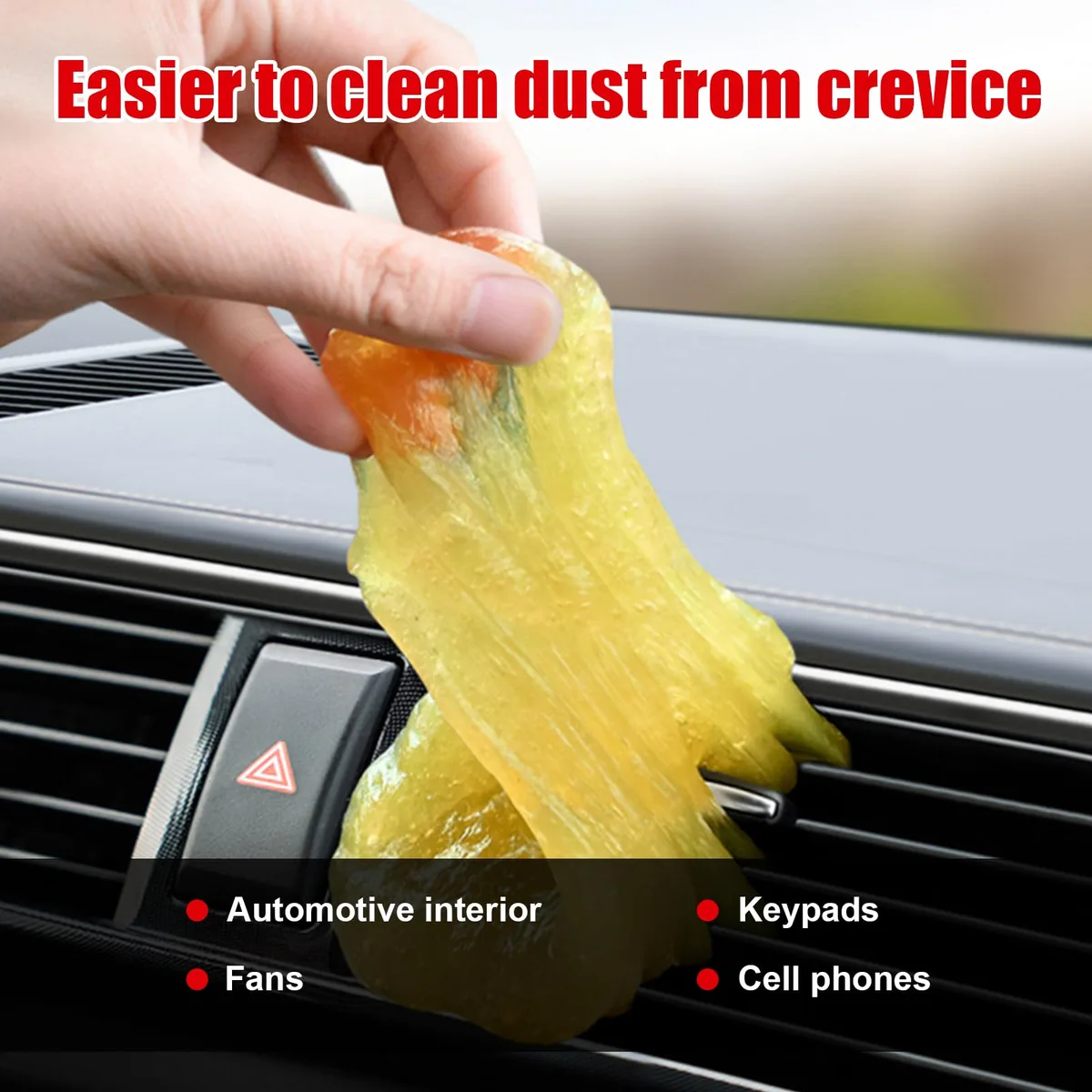
Dust doesn’t spread evenly, it targets specific spots based on airflow, static, and gravity. Here’s where to look:
- Dashboard and console: Flat surfaces collect dust fast, especially near vents where air blows it around. Static makes it stick.
- Seats and carpets: Fabric traps dust, while leather shows it more obviously. Check under seats, where dirt piles up.
- Air vents: Dust builds up inside vents over time, reducing airflow. You’ll notice weaker airflow or a musty smell.
- Windows and mirrors: Dust on glass can scatter light, making it harder to see at night.
- Engine bay: Dust settles on the battery, hoses, and air intake. A thick layer can insulate parts, causing overheating.
- Wheel wells and undercarriage: Off-road driving kicks up dust that cakes onto suspension components and brakes.
If you drive in rural areas or on unpaved roads, expect dust in all these spots. Urban drivers might see more fine particulate dust from pollution.
How to Clean Dust from Your Car’s Interior
Start with the right tools: a microfiber cloth, a soft-bristle brush, and a vacuum with a crevice tool. Avoid paper towels, they can scratch surfaces and leave lint behind.
For hard surfaces like the dashboard, use a slightly damp microfiber cloth with a mild cleaner or just water. For stubborn dust, a static-dissipating spray helps prevent it from resettling. Vents need a brush or compressed air to dislodge dust without damaging the fins.
For fabric seats and carpets, vacuum first, then use a fabric cleaner if there are stains. Leather seats should be wiped down with a leather-safe cleaner and conditioned afterward to prevent cracking.
Pro tip: Work from the top down. Dust falls as you clean, so start with the dashboard and end with the floors.
Cabin Air Filters: Your First Line of Defense
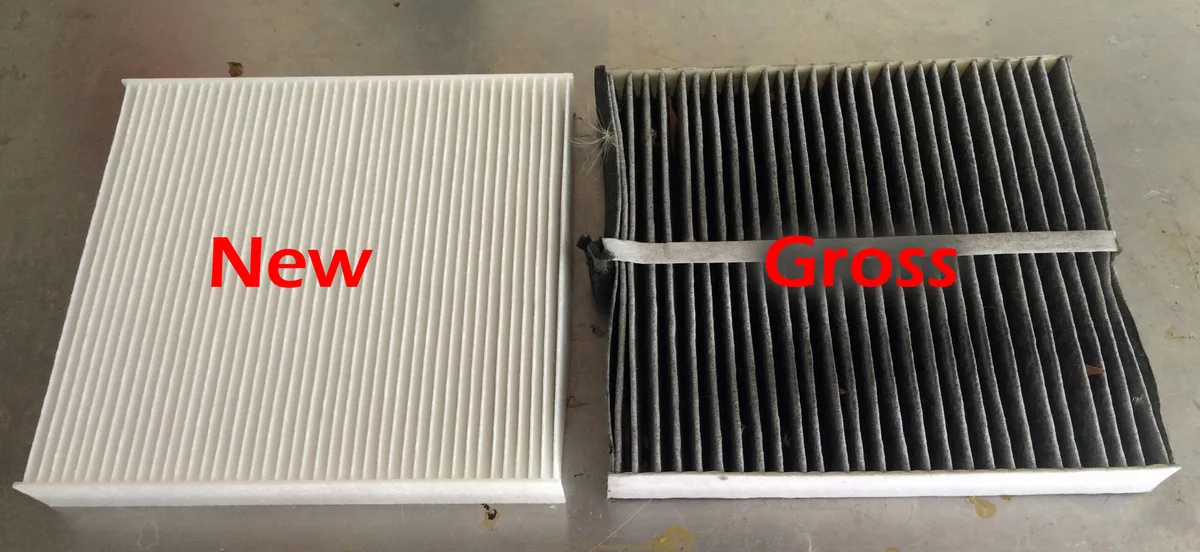
Your car’s cabin air filter catches dust, pollen, and other particles before they enter the HVAC system. As of 2026, most modern vehicles use a pleated paper or activated carbon filter, but HEPA filters are becoming more common in higher-end models.
Manufacturer specs typically recommend replacing the cabin air filter every 15,000 to 30,000 miles, or once a year if you drive in dusty conditions. A clogged filter reduces airflow, makes your AC work harder, and can even cause a musty odor.
Here’s how to check yours:
- Locate the filter, it’s usually behind the glove box, under the dashboard, or under the hood near the windshield.
- Remove it and hold it up to a light. If you can’t see light passing through, it’s time for a replacement.
- Install the new filter with the airflow arrow pointing in the correct direction (check your owner’s manual).
Upgrading to a HEPA filter can capture smaller particles, but make sure it’s compatible with your car’s system. Some vehicles aren’t designed for the restricted airflow of a HEPA filter.
Quick Fixes vs. Long-Term Solutions
A quick wipe-down removes visible dust but won’t stop it from coming back. For a lasting fix, you need to address the root causes: static, poor filtration, and exposure.
Static-reducing sprays on dashboards help repel dust for weeks. Replacing the cabin air filter stops particles at the source. Parking in a garage or using a car cover cuts down on exterior dust buildup.
How to Remove Dust from Your Car’s Exterior
Start with a rinse to wash away loose dust before touching the paint. Use the two-bucket method: one for soap, one for rinsing your mitt to avoid scratching the surface.
Dry the car with a microfiber towel to prevent water spots. Then apply a wax or sealant, these create a protective layer that makes dust easier to wash off next time. Synthetic sealants last longer than natural carnauba wax but don’t give the same deep shine.
Avoid automatic car washes with brushes. They can grind dust into your paint, causing swirl marks over time.
Engine Bay Dust: When to Worry and What to Do
A little dust in the engine bay is normal, but thick layers can cause problems. Dust can clog the air intake, reducing engine efficiency. It can also insulate components, leading to overheating.
Use compressed air to blow dust out of tight spaces, but avoid spraying directly at electrical connections. A soft brush works for stubborn areas. If you drive off-road often, consider installing a pre-cleaner on your air intake to catch larger particles before they reach the filter.
The Best Tools for Dust Removal
Not all tools work the same for car dust. Here’s what to use where:
- Microfiber cloths: Best for dashboards, windows, and other smooth surfaces. They trap dust instead of spreading it.
- Soft-bristle brush: Ideal for vents and crevices. Avoid stiff brushes that can scratch.
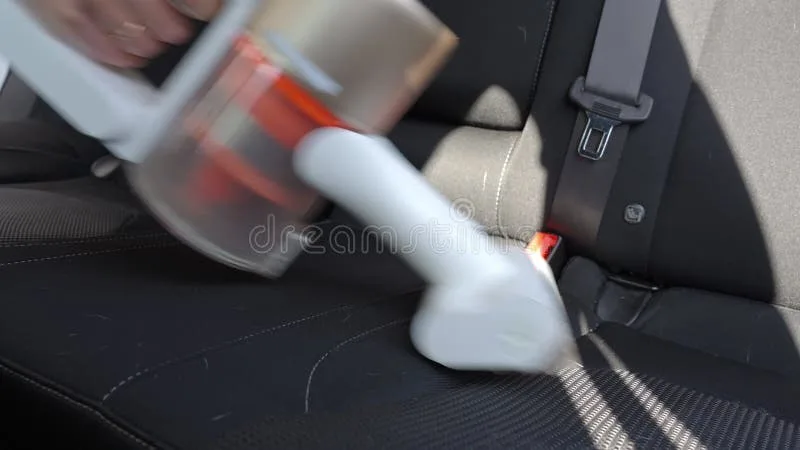
- Handheld vacuum: Essential for seats, carpets, and floor mats. Look for one with a crevice tool.
- Compressed air: Great for blowing dust out of vents and engine bays. Use short bursts to avoid damaging components.
- Static-dissipating spray: Helps prevent dust from resettling on plastic and vinyl surfaces.
Avoid household cleaners on car interiors. They can damage materials and leave residues that attract more dust.
When Dust Could Mean a Bigger Problem
Dust is usually just a nuisance, but sometimes it signals a deeper issue. If you notice dust accumulating inside the car even with a new cabin filter, check for leaks in the firewall or door seals.
Excessive dust in the engine bay could mean a failing air filter or a crack in the intake system. In older cars, dust in the HVAC system might indicate a clogged evaporator drain, which can lead to mold growth.
If you see dust mixed with grease or oil, it could be a sign of a leak. Address it quickly to avoid damage to belts or hoses.
How to Prevent Dust Buildup in Your Car
Prevention starts with reducing dust’s ability to stick. Apply a static-reducing spray to plastic and vinyl surfaces every few weeks. This creates a barrier that makes dust easier to wipe away.
Park in a garage or under a cover whenever possible. If you must park outside, use a sunshade to reduce interior heat, which can increase static. For off-road drivers, consider a pre-filter for your air intake to catch larger particles before they reach the main filter.
Regular maintenance is key. Vacuum the interior weekly, and wash the exterior every two weeks in dusty areas. Replace the cabin air filter on schedule, and check engine bay components for dust buildup during routine inspections.
Mistakes That Make Dust Problems Worse
Using the wrong tools can spread dust instead of removing it. Paper towels leave lint and can scratch surfaces. Household cleaners may damage car interiors or leave residues that attract more dust.
Ignoring the cabin air filter is another common mistake. A clogged filter reduces airflow and lets dust circulate through the vents. Similarly, skipping regular washes allows dust to embed in the paint, making it harder to remove later.
Avoid washing your car in direct sunlight. The heat causes water to evaporate quickly, leaving spots and allowing dust to reattach to the surface. Always dry the car thoroughly to prevent water spots, which can trap dust.
Frequently Asked Questions
Why does my car get dusty so quickly?
Dust accumulates faster in dry climates and areas with high pollution. Static electricity on surfaces also attracts and holds dust particles.
Can dust damage my car’s paint?
Yes. Dust acts like sandpaper, causing micro-scratches over time. Regular washing and waxing help protect the paint.
How often should I replace my cabin air filter?
Replace it every 15,000 to 30,000 miles, or once a year if you drive in dusty conditions. Check your owner’s manual for specific recommendations.
Is it safe to use a household vacuum on my car?
A handheld vacuum with a crevice tool works well for car interiors. Avoid using a full-size household vacuum, as it may be too powerful and damage delicate surfaces.
What’s the best way to clean dust from air vents?
Use a soft-bristle brush or compressed air to gently remove dust from vent fins. Avoid sharp objects that could damage the vents.