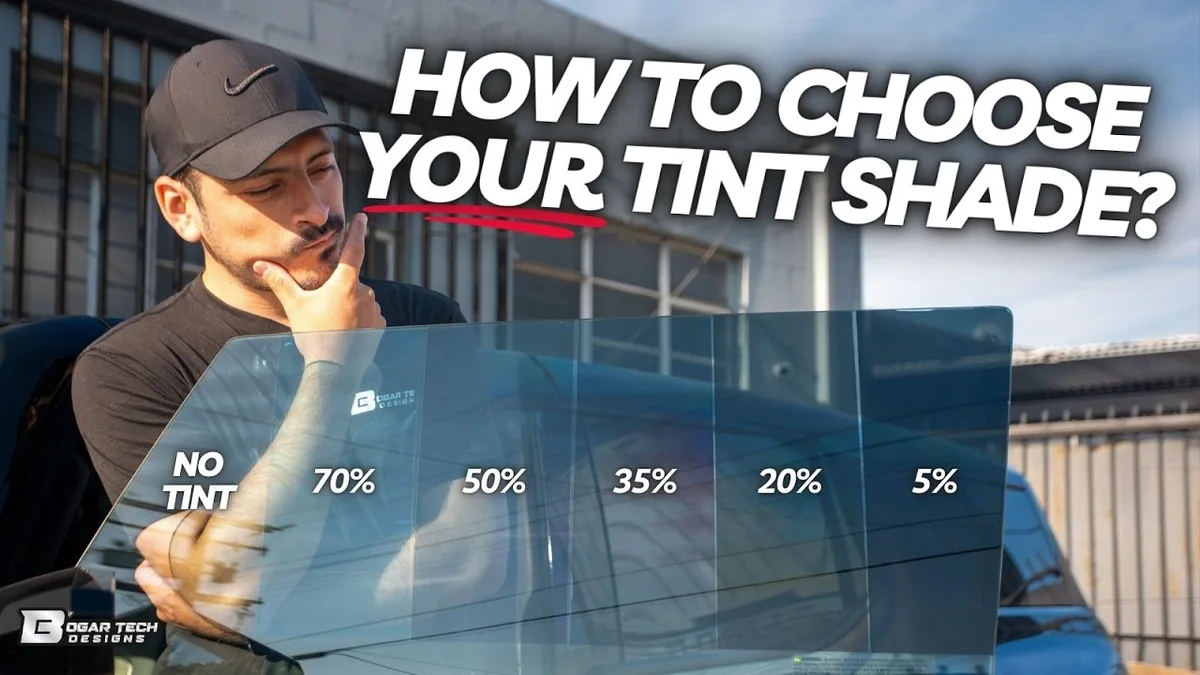
Maryland window tinting legal limits and light transmission requirements can save you from fines and failed inspections if you know the rules. The state sets strict visible light transmission (VLT) percentages for each window, and breaking them means trouble.
Per Maryland’s vehicle code, front and rear side windows must allow at least 35% of light through. That’s the baseline, but there are exceptions and nuances most drivers overlook.
Quick Answer
Maryland window tinting legal limits and light transmission requirements allow 35% VLT on front and rear side windows. Rear windows must also meet 35% unless the vehicle has dual side mirrors. Windshield tint is banned below the AS-1 line.
Reflective tint cannot exceed 20% reflectivity.
Why These Laws Exist (And Why You Should Care)
Window tint laws balance safety and privacy. Maryland’s rules ensure drivers can see and be seen, especially at night or in low light. Non-compliant tint can reduce visibility for you and other drivers, increasing accident risks.
These regulations also help law enforcement identify vehicles and occupants during traffic stops. Ignoring them can lead to fines up to $500, as outlined in the Maryland Motor Vehicle Administration’s guidelines.
Maryland’s Exact VLT Requirements by Window
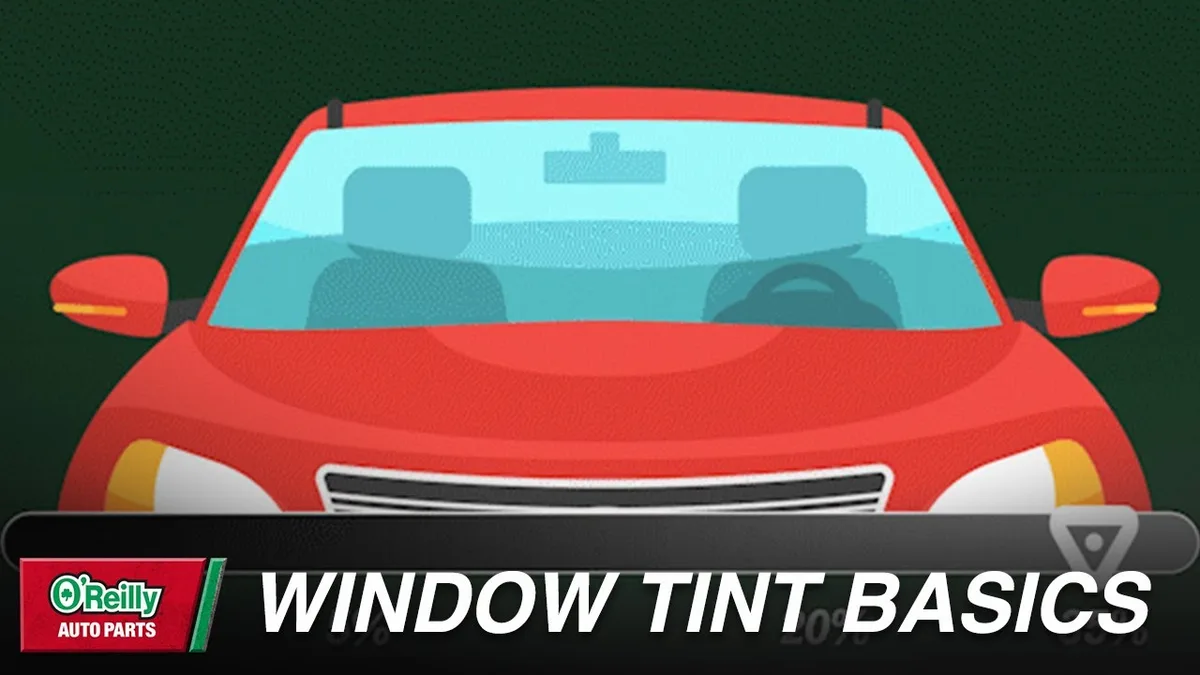
Here’s the breakdown for passenger vehicles as of 2026:
| Window | Legal VLT Minimum | Notes |
|---|---|---|
| Front side windows | 35% | Must allow at least 35% light in |
| Rear side windows | 35% | Same as front for most vehicles |
| Rear window | 35% | 20% allowed if dual side mirrors |
| Windshield | No tint below AS-1 | Top 5-6 inches allowed if non-reflective |
SUVs, vans, and trucks often follow the same rules, but always confirm with the MVA for your specific vehicle type.
Reflective and Special Tint Rules You Might Miss
Not all tint is just about darkness. Maryland also restricts how reflective your tint can be. Metallic or mirrored tints cannot exceed 20% reflectivity.
This prevents blinding other drivers with a shiny, mirror-like finish.
Ceramic and dyed tints are generally safer choices, as they don’t increase reflectivity. However, even these must meet the 35% VLT rule unless you qualify for a medical exemption.
Medical Exemptions: How to Get Darker Tint Legally
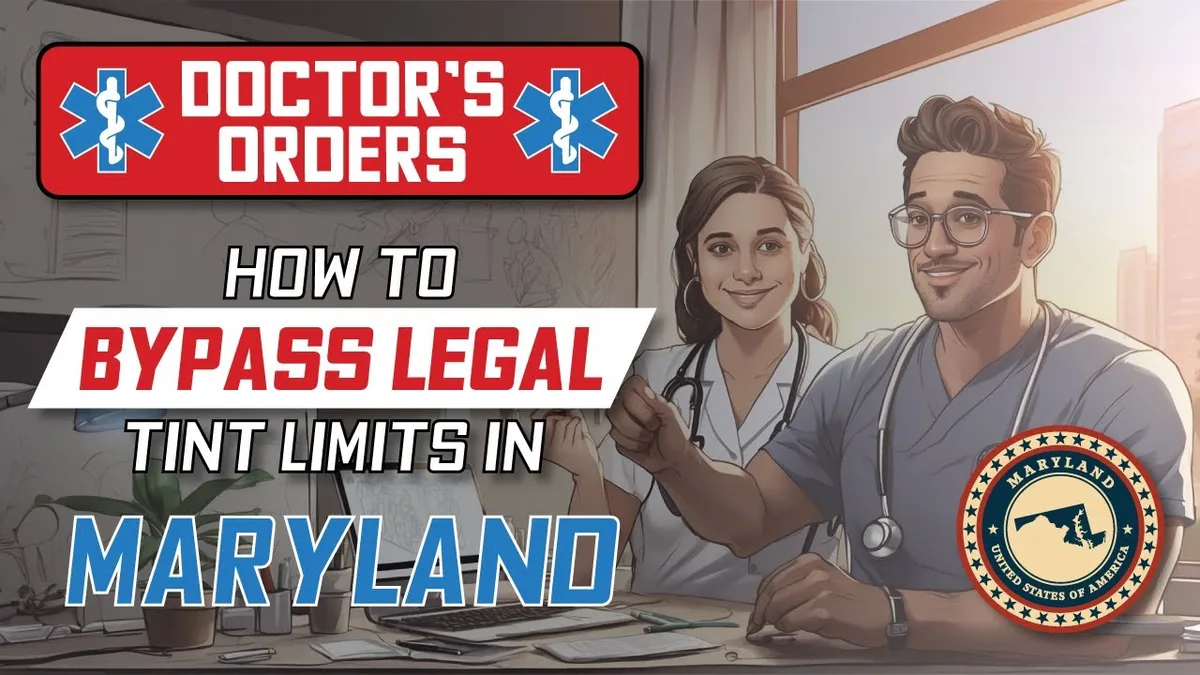
If you have a medical condition like lupus or extreme light sensitivity, Maryland allows darker tint. You’ll need a doctor’s note and approval from the MVA. The process involves:
- Getting a signed statement from a licensed physician
- Submitting the MVA’s medical exemption form
- Receiving approval for tint as dark as 20% VLT
Without this paperwork, even medical-grade tint is illegal. Keep the exemption documentation in your vehicle at all times.
How Maryland Enforces Tint Laws (And What Happens If You’re Wrong)
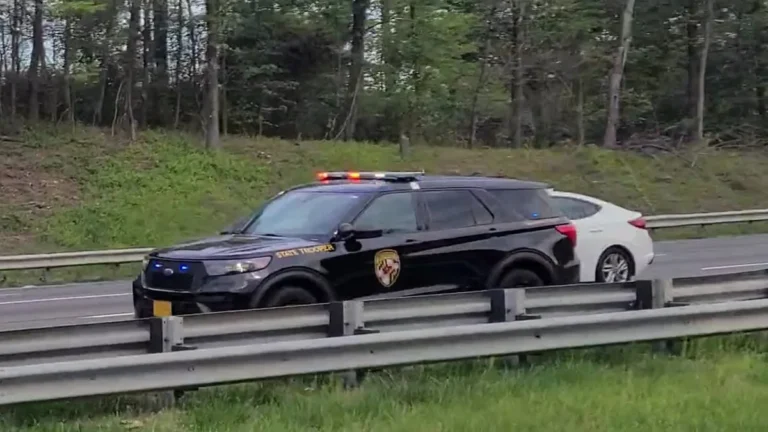
Police use tint meters to check compliance during traffic stops. If your windows fail the test, you’ll get a fix-it ticket and must remove or replace the tint within a set period.
Fines start at $50 but can reach $500 for repeat offenses. Your vehicle may also fail the state inspection until the tint meets legal standards.
Step-by-Step: How to Check If Your Tint Is Legal
Start by identifying your vehicle type and window locations. Passenger cars, SUVs, and trucks often have different rules.
Use a calibrated tint meter to measure VLT percentages. These devices are available at auto shops or online. If you don’t have one, a professional installer can test your windows.
Compare your readings to Maryland’s requirements. Front and rear side windows need at least 35% VLT. The rear window follows the same rule unless you have dual side mirrors.
Professional vs. DIY Tint: Which Stays Compliant Longer?
Professional installers know Maryland’s laws and use certified materials. They’ll ensure your tint meets VLT and reflectivity standards. You’ll also get a warranty, which covers bubbling or peeling.
DIY kits are cheaper but risk non-compliance. Mistakes in application can lead to uneven tint or incorrect darkness. If you choose DIY, double-check the product’s VLT rating before applying.
Common Mistakes That Get Maryland Drivers Fined
Assuming all windows follow the same rules is a big error. Front and rear side windows have the same 35% VLT minimum, but windshield tint is restricted to the top few inches.
Using aftermarket tint without checking its VLT percentage is another common mistake. Some products claim to be legal but don’t meet Maryland’s standards. Always verify the specs.
Forgetting to carry medical exemption paperwork can also lead to fines. Even with approval, you must have the documents in your vehicle.
Maryland vs. Neighboring States: Can You Cross the Line?
Maryland’s 35% VLT rule is stricter than some neighbors. Virginia allows 50% VLT on front side windows, while Pennsylvania permits 70%.
If you frequently drive across state lines, your tint must comply with the strictest law in the regions you visit. Otherwise, you risk fines in multiple states.
Best Legal Tint Options for Maryland Drivers
Ceramic tint is a top choice for compliance and performance. It blocks UV rays and heat without increasing reflectivity. It also meets Maryland’s 35% VLT requirement when installed correctly.
Dyed tint is another legal option. It’s more affordable but less effective at heat rejection. Ensure the product is labeled for 35% or higher VLT.
Avoid metallic tints unless they meet the 20% reflectivity limit. These can interfere with electronics and may not pass inspection.
FAQs: Maryland Window Tinting Questions Answered
Is 20% tint legal in Maryland?
No, 20% tint is not legal for standard vehicles. The minimum VLT is 35% for front and rear side windows. Only medical exemptions allow darker tint.
Can I tint my windshield in Maryland?
Tint is only allowed above the AS-1 line on the windshield. This is typically the top 5-6 inches. Any tint below this line is illegal.
What happens if my tint is too dark?
You’ll receive a fix-it ticket and must remove or replace the tint. Fines can reach $500 for non-compliance. Your vehicle may also fail the state inspection.
Do SUVs have different tint laws in Maryland?
SUVs, vans, and trucks generally follow the same 35% VLT rule for side windows. However, rear windows may have different requirements. Always confirm with the MVA.
How do I know if my tint is legal?
Use a calibrated tint meter to measure VLT percentages. Compare the readings to Maryland’s requirements. Professional installers can also verify compliance.
Can I get a ticket for tint in Maryland?
Yes, police can issue tickets for non-compliant tint. They use tint meters during traffic stops. Fines start at $50 and increase for repeat offenses.