If you’ve got a newer car in Massachusetts, you might not need an emissions test at all. Massachusetts emissions testing exemptions for newer vehicles apply to many models, saving you time and hassle. The rules depend on your car’s age, fuel type, and model year.
As of 2026, gasoline-powered vehicles from 2020 or newer are typically exempt, while diesel and hybrid rules differ. Let’s break down who qualifies and how to confirm your status.
Quick Answer
Massachusetts emissions testing exemptions for newer vehicles apply to most gasoline cars from 2020 onward. Diesel vehicles from 2014 or newer may also qualify. Hybrids and electric vehicles often get a pass too.
Exemptions last for the first few years of the vehicle’s life. Always verify with the Massachusetts RMV before assuming.
How Massachusetts Emissions Exemptions Work
The Massachusetts Vehicle Check Program requires most vehicles to pass an emissions test, but newer models get a temporary break. The state follows California’s stricter emissions standards, which means newer cars with advanced emissions controls are often exempt for their first few years.
The exemption is based on the idea that newer vehicles meet current standards right off the assembly line. Once a car hits a certain age, it must undergo regular testing to ensure it still complies. The Massachusetts Department of Environmental Protection (MassDEP) sets these rules, and the Registry of Motor Vehicles (RMV) enforces them.
The Model Year Cutoffs You Need to Know
For gasoline-powered vehicles, the cutoff is straightforward. As of 2026, models from 2020 or newer are exempt from emissions testing. This means if you buy a brand-new car today, you won’t need to worry about emissions tests for at least a few years.
Diesel vehicles have a different cutoff. Models from 2014 or newer are typically exempt, but this can vary based on the vehicle’s weight and type. Always double-check with the RMV if you’re unsure.
Hybrid and electric vehicles often get special treatment. Most hybrids follow the gasoline cutoff, while electric vehicles are usually exempt entirely since they produce zero tailpipe emissions.
Gasoline vs. Diesel vs. Hybrid vs. Electric: Different Rules
Not all fuel types are treated the same under Massachusetts emissions laws. Here’s how the exemptions break down:
| Vehicle Type | Exemption Cutoff (Model Year) | Notes |
|---|---|---|
| Gasoline | 2020 or newer | Standard passenger vehicles |
| Diesel | 2014 or newer | Light-duty vehicles only |
| Hybrid | Follows gasoline rules | Check RMV for specific models |
| Electric | All years | No tailpipe emissions |
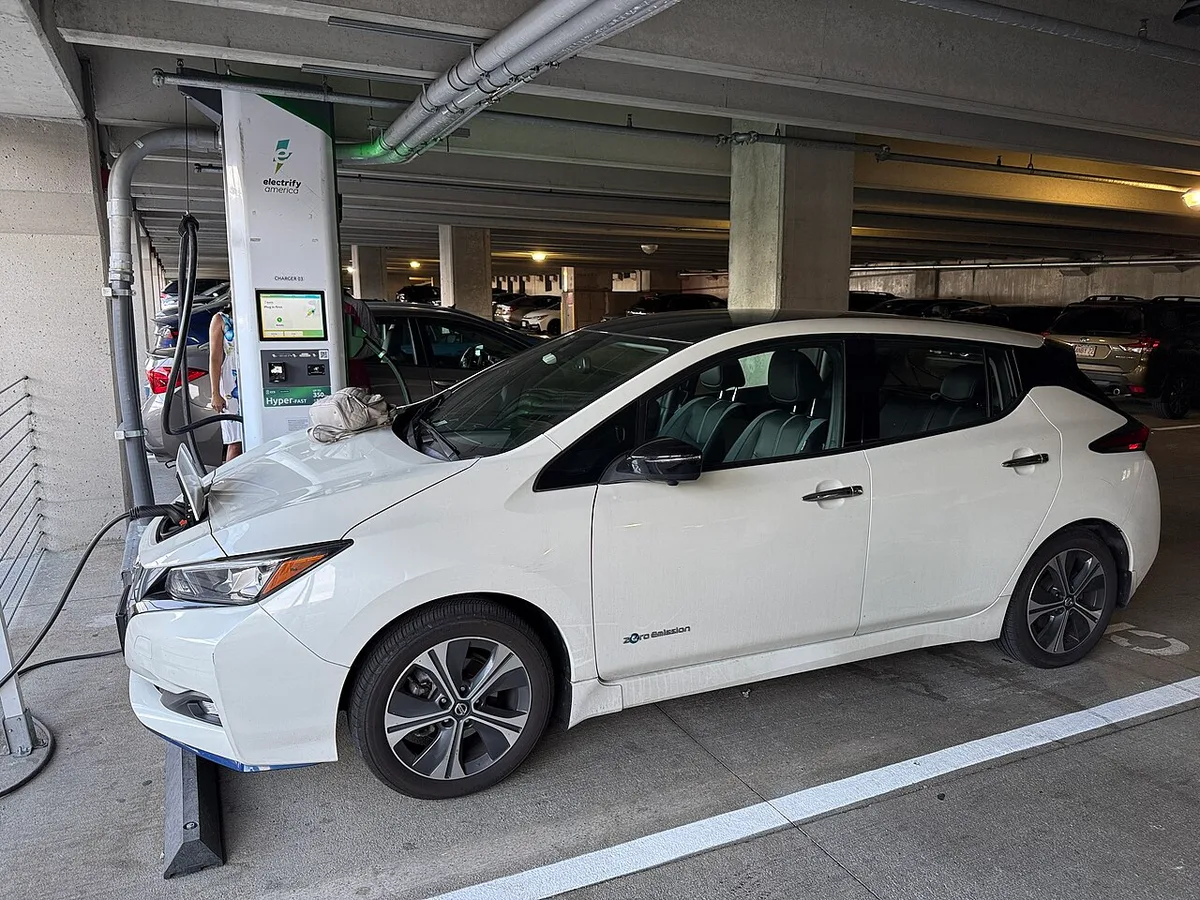
Gasoline cars are the most common, so the 2020 cutoff applies to the majority of drivers. Diesel vehicles, especially older ones, have stricter rules due to higher emissions. Hybrids usually follow the gasoline exemption, but it’s best to confirm with the Massachusetts RMV for your specific model.
Electric vehicles are the simplest. Since they don’t produce tailpipe emissions, they’re exempt from testing entirely.
How to Check If Your Car Is Exempt
Confirming your exemption is a quick process. Start by checking your vehicle’s model year on the registration or title. If it meets the cutoff for your fuel type, you’re likely exempt.
You can also use the RMV’s online tools. Their website lets you enter your vehicle identification number (VIN) to see if you’re due for an inspection. If the system shows no emissions test required, you’re in the clear.
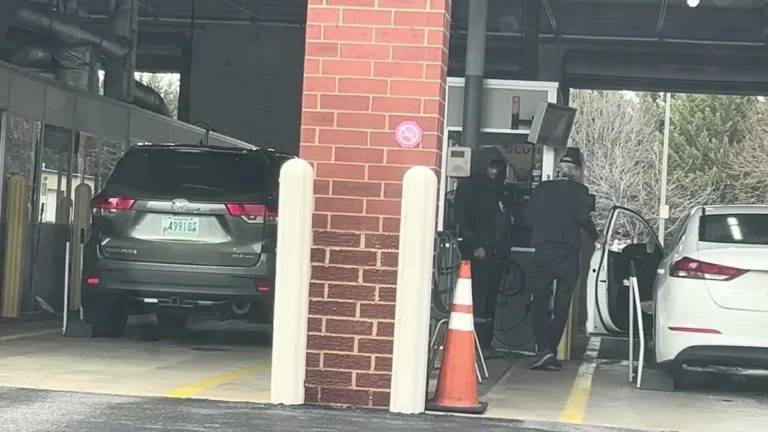
If you’re still unsure, visit a local Vehicle Inspection Station (VIS). They can verify your exemption status on the spot. Just bring your registration and VIN, and they’ll let you know if you need to proceed with testing.
What Happens If You Assume Wrong
Skip the emissions test when you’re not actually exempt and you’ll face penalties. The RMV will flag your registration as non-compliant. You won’t be able to renew your plates until the test is done.
Worse, driving with an expired or invalid inspection sticker can lead to fines. Police can pull you over for it, and the ticket isn’t cheap. The state doesn’t make exceptions for honest mistakes.
If you’re unsure, spend five minutes verifying your status. It’s faster and cheaper than dealing with the fallout later.
Out-of-State Vehicles: Special Cases
Moving to Massachusetts with a newer car doesn’t automatically grant you an exemption. You’ll need to register your vehicle in-state first. Once registered, the same model year rules apply.
If your out-of-state car is already a few years old, it may not qualify for the exemption. The RMV uses Massachusetts model year cutoffs, not the rules from your previous state.
Temporary visitors don’t need to worry. If you’re just passing through or staying short-term, your home state’s registration and inspection rules still apply.
Costs, Fees, and Savings You Should Expect
The standard emissions test in Massachusetts costs $35. If your car is exempt, you save that fee every year until the exemption expires.
There’s no separate fee to confirm your exemption. The RMV and inspection stations can verify it for free using your VIN. You only pay if you actually need the test.
Over a few years, the savings add up. For a 2020 gasoline car, that’s at least three years of skipped tests. For diesel or hybrid owners, the savings may start even sooner.
Step-by-Step: Confirming Your Exemption Before Inspection

First, locate your vehicle’s model year on the registration or title. If it’s 2020 or newer for gasoline, or 2014 or newer for diesel, you’re likely exempt.
Next, use the RMV’s online VIN checker. Enter your vehicle identification number to see if an emissions test is required. The system will confirm your exemption status instantly.
If you prefer in-person verification, visit a Vehicle Inspection Station. Bring your registration and VIN. The staff can tell you on the spot whether you need a test.
Common Mistakes That Get People Fined
Assuming all new cars are exempt is the biggest error. Some newer diesels or older hybrids may still require testing. Always verify your specific model.
Ignoring the cutoff year is another common slip-up. A 2019 gasoline car isn’t exempt, even if it feels new. The rules are strict about model years.
Forgetting to register your out-of-state car is a third mistake. Until it’s registered in Massachusetts, the exemption doesn’t apply.
FAQs About Massachusetts Emissions Exemptions
Does a 2019 car need an emissions test in Massachusetts?
Yes. The cutoff for gasoline vehicles is 2020 or newer. A 2019 model must still pass the emissions test.
Are hybrid cars exempt from emissions testing?
Most hybrids follow the gasoline exemption rules. If your hybrid is 2020 or newer, it’s likely exempt. Always confirm with the RMV.
What happens if my exemption expires mid-year?
Once your vehicle hits the cutoff age, you’ll need to get tested at your next inspection. The RMV won’t prorate or extend exemptions.
Can I get an exemption for a modified vehicle?
No. Modified vehicles, even newer ones, must still pass emissions testing. Aftermarket changes can void exemptions.
Do motorcycles need emissions tests in Massachusetts?
No. Motorcycles are not subject to the same emissions testing requirements as cars and trucks.
Final Decision Guide: Do You Need the Test or Not?
Check your vehicle’s model year first. Gasoline cars from 2020 or newer are exempt. Diesel vehicles from 2014 or newer may also qualify.
Hybrids and electric vehicles often get a pass, but verify with the RMV. Out-of-state cars must be registered in Massachusetts before exemptions apply.
If you’re still unsure, use the RMV’s VIN checker or visit a Vehicle Inspection Station. It’s the fastest way to confirm your status and avoid fines.