ByMax Lee
Maine Trailer Towing Safety Chain & Lighting Rules
Towing a trailer in Maine without the right safety setup isn’t just risky, it’s illegal. The Maine trailer towing safety chain and lighting equipment requirements exist to prevent accidents, keep you visible on rural roads, and avoid costly fines. One wrong move, like a loose chain or a burned-out taillight, can turn a routine trip into a hazard.
Per Maine’s Title 29-A, all trailers must have crossed safety chains rated for the trailer’s Gross Vehicle Weight Rating (GVWR), plus fully functional lighting that meets Federal Motor Vehicle Safety Standards (FMVSS No. 108). Get this wrong, and you’re looking at enforcement stops or worse. Here’s what you need to know to stay compliant and safe.
Quick Answer
Maine requires crossed safety chains rated for your trailer’s GVWR on all towed vehicles. Lighting must include red tail lights, brake lights, turn signals, and reflectors visible from 500 feet. Trailers over 3,000 lbs need a break-away brake system.
All wiring must be continuous with no splices.
YouTube / Ford Motor Company (YouTube thumbnail (fair-use with source credit))
Why Maine’s Trailer Towing Safety Rules Matter
Maine’s roads, especially in winter, demand extra caution. A detached trailer on a dark rural highway can cause multi-vehicle pileups. The state’s laws aren’t arbitrary; they’re based on real risks and federal safety standards.
Non-compliance isn’t just dangerous. It’s expensive. Fines for missing or faulty equipment start at $100 and climb if the issue leads to an accident.
Insurance may also deny claims if your setup violates Maine’s towing regulations.
Core Towing Safety Rules in Maine
Maine follows federal guidelines but adds state-specific enforcement. The two non-negotiables are safety chains and lighting. Both must meet minimum standards before you hit the road.
Safety chains act as a backup if your hitch fails. Lighting ensures other drivers see your trailer’s size, speed, and intentions. Skip either, and you’re breaking the law.
Safety Chain Requirements (What You Must Have)
Maine mandates at least two safety chains for every trailer. They must be crossed in an X-pattern under the trailer tongue to prevent the tongue from digging into the road if the hitch fails.
Key specs:
- Strength: Chains must have a breaking strength equal to or greater than the trailer’s GVWR. For example, a 5,000-lb trailer needs chains rated for 5,000 lbs or more.
- Attachment: Hooks must connect to the tow vehicle’s frame, not the hitch itself. This prevents the chains from becoming projectiles if the hitch breaks.
- Length: Chains should be short enough to prevent dragging but long enough to allow turns. Aim for 2, 4 inches of slack when the trailer is level.
Pro tip: Use Grade 70 or 80 chains for heavy trailers. Grade 30 is acceptable for light-duty use but may not meet the strength requirement for larger loads.
Trailer Lighting & Reflector Requirements
Your trailer’s lighting system must be fully operational and visible from a distance. This includes tail lights, brake lights, turn signals, and reflectors. Maine aligns with FMVSS No. 108, which sets the standard for visibility and color.
Mandatory lighting:
- Tail lights: Red, visible from 500 feet in normal conditions.
- Brake lights: Red, must activate when the tow vehicle brakes.
- Turn signals: Amber or red, visible from 300 feet.
- Clearance lights: Required if the trailer is over 80 inches wide. Amber on the front, red on the rear.
- Reflectors: Red on the rear, amber on the sides. Minimum size is 2 inches in diameter.
Wiring standards:
- Use a continuous wiring harness with no splices.
- Connections must be weatherproof to prevent corrosion, especially in Maine’s wet, salty winters.
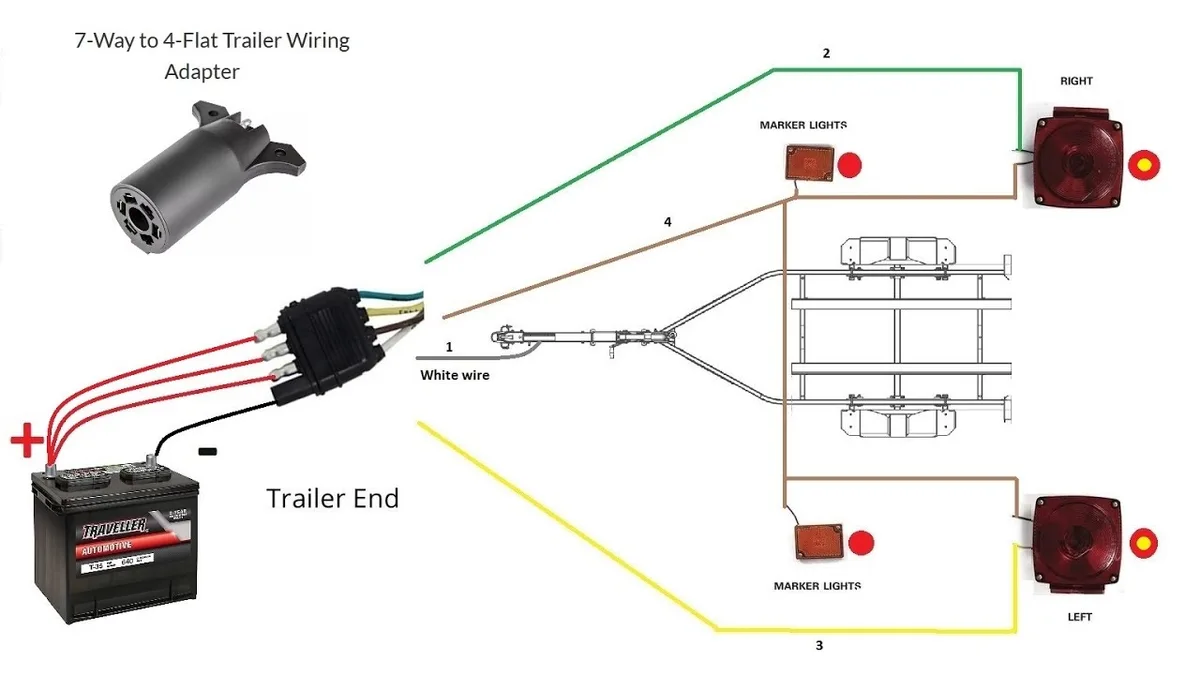
YouTube / SRA Electrical (YouTube thumbnail (fair-use with source credit))
Common setups:
| Trailer Type | Connector Type | Lights Required |
|---|---|---|
| Small utility | 4-way flat | Tail, brake, turn signals |
| Medium/large | 7-way round | Tail, brake, turn, clearance, reverse, electric brakes |
| Over 80" wide | 7-way round | All of the above + clearance lights |
Break-Away Brake Rules (For Heavy Trailers)
Trailers over 3,000 lbs GVWR must have a break-away brake system in Maine. This is a separate battery-powered brake that activates if the trailer detaches from the tow vehicle.
The system includes a pin connected to the tow vehicle. If the trailer breaks free, the pin pulls out, triggering the brakes. The battery must be charged and the system tested before each trip.
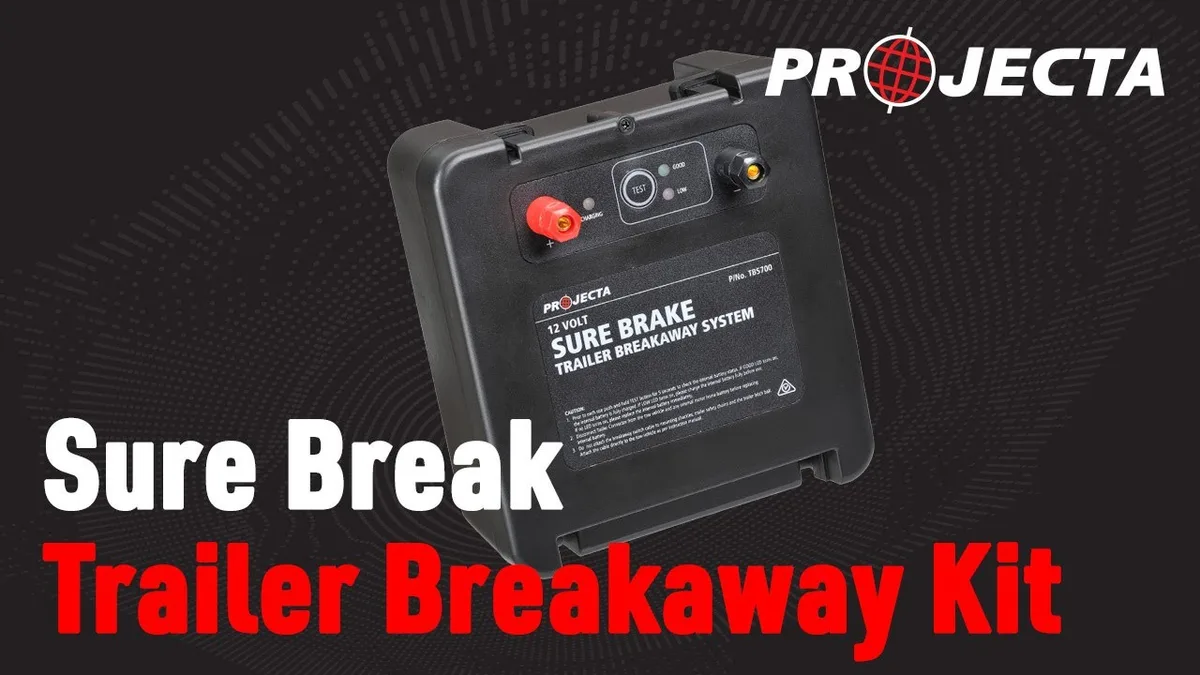
YouTube / PROJECTA (YouTube thumbnail (fair-use with source credit))
Key requirements:
- Battery must hold enough charge for at least 15 minutes of continuous braking.
- The brake must engage all trailer wheels.
- The system must be inspected annually as part of routine maintenance.
Step-by-Step: How to Check Your Setup Before Towing
Start with the hitch and safety chains. Ensure the hitch is locked and the chains are crossed and secured to the vehicle frame.
Next, test all lights. Have a helper verify brake lights, turn signals, and tail lights while you operate the controls. Check reflectors for visibility and cleanliness.
Finally, verify the break-away system if your trailer requires one. Pull the pin manually to confirm the brakes engage. Reconnect and test the battery charge.
Common Mistakes That Get You Pulled Over
Using safety chains that are too weak for the load is a frequent violation. Chains must match or exceed the trailer’s GVWR.
Burned-out lights are another common issue. Many drivers forget to check their trailer lights as often as their vehicle lights. Corroded or loose wiring connections can also cause intermittent failures.
Improper chain attachment is a red flag. Chains must be crossed and hooked to the vehicle frame, not the hitch. Officers will check this during inspections.
Maine-Specific Factors (Winter, Rural Roads, Enforcement)
Maine’s harsh winters accelerate corrosion on chains and wiring. Salt and moisture can degrade connections quickly, so frequent inspections are critical.
Rural roads with low visibility increase the importance of proper lighting. Reflectors and clearance lights help other drivers judge your trailer’s size and position, especially at night.
Enforcement is strict. State troopers and local police conduct random towing safety checks, particularly during peak travel seasons. A quick visual inspection can reveal non-compliant setups.
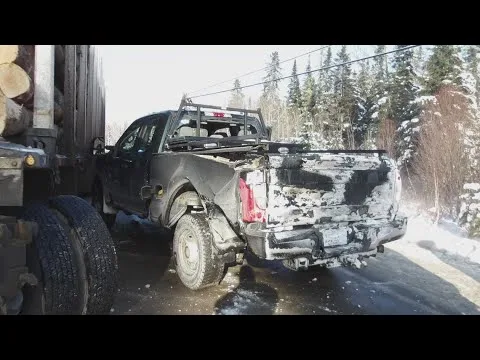
YouTube / NEWS CENTER Maine (YouTube thumbnail (fair-use with source credit))
Costs & Fines for Non-Compliance
Fines for missing or faulty safety chains start at $100. The penalty increases if the violation leads to an accident or injury.
Lighting violations carry similar fines. If your trailer lacks required reflectors or lights, expect to pay at least $100 per missing or non-functional component.
Break-away brake violations are treated more severely. Fines can reach $250, and you may be required to correct the issue on the spot before continuing your trip. Insurance claims may also be denied if an accident occurs due to non-compliance.
Expert Tips for Long-Term Safety & Compliance
Inspect chains monthly. Look for rust, weak links, or stretched sections. Replace any chain that shows signs of wear or has a breaking strength below your trailer’s GVWR.
Use dielectric grease on all electrical connections. This prevents corrosion in Maine’s wet climate and keeps your lighting system reliable. Reapply every few months or before long trips.
Test your break-away system at the start of each towing season. Pull the pin manually to ensure the brakes engage. Check the battery charge and replace it if it’s more than 2 years old.
Frequently Asked Questions
Do I need safety chains for a small utility trailer?
Yes. Maine requires at least two safety chains for all trailers, regardless of size. They must be crossed and rated for the trailer’s GVWR.
What’s the minimum visibility distance for trailer lights?
Tail lights and brake lights must be visible from 500 feet. Turn signals need to be visible from 300 feet in normal conditions.
Can I use a 4-way connector for a trailer over 3,000 lbs?
No. Trailers over 3,000 lbs typically need a 7-way connector to support additional functions like electric brakes and reverse lights.
How often should I check my trailer’s break-away brake?
Test it before every trip. Inspect the battery and connections at least once a year, or more often if you tow frequently.
Are reflectors required if my trailer has working lights?
Yes. Reflectors are mandatory even if your lights are functional. They provide visibility when lights are off, such as when parked.
What’s the fine for a missing safety chain in Maine?
The fine starts at $100. It can increase if the violation leads to an accident or if multiple issues are found during an inspection.