Maine window tinting legal limits and percent light transmission can save you from fines and failed inspections if you get them right. The rules are strict, and enforcement doesn’t bend for out-of-state drivers or good intentions.
Per Maine’s vehicle code, visible light transmission (VLT) is the standard, and the front side windows have the tightest restrictions. Let’s break it down so you don’t get caught off guard.
Quick Answer
Maine window tinting legal limits and percent light transmission require 35% VLT minimum on front side windows. Rear side and back windows can be any darkness. Windshield tint is allowed above the AS-1 line only.
Reflective or colored tints are banned on front sides. Medical exemptions permit darker tints with proper documentation.
Why These Laws Matter (And What Happens If You Get It Wrong)
Maine takes window tint laws seriously. Drive with illegal tint and you risk a traffic stop, a fine up to $100, or a failed state inspection. The rules exist for safety, ensuring drivers can see and be seen, especially at night or in poor weather.
VLT isn’t just a number. It measures how much light passes through your window. Lower percentages mean darker tint, but Maine sets a hard floor for front windows.
Ignore it and you’ll pay the price.
How Window Tint Darkness Is Measured (VLT Explained)
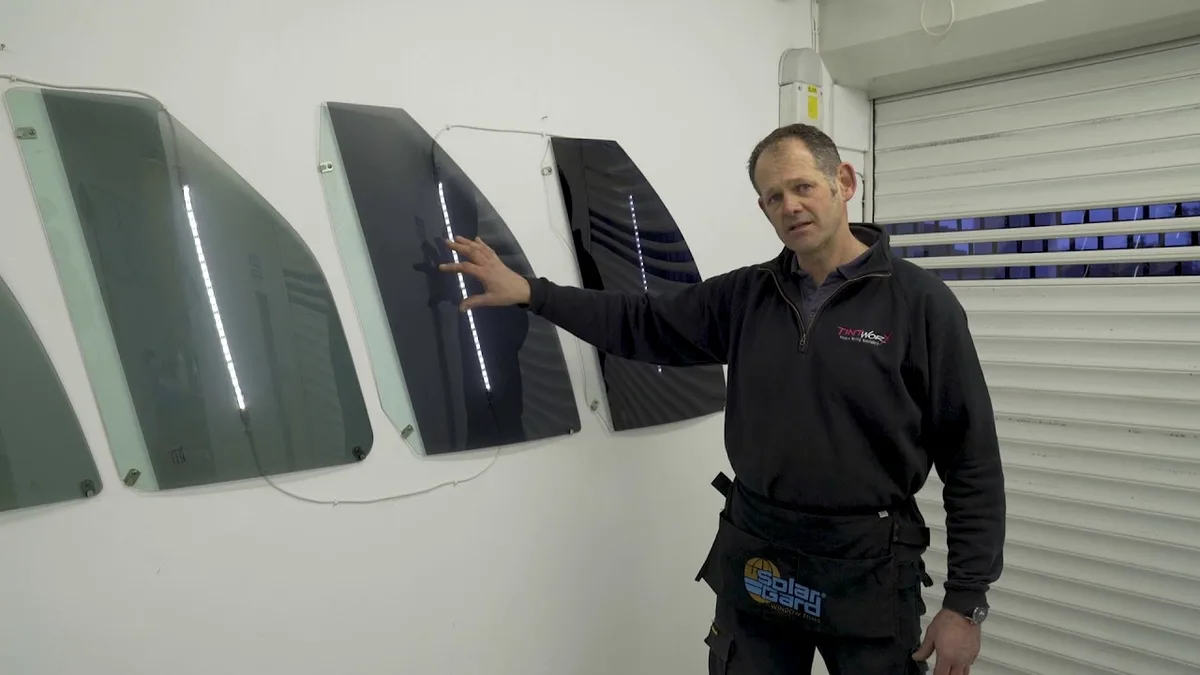
Visible Light Transmission (VLT) is the percentage of light that passes through your window. A 35% VLT tint blocks 65% of light, making the window darker. The lower the VLT, the darker the tint.
Maine uses VLT as the legal standard. Law enforcement checks it with a tint meter during inspections or traffic stops. If your front side windows don’t meet the 35% minimum, your tint is illegal.
Maine’s Exact Legal Tint Percentages by Window
Here’s the breakdown as of 2026:
| Window | Legal VLT Minimum | Notes |
|---|---|---|
| Front side windows | 35% | Must allow at least 35% light in |
| Rear side windows | Any darkness | No restriction |
| Rear window | Any darkness | Must have outside mirrors |
| Windshield | Non-reflective only | Allowed above AS-1 line (top 6 in) |
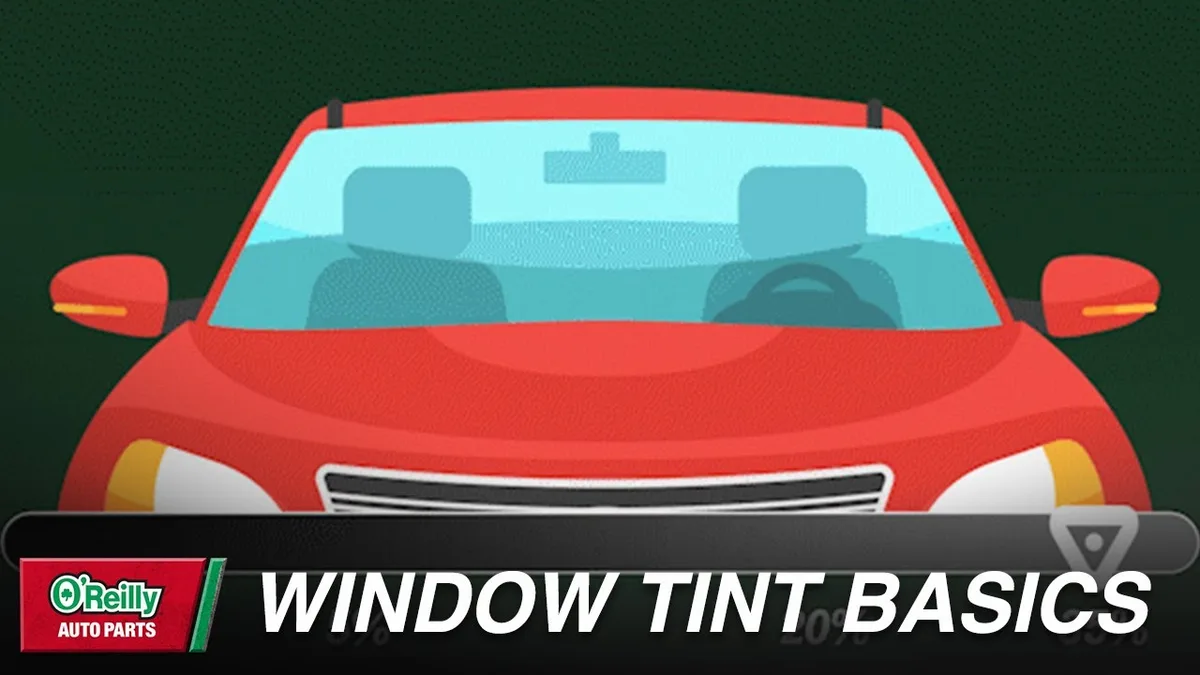
The front side windows are the only ones with a strict limit. Rear windows can be as dark as you want, but remember that visibility still matters for safety.
Front Side Windows vs. Rear Windows: The Key Difference
Front side windows have the strictest rules because they affect driver visibility the most. Maine requires at least 35% VLT here to ensure you can see clearly out of your vehicle, and other drivers can see in.
Rear side and back windows have no VLT restrictions. You can go as dark as you like, but keep in mind that extremely dark tint can still be a safety hazard in low light. If your rear window is tinted, Maine law requires your vehicle to have outside mirrors.
Windshield Tint Rules (What’s Allowed and What’s Not)
Maine permits non-reflective tint on the windshield, but only above the AS-1 line. This is the top 6 inches of the windshield, marked by the manufacturer. Below that line, no tint is allowed.
Reflective or mirrored tint is banned entirely on the windshield. The rule exists to prevent glare that could blind other drivers or reduce your visibility.

Reflective and Colored Tint: Maine’s Restrictions
Maine bans reflective tint on front side windows. This includes metallic or mirrored finishes that could create glare for other drivers. Rear windows can have reflective tint, but it’s not recommended for safety.
Colored tints like red, amber, or blue are illegal on any window. The law allows only neutral colors, such as black, gray, or charcoal. These restrictions help maintain visibility and prevent confusion with emergency vehicles.
Medical Exemptions: How to Get Darker Legal Tint
Maine allows darker tint for medical reasons, but you need a doctor’s note. The exemption must be filed with the Bureau of Motor Vehicles. Without it, even a valid medical need won’t protect you from fines.
The exemption typically permits tint darker than 35% on front side windows. However, the exact allowance depends on the BMV’s approval. Always carry your exemption paperwork in the vehicle.
How Maine’s Tint Laws Compare to Other New England States
Maine’s 35% VLT rule for front side windows is stricter than New Hampshire’s 35% but matches Vermont’s. Massachusetts allows 35% as well, but with additional reflectivity restrictions.
Rhode Island is more lenient, permitting 70% VLT on front sides. Connecticut sits in the middle with a 35% minimum. If you drive across state lines, check the local laws to avoid surprises.
Step-by-Step: Checking If Your Tint Is Legal
First, identify the VLT percentage of your current tint. Most tint shops can measure it with a tint meter. If you’re unsure, assume it’s darker than legal until proven otherwise.
Next, compare it to Maine’s rules. Front side windows must be at least 35% VLT. If your tint is darker, you’ll need to remove or replace it.
Finally, check for reflectivity or color violations. Even if your VLT is legal, reflective or colored tint on front windows is still illegal. A quick visual inspection can save you a fine.
Common Mistakes That Get Drivers Fined
Assuming all windows follow the same rules is the top error. Many drivers tint all windows to 20% VLT, not realizing Maine requires 35% on the front sides. That oversight leads to immediate violations.
Another frequent issue is ignoring the AS-1 line on windshields. Tinting below this line, even lightly, is illegal. Officers check this with a meter during stops.
How to Fix Illegal Tint (Without Getting Pulled Over)
The simplest solution is to remove the illegal tint. A professional shop can peel it off without damaging your windows. DIY removal is possible but risks leaving adhesive residue.
If you want to keep some tint, replace it with a legal 35% VLT film on the front sides. Always verify the percentage with the installer before application.
Where to Get Your Tint Inspected in Maine
State inspection stations will check your tint during the annual vehicle inspection. They use a tint meter to verify VLT percentages. If your tint fails, you’ll need to fix it before passing.
Many tint shops also offer free VLT checks. It’s a quick way to confirm compliance before your official inspection. Some police departments may perform spot checks during traffic stops.
FAQs About Maine Window Tinting Laws
Is 20% tint legal in Maine?
No. Maine requires at least 35% VLT on front side windows. 20% tint is too dark and will fail inspection.
Can I tint my windshield in Maine?
Only above the AS-1 line. Below that, no tint is allowed. The top 6 inches can have non-reflective tint.
Do I need a medical exemption for darker tint?
Yes. Without a doctor’s note and BMV approval, any tint darker than 35% on front sides is illegal.
What’s the fine for illegal tint in Maine?
Fines typically run up to $100. You may also fail your vehicle inspection until the tint is corrected.
Are there any color restrictions for tint in Maine?
Yes. Red, amber, and blue tints are banned. Only neutral colors like black or gray are permitted.
Can rear windows be any darkness in Maine?
Yes. Rear side and back windows have no VLT restrictions. However, visibility and safety should still be considered.
Final Checklist: Stay Legal and Avoid Trouble
Start with the front side windows. Confirm they meet the 35% VLT minimum. Anything darker is an automatic violation.
Check your windshield tint. It must stay above the AS-1 line and be non-reflective. Below that line, no tint is permitted.
Verify rear windows have outside mirrors if tinted. Maine requires this for visibility. Without them, you risk a failed inspection.
Avoid reflective or colored tints on front windows. Stick to neutral shades. Red, amber, and blue are banned entirely.
Carry your medical exemption paperwork if applicable. Without it, darker front tint isn’t legal. Keep it in your glove compartment.
Double-check with a tint meter before inspection. Many shops offer free checks. It’s better to catch issues early.
Start with the front side windows. Confirm they meet the 35% VLT minimum. Anything darker is an automatic violation.
Check your windshield tint. It must stay above the AS-1 line and be non-reflective. Below that line, no tint is permitted.
Verify rear windows have outside mirrors if tinted. Maine requires this for visibility. Without them, you risk a failed inspection.
Avoid reflective or colored tints on front windows. Stick to neutral shades. Red, amber, and blue are banned entirely.
Carry your medical exemption paperwork if applicable. Without it, darker front tint isn’t legal. Keep it in your glove compartment.
Double-check with a tint meter before inspection. Many shops offer free checks. It’s better to catch issues early.