ByMax Lee
Maine Implements of Husbandry: Definition & Road Rules
Maine implements of husbandry definition and road safety regulations can be confusing, especially when you're trying to move farm equipment legally and safely. Whether you're a farmer, a rural driver, or just sharing the road, knowing the rules prevents accidents and fines.
As of 2026, Maine law defines these vehicles under 29-A M.R.S. § 2054, and compliance hinges on proper markings like the SMV emblem and lighting.
Quick Answer
Maine implements of husbandry are farm vehicles designed for agricultural work. They must display a slow-moving vehicle emblem when traveling under 25 mph. Lighting and reflectors are mandatory for visibility.
Permits may be required for oversized loads.
YouTube / JD MachineFinder (YouTube thumbnail (fair-use with source credit))
What Counts as an "Implement of Husbandry" in Maine?
In Maine, an implement of husbandry is any vehicle or equipment primarily used for agricultural purposes. This includes tractors, combines, balers, and manure spreaders. The definition also covers towed equipment like plows or seeders.
The key is that the machinery must be designed for farming, not general transportation. Maine’s statute aligns with federal standards, ensuring consistency for farmers moving equipment across state lines.
Why Maine’s Definition Matters for Road Safety
Farm equipment often travels at slow speeds, typically under 25 mph. This creates a significant speed differential with regular traffic, increasing the risk of rear-end collisions. Proper markings and lighting are critical to alert other drivers.
Maine’s regulations are designed to reduce these risks. Without compliance, accidents can occur, leading to injuries, property damage, or legal penalties.
Maine’s Legal Definition and What It Covers
Maine’s legal definition under 29-A M.R.S. § 2054 includes any vehicle or machinery used exclusively for agricultural operations. This covers both self-propelled and towed equipment. The law exempts these vehicles from certain standard vehicle regulations, like width limits, but imposes specific safety requirements.
For example, implements of husbandry are not required to meet the same lighting standards as passenger vehicles. However, they must still have visible markings to ensure safety on public roads.
Required Safety Equipment for Farm Machinery on Public Roads
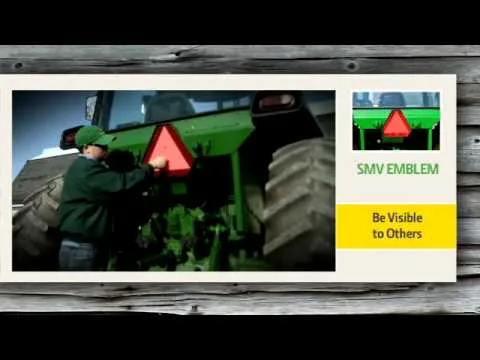
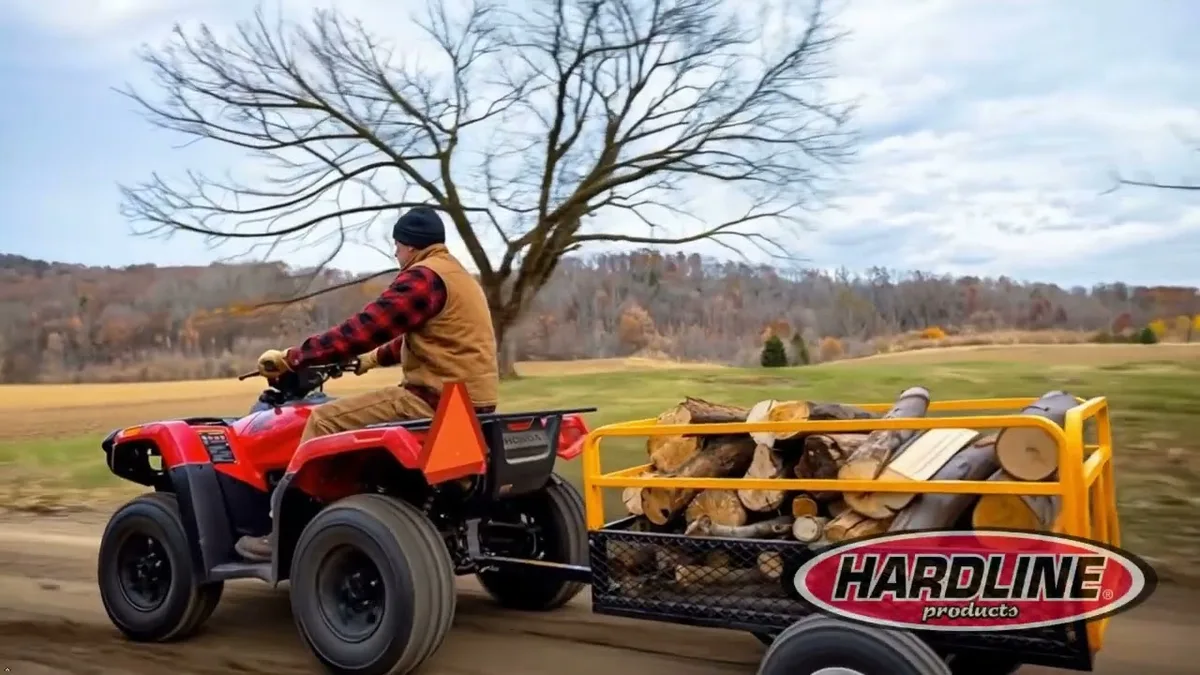
Farm machinery on Maine roads must meet specific safety standards to be legal. The most critical requirement is the slow-moving vehicle (SMV) emblem, a reflective orange triangle. This emblem must be mounted on the rear of the equipment and visible from at least 500 feet away.
In addition to the SMV emblem, equipment must have:
- At least two white headlights visible from 1,000 feet
- Two red taillights visible from 1,000 feet
- Two red reflectors on the rear
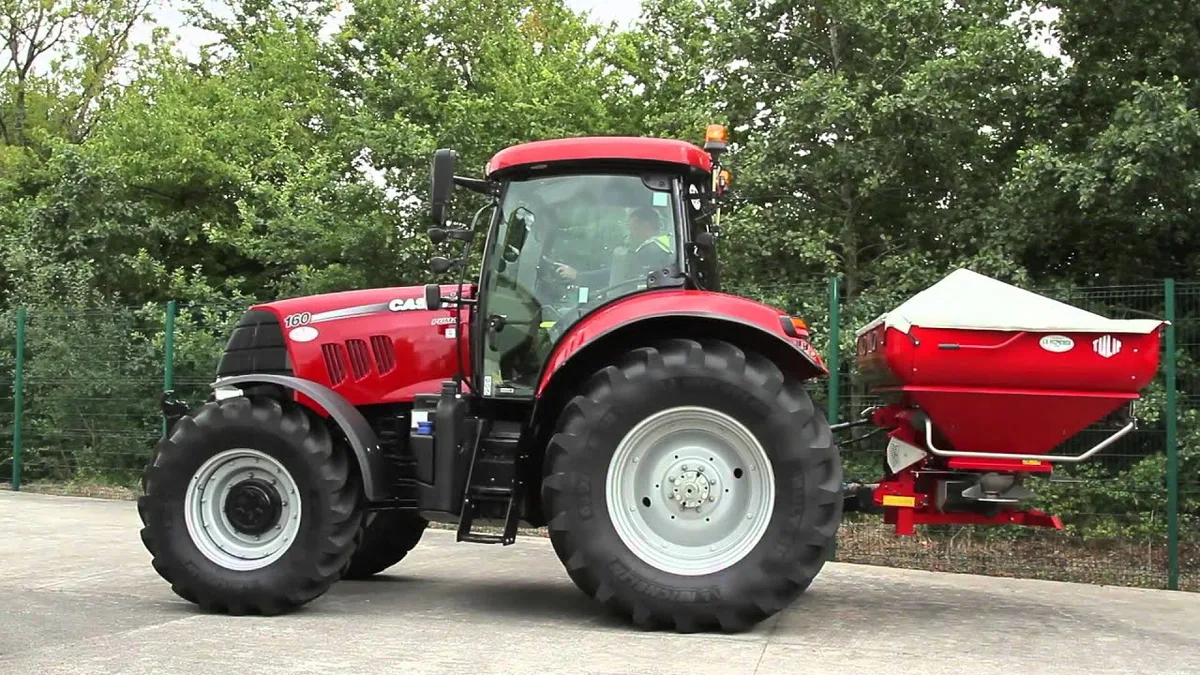
- Amber flashing lights for wide or long loads
YouTube / RSA Ireland (YouTube thumbnail (fair-use with source credit))
These requirements ensure that farm equipment is visible to other drivers, especially in low-light conditions.
Lighting, Reflectors, and the SMV Emblem: What’s Mandatory
The SMV emblem is a bright orange triangle with a red border. It must be mounted at least 3 to 5 feet above the road surface. This ensures visibility for drivers approaching from behind.
At night or in low visibility, farm equipment needs additional lighting. Two white headlights and two red taillights are required. Amber flashing lights are mandatory for wide or long loads.
YouTube / Hardline Products® (YouTube thumbnail (fair-use with source credit))
Reflectors are just as important as lights. Two red reflectors must be placed on the rear of the equipment.
When You Need a Permit for Oversized Farm Equipment
Maine requires permits for farm equipment exceeding standard size limits. Width over 10 feet or length over 60 feet typically needs a permit. Height over 13 feet 6 inches also requires one.
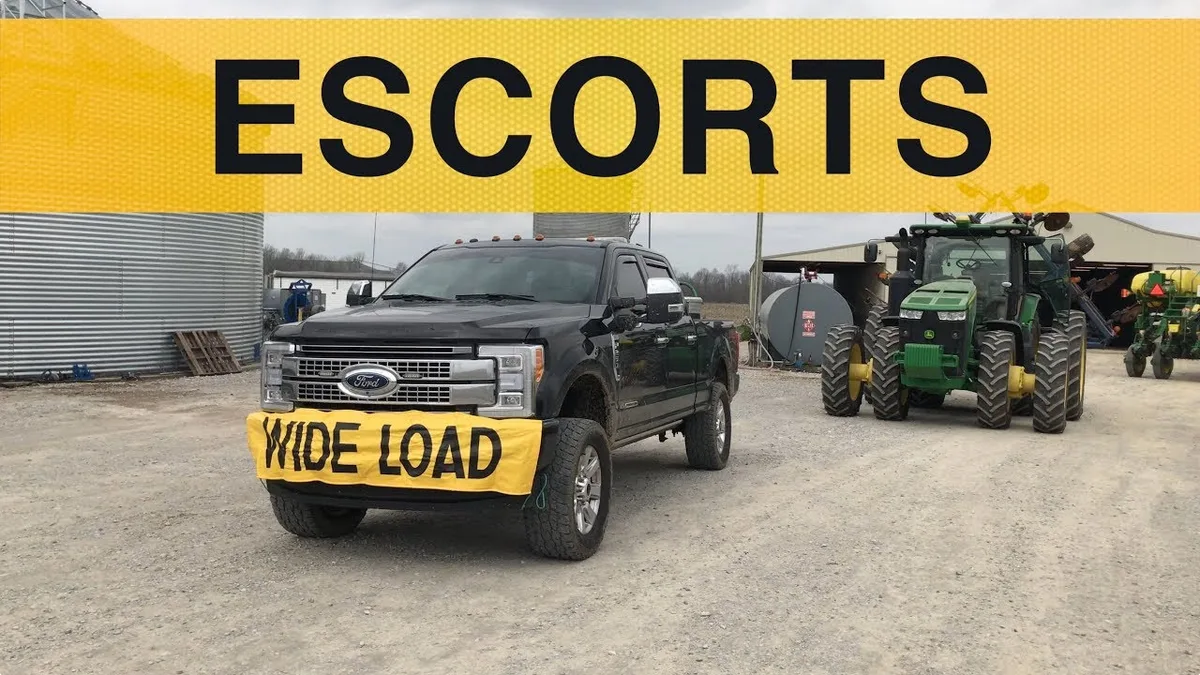
The permitting process involves submitting an application to MaineDOT. They review the route and may require escort vehicles. Fees vary based on the size and duration of travel.
YouTube / UK Martin-Gatton CAFE (YouTube thumbnail (fair-use with source credit))
Permits are usually issued for specific dates and routes. Farmers should plan ahead, as processing can take several days.
Right-of-Way and Traffic Rules for Agricultural Vehicles
Farm equipment has the same right-of-way as other vehicles at intersections. However, its slow speed can create confusion. Drivers should yield to faster traffic when safe to do so.
When turning, farm equipment operators must signal early. The wide turns of large machinery can surprise other drivers.
At night, farm equipment should avoid travel if possible. If travel is necessary, all lighting and reflectors must be functional.
Common Mistakes That Lead to Fines or Accidents
Many farmers forget to mount the SMV emblem correctly. It must be clean and unobstructed. A dirty or missing emblem can lead to a ticket.
Improper lighting is another frequent issue. Burned-out bulbs or missing reflectors reduce visibility. Regular checks before road use prevent these problems.
Some operators assume other drivers will see them. This is dangerous, especially at dawn or dusk.
Seasonal and Rural Road Considerations in Maine
Maine’s rural roads often lack shoulders, making it harder for farm equipment to pull over. Operators should use hazard lights when allowing traffic to pass.
Harvest seasons see increased farm traffic. Drivers should expect delays and exercise patience.
Weather conditions like fog or snow reduce visibility further. In these cases, travel should be postponed if possible.
How to Check Your Equipment Before Hitting the Road
Start with the SMV emblem. Make sure it’s clean, mounted correctly, and fully visible.
Next, test all lights. Headlights, taillights, and flashers should work.
Check reflectors and tires too. Reflectors must be unobstructed, and tires should be properly inflated.
What to Do If You’re Sharing the Road with Farm Machinery
Slow down when you see farm equipment ahead. These vehicles move at 15 to 25 mph, far slower than normal traffic.
Look for turn signals early. Farm machinery often makes wide turns.
Pass only when it’s safe and legal. Never pass on curves or hills where visibility is limited.
Where to Find Official Maine Regulations and Updates
The Maine Department of Transportation website lists current rules. Their MaineDOT page has the latest on permits and safety standards.
For legal definitions, check the Maine Legislature’s statutes. 29-A M.R.S. § 2054 covers implements of husbandry.
Local Maine State Police offices can also provide guidance. They enforce these regulations and can clarify gray areas.
FAQs About Implements of Husbandry and Road Use
Do I need a permit to move a tractor on Maine roads?
No permit is needed for standard-sized tractors. But if your equipment exceeds 10 feet wide or 60 feet long, you do.
What’s the fine for missing an SMV emblem in Maine?
The fine can reach $100 or more. More importantly, you risk accidents if other drivers don’t see you.
Can farm equipment drive on Maine highways?
Generally no. Most highways prohibit slow-moving vehicles.
How fast can farm equipment legally travel in Maine?
There’s no set speed limit for farm equipment. But if you’re moving slower than 25 mph, you must display the SMV emblem.
Are there special rules for nighttime travel?
Yes. All required lights and reflectors must be working. Avoid night travel if possible.