Louisiana may require VIN verification for certain out-of-state vehicles being titled or registered in the state. This check helps prevent fraud and ensures accurate vehicle history before registration.
The process targets high-risk cases like salvage titles or unclear ownership. As of 2026, the Louisiana Office of Motor Vehicles enforces this to maintain legitimate registrations.
Quick Answer
Louisiana may require VIN verification for certain out-of-state vehicles being titled or registered in the state. It applies to salvage, rebuilt, or vehicles with missing ownership documents. A certified inspector must confirm the VIN matches the title.
This step is mandatory before registration.
Why Louisiana Requires VIN Verification for Some Vehicles
VIN verification stops stolen vehicles from being registered under false titles. It also catches cloned VINs, where thieves copy a legitimate number onto a stolen car.

The 17-character VIN is unique to each vehicle and tied to its history. Louisiana’s rule aligns with federal standards for vehicle identification. Without verification, fraudulent titles could slip through.
Which Out-of-State Vehicles Trigger VIN Verification
Not every out-of-state vehicle needs a VIN check. Louisiana focuses on high-risk cases.
You’ll need verification if your vehicle:
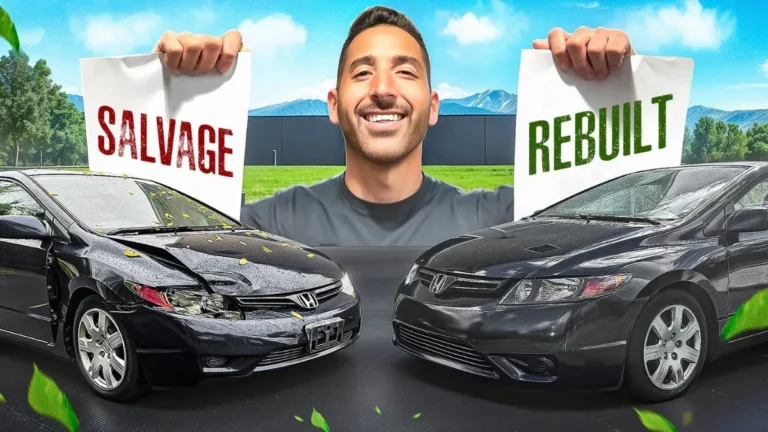
- Has a salvage or rebuilt title
- Lacks a title or has a questionable ownership history
- Was last registered in a state with no title requirement
- Shows signs of VIN tampering
You’re likely exempt if:
- The vehicle has a clean title from another state
- It’s a new car with a manufacturer’s certificate of origin
- You’re transferring a title between family members
Louisiana’s VIN Verification Process Step by Step
Locate your VIN on the dashboard near the windshield or the driver’s door jamb. It’s also on your title and insurance documents.
Visit an authorized inspector. This can be a Louisiana State Police officer, a licensed dealer, or an OMV-approved station. They’ll check the VIN against your paperwork.
The inspector completes a verification form, often the Louisiana DPSMV 1799. Submit this with your title application. Keep copies for your records.
Where to Get a VIN Verification in Louisiana
Louisiana State Police troopers can perform the check at any troop location. No appointment is usually needed.
Licensed car dealerships often offer VIN verification for a small fee. Some parishes have dedicated inspection stations. Call ahead to confirm hours and requirements.
Documents You’ll Need for VIN Verification
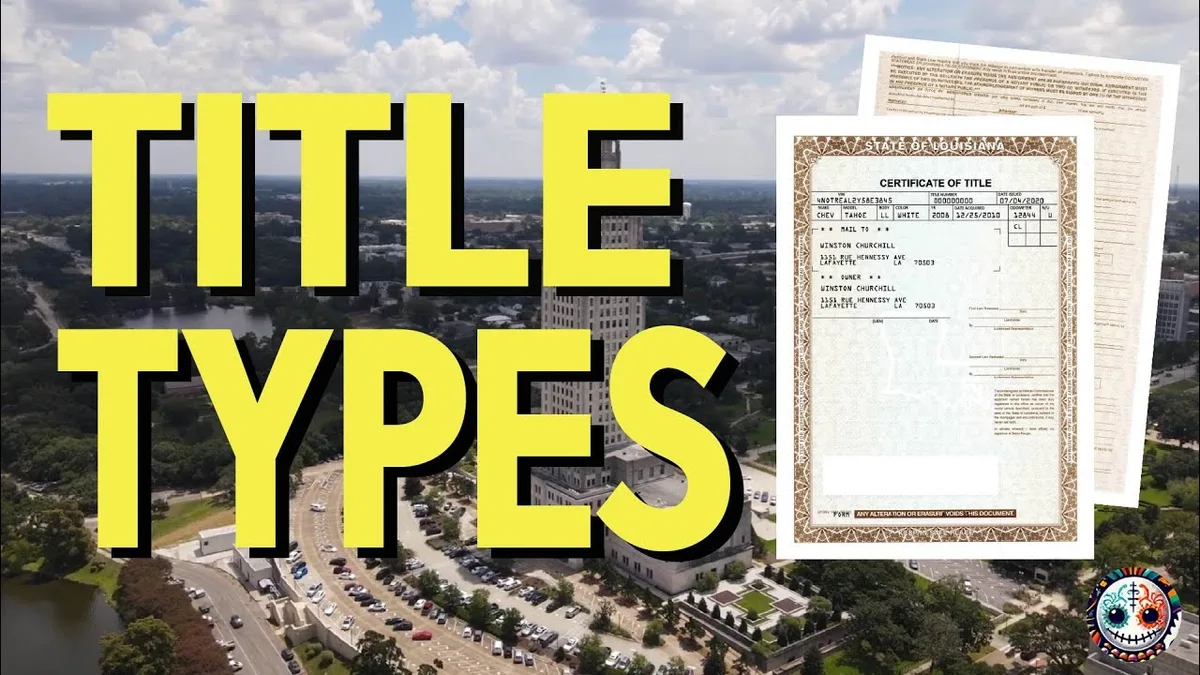
Bring the vehicle’s title or manufacturer’s certificate of origin. If the title is missing, provide a court order or power of attorney proving ownership.
A completed title or registration application is required. Louisiana uses form DPSMV 1799 for most cases. Proof of insurance is also mandatory.
For vehicles with a lien, include the lienholder’s information. Salvage or rebuilt titles require additional repair documentation.
Common Mistakes That Delay Your Louisiana Title or Registration
Submitting an incomplete application is the top reason for rejection. Double-check that all fields are filled and signatures are present.
Mismatched VINs are another frequent issue. The number on the vehicle must match the title and verification form exactly. Even a single digit error can cause a denial.
Forgetting to disclose the odometer reading is also common. Louisiana requires this for all vehicles under 10 years old.
What Happens If You Skip VIN Verification
Your title or registration application will be rejected. The OMV won’t process it without the verification form.
Driving without proper registration can lead to fines. Law enforcement may also impound the vehicle if it’s not compliant.
You might face issues when selling the car later. Future buyers or dealers will question the missing verification.
Costs and Fees for VIN Verification in Louisiana
VIN verification is often free at State Police locations. Some dealerships or inspection stations may charge under $20.
Title fees are $68.50 for standard passenger vehicles as of 2026. Registration fees range from $20 to $80 depending on vehicle type and weight.
Additional fees may apply for specialty plates or late registrations. Check the Louisiana OMV website for current rates.
Special Cases: Salvage, Rebuilt, or Custom Vehicles
Salvage vehicles always require VIN verification. Bring the salvage title and proof of repairs.
Rebuilt vehicles must pass a safety inspection in addition to VIN verification. This ensures the car meets Louisiana’s roadworthiness standards.
Custom or kit cars may need extra documentation. Provide receipts for major components and build photos. The OMV may require an inspection to confirm the vehicle’s identity.
Expert Tips to Speed Up the Process
Schedule your VIN verification in advance. Some locations require appointments, especially at busy OMV offices.
Organize all documents in one folder. Missing paperwork is the most common cause of delays.
If your VIN is hard to read, clean the area first. Dirt or damage can make the number unreadable during inspection.
FAQs About Louisiana VIN Verification for Out-of-State Vehicles
Do all out-of-state vehicles need VIN verification in Louisiana?
No. Only specific cases like salvage titles or unclear ownership require it. Clean titles from other states typically don’t.
How long does VIN verification take?
The inspection itself takes 10 to 15 minutes. Processing time at the OMV varies by workload.
Can I get VIN verification at any police station?
Most Louisiana State Police troops offer it. Call ahead to confirm availability and hours.
What if my VIN doesn’t match the title?
Resolve the discrepancy first. Contact the previous title holder or your state’s DMV for corrections.
Is there a fee for VIN verification?
State Police locations usually do it for free. Some private inspectors may charge a small fee.
Final Checklist: Are You Ready to Register?
You’ve got your title and proof of insurance. The VIN verification form is complete and matches your documents.
All fees are paid and the application is filled out. You’re ready to submit to the OMV.
You’ve got your title and proof of insurance. The VIN verification form is complete and matches your documents.
All fees are paid and the application is filled out. You’re ready to submit to the OMV.