Louisiana motor-home registration fees may depend on the chassis value, vehicle weight, and registration classification. That means what you pay isn’t a flat rate, it’s tied to how your RV is built, how much it weighs, and how it’s classified with the state. The Louisiana Office of Motor Vehicles (OMV) uses these factors to set your fee, so knowing them upfront saves you surprises at the counter.
As of 2026, the OMV bases fees on Gross Vehicle Weight Rating (GVWR) for many motor-homes, but chassis value can also play a role for certain classifications. The exact calculation depends on which box your RV checks.
Quick Answer
Louisiana motor-home registration fees may depend on the chassis value, vehicle weight, and registration classification. Fees are not one-size-fits-all. Chassis value is often pulled from the VIN.
Vehicle weight uses GVWR. Classification splits recreational from commercial.
The 3 Things That Decide Your Fee
Three variables drive the cost: chassis value, vehicle weight, and how the OMV classifies your motor-home. Each one can push your fee higher or lower, depending on the numbers.
Chassis value usually comes from the manufacturer’s suggested retail price (MSRP) or a professional appraisal. The OMV may reference the National Automobile Dealers Association (NADA) guide for this. Vehicle weight is typically the GVWR, which is the maximum safe weight of the motor-home when fully loaded.
Classification is the easiest to control, you’ll declare whether it’s for personal use (recreational) or business (commercial).
How Chassis Value Affects What You Pay
If your motor-home is classified under a value-based system, the OMV will use the chassis value to set part of the fee. This is more common for newer or high-end models where the base vehicle cost is a major factor.
The value is often tied to the chassis itself, not the entire RV build-out. That means a luxury Class A on a high-end chassis could pay more than a smaller Class C on a standard chassis, even if their GVWR is similar.

You can find the chassis value in a few places:
- The manufacturer’s invoice or window sticker
- A professional appraisal
- The NADA guide or similar pricing resources
If you’re unsure, the OMV can look it up using your VIN during registration.
How Vehicle Weight Changes the Calculation
Weight is the most common factor for motor-home fees in Louisiana. The OMV primarily uses GVWR, which is the maximum weight your RV can safely carry, including passengers, cargo, and fluids.
Here’s how it works in practice:
- The OMV has set fee tiers based on GVWR ranges.
- Heavier motor-homes pay more, as they put more wear on roads.
- If your RV’s GVWR isn’t listed on the title or registration, you may need to get it weighed at a certified scale.
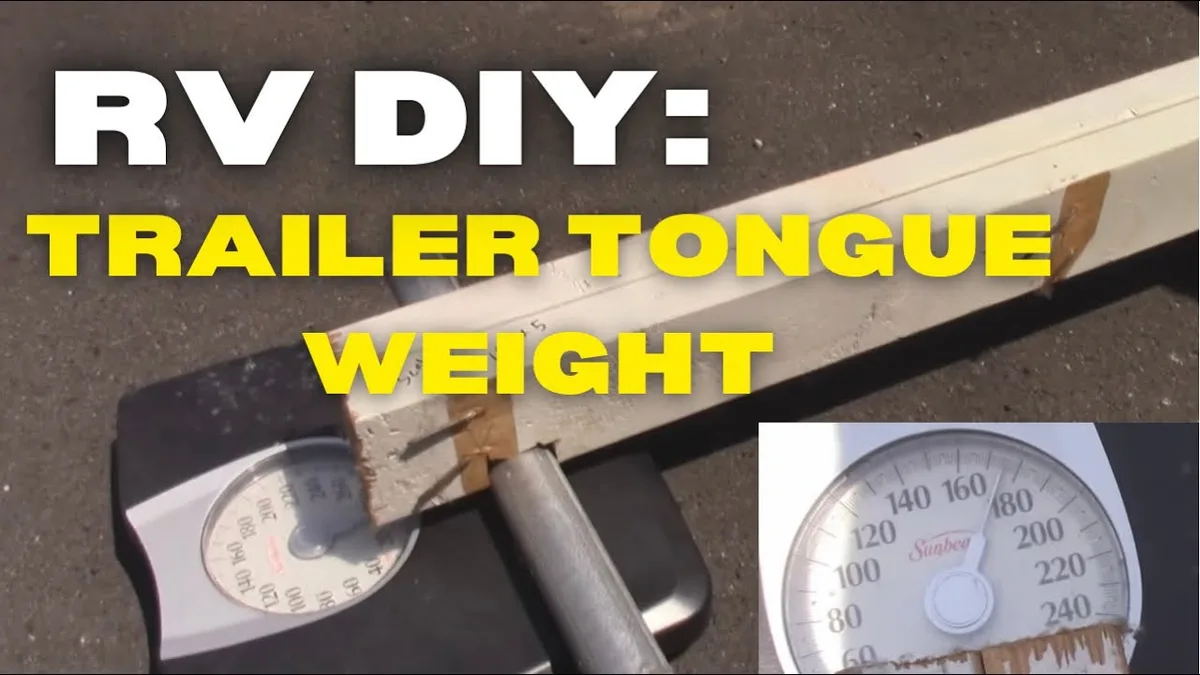
You can usually find the GVWR on a sticker inside the driver’s door jamb or in the owner’s manual. If it’s missing, a visit to a certified inspection station will get you the official number.
Louisiana’s Fee Tiers by Weight and Value
Louisiana’s fee structure isn’t published as a simple public chart, but the OMV follows a tiered system. As of 2026, here’s how it generally breaks down for recreational motor-homes:
| GVWR Range (lbs) | Base Fee (Approx.) | Additional Notes |
|---|---|---|
| Under 6,000 | $20–$40 | Lightweight Class B or small Class C |
| 6,001–10,000 | $40–$60 | Mid-size Class C |
| 10,001–15,000 | $60–$100 | Larger Class C or small Class A |
| 15,001–20,000 | $100–$150 | Most Class A motor-homes |
| 20,001+ | $150+ | Heavy-duty Class A or custom builds |
For value-based fees, the OMV may apply a percentage of the chassis value, typically around 0.1% to 0.5% for the first year, with adjustments for subsequent years. Commercial classifications often have higher base rates, regardless of weight or value.
Step-by-Step: How to Find Your Exact Fee
Start by gathering your motor-home’s key details. You’ll need the VIN, GVWR, and classification type before visiting the OMV.
First, locate the VIN on the driver’s side dashboard or door jamb. Use it to pull the chassis value from the manufacturer or a pricing guide. Next, confirm the GVWR from the vehicle’s sticker or manual.
Finally, decide if your use is recreational or commercial.
If you’re missing any of these, the OMV can help look them up during registration. Bring your title, bill of sale, and proof of insurance to speed up the process.
Where to Get the Numbers You Need (VIN, GVWR, etc.)
The VIN is the easiest to find. It’s on the dashboard, door jamb, or registration documents. Use a free VIN decoder tool to pull the chassis details.
GVWR is usually on a sticker inside the driver’s door or in the owner’s manual. If it’s missing, a certified scale can weigh your motor-home. The OMV accepts scale tickets as proof.
For chassis value, check the manufacturer’s invoice or use the NADA guide. If you bought used, the bill of sale may list the agreed value. The OMV will verify this against their records.
Common Mistakes That Cost You Extra
Using curb weight instead of GVWR is a frequent error. Curb weight is the empty weight of the vehicle, while GVWR includes passengers, cargo, and fluids. The OMV uses GVWR for fees, so the wrong number can lead to underpayment or penalties.
Misclassifying your motor-home as recreational when it’s used for business can also cause issues. Commercial classifications often have higher fees and different requirements. Be honest about how you use the vehicle to avoid fines.
Ignoring the chassis value can be costly for high-end motor-homes. If the OMV’s value is higher than what you report, you’ll owe the difference plus possible late fees. Always double-check the numbers before submitting.
What Happens If You Get It Wrong
If you underpay, the OMV will send a notice for the difference. You’ll have a set period to pay the balance, or you could face late fees. In some cases, they may require you to re-register the vehicle with the correct information.
Overpaying isn’t ideal either. The OMV doesn’t automatically refund excess fees. You’ll need to request a review and provide proof of the correct numbers.
This can take time and may require an in-person visit.
Driving with an incorrect registration can lead to fines if you’re pulled over. Law enforcement can verify your registration status in their system. It’s always better to get it right the first time.
Louisiana OMV’s Official Rules (Where to Check)
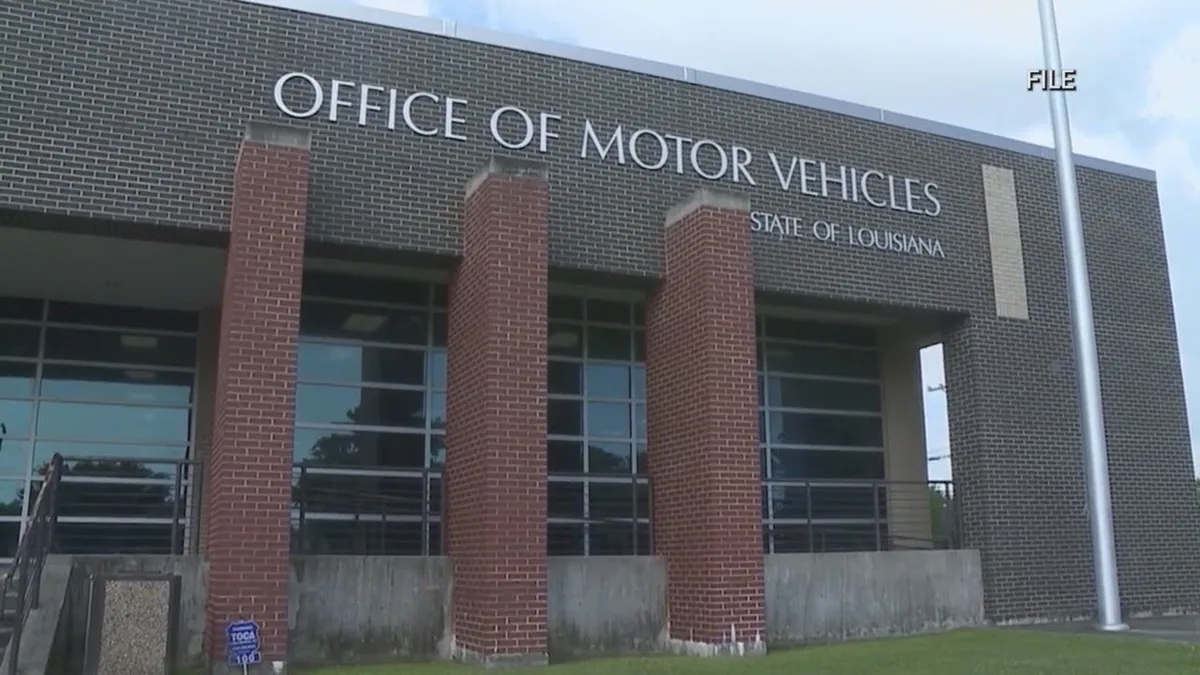
The Louisiana Office of Motor Vehicles publishes the latest fee schedules and requirements. You can find them on the OMV website. Look for the recreational vehicle section under registration.
For the most accurate information, visit your local OMV office. They can walk you through the process and confirm the fees for your specific motor-home. Bring all your documents to avoid delays.
If you’re registering by mail, include a copy of your title, proof of insurance, and a completed application. The OMV will process your request and mail back your registration and plates. Processing times can vary, so apply early.
Real Examples: Fee Breakdowns for Class A, B, and C
Class A motor-homes typically have the highest fees due to their size and weight. A 30-foot Class A with a GVWR of 22,000 lbs might pay around $180 to $220 in registration fees. The chassis value for these models is often high, which can add to the cost if the OMV uses a value-based calculation.
Class B motor-homes are the lightest and usually the cheapest to register. A camper van with a GVWR under 8,000 lbs may only cost $30 to $50. Their smaller chassis and lower value keep fees minimal.
Class C motor-homes fall in the middle. A 24-foot model with a GVWR of 12,000 lbs could expect fees between $70 and $110. The exact amount depends on whether the OMV prioritizes weight or chassis value for that classification.
FAQs About Louisiana Motor-Home Registration
How do I know if my motor-home is Class A, B, or C
Class A motor-homes are the largest, built on a bus or commercial truck chassis. Class B are the smallest, often van-based. Class C are mid-sized, typically with a cab-over bed.
Can I register my motor-home online in Louisiana
As of 2026, Louisiana does not offer online registration for motor-homes. You must visit an OMV office or mail in your application with the required documents.
What documents do I need to register my motor-home
You’ll need the title, proof of insurance, and a completed application. If the OMV can’t verify the GVWR or chassis value, bring a scale ticket or appraisal.
How often do I need to renew my motor-home registration
Louisiana requires annual registration renewal for most motor-homes. You’ll receive a notice in the mail before the expiration date.
What happens if I let my registration expire
Driving with an expired registration can result in fines. The OMV may also charge late fees when you renew. It’s best to renew on time to avoid penalties.