Louisiana horse-drawn vehicles and animal riders must follow roadway rules and use required safety equipment when applicable. These laws exist to prevent accidents between slow-moving transport and motor vehicles. As of 2026, Louisiana enforces specific requirements for lighting, reflectors, and right-of-way that many overlook.
The Louisiana Department of Transportation and Development (DOTD) outlines these rules in state statutes. Non-compliance can lead to fines or serious safety risks.
Quick Answer
Louisiana horse-drawn vehicles and animal riders must follow roadway rules. They need proper lighting and reflectors at night. Slow-moving vehicle emblems are required for buggies.
Riders must yield right-of-way to motor vehicles when applicable.
Why Louisiana’s Horse-Drawn Vehicle and Animal Rider Rules Matter
These regulations prevent accidents between animal-drawn transport and faster motor vehicles. Louisiana’s mix of rural roads and urban traffic creates unique risks, especially in low light. Without proper equipment, a carriage or rider can be nearly invisible to drivers.
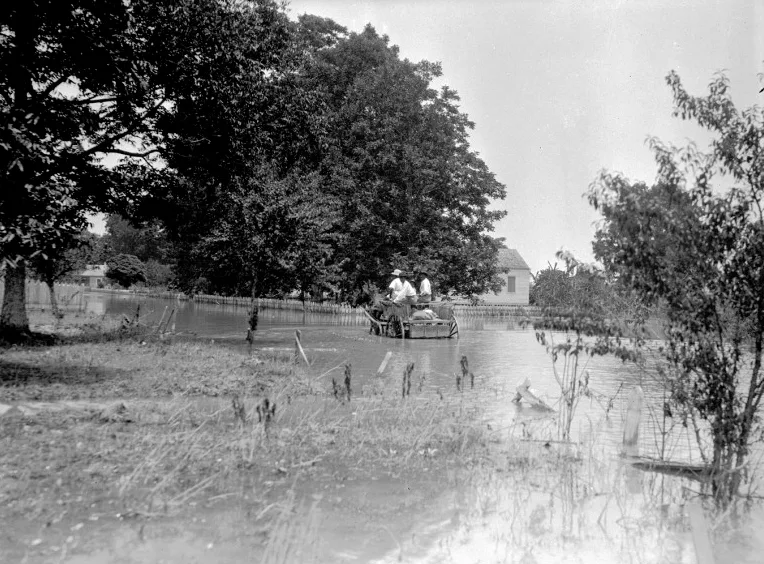
The state’s laws also address right-of-way confusion, a common cause of collisions. When animals spook or riders misjudge traffic, the results can be dangerous.
The Core Roadway Rules You Must Follow
Louisiana treats horse-drawn vehicles like other slow-moving traffic. They must obey standard roadway rules, including signaling turns and stopping at signs. The key difference is the added responsibility for animal control and visibility.
Key requirements:
- Stay as far right as safely possible
- Use hand signals for turns and stops
- Maintain control of the animal at all times
- Yield to faster-moving vehicles when necessary
Failure to follow these basics can result in citations.
Required Safety Equipment for Horse-Drawn Vehicles and Riders
Visibility is the top priority. Louisiana mandates specific equipment to ensure horse-drawn vehicles and riders are seen day or night.
For vehicles (buggies, carriages, wagons):
- A slow-moving vehicle (SMV) emblem on the rear, visible from 500 feet
- At least one white light visible from 1,000 feet to the front
- At least one red light visible from 1,000 feet to the rear
- Reflectors on both sides and the rear
For riders:
- Reflective gear or lighting if riding at night
- Properly fitted tack to prevent equipment failure

The Louisiana DOTD provides full specifications for these requirements.
Louisiana-Specific Laws and Where They Apply
State laws provide the baseline, but local parishes can add their own rules. New Orleans has stricter regulations for tourist carriages in the French Quarter. Rural areas may focus more on agricultural transport.
Statewide rules include:
- RS 32:80: Slow-moving vehicle emblem requirements
- RS 32:329.1: Lighting requirements for animal-drawn vehicles at night
- RS 32:124: Right-of-way rules for animal riders
Parish ordinances often address specific concerns like parade routes or farm equipment. Always check with local authorities if unsure. The Louisiana State Legislature website has the full text of these statutes.
Nighttime and Low-Visibility Requirements
Louisiana law is clear about nighttime visibility. From sunset to sunrise, you need at least one white light on the front and one red light on the rear, both visible from 1,000 feet. Reflectors must be on both sides and the back of the vehicle.
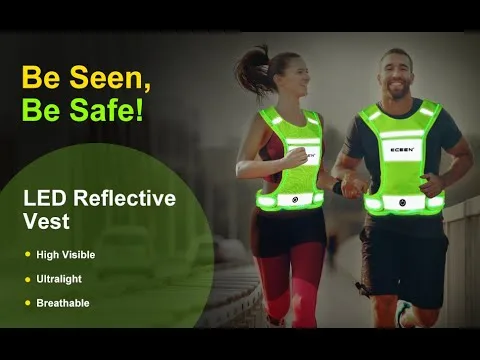
For riders, reflective gear is required in low-light conditions. A horse with no reflective elements is nearly invisible to drivers.
Right-of-Way and Traffic Interaction Rules
Animal-drawn vehicles must yield to motor vehicles in most situations. This includes at intersections, when entering a roadway, and when a faster vehicle approaches from behind.
Hand signals are mandatory for turns and stops:
- Left arm straight out for a left turn
- Left arm upward for a right turn
- Left arm downward for a stop
Common Mistakes That Lead to Fines or Accidents
Many riders assume daylight makes them visible enough. That’s not true in fog, rain, or heavy tree cover. Skipping reflectors or lights in these conditions is a common citation.
Another frequent error is improper harnessing. Loose or poorly fitted tack can spook animals, causing sudden movements into traffic.
How to Check Your Setup Before Hitting the Road
Start with the basics. Verify all lights are functional and properly mounted. Test reflectors to ensure they’re clean and positioned correctly.
Next, inspect the harness and tack. Look for frayed straps, loose buckles, or worn leather.
Finally, do a visibility test. Have someone stand 500 feet away at dusk to confirm your vehicle and reflective gear are visible.
Parish-Specific Rules and Exceptions
New Orleans has stricter rules for tourist carriages. Operators must pass inspections and display permits. The French Quarter also restricts carriage routes to designated areas.
Rural parishes often focus on agricultural transport. Some allow farm equipment to use road shoulders when practical. Others require additional lighting for early morning or late evening travel.
Always check with local law enforcement or parish offices. Rules can vary significantly even between neighboring areas.
What Happens If You Don’t Comply
Fines start at $50 for missing equipment. They can reach $200 for repeat offenses. More serious violations may result in court appearances.
The bigger risk is safety. Without proper lighting, you’re nearly invisible at night. This leads to accidents that can injure animals, riders, and motorists.
Insurance may deny claims if you’re found non-compliant. That leaves you financially responsible for damages.
Expert Tips for Safe and Legal Animal-Drawn Travel
Use LED lights for better visibility. They’re brighter and last longer than traditional bulbs. Many are designed specifically for horse-drawn vehicles.
Train your animal to handle traffic noise. Start with recordings at low volume. Gradually increase exposure during training sessions.
Carry a spare SMV emblem. If yours gets damaged or lost, you’ll need a replacement immediately.
Where to Find the Official Regulations
The Louisiana DOTD website has the full statutes. Look for RS 32:80, RS 32:329.1, and RS 32:124. These cover the core requirements.
Local parish offices can provide additional ordinances. They’ll also clarify any recent changes to the rules.
The Louisiana State Police offer guidance on enforcement. They can explain how officers check for compliance during traffic stops.
Frequently Asked Questions
Do I need lights on my horse if I’m just riding, not pulling a vehicle?
Yes. Louisiana requires reflective gear or lighting for riders at night. This applies whether you’re on a horse, mule, or other animal.
What’s the minimum distance lights must be visible?
Front lights must be visible from 1,000 feet. Rear lights have the same requirement. Reflectors must be visible from 500 feet.
Can I use battery-powered lights instead of wired ones?
Yes. Battery-powered LED lights are acceptable. They must meet the same visibility requirements as wired systems.
Are there any exemptions for Amish or Mennonite communities?
No statewide exemptions exist. All animal-drawn vehicles must follow the same safety rules. Some parishes may have additional local requirements.
How often should I check my safety equipment?
Inspect before every trip. Test lights and reflectors monthly. Replace any damaged or faded components immediately.