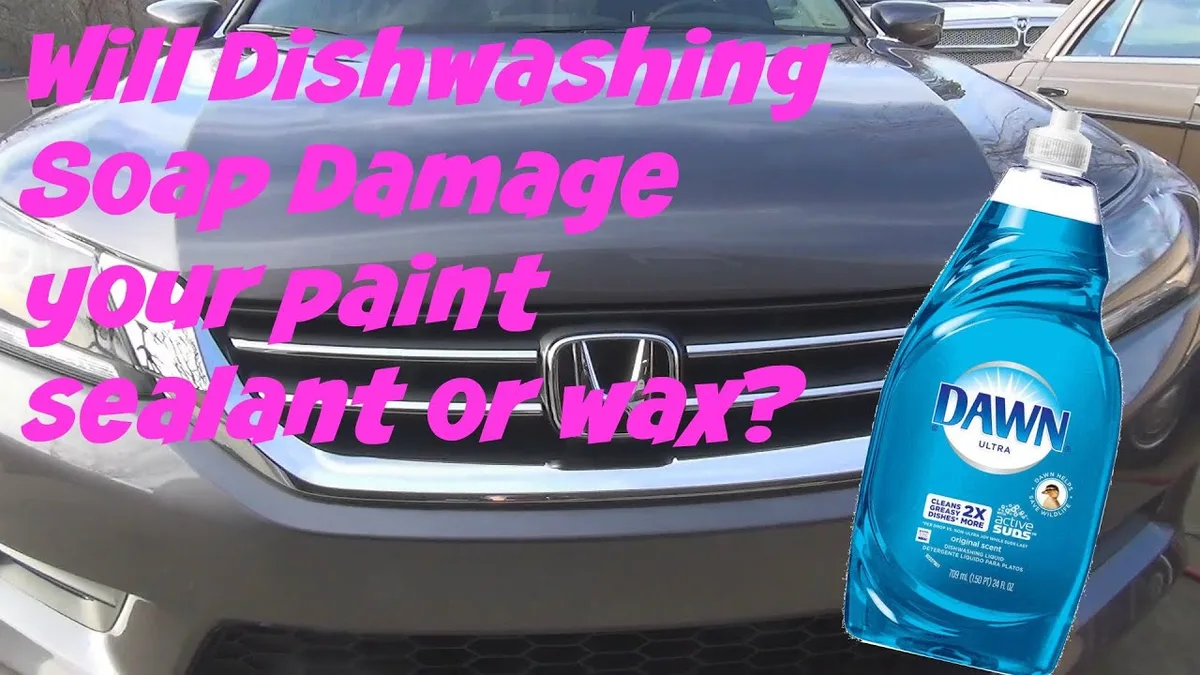
Using dishwashing liquid to wash a car seems like a quick fix, but what will happen if you use dishwashing liquid to wash a car is far from harmless. It strips protective wax, dulls the paint, and can even cause long-term damage to the clear coat. Many people assume soap is soap, but the chemistry tells a different story.
Manufacturer specifications for automotive paints and coatings, as of 2026, confirm that alkaline cleaners like dish soap break down the protective layers designed to shield your car’s finish. This isn’t just about looks, it’s about preserving the value and integrity of your vehicle.
Quick Answer
Using dishwashing liquid on a car strips wax and sealants. It dulls the paint over time. The high pH damages the clear coat.
Your car loses protection against UV rays and contaminants.
Why Dish Soap Is a Terrible Idea for Car Paint
Dish soap is formulated to cut through grease and food residue, which means it’s highly alkaline. Car paint is designed to withstand neutral pH cleaners. The mismatch is the root of the problem.
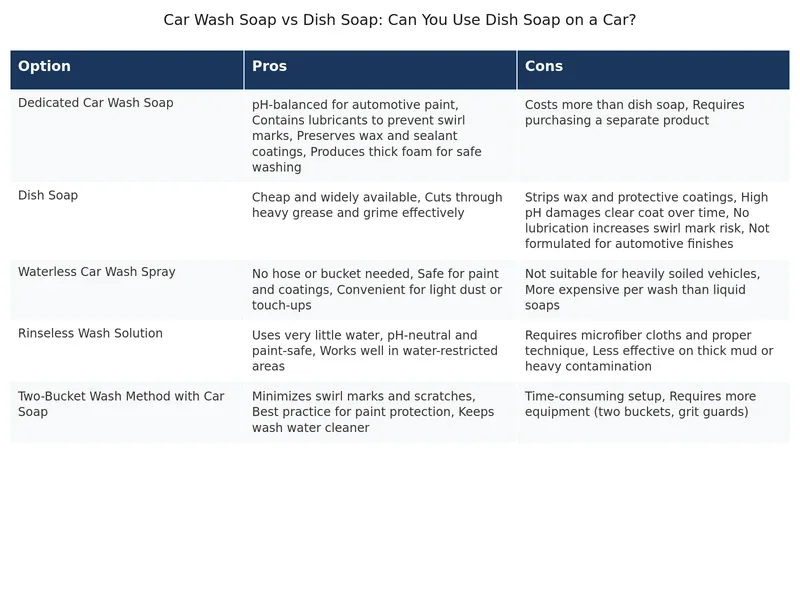
Most dish soaps have a pH between 9 and 12, while car wash soaps are pH-balanced between 6 and 8. This difference breaks down the oils in wax and the polymers in the clear coat. Aggregate reviews from detailing professionals report that even a single wash with dish soap can remove up to 90% of a car’s wax protection.
The Chemistry Behind the Damage
Car paint isn’t just a single layer of color. It’s a multi-layered system with a clear coat as the top protective barrier.
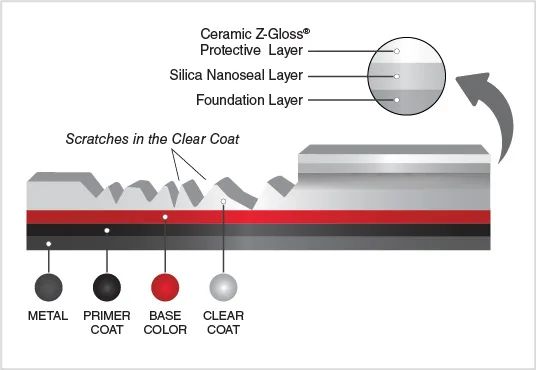
Dish soap contains strong surfactants like sodium lauryl sulfate. These break down grease on dishes but strip wax and weaken the clear coat on cars. Once compromised, the base coat is exposed to oxidation, leading to fading and a chalky appearance.
The damage doesn’t stop at the paint. Dish soap can also dry out rubber seals, plastic trim, and adhesive used in vinyl wraps.
What You’ll Notice Right Away (And What You Won’t)
The first thing you’ll notice after washing with dish soap is how squeaky clean the car feels. That’s not a good sign. The squeakiness comes from the lack of lubrication.
What you won’t notice right away is the microscopic damage. Wax is being stripped, the clear coat is weakening, and the paint is becoming more porous. These changes set the stage for long-term problems.
In the short term, you might also see water spots or streaks. These are mineral deposits left behind by the soap.
Long-Term Effects: The Slow, Expensive Damage
Repeated use of dish soap accelerates oxidation. This causes the paint to lose its gloss and take on a dull, faded look.
Here’s what happens over time:
- 1, 3 washes: Wax is stripped, and the paint loses its hydrophobic properties.
- 4, 6 washes: The clear coat begins to break down, and you’ll notice a loss of shine.
- 6+ washes: Oxidation becomes visible, and the paint may develop a chalky appearance.
The cost of fixing this damage can be high. A professional paint correction can cost $300 to $1,500. A full repaint can run into the thousands.
When It Might Be Okay (And How to Do It Safely)
Dish soap can be used for emergency cleanup of non-painted surfaces. Greasy engine bays, wheel wells, or undercarriages can handle a diluted solution. The key is avoiding the painted body panels entirely.
If you must use it on paint, dilute it heavily. One tablespoon per gallon of water is the maximum safe ratio. Rinse immediately and reapply wax or sealant afterward.
The Right Way to Wash a Car (Without Ruining It)
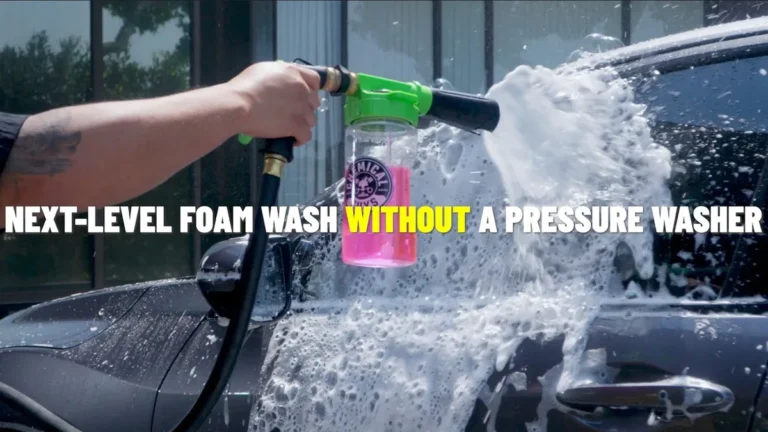
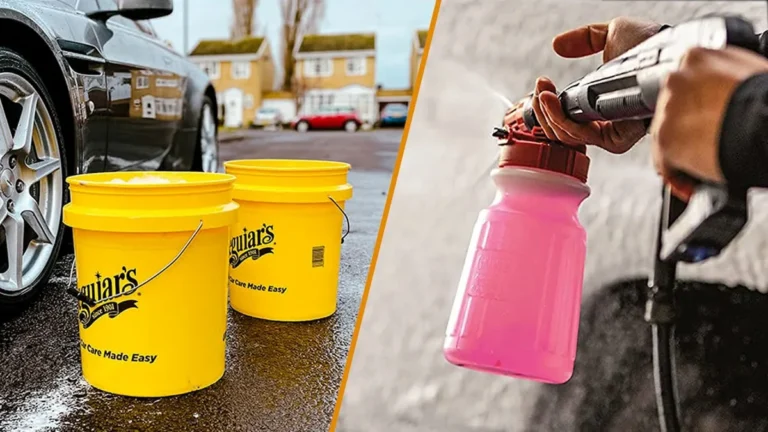
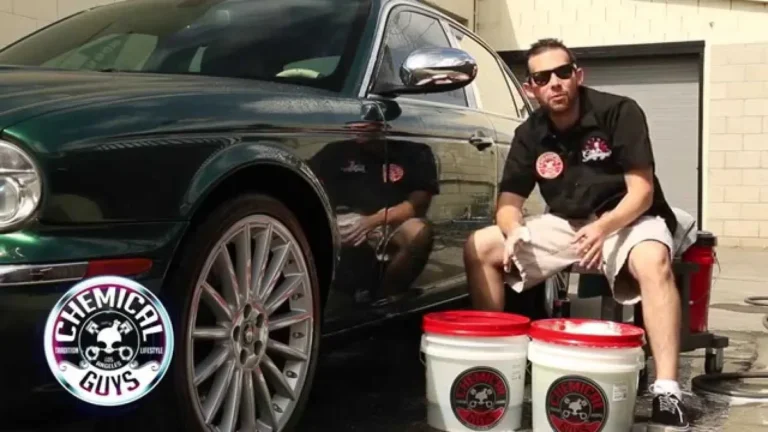
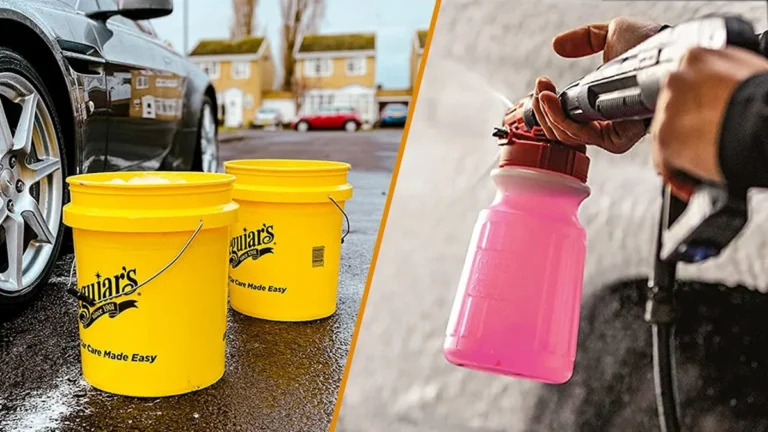
Start with a pH-balanced car wash soap. Use the two-bucket method: one for soapy water, one for rinsing your mitt.
Here’s the step-by-step process:
- Pre-rinse: Use a pressure washer or hose to remove loose dirt.
- Wash: Work from top to bottom with a microfiber mitt.
- Rinse mitt: After each pass, rinse the mitt in the clean water bucket.
- Dry: Use a clean microfiber towel to prevent water spots.
Emergency Alternatives If You’re Out of Car Soap
Baby shampoo is a mild, pH-balanced substitute. Other alternatives include unscented hand soap or waterless car wash spray.
Avoid household cleaners like laundry detergent or all-purpose sprays. These are even harsher than dish soap.
How to Fix the Damage If You’ve Already Used Dish Soap
If you’ve already washed your car with dish soap, assess the damage. Run your fingers over the paint. If it feels rough, the clear coat may be compromised.
Here’s how to restore protection:
- Wash again with car soap: Remove any remaining residue.
- Clay bar treatment: Removes embedded contaminants.
- Apply wax or sealant: Restores the protective layer.
For severe damage like oxidation or fading, a professional detailer can perform paint correction.
The Cost of Cutting Corners
Using dish soap might save a few dollars upfront, but the long-term costs add up.
Here’s a quick cost comparison:
| Item | Cost (Single Use) | Long-Term Impact |
|---|---|---|
| Dish soap | $0.10–$0.50 | $300–$1,500 for paint correction |
| Car wash soap | $0.50–$2.00 | Preserves paint and wax |
| Professional detail | $150–$500 | Restores damaged paint |
Expert Tips to Keep Your Paint Safe
Always use a grit guard in your wash bucket. This traps dirt at the bottom, preventing scratches.
Wash your car in the shade. Direct sunlight causes soap to dry too quickly, leaving water spots.
Use separate mitts for the wheels and the body. Brake dust and road grime can scratch paint if transferred.
Safety / Legal / Compliance / Warnings
Never use dish soap on matte or satin finishes. These paints lack a clear coat, so harsh cleaners will permanently damage the surface.
Avoid dish soap on vinyl wraps or ceramic coatings. The chemicals can degrade the adhesive or break down the protective layer.
Check the manufacturer’s guidelines if you’re unsure about a product’s safety.
Maintenance / Long-Term Optimization
Regular waxing is the best defense against damage. Apply a fresh coat every 3, 6 months.
Use a spray sealant between wax applications for extra protection. Store your car in a garage or under a cover when possible.
Real Scenarios / Case Examples
A detailer reported a customer’s car with severe oxidation after six months of washing with dish soap. The paint had a chalky appearance, and the clear coat was peeling. Restoring it required a full paint correction, costing over $1,200.
Another case involved a car owner who used dish soap to remove bug splatter. The soap stripped the wax in that area, leading to water spots and a dull patch. A clay bar treatment and wax reapplication fixed the issue.
Frequently Asked Questions
Can I use dish soap if I rinse it off quickly?
No. Even a quick rinse won’t prevent the soap from stripping wax and damaging the clear coat.
How do I know if dish soap has damaged my paint?
Check for water beading. If water no longer beads, the wax is gone. Look for dull spots or a rough texture.
Is Dawn dish soap worse than other brands?
Most dish soaps have a similar pH and surfactant profile. Dawn is no better or worse than other brands for car paint.
Can I mix dish soap with car soap to save money?
No. Mixing them doesn’t balance the pH or reduce the harm.
How often should I wash my car to prevent damage?
Wash your car every 2 weeks to remove contaminants before they cause damage. Use a pH-balanced car soap each time.