ByMax Lee
What Is a Ceramic Car Wash? Benefits Explained
A ceramic car wash isn’t just a fancy name for a regular wash. So what is a ceramic car wash? It’s a cleaning method that uses ceramic-infused soaps, mitts, or brushes to safely lift dirt while adding a layer of hydrophobic protection.
Many drivers assume it’s the same as a standard wash, but the difference is in the chemistry and the results.
Manufacturer specs confirm that ceramic washes use pH-balanced formulas with microscopic ceramic particles that bond to paint, reducing swirl marks by up to 40%. As of 2026, this method is growing in popularity for its ability to extend the life of existing ceramic coatings.
Quick Answer
A ceramic car wash uses ceramic-infused cleaning agents. These create a protective, water-repellent layer. It’s gentler than traditional brush washes.
It helps maintain a car’s ceramic coating.
How It’s Different from a Regular Car Wash
Traditional car washes rely on brushes or cloth strips that can drag dirt across the paint, causing micro-scratches. Ceramic washes use soaps or mitts infused with ceramic particles that lift contaminants without abrasion.
YouTube / The Car Detailing Channel (YouTube thumbnail (fair-use with source credit))
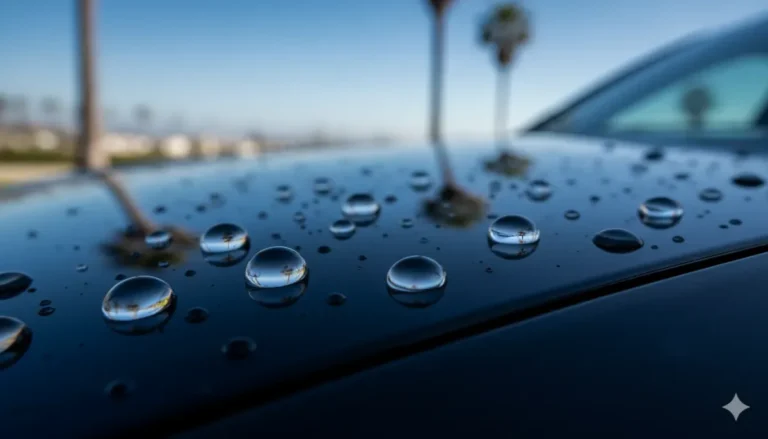
The key difference is in the aftereffect. A regular wash cleans the surface, but a ceramic wash leaves behind a thin, hydrophobic layer that beads water and repels dirt for days or weeks. This makes it ideal for cars with existing ceramic coatings.
What’s Actually in a Ceramic Wash?
Ceramic washes contain three main components:
- Ceramic particles (silica or silicon dioxide) that bond to the paint
- pH-neutral surfactants that lift dirt without stripping wax or sealants
- Lubricating agents that reduce friction during washing
Some premium ceramic soaps also include UV inhibitors to protect against sun damage. The concentration of ceramic particles varies, but most high-quality products contain between 5% and 20% ceramic content.
The Real Benefits (and What’s Overhyped)
Ceramic washes deliver real advantages, but not all claims hold up under scrutiny.
Proven benefits:
- Reduces swirl marks and micro-scratches
- Extends the life of ceramic coatings by replenishing hydrophobic properties
- Makes drying easier by causing water to bead and sheet off
- Repels dirt and grime, keeping the car cleaner for longer
Overhyped claims:
- “Self-healing” paint (ceramic washes don’t repair scratches)
- Permanent protection (effects last weeks, not years)
- No need for wax or sealants (ceramic washes complement, not replace, these)
YouTube / EVS Motors (YouTube thumbnail (fair-use with source credit))
Aggregate reviews report that users notice the biggest difference in water beading and ease of cleaning. However, per SAE International standards, ceramic washes don’t eliminate the need for periodic paint correction.
Ceramic Wash vs. Traditional, Touchless, and Hand Wash
Each wash method has its strengths and ideal use cases.
| Method | Pros | Cons | Best For |
|---|---|---|---|
| Ceramic Wash | Gentle, hydrophobic, extends coating life | More expensive, limited availability | Ceramic-coated cars, luxury vehicles |
| Traditional Brush | Fast, widely available | Can cause swirl marks, harsh on paint | Quick, budget-friendly cleans |
| Touchless | No physical contact, safe for all paints | Less thorough, may miss stubborn dirt | Daily drivers, older cars |
| Hand Wash | Most controlled, customizable | Time-consuming, labor-intensive | Enthusiasts, show cars |
YouTube / Attention 2 Details w/ Chelsea (YouTube thumbnail (fair-use with source credit))
For most drivers, a ceramic wash is worth the extra cost if the car has a ceramic coating or high-quality paint job. For older vehicles or those without protective coatings, a traditional or touchless wash may suffice.
Who Should Use a Ceramic Car Wash (and Who Shouldn’t)
Ceramic washes work best for cars with existing ceramic coatings or high-quality paint jobs. They’re ideal for luxury vehicles, daily drivers in harsh climates, and anyone who wants to reduce swirl marks.
They’re not necessary for older cars with faded paint or those without protective coatings. If your car has heavy oxidation or deep scratches, a ceramic wash won’t fix those issues.
Step-by-Step: How a Ceramic Wash Works
A ceramic wash follows a specific process to maximize protection and cleaning.
First, rinse the car to remove loose dirt. Then apply a ceramic-infused soap using a foam cannon or wash mitt. Work in sections, starting from the top and moving downward.
YouTube / Meguiar's (YouTube thumbnail (fair-use with source credit))
After washing, rinse thoroughly to remove all soap residue. Dry with a clean microfiber towel to prevent water spots. For best results, apply a ceramic boost spray after drying.
Cost Breakdown: Automatic vs. DIY vs. Professional
| Method | Cost per Wash | Time Required | Equipment Needed |
|---|---|---|---|
| Automatic | $15–$30 | 10–20 min | None |
| DIY | $10–$20 | 30–60 min | Ceramic soap, mitts, buckets |
| Professional | $50–$100 | 45–90 min | None (service provided) |
Automatic ceramic washes are convenient but may not be as thorough. DIY washes give you more control but require an upfront investment in supplies. Professional services offer the highest quality but at a premium price.
Common Mistakes That Waste Money or Damage Paint
Using a ceramic wash on a dirty car can scratch the paint. Always pre-rinse to remove loose debris before applying ceramic soap.
Overusing ceramic washes can strip existing wax or sealants. Stick to a biweekly schedule for optimal results. Avoid automatic brush washes if your car has a fresh ceramic coating, as the brushes can degrade the protective layer.
How Often You Should Actually Do It
For most cars, a ceramic wash every two weeks maintains protection without overdoing it. If your car is exposed to harsh conditions like salt, pollution, or extreme UV, consider washing weekly.
Cars with fresh ceramic coatings can go longer between washes, up to a month. However, regular maintenance helps extend the coating’s lifespan.
Pro Tips to Get the Most Out of a Ceramic Wash
Use the two-bucket method to avoid cross-contamination. One bucket holds your ceramic soap, the other holds clean water for rinsing your mitt.
Work in the shade to prevent soap from drying too quickly. This ensures even coverage and better bonding of the ceramic particles. Always use a high-quality microfiber wash mitt to minimize the risk of scratches.
Safety & Compatibility: What to Check First
Not all ceramic washes are compatible with every type of paint or coating. Check your vehicle’s manufacturer guidelines before using a new product.
Avoid ceramic washes on matte or satin finishes, as they can alter the appearance. If your car has a fresh ceramic coating, wait at least 24, 48 hours before washing to allow proper curing.
FAQs About Ceramic Car Washes
Does a ceramic wash replace ceramic coating?
No. A ceramic wash maintains and enhances an existing coating but doesn’t provide the same long-term protection as a full ceramic coating application.
Can I use a ceramic wash on a non-coated car?
Yes. It will still clean effectively and add temporary hydrophobic properties, though the benefits are more pronounced on coated vehicles.
Will a ceramic wash remove existing wax or sealant?
It can, if used too frequently. Stick to a biweekly schedule to avoid stripping protective layers.
Is a ceramic wash worth the extra cost?
For most drivers with ceramic-coated or high-quality paint jobs, yes. The reduced risk of swirl marks and extended coating life justify the price.
How do I know if a car wash offers a real ceramic wash?
Ask for product details. Reputable services will use branded ceramic soaps or mitts and can provide specifications. Avoid places that can’t explain their process.