ByMax Lee
What Is Ceramic Shine at a Car Wash?
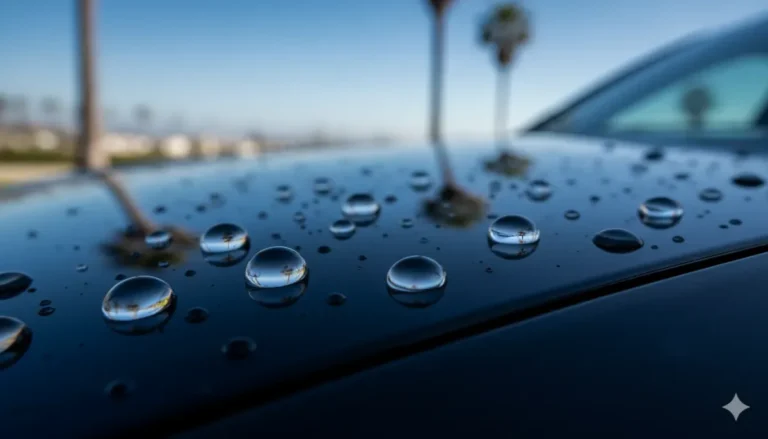
Ceramic shine at a car wash is a quick, spray-on protective finish that adds gloss and repels water better than traditional wax. If you've ever wondered what is ceramic shine at a car wash, it's essentially a simplified version of ceramic coating without the multi-step application or high cost.
Manufacturer specs confirm these sprays create a hydrophobic layer that lasts 4 to 8 weeks, far outlasting carnauba wax. That makes it a smart middle ground between a basic wash and a full professional coating.
Quick Answer
Ceramic shine at a car wash is a spray-on protective finish. It adds gloss and water repellency to your car’s paint. It lasts longer than wax but shorter than a full ceramic coating.
Expect 4 to 8 weeks of protection per application.
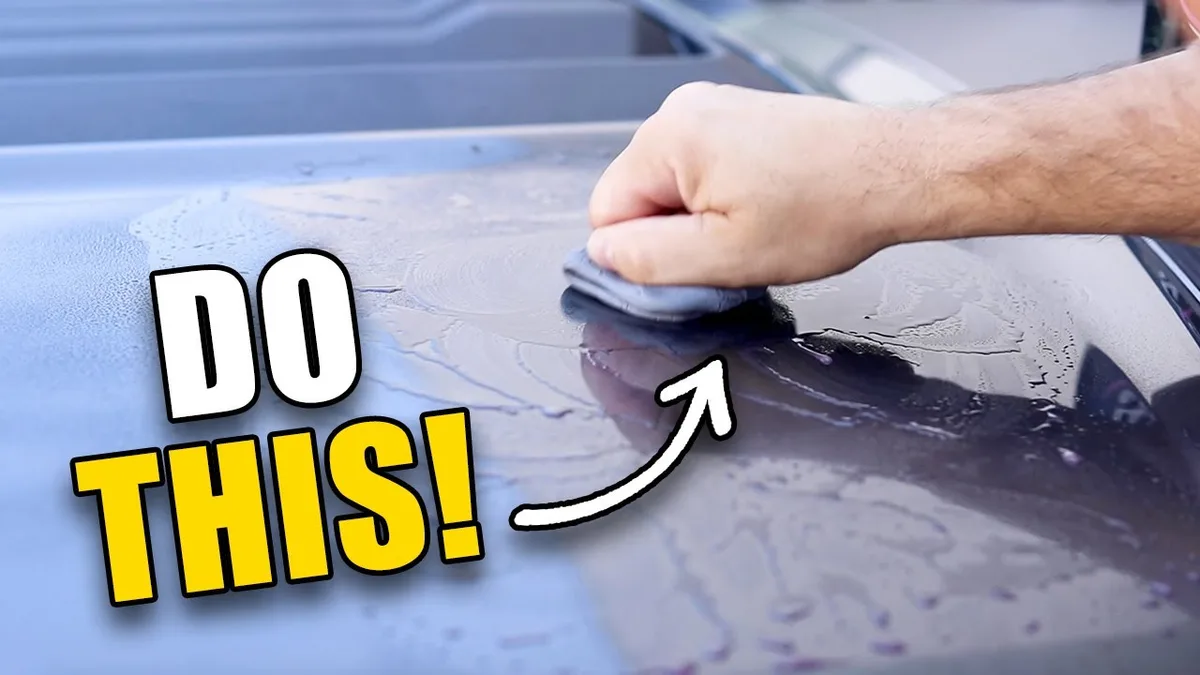
YouTube / Nexgen (YouTube thumbnail (fair-use with source credit))
How Ceramic Shine Works vs. Regular Wax or Sealant
Ceramic shine uses silicon dioxide or similar polymers to bond with your car’s clear coat. This creates a hydrophobic surface that beads water and resists contaminants. Traditional wax, like carnauba, sits on top of the paint and wears off faster.
Sealants use synthetic polymers for longer life than wax but still don’t match ceramic’s durability. Ceramic shine bridges the gap, easier to apply than a full coating but tougher than wax. As of 2026, most express car washes offer this as a $10, $30 upsell.
The key difference is in the bond. Wax and sealants fill microscopic imperfections, while ceramic shine forms a semi-permanent layer. That’s why it handles UV rays and road grime better.
The Real Benefits of Ceramic Shine (and What It Won’t Do)
Ceramic shine excels at water beading, which means less spotting after rain. It also resists UV fading, keeping your paint looking fresher longer. The gloss is noticeably deeper than wax, giving that showroom shine without the effort.
But it’s not a miracle cure. It won’t fix scratches, swirl marks, or existing paint damage. It also won’t last as long as a professional ceramic coating, which can protect for years.
Think of it as a temporary shield, not a permanent fix.
For daily drivers, the biggest perks are easier cleaning and a longer-lasting shine. If you’re prepping for a car show, you’ll still want a full detail.
Ceramic Shine vs. Ceramic Coating vs. Wax: Key Differences
| Feature | Ceramic Shine (Spray) | Ceramic Coating | Traditional Wax |
|---|---|---|---|
| Durability | 4–8 weeks | 2–5 years | 2–4 weeks |
| Application | Spray-on, quick | Multi-step, pro | Hand-applied |
| Cost | $10–$30 per use | $500–$2,000+ | $10–$20 |
| Water Beading | Excellent | Best | Good |
| UV Protection | Strong | Strongest | Moderate |
| Scratch Resistance | Minimal | High | None |
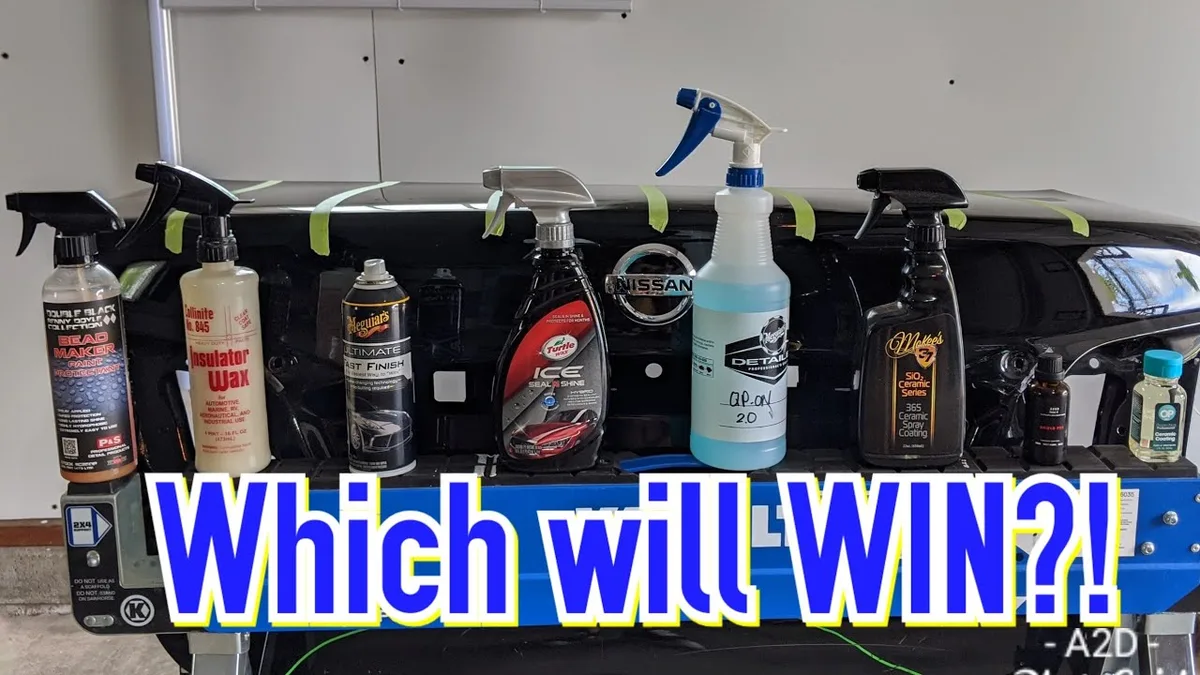
YouTube / Attention 2 Details w/ Chelsea (YouTube thumbnail (fair-use with source credit))
Ceramic shine is the easiest way to get near-coating benefits without the commitment. Wax is cheaper but needs frequent reapplication. Full coatings offer the best protection but require professional installation.
If you want low effort and decent longevity, ceramic shine is the sweet spot. For maximum protection, a professional coating is worth the investment. Wax is best for enthusiasts who enjoy the process of maintaining their car.
Who Should Get Ceramic Shine at a Car Wash (and Who Should Skip It)
Ceramic shine is perfect for busy car owners who want better protection than wax but don’t have time for a full detail. It’s also great for people who use express car washes regularly and want to extend the life of their paint.
Skip it if you have a show car or expect perfection. Ceramic shine won’t hide imperfections, and it’s not as durable as a professional coating. If you’re willing to invest in long-term protection, a full ceramic coating is the better choice.
For most daily drivers, ceramic shine is a smart upgrade. It’s affordable, quick, and offers real benefits over traditional wax.
How Long Ceramic Shine Lasts (and How to Make It Last Longer)
Ceramic shine typically lasts 4 to 8 weeks with normal driving conditions. Harsh weather, frequent car washes with abrasive brushes, or parking under direct sunlight can cut that time in half. To extend its life, wash your car with a pH-neutral shampoo and avoid automatic car washes with stiff bristles.
Reapplying every 6 weeks keeps the protection consistent. If you notice water no longer beading on the surface, it’s time for a fresh coat.
What to Expect at a Car Wash: The Ceramic Shine Process
Most car washes offer ceramic shine as an add-on after the standard wash cycle. The process starts with a thorough clean to remove dirt and grime. Then, the ceramic spray is applied, either manually or through an automated system.
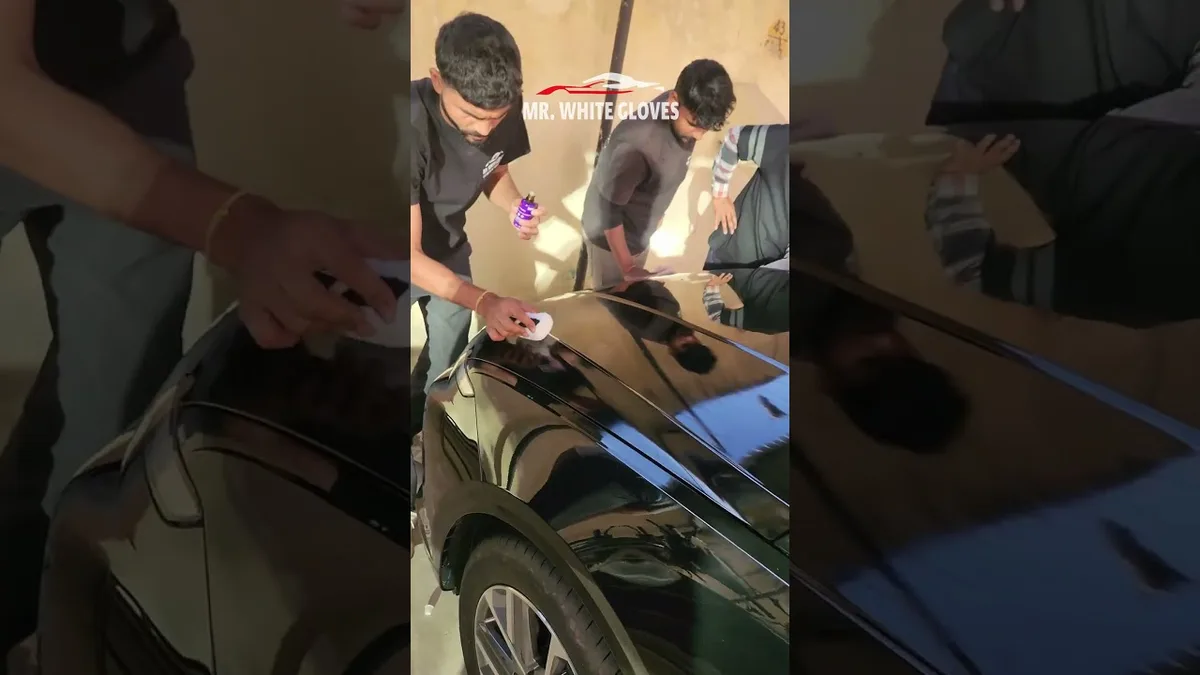
YouTube / Mr. White Gloves (YouTube thumbnail (fair-use with source credit))
Some places buff it in by hand for better coverage. The whole process adds just a few minutes to your visit. You can drive away immediately, as there’s no curing time required at the car wash.
Cost of Ceramic Shine: Car Wash Upsell vs. DIY
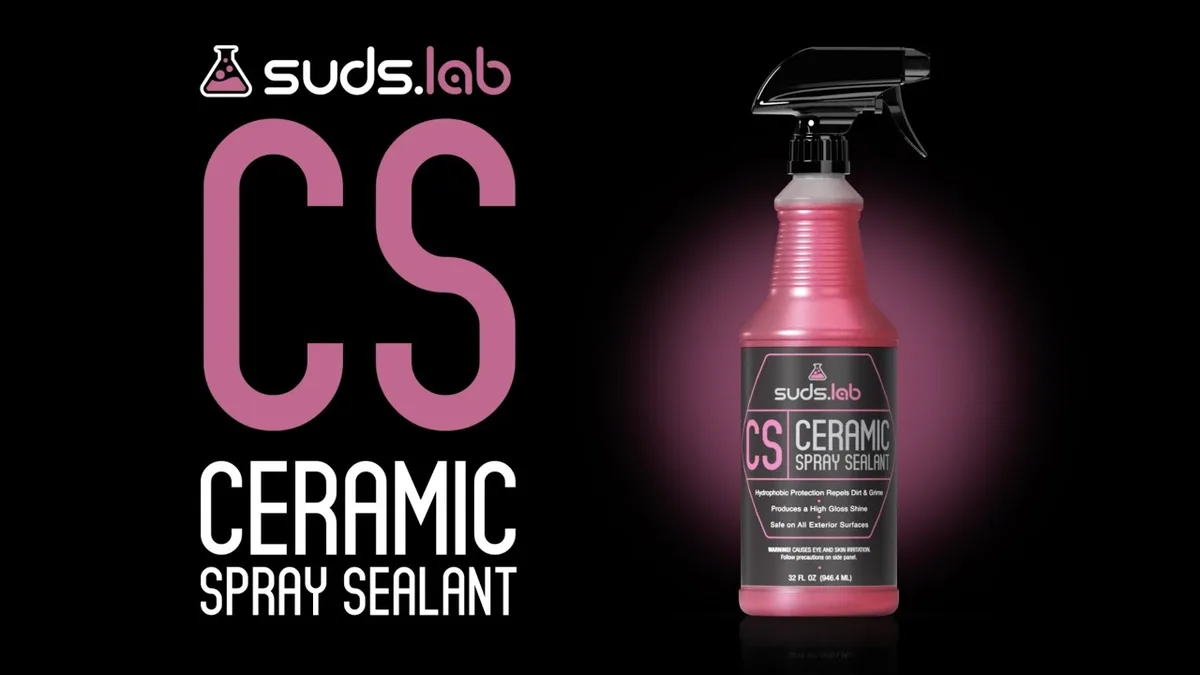
At a car wash, ceramic shine usually costs $10 to $30 per application. DIY ceramic spray bottles run $20 to $50 and cover multiple uses, making them more cost-effective over time.
YouTube / SudsLab (YouTube thumbnail (fair-use with source credit))
Professional-grade ceramic coatings are far pricier, often $500 to $2,000. For most drivers, the car wash upsell or DIY spray offers the best balance of cost and convenience.
Common Mistakes People Make with Ceramic Shine
Applying it to a dirty car is the most common mistake. Dirt and grime prevent the ceramic polymers from bonding properly. Always wash and dry your car first for the best results.
Another error is using it on plastic trim or matte finishes. Ceramic shine can leave white residue on non-painted surfaces. Stick to painted metal and glass only.
Overapplying won’t make it last longer. A thin, even layer is all you need. Too much product can cause streaking and waste your supply.
Maintenance and Long-Term Optimization
Wash your car every two weeks to prevent dirt buildup that can degrade the ceramic layer. Use a microfiber towel to dry it, as this reduces water spots and helps maintain the hydrophobic effect.
Avoid parking under trees or in areas with heavy industrial fallout. Sap, bird droppings, and pollutants can break down the ceramic shine faster. If contaminants land on your car, remove them promptly with a quick detailer spray.
Safety and Surface Prep: What You Need to Know
Always apply ceramic shine in a shaded area. Direct sunlight causes the product to dry too quickly, leading to streaks. Work in temperatures between 50°F and 80°F for the best results.
Surface prep is critical. Wash your car thoroughly and use a clay bar to remove embedded contaminants. Skipping this step means the ceramic won’t bond properly.
Avoid applying ceramic shine to plastic trim or rubber seals. These surfaces can develop white residue.
FAQs About Ceramic Shine at Car Washes
Does ceramic shine prevent scratches?
No, ceramic shine does not prevent scratches. It adds a protective layer that resists minor contaminants but won’t stop physical damage from keys, rocks, or abrasive materials.
Can I apply ceramic shine over existing wax?
Yes, but it’s not ideal. Wax can interfere with the ceramic’s bonding. For best results, remove all wax with a pre-wash cleaner before applying ceramic shine.
How often should I reapply ceramic shine?
Reapply every 4 to 8 weeks, depending on driving conditions. If water stops beading on the surface, it’s time for a fresh coat.
Is ceramic shine safe for all paint types?
Ceramic shine works on most factory paint and clear coats. Avoid using it on matte or satin finishes, as it can create an uneven, glossy appearance.
Will ceramic shine make my car easier to clean?
Yes, the hydrophobic properties help dirt and water slide off more easily. This makes washing your car quicker and reduces the need for harsh cleaners.
Final Verdict: Is Ceramic Shine Worth It for You?
Ceramic shine is worth it if you want better protection than wax without the cost of a full ceramic coating. It’s ideal for daily drivers who want a low-maintenance way to keep their car looking sharp.
Skip it if you expect long-term protection or have a show car. For most people, the convenience and added shine make it a smart upgrade over standard wax.