ByMax Lee
Carwash Boots: The Ultimate Guide to Cleaner Cars
Standing on wet, soapy floors for eight-hour shifts in cheap sneakers is a recipe for slips, sore feet, and early burnout. Carwash boots solve this by combining slip resistance, waterproofing, and durability in a way regular work boots can’t match.
Per OSHA’s foot protection standard (29 CFR 1910.136), employers must provide appropriate footwear when workers face hazards like slippery surfaces or chemical exposure. That makes choosing the right pair a safety issue, not just a comfort upgrade.
Quick Answer
Carwash boots are waterproof, slip-resistant work boots designed for wet, chemical-heavy environments. They use rubber, neoprene, or PVC to block water and detergents. Slip-resistant treads meet ASTM F2913 standards for traction.
Steel or composite toes add protection from dropped tools. Most last 1, 3 years with proper care.
Why Carwash Boots Matter (And What Happens If You Get It Wrong)
Wet floors cause 25% of workplace injuries in carwashes, per NIOSH data. Regular shoes lack the tread depth and chemical resistance to handle detergents, waxes, and pressure-washer spray. Without proper boots, workers risk slips, burns from cleaning agents, and long-term foot problems from standing on concrete.
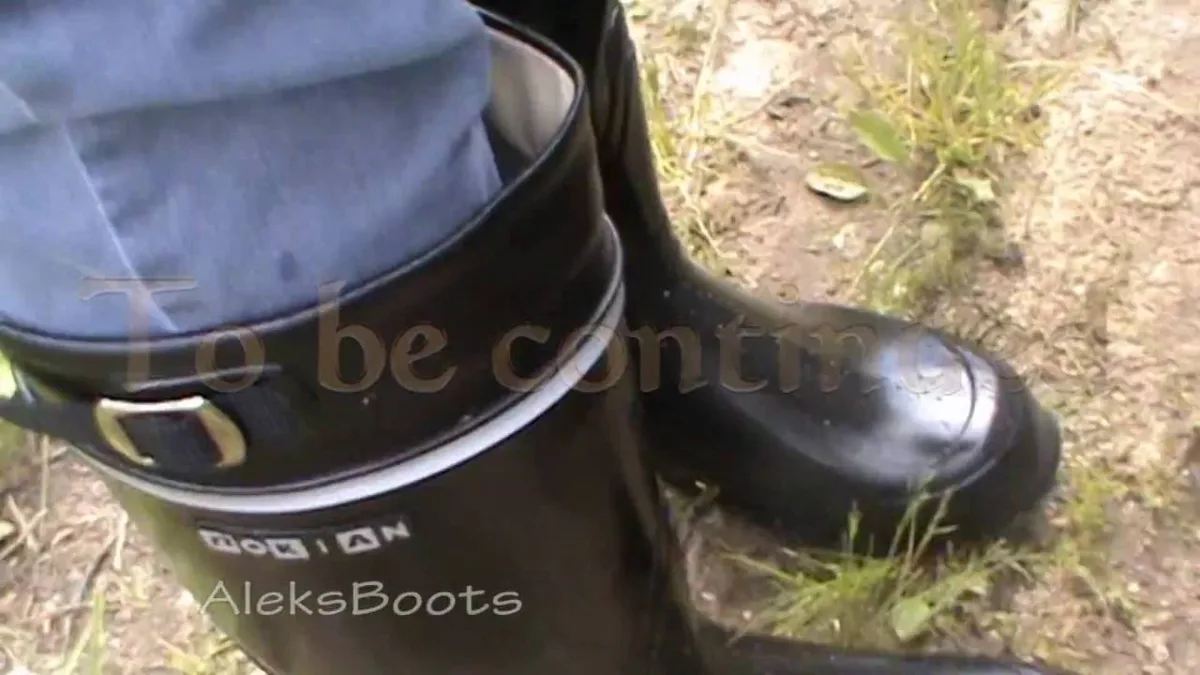
YouTube / Aleks Rubber (YouTube thumbnail (fair-use with source credit))
Cheap boots fail faster too. Thin soles wear through in months, and poor stitching lets water seep in. The right pair prevents injuries, reduces fatigue, and lasts through daily abuse.
Slip Resistance vs. Chemical Resistance vs. Comfort: What to Prioritize
Slip resistance is non-negotiable. Look for boots with deep, self-cleaning lugs and a soft rubber compound that grips wet concrete. ASTM F2913-rated soles are the gold standard for traction.
Chemical resistance matters if you handle degreasers or acid-based cleaners. Rubber and PVC boots resist most carwash chemicals, while leather can degrade. Neoprene offers a balance of flexibility and protection.
Comfort is the tiebreaker. Cushioned insoles, arch support, and a snug heel reduce fatigue during long shifts. As of 2026, brands like Muck Boot and Dunlop lead in ergonomic designs for standing workers.
YouTube / DT Footwear (YouTube thumbnail (fair-use with source credit))
Prioritize by role:
- Automatic carwash attendants: Slip resistance first, then waterproofing
- Detailers: Chemical resistance + comfort
- Pressure wash operators: Waterproofing + durability
Core Features That Separate Good Boots from Bad Ones
Not all work boots hold up in a carwash. The best share these traits:
- Material: Rubber or PVC for full waterproofing. Neoprene for flexibility in cold weather.
- Tread: Lugged, non-marking, and oil-resistant. Avoid flat soles.
- Toe protection: Steel for heavy-duty, composite for electrical hazard areas.
- Height: Knee-high for deep water, ankle-high for mobility.
- Closure: Pull-on for speed, lace-up for a secure fit.
- Insulation: Thinsulate for winter, uninsulated for summer.
Manufacturer specs confirm that boots with sealed seams and reinforced stitching last 2, 3 times longer in wet conditions.
Steel-Toe vs. Composite-Toe vs. Soft-Toe: Which Do You Actually Need
Steel-toe boots offer the most protection against impacts and compression. They’re ideal for carwash workers handling heavy equipment or tools. The downside is weight and potential cold transfer in winter.
Composite-toe boots use non-metal materials like carbon fiber or plastic. They’re lighter and don’t conduct cold, making them better for temperature extremes. They also meet electrical hazard standards, which steel toes don’t.
Soft-toe boots skip the reinforcement entirely. They’re the lightest and most flexible but provide no protection from dropped objects. These work best for workers in low-risk roles like cashiers or supervisors.
Height Matters: Ankle, Mid-Calf, or Knee-High
Ankle-high boots offer the most mobility. They’re great for detailers or workers who move around a lot. The trade-off is less protection from splashes and deep water.
Mid-calf boots strike a balance. They cover more of the leg while still allowing easy movement. Most carwash attendants find this height sufficient for daily tasks.
Knee-high boots provide maximum coverage. They’re essential for pressure wash operators or anyone working in deep water or heavy spray. The extra height adds weight but keeps feet dry in the toughest conditions.
Side-by-Side: Top Carwash Boot Brands Compared
Muck Boot leads in comfort and waterproofing. Their neoprene boots flex with your foot and stay warm in cold weather. The downside is a higher price point.
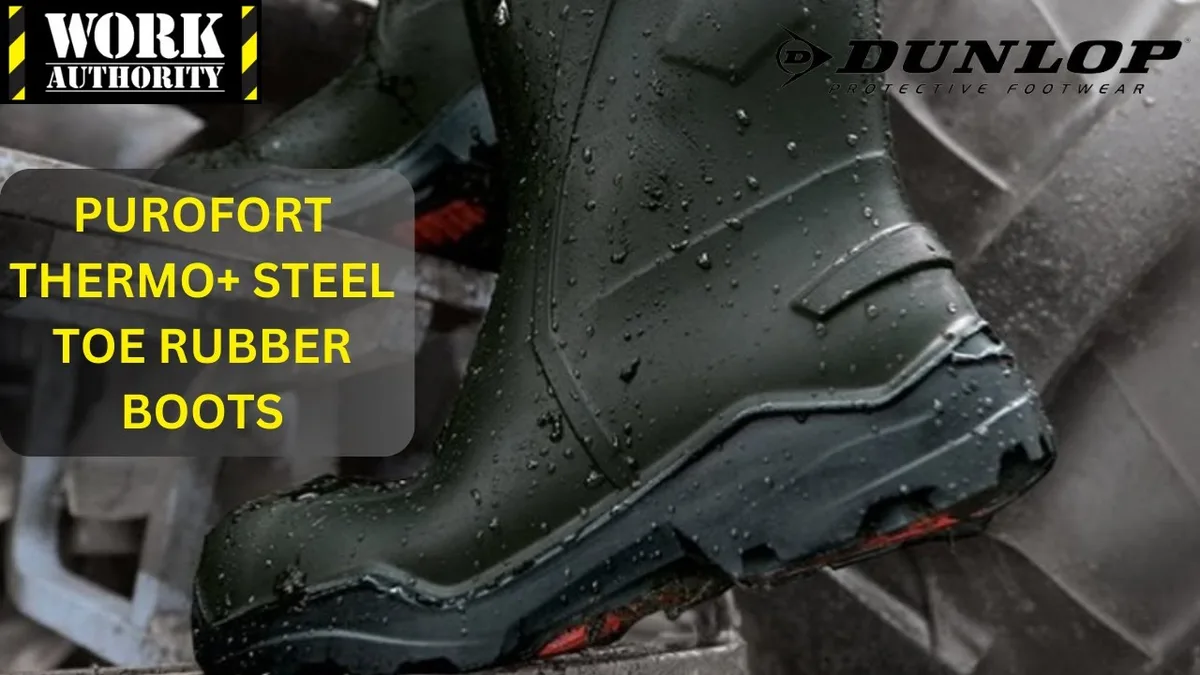
Dunlop specializes in heavy-duty rubber boots. They’re built for harsh chemicals and extreme durability. The trade-off is less breathability, which can cause sweating in hot conditions.
Servus offers budget-friendly options. Their PVC boots are lightweight and fully waterproof. They lack some of the premium features but get the job done for occasional use.
YouTube / Work Authority (YouTube thumbnail (fair-use with source credit))
Tingley focuses on chemical resistance. Their boots are a top choice for detailers working with strong cleaners. The soles are slip-resistant but may wear faster on rough surfaces.
Best Boots for Specific Carwash Jobs
Automatic carwash attendants need slip resistance above all. Look for boots with ASTM F2913-rated soles and waterproof materials. Mid-calf height is usually sufficient.
Detailers should prioritize chemical resistance and comfort. Neoprene or rubber boots with sealed seams work best. Composite toes add protection without the weight of steel.
Pressure wash operators require knee-high boots. Full coverage protects against high-pressure spray and deep water. Reinforced toes and thick soles handle the roughest conditions.
Mobile detailers need versatility. Lightweight, pull-on boots with good traction work for varied surfaces. Insulation helps for outdoor work in cold climates.
Common Mistakes That Ruin Boots (And Your Feet) Fast
Skipping the break-in period causes blisters. New boots need a few shifts to mold to your feet. Wear them for short periods at first to avoid discomfort.
Ignoring tread wear leads to slips. Check the soles regularly for smooth spots. Replace boots when the tread depth drops below 3mm.
Not drying boots properly breeds bacteria. Always remove insoles and let boots air out after shifts. A boot dryer speeds up the process and prevents odor.
Using the wrong cleaner damages materials. Harsh soaps can degrade rubber and neoprene. Stick to mild soap and water for routine cleaning.
How to Clean and Maintain Your Boots for Maximum Lifespan
Rinse boots with a hose after every shift to remove soap scum and grit. Use a soft brush for stubborn grime but avoid abrasive scrubbers that damage materials. This prevents buildup that degrades rubber and stitching over time.
Store boots in a dry, ventilated area. Stuff them with newspaper to absorb moisture and maintain shape. Never leave them in direct sunlight or near heat sources, which can crack rubber.
Apply a rubber conditioner monthly to prevent drying and cracking. For leather accents, use a dedicated leather conditioner. This extends the life of the materials and keeps them flexible.

Wikimedia Commons / Wikimedia Commons contributor
OSHA & Safety Standards: What Your Employer Should Provide
OSHA requires employers to provide PPE, including foot protection, when workers face hazards. This includes slip-resistant, waterproof boots for carwash environments. The standard 29 CFR 1910.136 outlines these requirements.
Boots must meet ASTM F2413 for impact and compression protection if steel or composite toes are needed. ASTM F2913 covers slip resistance. Employers should also ensure boots are appropriate for the specific chemicals used on-site.
Workers can request employer-provided boots if their role involves hazards. Some companies offer reimbursement programs for approved footwear. Always check your workplace safety policy.
Cost Ranges: What to Expect at Every Price Point
Budget boots cost $50 to $100. These are typically basic rubber or PVC models with minimal features. They work for occasional use but may lack durability for daily wear.
Mid-range boots run $100 to $200. Expect better materials, comfort features, and longer lifespans. Brands like Muck Boot and Dunlop dominate this tier with balanced performance.
Premium boots start at $200. These offer top-tier waterproofing, chemical resistance, and comfort. They’re built for professional use and often include advanced features like thermal insulation.
FAQs About Carwash Boots
How often should I replace my carwash boots?
Replace them when the tread wears below 3mm or you notice cracks in the material. Most last 1 to 3 years with daily use. Inspect soles and seams monthly for signs of wear.
Are steel-toe boots required in carwashes?
Not always. OSHA requires toe protection only if there’s a risk of impact or compression injuries. Many carwash workers opt for composite toes for lighter weight.
Can I wear regular rain boots instead?
Rain boots lack the slip resistance and chemical protection needed for carwash work. They’re not rated for workplace hazards and won’t last as long.
How do I prevent my boots from smelling?
Remove insoles and let boots dry completely between shifts. Use moisture-wicking socks and consider odor-fighting inserts. A boot dryer helps eliminate bacteria.
What’s the best boot for cold weather?
Neoprene or insulated rubber boots retain heat best. Look for models with thermal linings and sealed seams. Brands like Muck Boot offer cold-weather specific designs.
Final Verdict: The Best Boot for Your Situation
Automatic carwash attendants need slip-resistant, mid-calf rubber boots. Detailers should prioritize chemical-resistant neoprene or PVC. Pressure wash operators require knee-high, heavy-duty rubber with reinforced toes.
Comfort features like cushioned insoles matter for all-day wear. Waterproofing is non-negotiable in wet environments. Match the boot to your specific tasks and hazards.
Invest in quality. Cheap boots cost more in the long run through replacements and potential injuries. The right pair pays for itself in durability and safety.