ByMax Lee
Ceramic Shield Car Wash: Ultimate Protection Guide
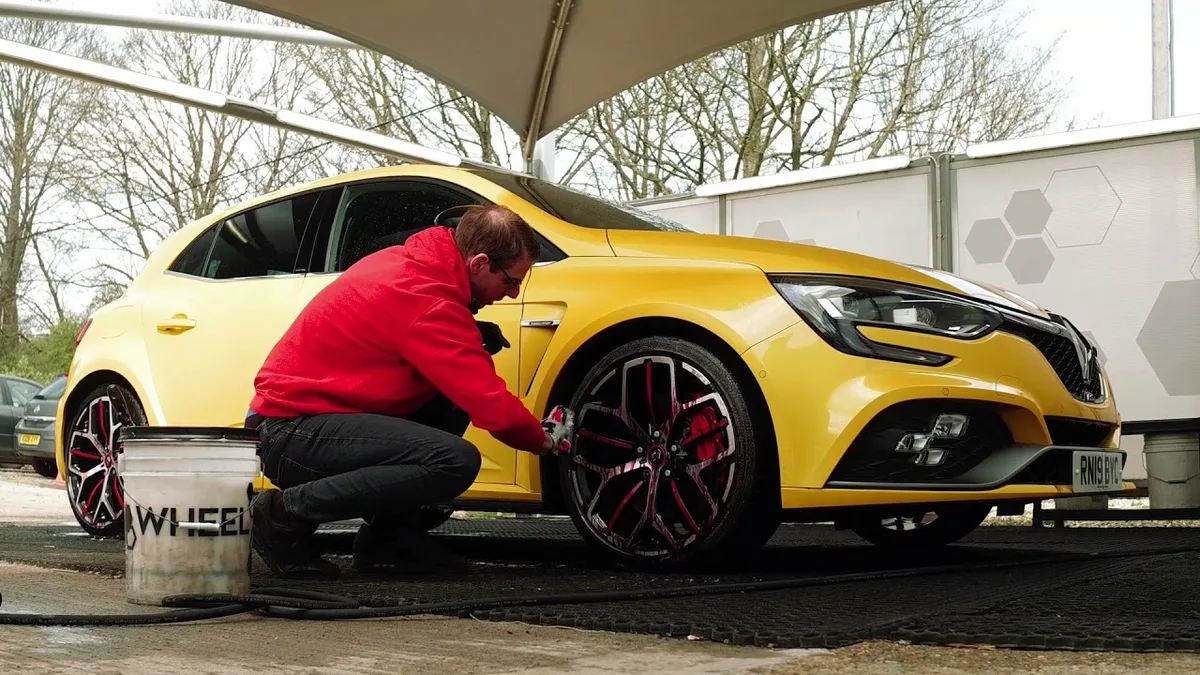
YouTube / Gtechniq UK (YouTube thumbnail (fair-use with source credit))
A ceramic shield car wash keeps your vehicle’s protective coating intact while removing dirt and contaminants. Unlike regular washes, it uses pH-neutral soaps and gentle techniques to avoid stripping the ceramic layer. Manufacturer specs confirm that improper washing can cut a coating’s lifespan in half.
The process isn’t complicated, but it does require the right products and methods. Ceramic coatings, which bond at a nanometer scale, can last 2, 5 years with proper care. Here’s how to do it right.
Quick Answer
A ceramic shield car wash uses pH-neutral soaps and soft tools to clean without damaging the coating. It prevents water spots and extends the life of your ceramic protection. Always use a two-bucket method with grit guards.
Avoid automatic car washes with brushes.
What Is a Ceramic Shield Car Wash and Why It Matters
A ceramic shield car wash is a cleaning method designed to preserve the integrity of a ceramic coating. These coatings, typically made from silicon dioxide (SiO2), create a hydrophobic layer that repels water, dirt, and contaminants. A standard car wash with harsh chemicals or abrasive tools can degrade this layer over time.
The goal is to maintain the coating’s performance, like its UV resistance and self-cleaning properties, while keeping your car looking its best.
Ceramic Coating vs. Ceramic Sealant vs. Spray Sealants: Key Differences
YouTube / IMJOSHV, Car Detailing and Reconditioning Tips (YouTube thumbnail (fair-use with source credit))
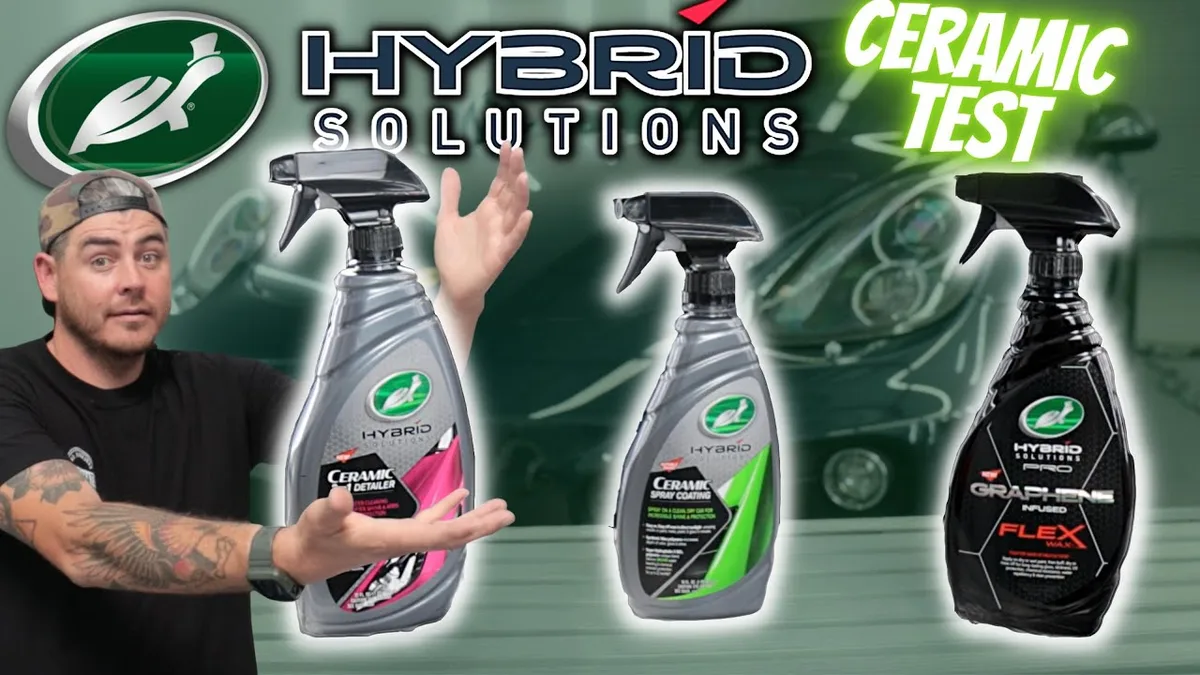
Ceramic coatings, sealants, and spray sealants all protect your car’s paint, but they differ in durability, application, and cost.
| Feature | Ceramic Coating | Ceramic Sealant | Spray Sealant |
|---|---|---|---|
| Durability | 2–5+ years | 6–12 months | 3–6 months |
| Application | Professional or DIY | DIY-friendly | Quick spray-on |
| Cost | $500–$2,000+ | $50–$150 | $20–$50 |
| Protection Level | High (chemical bond) | Moderate | Light |
| Maintenance | Low (with proper care) | Reapply periodically | Reapply frequently |
Ceramic coatings offer the longest-lasting protection but require careful application. Sealants and sprays are easier to apply but need more frequent reapplication.
How Ceramic Protection Works During a Wash
Ceramic coatings create a hydrophobic surface that causes water to bead up and roll off. This property makes washing easier because dirt and grime don’t stick as tightly to the paint. However, the coating isn’t invincible, harsh chemicals, abrasive tools, or improper techniques can break it down over time.
During a wash, the pH-neutral soap lifts contaminants without stripping the coating’s protective layer. The two-bucket method, which separates clean and dirty water, prevents swirl marks by keeping grit away from the paint. According to SAE International, this method is one of the most effective ways to maintain automotive finishes.
The Right Tools and Products for a Ceramic-Safe Wash
Using the wrong tools can scratch or degrade your ceramic coating. Here’s what you need for a safe, effective wash:
- pH-neutral car wash soap (e.g., Chemical Guys Mr. Pink, Gyeon Bathe+)
- Two buckets with grit guards (one for soap, one for rinsing your mitt)
- High-quality microfiber wash mitt (avoid sponges or brushes)
- Microfiber drying towels (or a blower like the Metro Air Force)
- Foam cannon or pressure washer (optional but helpful for pre-rinsing)
- Iron decontaminant spray (for removing embedded brake dust and rail dust)
- Clay bar and lubricant (for deep cleaning before washing)
Avoid dish soap, degreasers, or any product with a high pH, as these can strip the coating. Stick to manufacturer-approved products for the best results.
Step-by-Step: How to Wash a Ceramic-Coated Car Without Damaging It
YouTube / SUPER CYBER AUTOMOTIVE (YouTube thumbnail (fair-use with source credit))
Start with a thorough pre-rinse using a pressure washer or hose to remove loose dirt. This prevents scratching the coating during the wash. Use a foam cannon with pH-neutral soap for an extra layer of lubrication.
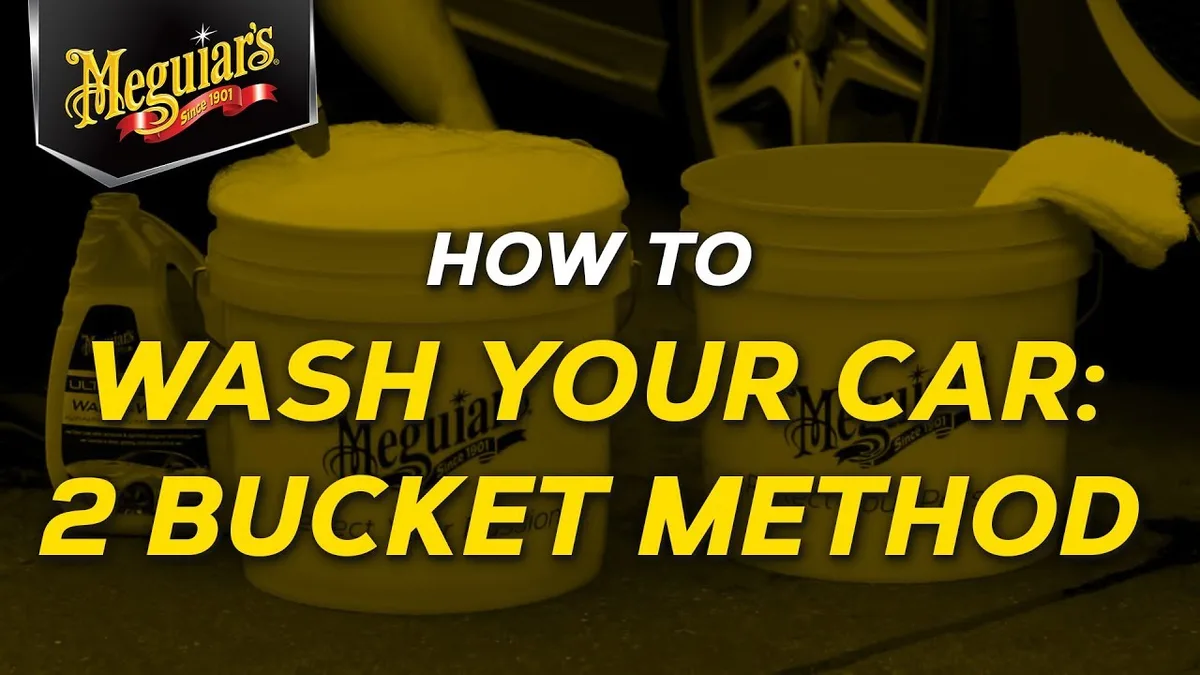
Wash in sections using the two-bucket method. Dip your microfiber mitt in the soap bucket, wash a panel, then rinse the mitt in the second bucket before reloading with soap. Always work top-down to avoid dragging dirt onto clean areas.
Dry with a clean microfiber towel or blower to prevent water spots. Hard water can leave mineral deposits that are tougher to remove once dried.
Common Mistakes That Ruin Ceramic Coatings (And How to Avoid Them)
Washing in direct sunlight causes water to evaporate too quickly, leaving streaks and spots. Always work in the shade or on cloudy days. This also gives the soap more time to lift contaminants.
Using a single bucket without grit guards redeposits dirt onto the paint. The two-bucket method keeps your wash mitt clean between dips. Skipping this step is one of the fastest ways to introduce swirl marks.
Automatic car washes with brushes can scratch or degrade the coating over time. Stick to touchless washes if you must use an automatic system. Even then, pH-neutral soaps are safer than the harsh chemicals some tunnels use.
Best Car Wash Soaps and Products for Ceramic Coatings
YouTube / High-Def Detailing (YouTube thumbnail (fair-use with source credit))
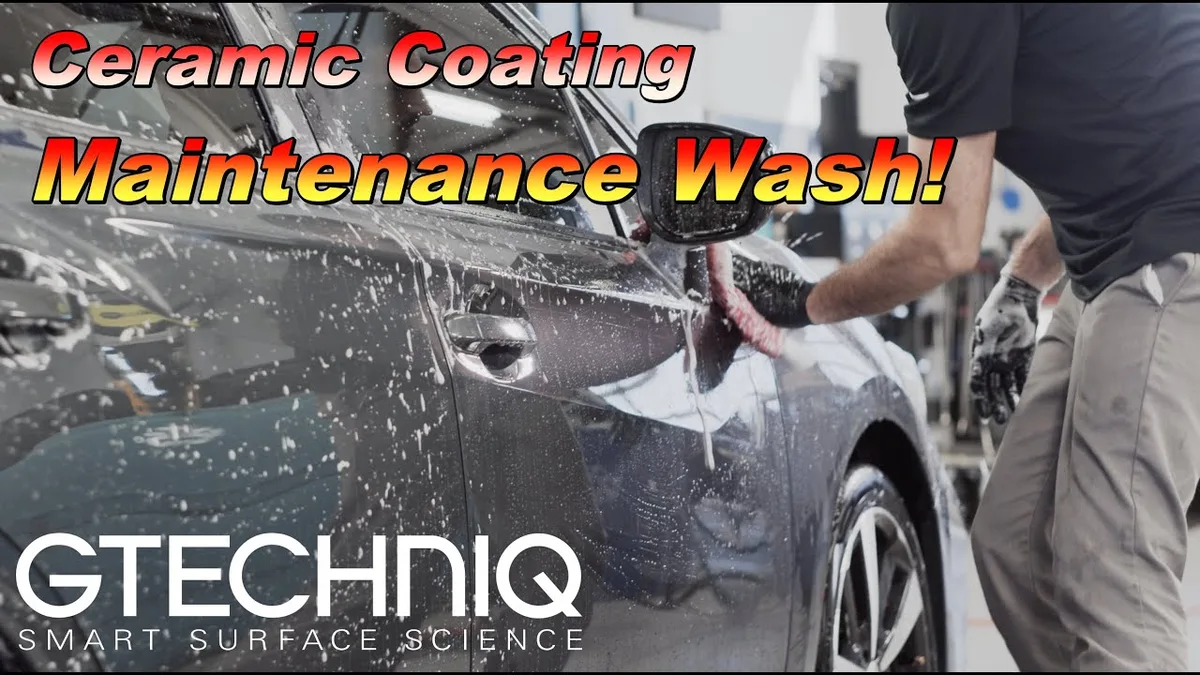
pH-neutral soaps are non-negotiable for ceramic-coated cars. Brands like Gyeon Bathe+, Chemical Guys Mr. Pink, and Meguiar’s Hybrid Ceramic Wash are popular choices.
These soaps clean effectively without breaking down the coating.
Iron decontaminant sprays, such as P&S Brake Buster or CarPro Iron X, help remove embedded brake dust and rail dust. Use these before washing to prevent scratching. A clay bar can also help for deeper cleaning, but only use it with a ceramic-safe lubricant.
Avoid products with high alkaline or acidic pH levels. These can strip the coating and reduce its lifespan.
DIY vs. Professional Ceramic Coating Maintenance: Which Is Worth It?
DIY maintenance is cost-effective and works well if you follow the right steps. You’ll need to invest in quality tools and products upfront, but the long-term savings are significant.
Professional detailers offer convenience and expertise. They have access to high-end products and equipment, and they can spot issues you might miss. If your car has a high-end ceramic coating, professional maintenance may be worth the extra cost to preserve the warranty.
For most people, a mix of both works best. Handle regular washes yourself and visit a pro for annual decontamination or coating inspections.
How Often Should You Wash a Ceramic-Coated Car?
Wash your car every 1, 2 weeks to prevent dirt buildup. Ceramic coatings repel contaminants, but they’re not self-cleaning. Regular washing maintains the hydrophobic properties and keeps the car looking its best.
In harsh climates, you may need to wash more frequently. Areas with high pollution, salt, or bird droppings require extra attention. These contaminants can etch the coating if left too long.
Decontamination with an iron remover or clay bar should happen every 3, 6 months. Annual professional inspections can help catch any issues early.
Cost Breakdown: Ceramic Coating Maintenance Over Time
Professional ceramic coating application costs between $500 and $2,000 depending on vehicle size and product quality. DIY kits run $50 to $200 but require precise application to match professional results.
Maintenance costs are minimal if you use the right products. A bottle of pH-neutral soap lasts for multiple washes, and iron removers cost around $20 to $40 per bottle. Microfiber towels and mitts are one-time purchases that last for years.
Over five years, professional maintenance with regular washes and annual decontamination typically costs $1,500 to $3,000 total. DIY maintenance can cut this to $300 to $800 for the same period.
Climate and Environment: How They Affect Your Ceramic Shield
High UV areas like Arizona or Florida accelerate coating degradation without proper care. Parking in a garage or using a car cover helps extend its life.
In snowy regions, road salt and de-icing chemicals are the biggest threats. These can etch the coating if not washed off promptly. More frequent washes are necessary during winter months.
Hard water areas leave mineral deposits that are tough to remove. Using a water softener or filtered water for final rinses prevents spots. Coastal areas with salt air also require more frequent decontamination.
Pro Tips to Extend the Life of Your Ceramic Coating
Apply a ceramic booster spray every 3 to 6 months to refresh the hydrophobic properties. These sprays add an extra layer of protection between full decontamination sessions.
Avoid parking under trees to prevent sap and bird droppings from etching the coating. If contaminants do land on the surface, remove them as soon as possible.
Use a quick detailer spray after washes to maintain gloss and repellency. These sprays are formulated to be safe for ceramic coatings and help fill minor imperfections.
FAQs About Ceramic Shield Car Washes
Can I use a pressure washer on a ceramic-coated car?
Yes, a pressure washer is safe and effective for pre-rinsing. Use a 40-degree nozzle and keep the pressure below 2,000 PSI to avoid damaging the coating.
How do I remove water spots from a ceramic coating?
Use a dedicated water spot remover designed for ceramic coatings. Apply it to a microfiber towel and gently rub the affected area.
Does ceramic coating prevent scratches?
No, ceramic coatings add a layer of protection but don’t make the paint scratch-proof. They can resist minor scratches better than wax but won’t prevent damage from keys, rocks, or abrasive materials.
Can I wax over a ceramic coating?
It’s not necessary and can reduce the coating’s effectiveness. Wax won’t bond properly to the hydrophobic surface and may leave a hazy residue.
How do I know if my ceramic coating is still working?
Water should bead up and roll off the surface easily. If water starts sheeting or leaving spots, the coating may need refreshing.