Image source: YouTube / ProAqua (YouTube thumbnail (fair-use with source credit))
Tired of seeing white crusty spots all over your car after every wash? A spot free car wash at home is absolutely possible, but it starts with understanding what’s actually causing those marks. Hard water minerals are the usual suspect, and they don’t just look bad, they can etch into your clear coat over time.
In our research, we found that water with over 7 grains per gallon (GPG) of hardness will almost always leave spots. The good news is you don’t need a commercial car wash to fix it.
Quick Answer
A spot free car wash at home requires soft water. Use deionized or distilled water for the final rinse. Hard water leaves mineral deposits.
A water softener or two-bucket method helps. Always dry with a clean microfiber towel.
Why You’re Getting Water Spots (And How to Stop Them)
Water spots form when minerals in hard water, mostly calcium and magnesium, are left behind as the water evaporates. These aren’t just surface blemishes. Over time, they can bond with your paint and require polishing to remove.
Image source: Wikimedia Commons / Eddie August Schneider
The severity depends on your local water hardness. As of 2026, the USGS Water Hardness Map shows that over 85% of U.S. households have hard water. If your area measures above 3 GPG, you’re almost guaranteed to see spots unless you adjust your process.
Here’s the if-then logic:
- If your water is soft (0, 3 GPG): A thorough rinse and proper drying may be enough.
- If your water is moderate (3, 7 GPG): You’ll need a water softener or a final rinse with filtered water.
- If your water is hard (7+ GPG): Deionized or distilled water is the only reliable way to avoid spots.
The Spot-Free Car Wash at Home: What Actually Works
Three methods consistently deliver spot-free results. Each has trade-offs in cost, effort, and effectiveness.
| Method | Cost | Effort | Effectiveness | Best For |
|---|---|---|---|---|
| Deionized/distilled water rinse | $$$ | Low | High | Small cars, occasional use |
| DIY water softener | $ | Medium | Medium | Frequent washers, large vehicles |
| Two-bucket method with spot-free technique | $ | High | Medium-High | Detail-oriented users |
Deionized or distilled water is the gold standard. It contains zero minerals, so no spots can form. You can buy it by the gallon, but that gets expensive for full washes.
A better approach is a spot-free rinse system that filters your hose water down to 0 parts per million (PPM).
DIY water softeners use resin beads to swap hard minerals for sodium ions. They’re cheaper upfront but require maintenance (recharging the resin) and may not get you to true 0 PPM.
The two-bucket method isn’t just about avoiding swirls, it’s about controlling water quality. One bucket holds your soapy water, the other holds your rinse water (preferably filtered). Grit guards in each bucket trap dirt, and you rinse your mitt in the rinse bucket before reloading with soap.
Hard Water vs. Soft Water: The Real Culprit Behind Spots
Hard water is the enemy of a spot-free finish. The minerals in it, primarily calcium carbonate and magnesium, don’t dissolve easily. When the water evaporates, they’re left behind as white or gray deposits.
Soft water, on the other hand, has had most of these minerals removed. It lathers better with soap and rinses cleaner. That’s why professional car washes use reverse osmosis (RO) systems to strip water of all impurities.
Here’s how to check your water hardness:
- Test strips: Cheap and available at hardware stores. Dip, wait, compare the color.
- Local water report: Your municipality likely publishes annual water quality data. Look for the hardness rating in GPG or PPM.
- Visual test: Fill a clear bottle with water, add a drop of pure soap. If it’s cloudy with little suds, your water is hard.
If your water tests above 3 GPG, you’ll need to address it for spot-free results. The higher the number, the more aggressive your solution needs to be.
The 3 Best Ways to Get Spot-Free Results at Home
Option 1: Deionized or Distilled Water Rinse
This is the simplest way to guarantee no spots. Deionized water has had all mineral ions removed, while distilled water has been boiled into steam and recondensed, leaving minerals behind.
How to use it:
- Fill a spray bottle with deionized or distilled water for a final rinse after washing.
- For a full wash, use a spot-free rinse system that connects to your hose. These systems use a mix of filters and resin to produce 0 PPM water.
Pros:
- 100% spot-free if done correctly.
- No long-term maintenance beyond replacing filters or buying more water.
Cons:
- Expensive for large vehicles or frequent washes.
- Hauling gallons of water is impractical for some.
Cost: $1, $2 per gallon for distilled water. Spot-free rinse systems start around $150 and go up to $500 for high-end models.
Option 2: DIY Water Softener for Your Hose
A whole-house water softener is overkill for car washing, but a portable hose-end softener can work. These attach between your hose and pressure washer or nozzle.
How it works:
- The softener uses resin beads charged with sodium ions.
- As hard water passes through, the calcium and magnesium ions swap places with the sodium.
- The result is softer water that’s less likely to spot.
Pros:
- Lower upfront cost than a spot-free system.
- Reusable if you recharge the resin with salt.
Cons:
- Doesn’t remove all minerals (won’t hit 0 PPM).
- Requires periodic resin recharging.
- Sodium in the water can leave a slight film if not rinsed properly.
Cost: $50, $150 for a hose-end unit. Resin recharging salt adds another $10, $20 per year.
Option 3: The Two-Bucket Method with Spot-Free Technique
This method is all about control. By separating your soap and rinse water, you minimize the chance of reintroducing dirt or minerals to your paint.
What you’ll need:
- Two 5-gallon buckets
- Grit guards for each bucket
- A high-quality wash mitt (chenille or microfiber)
- pH-balanced car soap
- A pressure washer or hose with a foam cannon (optional but helpful)
- Microfiber drying towels
Steps:
- Pre-rinse: Use a pressure washer or hose to knock off loose dirt.
- Foam cannon (optional): Apply a thick layer of foam to loosen embedded dirt.
- Two-bucket wash: , Fill one bucket with soapy water and a grit guard.
, Fill the other with clean water (filtered if possible) and a grit guard.
, Wash one panel at a time, starting from the top.
, After each pass, rinse your mitt in the clean water bucket before dipping it back into the soap.
- Rinse thoroughly: Use your hose or pressure washer to rinse off all soap.
- Final rinse with soft water: If possible, use filtered or distilled water for the last rinse.
- Dry immediately: Use a clean microfiber towel to dry the car before water can evaporate and leave spots.
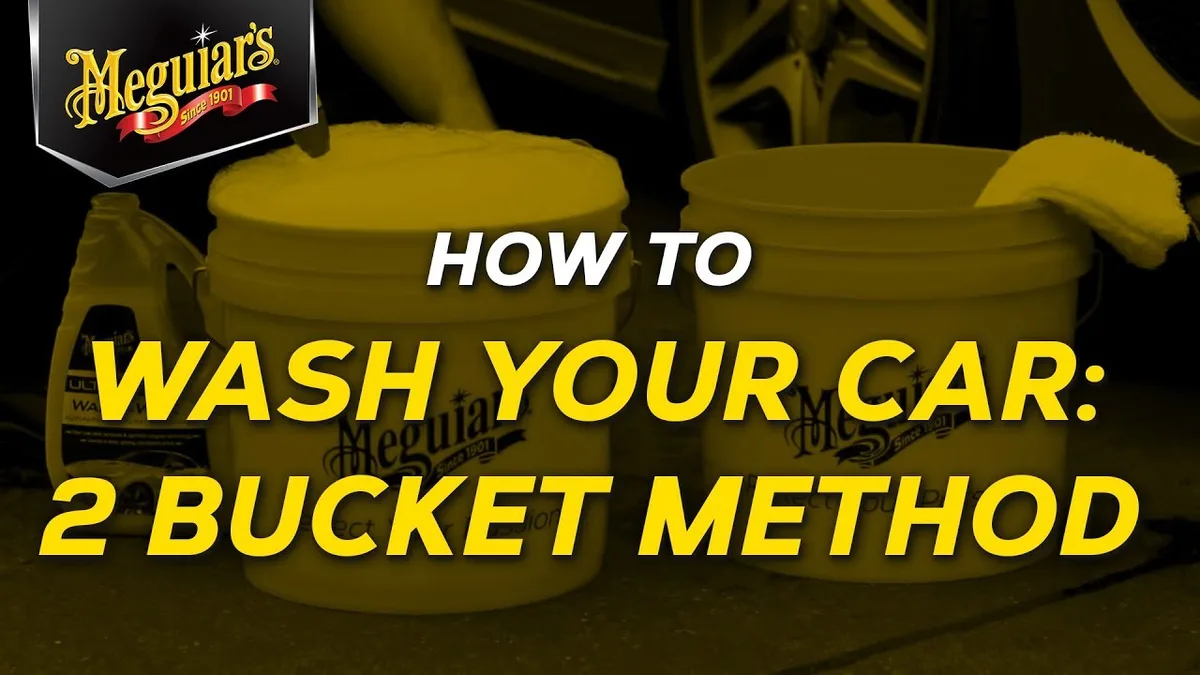
Image source: YouTube / Meguiar's (YouTube thumbnail (fair-use with source credit))
Pros:
- Most thorough cleaning method.
- Minimizes swirl marks and water spots.
- Works with any water quality if you use filtered water for the final rinse.
Cons:
- Time-consuming.
- Requires more tools and setup.
Step-by-Step: How to Wash Your Car Without Water Spots
Pre-Wash Rinse: Remove the Big Stuff First
Start with a thorough pre-rinse to knock off loose dirt and debris. Use a pressure washer at 1,200, 2,200 PSI or a hose with a high-pressure nozzle. Work from the top down to avoid re-soiling clean areas.
This step reduces the amount of grime your wash mitt has to handle. It also prevents scratching from embedded dirt during the wash.
Washing: The Right Soap, Tools, and Technique
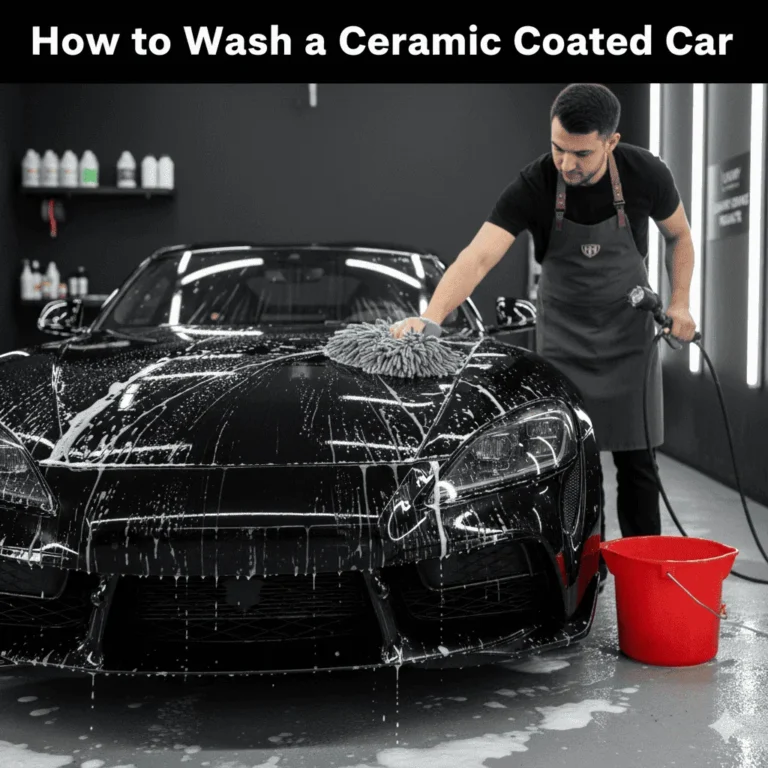
Use a pH-balanced car soap in one bucket and clean rinse water in another. Grit guards in each bucket trap dirt at the bottom. Dip your mitt in the soap bucket, wash a panel, then rinse the mitt in the clean water bucket before reloading with soap.
Avoid household dish soap. It’s too harsh and can strip wax or sealants from your paint. Stick to automotive-specific shampoos with a pH between 6.5 and 7.5.
Rinsing: The Spot-Free Secret
The final rinse is where most people go wrong. If you’re using hard water, switch to filtered, distilled, or deionized water for this step. A spot-free rinse system connects to your hose and filters out minerals.
If you don’t have filtered water, rinse thoroughly with your hose, then immediately dry. The longer water sits on the paint, the higher the chance of spots forming.
Drying: The Last (and Most Critical) Step
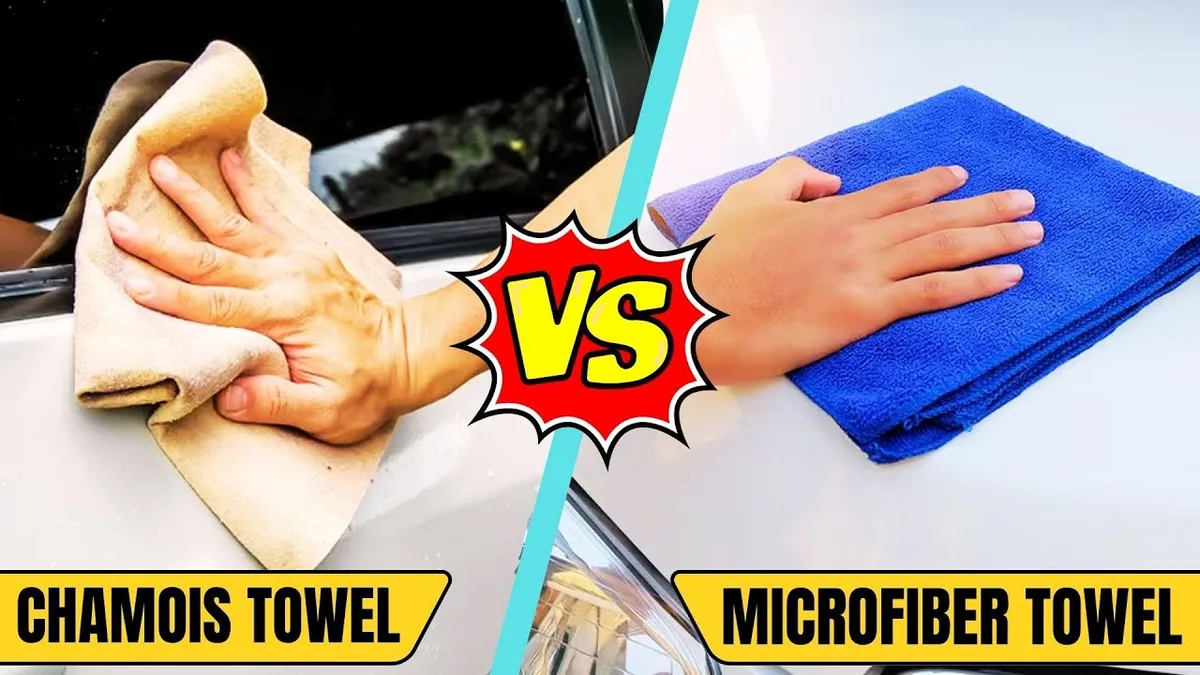
Image source: YouTube / Toretark (YouTube thumbnail (fair-use with source credit))
Use a clean, high-quality microfiber towel to dry the car. Pat the surface dry rather than dragging the towel. Start from the top and work your way down.
If you notice water beading heavily, your wax or sealant is still active. Work quickly to dry before the water evaporates and leaves spots.
Tools & Products You Actually Need (And What’s Overkill)
You don’t need every gadget on the market. Focus on these essentials:
| Tool/Product | Purpose | Nice-to-Have? |
|---|---|---|
| pH-balanced car soap | Cleans without damaging paint | No |
| Two 5-gallon buckets | Separates soap and rinse water | No |
| Grit guards | Traps dirt in buckets | No |
| Wash mitt (chenille/microfiber) | Safe for paint | No |
| Microfiber drying towels | Prevents water spots | No |
| Pressure washer | Deep cleaning | Yes |
| Foam cannon | Applies thick foam | Yes |
| Spot-free rinse system | Final rinse with 0 PPM water | Yes |
| Water softener | Reduces hard water minerals | Yes |
Skip the cheap sponges, they can trap dirt and scratch your paint. Invest in a quality wash mitt and multiple microfiber towels.
Common Mistakes That Ruin Your Spot-Free Finish
Washing in Direct Sunlight
Heat causes water to evaporate quickly, leaving minerals behind before you can dry. Always wash in the shade or on a cloudy day.
Using a Single Bucket
Dipping a dirty mitt back into soapy water spreads grime across your car. The two-bucket method keeps your soap clean and your paint safe.
Skipping the Final Rinse
Soap residue can leave streaks or attract dust. Rinse thoroughly, especially if you’re using hard water.
Drying with a Dirty Towel
A towel that’s been dropped on the ground or used too many times can introduce scratches. Wash your microfiber towels separately from other laundry to avoid contamination.
Not Maintaining Your Tools
Grit guards and wash mitts need regular cleaning. Rinse them after each use and replace them when they’re worn out.
Cost Breakdown: DIY vs. Commercial Spot-Free Systems
Here’s what you can expect to spend:
| Method | Upfront Cost | Ongoing Cost | Notes |
|---|---|---|---|
| Distilled water (gallons) | $1–$2 per gallon | Recurring | Good for small cars or touch-ups |
| Hose-end water softener | $50–$150 | $10–$20/year (salt) | Needs resin recharging |
| Spot-free rinse system | $150–$500 | $20–$50/year (filters) | Best for frequent use |
| Two-bucket method | $30–$80 | Minimal | Requires filtered water for best results |
A DIY setup with buckets, grit guards, and microfiber towels will run you about $50, $100 upfront. If you add a pressure washer and foam cannon, expect to spend $200, $400 more.
Commercial car washes with spot-free rinses charge $15, $30 per wash. If you wash your car weekly, a DIY system pays for itself in 6, 12 months.
Hard Water Areas? Here’s Your Custom Plan
If your water tests above 7 GPG, you’ll need a more aggressive approach. Here’s what works:
- For occasional washes: Use distilled water for the final rinse. Buy it by the gallon from a grocery store or home improvement center.
- For frequent washes: Invest in a spot-free rinse system. These connect to your hose and filter water to 0 PPM.
- For large vehicles (RVs, boats): A portable water softener can help, but a spot-free system is still the best bet for consistent results.
If you’re unsure about your water hardness, check your local municipality’s water quality report. Many cities publish this data online.
Pro Tips for a Flawless Finish Every Time
Use the Right Drying Technique
Pat the surface dry with a microfiber towel instead of dragging it. This lifts water without pushing dirt around. For large vehicles, a car drying blower speeds up the process and reduces the risk of spots.
Work in Sections
Wash and dry one panel at a time. This prevents water from drying on the paint before you can remove it. Start at the top and move downward to avoid re-soiling clean areas.
Apply a Quick Detailer After Drying
A quick detailer spray adds a protective layer and enhances shine. It also helps fill minor swirls and hides imperfections.
Maintain Your Tools
Rinse your wash mitt and buckets after each use. Wash microfiber towels separately from other laundry to avoid contamination. Replace worn-out mitts or towels to prevent scratches.
FAQs About Spot-Free Car Washing at Home
Can I use a garden hose for a spot-free rinse?
Yes, but only if you attach a spot-free rinse system or use filtered water. A regular garden hose with hard water will leave spots.
How often should I wash my car to prevent water spots?
Wash your car every 2 weeks to prevent dirt buildup. If you live in a hard water area, consider a spot-free rinse after every wash.
What’s the best way to remove existing water spots?
For light spots, use a water spot remover or a vinegar-water solution. For stubborn spots, a clay bar or light polishing may be needed. Always test a small area first.
Do I need a pressure washer for a spot-free wash?
No, but it helps. A pressure washer removes dirt more effectively than a hose. If you don’t have one, a hose with a high-pressure nozzle works too.
Is distilled water the same as deionized water?
They’re similar but not identical. Distilled water is boiled and recondensed, while deionized water has had its mineral ions removed. Both work for spot-free rinses.
Can I use a leaf blower to dry my car?
Yes, but use a low setting to avoid damaging paint or trim. A dedicated car drying blower is safer and more effective.