A car wash ceramic coating can be worth it if you want long-lasting paint protection without frequent waxing. The real question is whether the upfront effort and cost match your driving habits and climate. Manufacturer specs confirm these coatings last 6 months to 2 years, far outlasting traditional wax.
In our research, the hydrophobic effect alone cuts washing time in half, but the results depend on proper prep and application. Let’s break down when it makes sense and when it doesn’t.
Quick Answer
A car wash ceramic coating is worth it for daily drivers in harsh climates. It lasts 6, 24 months. Wax lasts 1, 3 months.
It resists UV, chemicals, and minor scratches. Maintenance is simpler than wax.
How Ceramic Coating Actually Works
Ceramic coatings use silicon dioxide (SiO2) to form a chemical bond with your car’s clear coat. This creates a hydrophobic layer that repels water, dirt, and contaminants. The result is a glossier finish that stays cleaner longer.
Unlike wax, which sits on the surface, ceramic coatings cure into a hard, durable layer. As of 2026, most consumer-grade products achieve a water contact angle of 100, 120 degrees, meaning water beads up and rolls off easily.
Car Wash Ceramic Coating vs. Professional-Grade: What’s the Difference?
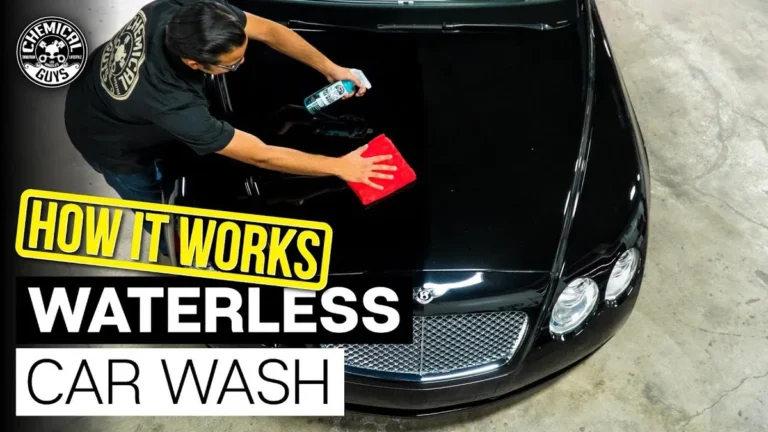
Car wash ceramic coatings are spray-on products designed for quick application. They’re thinner, less durable, and typically last 3, 6 months. Professional-grade coatings require paint correction and multiple layers, lasting 2, 5 years.
| Feature | Car Wash Ceramic Coating | Professional-Grade Coating |
|---|---|---|
| Durability | 3–6 months | 2–5 years |
| Application | Spray-on, DIY-friendly | Multi-step, requires prep |
| Cost | $20–$100 | $500–$2,000+ |
| Hydrophobicity | Moderate | High |
| Scratch Resistance | Light | Better |
Car wash versions are great for a quick boost. Professional coatings are for long-term protection.
The Real Benefits (and What’s Overhyped)
Ceramic coatings excel at UV protection, preventing paint fading over time. They also resist chemical stains from bird droppings, tree sap, and road salt. The self-cleaning effect means less time spent washing and more time driving.
But they’re not invincible. Marketing often claims “scratch-proof” protection, which isn’t true. Ceramic coatings resist light scratches but won’t stop rock chips or deep keys.
They also won’t fix existing paint defects, those need correction first.
The Hidden Downsides Most People Ignore
Ceramic coatings require meticulous prep. Skip paint correction, and the coating will lock in swirl marks and imperfections. Application mistakes, like uneven layers, can leave streaks or haze that are hard to fix.
They’re also not maintenance-free. While they reduce washing frequency, you still need to use pH-neutral shampoos and avoid automatic car washes with harsh brushes. Reapplication is inevitable, and professional touch-ups can be costly.
Who Should Get It (and Who Should Skip It)
Ceramic coatings make sense for daily drivers in harsh climates. If you park outside in extreme sun, snow, or near industrial areas, the UV and chemical resistance pays off. Luxury car owners also benefit from the extra gloss and protection.
Skip it if you lease your car or plan to sell soon. The upfront cost doesn’t justify short-term ownership. DIY enthusiasts with limited time may find the prep work too involved.
Cost Breakdown: DIY vs. Professional
DIY ceramic coating kits run $20 to $100. These are spray-on products that last 3 to 6 months. Professional applications start at $500 and can exceed $2,000 for high-end vehicles.
| Option | Cost | Durability | Skill Required |
|---|---|---|---|
| DIY Spray | $20–$100 | 3–6 months | Low |
| DIY Kit | $100–$300 | 6–12 months | Moderate |
| Professional | $500–$2,000+ | 2–5 years | None (but requires pro prep) |
The professional route includes paint correction, which adds to the price but ensures the best results.
Step-by-Step: How to Apply It Right (If You DIY)
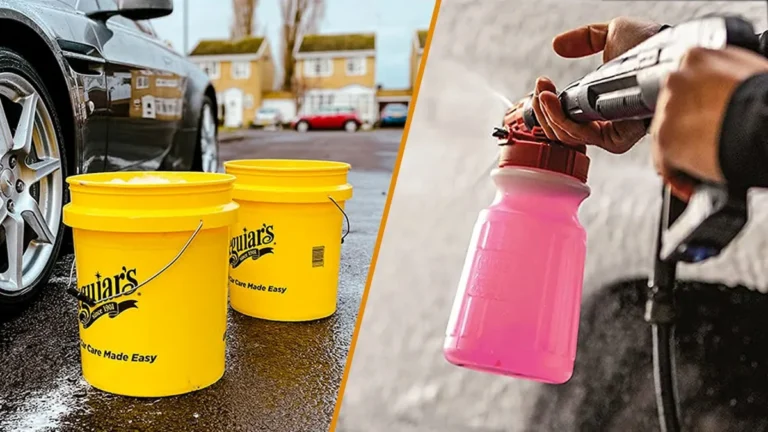
Start with a thorough wash using the two-bucket method. This removes surface dirt without scratching the paint. Next, use a clay bar to pull embedded contaminants from the clear coat.
Apply the coating in thin, even layers using an applicator pad. Work in small sections, following a cross-hatch pattern. Let it cure for 24 to 48 hours, avoiding water and direct sunlight during this time.
Maintenance Rules to Make It Last
Wash your car every two weeks with a pH-neutral shampoo. Avoid automatic car washes with brushes, as they can degrade the coating over time. Always dry the car with a microfiber towel to prevent water spots.
Reapply a ceramic booster spray every 3 to 6 months to refresh the hydrophobic properties. For professional coatings, follow the detailer’s maintenance schedule to maximize longevity.
Common Mistakes That Waste Your Money
Applying ceramic coating over dirty or contaminated paint is the top mistake. The coating will seal in imperfections, making them permanent until you polish them out. Another error is using too much product, which leads to streaks and uneven curing.
Skipping the curing period is just as bad. Driving in rain or washing the car too soon can ruin the bond before it fully sets. Always follow the manufacturer’s recommended drying times.
Ceramic Coating vs. Wax, Sealant, and PPF: Which Wins?
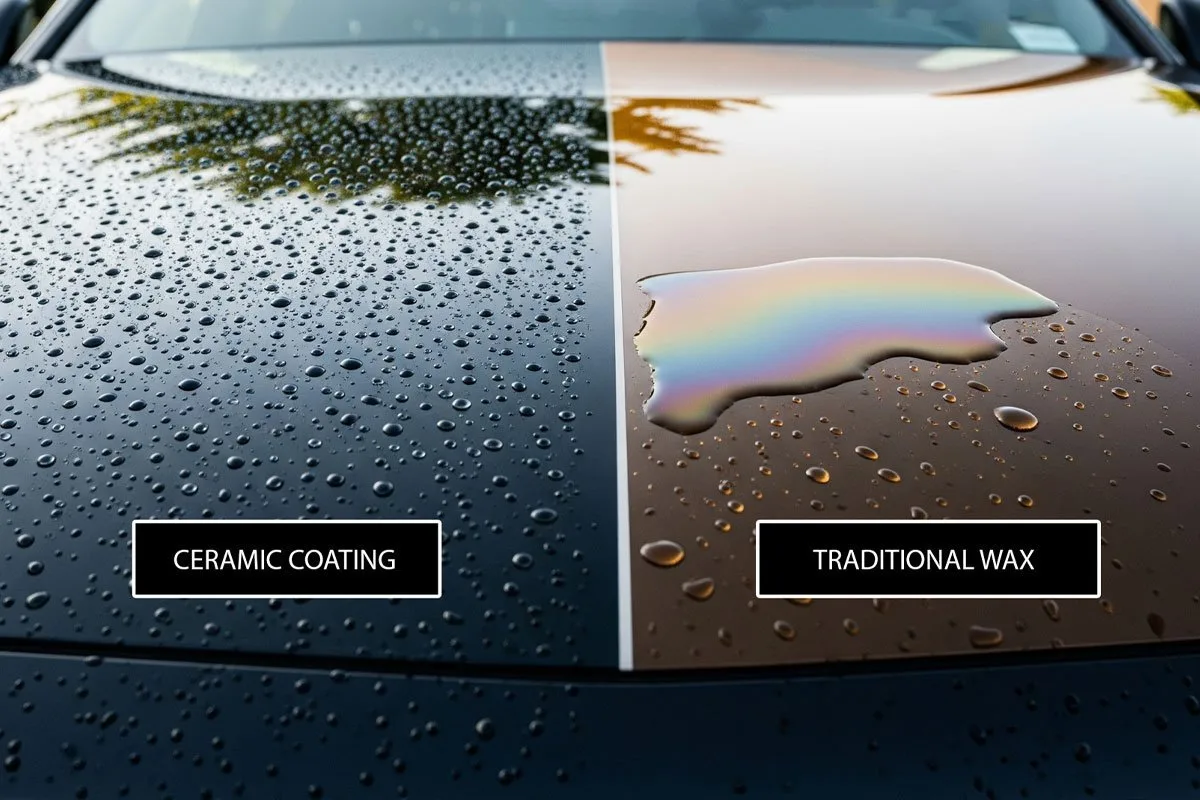
Wax offers the easiest application and deepest gloss but lasts only 1 to 3 months. It’s ideal for show cars or quick touch-ups. Sealants bridge the gap, lasting 4 to 6 months with better UV resistance than wax.
Ceramic coatings outlast both, with 6 to 24 months of protection and superior hydrophobic properties. Paint Protection Film (PPF) is the heavyweight champion for scratch and chip resistance but costs significantly more.
| Option | Durability | Scratch Protection | Cost | Best For |
|---|---|---|---|---|
| Wax | 1–3 months | Minimal | $10–$50 | Quick shine, show cars |
| Sealant | 4–6 months | Light | $20–$80 | Balanced protection |
| Ceramic Coating | 6–24 months | Moderate | $20–$2,000 | Long-term, daily drivers |
| PPF | 5–10 years | High | $1,500–$5,000 | Maximum protection |
Does It Work on Older or Damaged Paint?
Ceramic coatings bond best to smooth, clean surfaces. If your paint has swirl marks, oxidation, or deep scratches, the coating will amplify these flaws. Paint correction is required first for optimal results.
For older cars with faded paint, a ceramic coating can restore some gloss and protect against further UV damage. However, it won’t fix existing paint failure. In these cases, a professional detailer may recommend a light polish before application.
Climate & Driving Habits: How They Change the Answer
Harsh climates accelerate paint damage. In areas with intense sun, ceramic coatings prevent UV fading and oxidation. In snowy regions, they resist road salt and chemical stains.
City drivers face more contaminants like pollution and tar. Ceramic coatings make these easier to wash off. Highway drivers benefit from reduced bug splatter and road grime adhesion.
If you garage your car most of the time, the benefits diminish. The coating’s advantages shine in extreme or high-exposure conditions.
Final Verdict: Should You Bother?
Get a ceramic coating if you want long-term protection with less maintenance. It’s worth the investment for daily drivers in tough climates or those who value a showroom shine. DIY spray versions offer a budget-friendly trial.
Skip it if you lease your car, have limited time for prep, or park in mild conditions. Wax or sealant may be enough. For maximum scratch protection, consider PPF instead.