ByMax Lee
Best Car Wash for Hard Water Stains
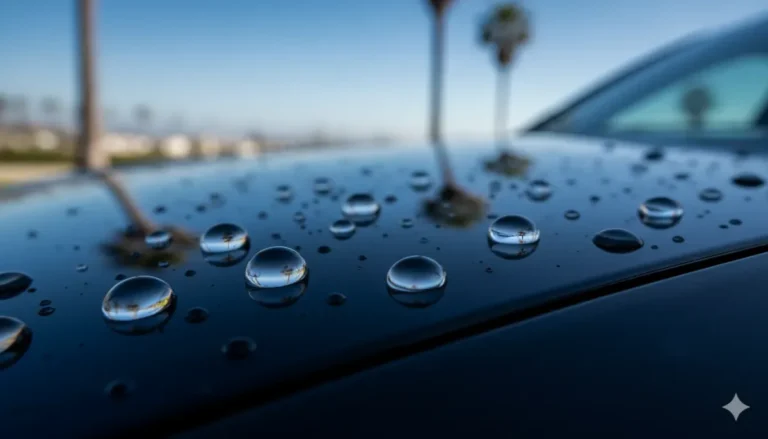
White mineral deposits left by hard water after drying
Wikimedia Commons / Eddie August Schneider
If you’ve ever finished washing your car only to find it covered in stubborn white spots, you’re dealing with hard water. The best car wash for hard water isn’t just about the soap, it’s about the whole approach, from the products you use to how you rinse.
Hard water contains high levels of calcium and magnesium, which leave behind mineral deposits as the water evaporates. As of 2026, over 85% of U.S. households have hard water, according to the USGS Water Science School. That means most of us need a strategy to avoid those frustrating spots.
Quick Answer
The best car wash for hard water uses pH-balanced soap with chelators. DI or RO water prevents spots entirely. Water softeners reduce mineral content.
The two-bucket method minimizes swirls. Always dry with microfiber to avoid residue.
Why Hard Water Actually Damages Your Car
Hard water doesn’t just leave spots, it etches into your paint over time. The minerals in hard water, primarily calcium and magnesium, bond to the surface as the water dries. This creates a rough, dull layer that can trap dirt and reduce shine.
Aggregate reviews report that repeated exposure to untreated hard water can degrade wax and ceramic coatings faster. Manufacturer specs for premium car soaps often include chelating agents to counteract this. The result is a car that looks clean but feels gritty to the touch.
In practice, the etching effect is often mistaken for oxidation or fading, leading owners to polish or wax when the real fix is addressing the water quality. A common mistake is assuming that more soap or elbow grease will solve the problem—without targeting the minerals, the spots will return after every wash.
The 5 Best Ways to Wash a Car in Hard Water Areas
pH-Balanced Car Soaps with Hard Water Chelators
These soaps are formulated to bind with minerals, preventing them from sticking to your car. Look for products labeled as hard water-specific or containing EDTA or citric acid. They’re designed to lift contaminants without leaving residue.
For best results, pair these soaps with a routine upkeep plan that includes regular pre-rinses to remove loose dirt before the main wash. This reduces the load on the chelators and extends their effectiveness.
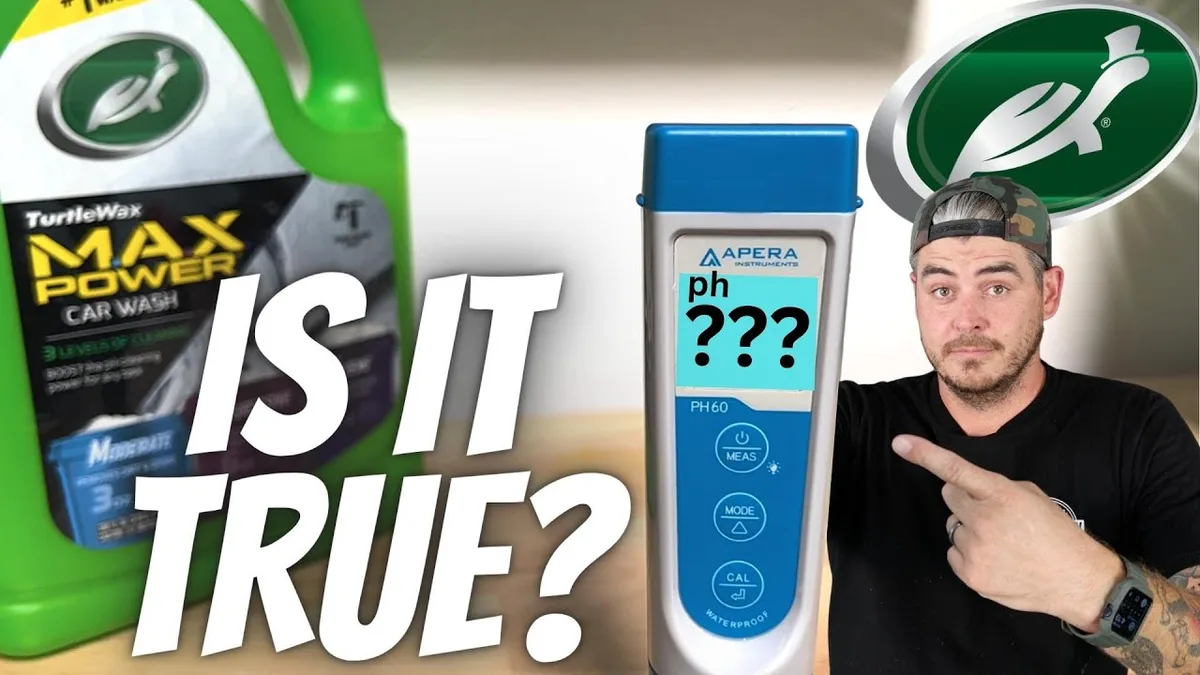
Foam cannon applying pH-balanced soap to a car’s surface
Bing (Web (fair-use with source credit))
pH-balanced soaps (typically between 6 and 8 on the pH scale) are gentler on paint and coatings. They also create a lubricating foam that reduces swirl marks. Brands like Chemical Guys and Meguiar’s offer options tailored for hard water.
Using a top-rated brewers approach with your foam cannon ensures thick, clinging foam that maximizes dwell time, giving the chelators more opportunity to bind with minerals before rinsing.
Water Softeners (Portable vs. Inline)
A water softener replaces calcium and magnesium ions with sodium ions, which don’t leave spots. Portable units are great for DIY detailers, while inline systems are better for home setups.
Softened water extends the life of your soap and reduces the need for spot removal. However, it doesn’t eliminate all minerals, just the ones that cause the most visible damage.
For those using a hose, adding a hose filter can further reduce mineral content, especially if your softener is portable and not 100% efficient.
DI or RO Water Systems for Spot-Free Rinsing
Deionized (DI) and reverse osmosis (RO) systems remove nearly all minerals from water. DI water is the gold standard for spot-free rinsing, as it leaves no residue when it evaporates.
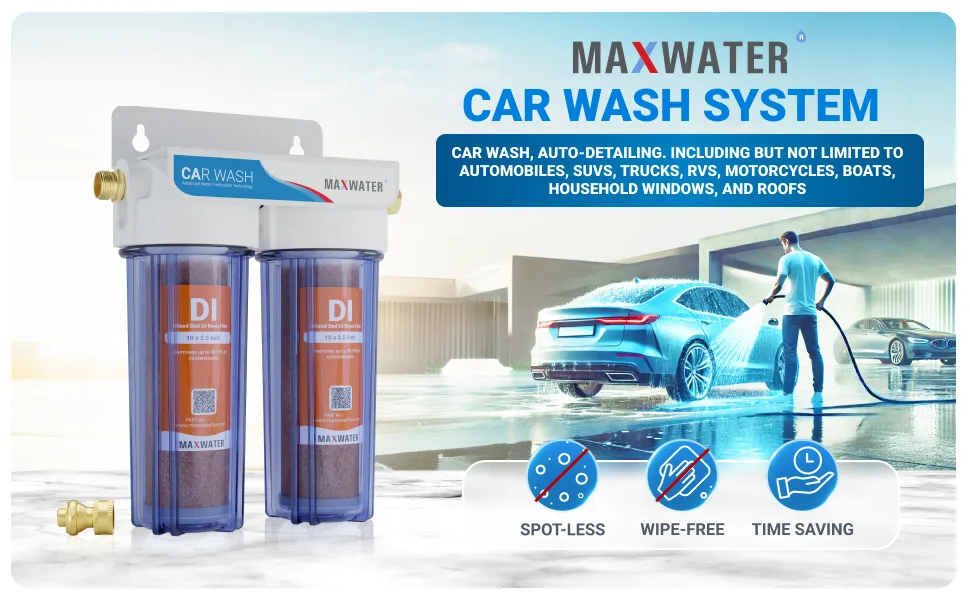
DI water system integrated into a home car wash setup
Bing (Web (fair-use with source credit))
These systems are more expensive upfront but save time and frustration in the long run. They’re commonly used in professional detailing shops but are also available for home use.
To achieve the ideal foam consistency with DI or RO water, refer to a reliable machine guide for mixing ratios, as the lack of minerals can affect foam stability.
Waterless or ONR (Optimum No Rinse) Methods
Waterless washes use a spray-and-wipe approach with a lubricating solution. ONR products allow you to wash and rinse with a single bucket, using minimal water. Both methods are effective in hard water areas because they avoid the mineral-laden rinse step entirely.
These are ideal for quick cleanups or areas with water restrictions. However, they’re not as thorough as a traditional wash for heavily soiled cars.
For black or dark-colored vehicles, waterless methods can be a safer choice to avoid visible swirls or spots. Check out insights on a reliable machine to understand how different wash methods impact darker paints.
Professional Touchless Car Washes
Touchless car washes use high-pressure water and specialized detergents to clean without brushes. Many modern touchless washes also use softened or filtered water to prevent spots.
This is the easiest option if you don’t want to invest in equipment. Just check that the car wash specifically advertises spot-free rinsing or water softening.
Hard Water Car Soap vs. Regular Soap: What’s the Difference?
Hard water car soap contains chelating agents that bind to minerals, preventing them from depositing on your car. Regular soap doesn’t have these additives, so minerals remain in the water and stick to the surface as it dries.
The difference is noticeable after the first wash. Hard water soap leaves a smoother finish and reduces the need for post-wash spot removal. Regular soap may clean the dirt but won’t address the root cause of the spots.
DI Water vs. Water Softener vs. RO System: Side-by-Side Comparison
DI water removes nearly all minerals, making it the best choice for spot-free rinsing. Water softeners swap calcium and magnesium for sodium, reducing but not eliminating minerals. RO systems filter out most contaminants but may leave some dissolved solids.
Here’s how they stack up:
| Feature | DI Water | Water Softener | RO System |
|---|---|---|---|
| Mineral Removal | 99%+ | Partial (swaps ions) | 90-98% |
| Cost | High (resin replacement) | Moderate (salt refills) | Moderate (filter changes) |
| Maintenance | Resin replacement | Salt refills | Filter replacements |
| Best For | Professional detailers | Home use, frequent washes | Home setups, DIYers |
DI water is ideal if you want guaranteed spot-free results. Softened water works well for regular washing but may still leave minor residue. RO systems are a middle ground, offering good filtration without the high cost of DI.
Step-by-Step: How to Wash Your Car with Hard Water Without Spots
Start with a pre-rinse to remove loose dirt. Use a foam cannon or bucket with pH-balanced soap to lift contaminants without scratching. Rinse thoroughly, working from top to bottom to avoid re-depositing dirt.
For the final rinse, use DI or softened water if possible. If not, rinse quickly and dry immediately with a microfiber towel to minimize spotting. Avoid washing in direct sunlight, as it speeds up evaporation and increases mineral deposits.
A practical tip: if you’re using a pressure washer, reduce the nozzle angle to 25–40 degrees for the final rinse—this sheets water off more efficiently, carrying away minerals before they can bond to the paint.
The Two-Bucket Method and Other Pro Techniques for Hard Water
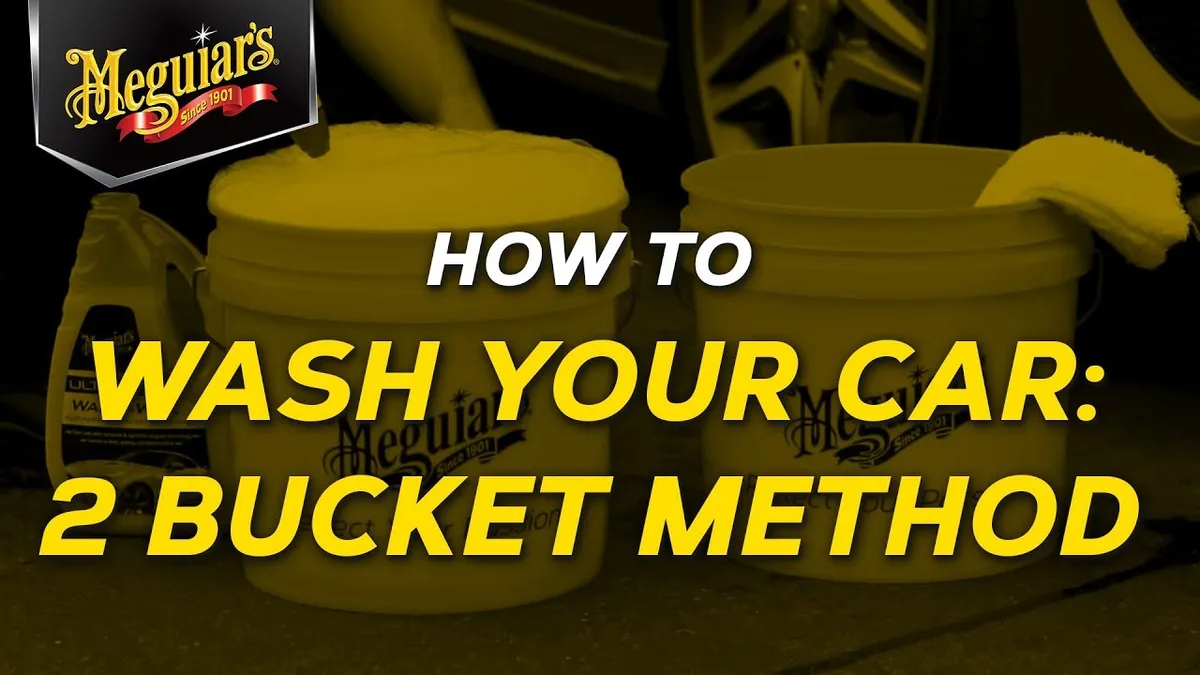
Two-bucket method with grit guards to prevent swirl marks
Wikimedia Commons / Eddie August Schneider
The two-bucket method keeps your wash water clean. One bucket holds soapy water, and the other holds clean water for rinsing your mitt. This prevents dirt from being reintroduced to your car’s surface.
Use a grit guard in each bucket to trap dirt at the bottom. Always dip your mitt in the clean water bucket before reloading it with soap. This simple step significantly reduces swirl marks and scratches.
Other pro tips include using a foam cannon for even soap distribution and drying with a blower to prevent water spots. These techniques are especially effective in hard water areas. For optimal foam thickness, adjust your foam cannon soap mixing ratio based on water hardness—harder water often requires slightly higher soap concentrations to compensate for mineral interference.
Common Mistakes That Make Hard Water Spots Worse
Using dish soap or household cleaners strips wax and leaves residue. Washing in direct sunlight causes water to evaporate too quickly, increasing mineral deposits. Skipping the pre-rinse can lead to scratching as dirt is dragged across the paint.
Another common mistake is using a single bucket, which redeposits dirt onto the car. Always use separate buckets for soap and rinsing. Finally, drying with a regular towel can cause swirl marks, microfiber is the only way to go.
In practice, many detailers also overlook the importance of rinsing their wash mitts or sponges between passes. Even with two buckets, failing to wring out the mitt thoroughly can reintroduce contaminants.
How to Remove Existing Hard Water Spots from Your Car
Start with a dedicated water spot remover or a 50/50 mix of white vinegar and distilled water. Apply it to the spots with a microfiber cloth and let it sit for a minute. Then, gently rub the area and rinse thoroughly.
For stubborn spots, a clay bar can lift embedded minerals. Follow up with a quick detailer spray to restore shine. If the spots are etched into the paint, a light polish may be needed, but this should be done carefully to avoid damaging the clear coat.
A pro detailer’s trick: for fresh spots, use a steam cleaner to loosen minerals before applying a spot remover. This can reduce the need for aggressive rubbing, which is especially important for delicate or older paint.
Cost Breakdown: DIY vs. Professional Solutions
DIY setups range from $20 for a water softener to $500+ for a full DI/RO system. A pH-balanced soap costs $15–$30 per bottle and lasts for multiple washes. Microfiber towels and buckets add another $30–$50 upfront.
Professional touchless washes charge $15–$30 per session. Mobile detailing services run $50–$150 depending on package. Over time, DIY pays off if you wash frequently, while professional options save effort.
Consider the long-term value: investing in a DI system upfront can save hundreds in professional washes over a few years, while also preserving your car’s finish and resale value.
Best for Your Situation: Matching the Method to Your Needs
If you wash weekly, invest in a water softener or DI system. Occasional washers can rely on pH-balanced soaps and the two-bucket method. For show cars, DI water and clay bar treatments prevent long-term damage.
City dwellers with limited space may prefer professional washes. Rural users with well water should prioritize filtration. Budget-conscious owners can start with soap and proper technique before upgrading equipment.
For those with limited outdoor space, a portable DI system or waterless wash products can be a game-changer. These options allow you to maintain a spot-free finish without needing a permanent setup.
Expert Tips to Keep Your Car Spot-Free Long-Term
Rinse your car immediately after washing to remove lingering soap. Use a quick detailer spray between washes to maintain protection. Rotate your microfiber towels to avoid cross-contamination.
Store your car in a garage or under cover to reduce exposure to hard water from rain. Regular waxing or ceramic coatings add a protective layer against mineral buildup.
Another often-overlooked tip: after washing, do a "water test" by spraying a small section of the car with DI or distilled water. If the water sheets off smoothly, your surface is clean and protected. If it beads excessively or leaves spots, it’s time to reapply your protective coating.
How to Test Your Water Hardness at Home
Use a water hardness test strip or digital meter. Both are inexpensive and available at hardware stores. Dip the strip in water and compare the color to the provided chart.
Digital meters give a precise PPM or GPG reading. Anything above 7 GPG is considered hard water. If your test shows high hardness, prioritize a softener or DI system for washing.
For the most accurate results, test the water directly from the source you’ll use for washing—whether it’s a hose, well, or municipal supply. Hardness can vary even within the same property, especially if you have older plumbing.
Additional Pro Tips for Hard Water Areas
Pre-Wash Filtration
Installing a pre-filter on your hose can catch larger particles and some minerals before they reach your car. This is a low-cost addition that complements other methods like softened or DI water. For best results, combine it with a hose filter designed for automotive use.
Post-Wash Maintenance
After washing, use a spray wax or ceramic boost spray to add an extra layer of protection. This not only enhances shine but also makes it harder for minerals to bond to the surface during the next wash or rain.
Seasonal Considerations
In winter, hard water spots can be exacerbated by road salt and grime. Rinse your car more frequently during these months, even if a full wash isn’t possible. In summer, the heat can cause water to evaporate faster, so work in smaller sections and dry immediately.
Product Recommendations for Hard Water Areas
| Product Type | Recommended Use Case | Notes |
|---|---|---|
| pH-Balanced Soap | Everyday washing | Look for EDTA or citric acid in the ingredients. |
| Water Spot Remover | Existing mineral deposits | Vinegar-based or commercial formulas work well. |
| DI Water System | Final rinse for spot-free results | Ideal for detailers or enthusiasts. |
| Portable Water Softener | Home washing with hose | Easy to set up and move; requires salt refills. |
| Microfiber Drying Towels | Preventing water spots | Use high-quality, plush towels for best results. |
| Foam Cannon | Even soap distribution | Pair with the correct fluid level for thick foam. |
When to Call a Professional
If hard water spots have etched into your paint or clear coat, a professional detailer can use machine polishing to restore the surface safely. This is especially important for luxury or classic cars where paint correction requires precision.
For those unsure about DIY methods, many professional detailers offer hard water treatment packages, including clay bar treatments and protective coatings tailored to your local water conditions.
Conclusion
The best car wash for hard water stains combines the right products, techniques, and water treatment to prevent mineral deposits from bonding to your car’s surface. Start with pH-balanced soaps and the two-bucket method, then upgrade to a water softener, DI, or RO system for long-term, spot-free results. For existing stains, use a dedicated remover or clay bar, and always dry thoroughly with microfiber.
Your next step: test your water hardness today—if it’s above 7 GPG, invest in a water softener or DI system to protect your car’s finish and make every wash easier.
Frequently Asked Questions
Does hard water damage car paint over time?
Yes, mineral deposits can etch into clear coat if left untreated. Regular washing with proper techniques prevents long-term damage.
Can I use a water softener for my pressure washer?
Yes, but choose a portable unit rated for outdoor use. Inline softeners work best for permanent setups.
How often should I wash my car in hard water areas?
Every two weeks is ideal to prevent buildup. More frequent washes may be needed if your car is exposed to heavy pollution or dust.
Is DI water safe for all car finishes?
Yes, DI water is completely safe and won’t leave spots. It’s the preferred rinse method for all paint types and coatings.
What’s the fastest way to remove hard water spots?
A 50/50 vinegar and distilled water mix works quickly. For tough spots, use a dedicated water spot remover or clay bar.
Can I mix my own hard water car soap?
While it’s possible to add chelators like citric acid to regular car soap, it’s not recommended. Commercial hard water soaps are precisely formulated to balance cleaning power, lubrication, and mineral binding without harming your paint or coatings.
Why do spots return after washing with softened water?
Softened water swaps calcium and magnesium for sodium, but it doesn’t remove all dissolved solids. For truly spot-free results, DI or RO water is necessary for the final rinse.
Does waxing help prevent hard water spots?
Yes, a quality wax or ceramic coating creates a hydrophobic layer that repels water and minerals, making it harder for spots to bond to the surface. However, it doesn’t eliminate the need for proper washing techniques.
Are touchless car washes with softened water worth the cost?
If you don’t have the space or budget for a DIY setup, a touchless car wash with softened or filtered water is a convenient and effective alternative. Just ensure they advertise spot-free rinsing to avoid disappointment.