ByMax Lee
Are Car Wash Brushes Safe for Your Car?
A car wash brush for car is ok? The short answer is yes, but only if you pick the right type and use it correctly. Many drivers assume all brushes are safe, but the wrong one can leave swirl marks or even strip protective coatings.
Manufacturer specifications confirm that soft-bristle brushes with a density of at least 100,000 filaments per square inch are the safest for clear coat finishes. The real issue isn’t the brush itself, it’s how you use it and what it’s made of.
Quick Answer
A car wash brush for car is ok if it’s soft and well-maintained. Hard bristles or dirty brushes will scratch paint. Automatic car wash brushes are riskier than handheld ones.
Always rinse the brush before use.
Is a Car Wash Brush Okay for Your Car?
Wikimedia Commons / USDAgov
It depends on three things: the brush material, your car’s finish, and how you use it. Soft microfiber or chenille brushes are generally safe for most factory paint jobs. Stiff nylon or boar’s hair brushes can be too abrasive for modern clear coats.
The problem starts when dirt gets trapped in the bristles. Even a soft brush can drag grit across the surface, creating fine scratches over time.
How Car Wash Brushes Actually Work
Car wash brushes remove dirt through physical agitation, but the mechanism varies by type. Foam brushes hold soap and water, lifting grime without direct contact. Chenille microfiber brushes trap particles in their fibers, reducing the chance of scratches.
Stiff-bristle brushes, like those in some automatic car washes, rely on friction to dislodge stubborn grime. This works well for wheels and undercarriages but can damage paint if used improperly.
The 3 Types of Brushes and Their Risks
Soft-bristle brushes (microfiber, foam, chenille)
- Safest for clear coats and delicate finishes
- Low risk of scratching if kept clean
- Best for hand washing
Medium-bristle brushes (nylon, horsehair)
- Good for wheels, tires, and trim
- Can scratch paint if pressed too hard
- Require frequent rinsing
Hard-bristle brushes (boar’s hair, stiff nylon)
- Designed for heavy-duty cleaning (engine bays, undercarriages)
- High risk of paint damage
- Not recommended for body panels
When a Brush Is Safe (and When It’s Not)
A brush is safe if it’s soft, clean, and used on the right surface. For example, a chenille microfiber brush is ideal for washing a car with a standard clear coat. The same brush becomes unsafe if it’s caked with dirt or used on a matte finish.
It’s not safe if the bristles are stiff, the brush is old and frayed, or you’re scrubbing a sensitive surface like a vinyl wrap.
Automatic Car Wash Brushes vs. Handheld Brushes
Bing (Web (fair-use with source credit))
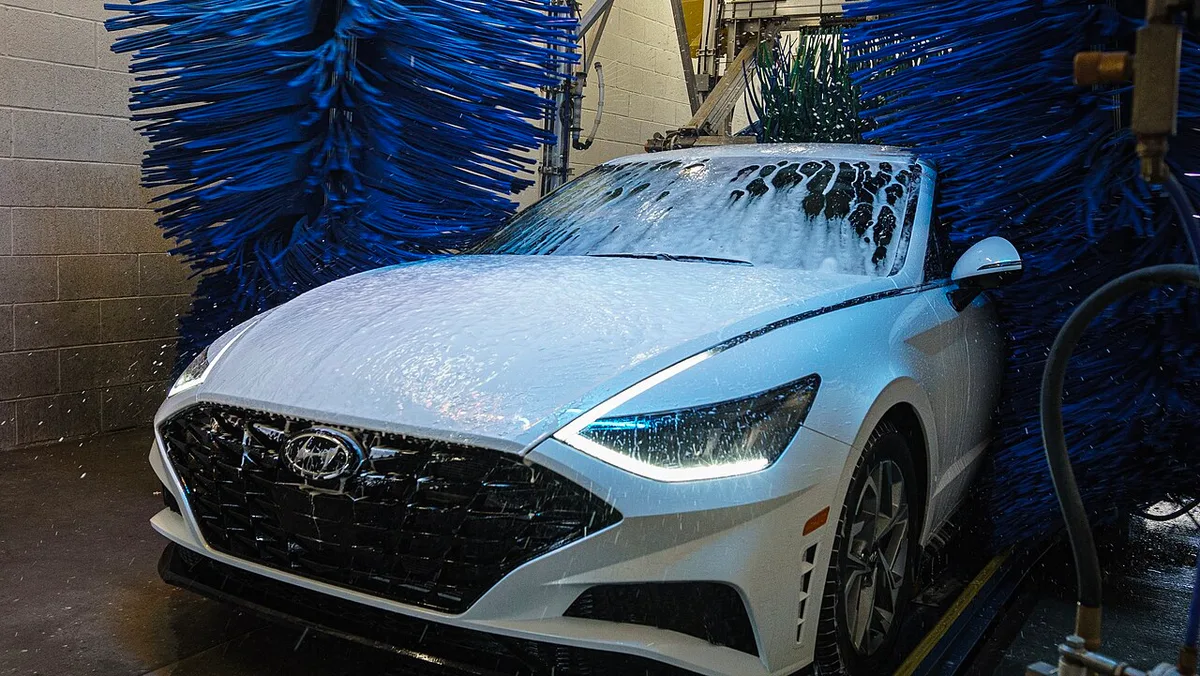
Automatic car wash brushes are fast but come with trade-offs. They use rotating nylon or foam brushes that can pick up debris from previous cars. Studies from the International Carwash Association show that these systems can cause micro-scratches over repeated uses.
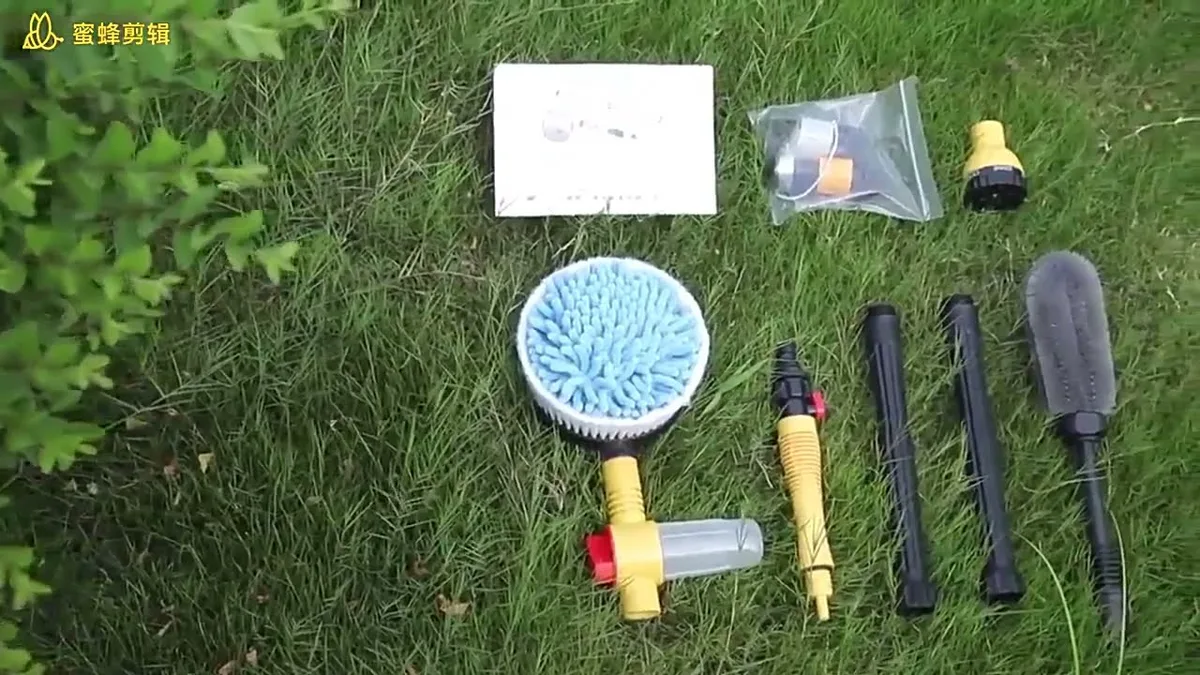
Handheld brushes give you control over pressure and technique. You can rinse them between passes and target specific areas. The downside is they require more effort and proper maintenance to stay effective.
Best Brushes for Different Car Finishes
Bing (Web (fair-use with source credit))
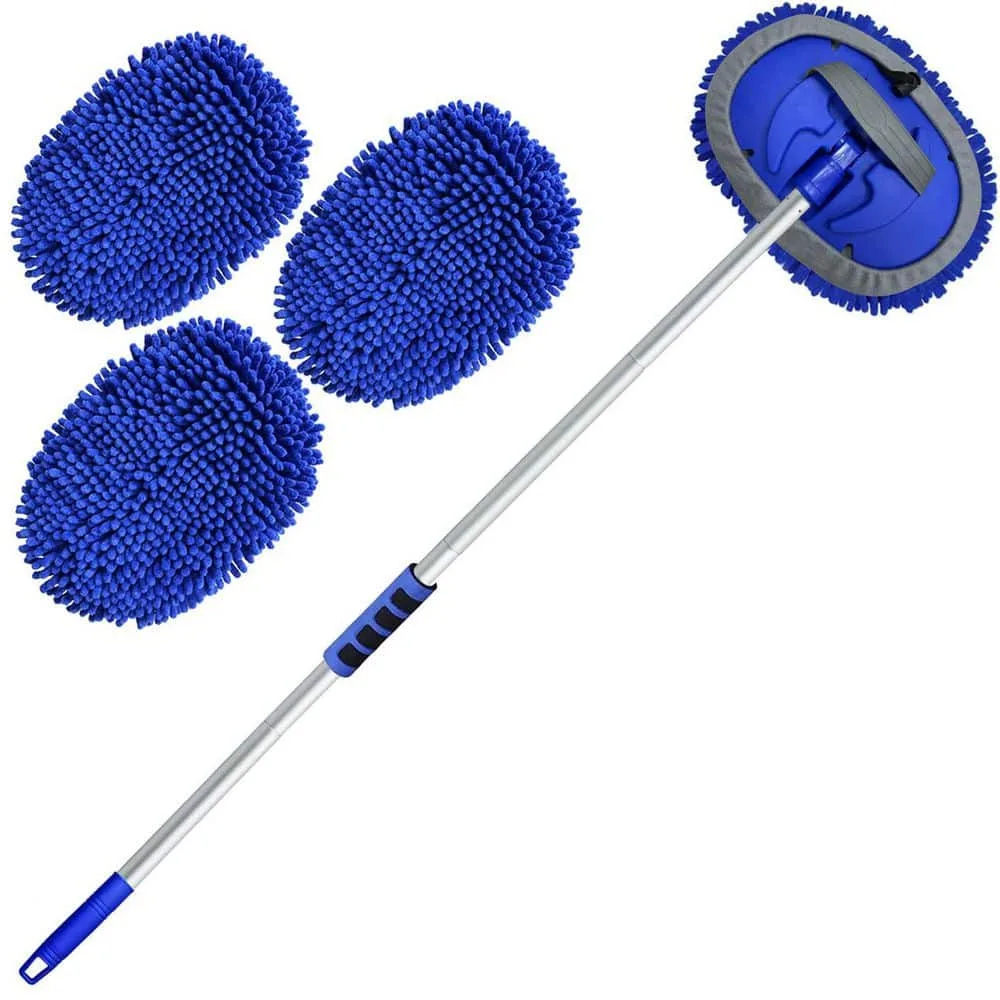
Clear coat finishes need the gentlest touch. A chenille microfiber brush is the safest choice here. Its dense fibers hold water and soap while minimizing contact with the paint.
For matte or satin finishes, avoid any brush with stiff bristles. These surfaces show scratches more obviously. A soft foam brush works well if you rinse it frequently.
Ceramic-coated cars can handle slightly firmer brushes but still require care. Manufacturer guidelines often recommend microfiber or foam to preserve the coating’s lifespan. Vinyl wraps are the most delicate and should only be cleaned with a plush microfiber mitt or the softest brush available.
How to Use a Brush Without Damaging Your Paint
Start with a thorough pre-rinse to remove loose dirt. This prevents the brush from grinding debris into the paint. Use the two-bucket method: one for soap, one for rinsing the brush.
Work in straight lines, not circles, to avoid creating swirl marks. Apply light pressure and let the soap do the work. Rinse the brush often to keep it free of grit.
Always wash from the top down. This way, dirt from lower panels doesn’t get dragged upward. Dry the car immediately after washing to prevent water spots.
Common Mistakes That Scratch Your Car
Bing (Web (fair-use with source credit))
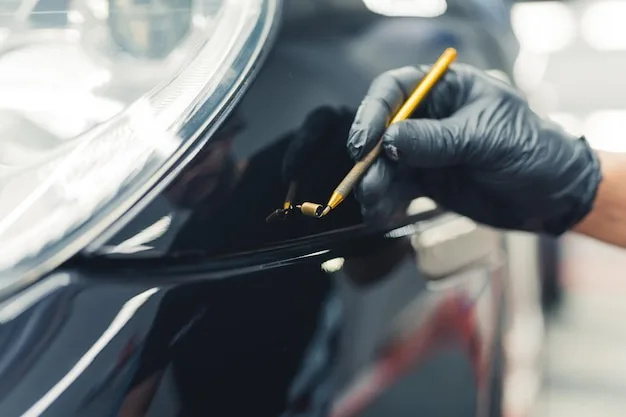
Using a dirty brush is the top cause of scratches. Even a soft brush can trap grit and drag it across the surface. Always rinse it before touching the car.
Pressing too hard doesn’t clean better. It just increases the risk of damaging the clear coat. Let the brush glide with minimal pressure.
Skipping the pre-wash is another common error. A quick rinse removes the bulk of loose dirt before you start scrubbing. Without it, you’re just rubbing dirt into the paint.
When to Skip the Brush Entirely
Some situations call for a brush-free approach. If your car has a fresh ceramic coating, a touchless wash is safer for the first few weeks. The coating needs time to cure fully.
For heavily soiled vehicles, a pressure washer with a foam cannon can lift dirt without contact. This method is ideal for off-road vehicles or those covered in mud.
Delicate surfaces like chrome trim or plastic emblems can scratch easily. A microfiber cloth is often a better choice for these areas. If you’re unsure, test the brush on a small, hidden area first.
Final Verdict: Should You Use a Brush or Not?
A brush can be safe if it’s the right type and you follow proper technique. Soft microfiber or foam brushes are the best options for most cars. Automatic car wash brushes are convenient but carry higher risks.
The safest approach is to hand wash with a clean, soft brush and good technique. If you’re short on time, a touchless wash is the next best thing. Avoid stiff brushes and always prioritize paint protection over speed.