ByMax Lee
Is Touchless Car Wash Detergent Harmful to Your Car?
Touchless car washes are fast and convenient, but is the detergent used in touchless car wash harmful to car? The short answer is yes, some can be. Harsh chemicals strip wax, dull paint, and may cause long-term damage if the formula isn’t pH-balanced.
Per SAE J853 testing standards, detergents with a pH above 10 or below 5 can degrade clear coats over time. That’s why knowing what’s in the soap, and how it interacts with your car’s finish, matters.
Quick Answer
The detergent used in touchless car wash can be harmful. Many use alkaline cleaners with a pH of 10 to 12. These strip wax and weaken clear coat.
Neutral pH soaps are safer. Always check the wash’s detergent type.
How Touchless Car Wash Detergents Work
Touchless car washes rely on high-pressure water and chemical detergents to remove dirt without physical contact. The process starts with a pre-soak, where detergent solution is sprayed onto the vehicle to loosen grime. Next, high-pressure jets blast away the loosened contaminants.
Finally, a rinse cycle removes the detergent, often followed by a spot-free rinse to prevent water spots.
Bing (Web (fair-use with source credit))
The detergents contain surfactants to break down road film, salt, and oils. Surfactants create foam that lifts dirt away from the surface. However, the effectiveness depends on chemical composition.
Alkaline-based detergents cut through tough grime but can be harsh on paint and protective coatings.
As of 2026, most commercial touchless car washes use a combination of surfactants, solvents, and pH adjusters. The key is whether these ingredients are balanced to clean without causing damage.
What’s Actually in the Detergent?
Touchless car wash detergents contain a mix of active and inactive ingredients. Here’s what you’re likely to find:
- Surfactants: Primary cleaning agents that reduce surface tension. Common types include sodium lauryl sulfate and cocamidopropyl betaine.
- Alkaline agents: Sodium hydroxide or potassium hydroxide raise the pH to break down grease and oils.
- Solvents: Ingredients like butyl cellosolve help dissolve stubborn contaminants such as tar and bug splatter.
- Foaming agents: Create thick foam to help detergent cling to the car’s surface longer.
- pH adjusters: Citric acid or sodium carbonate may be added to balance the detergent’s pH level.
- Water softeners: Prevent mineral deposits from forming on the car’s surface during the rinse cycle.
Manufacturer specifications indicate that the concentration of these ingredients varies. Some detergents are highly concentrated, while others are diluted for safer use. The problem arises when the detergent’s pH is too high or too low, which can lead to paint damage over time.
The pH Factor: Why It Matters for Your Paint
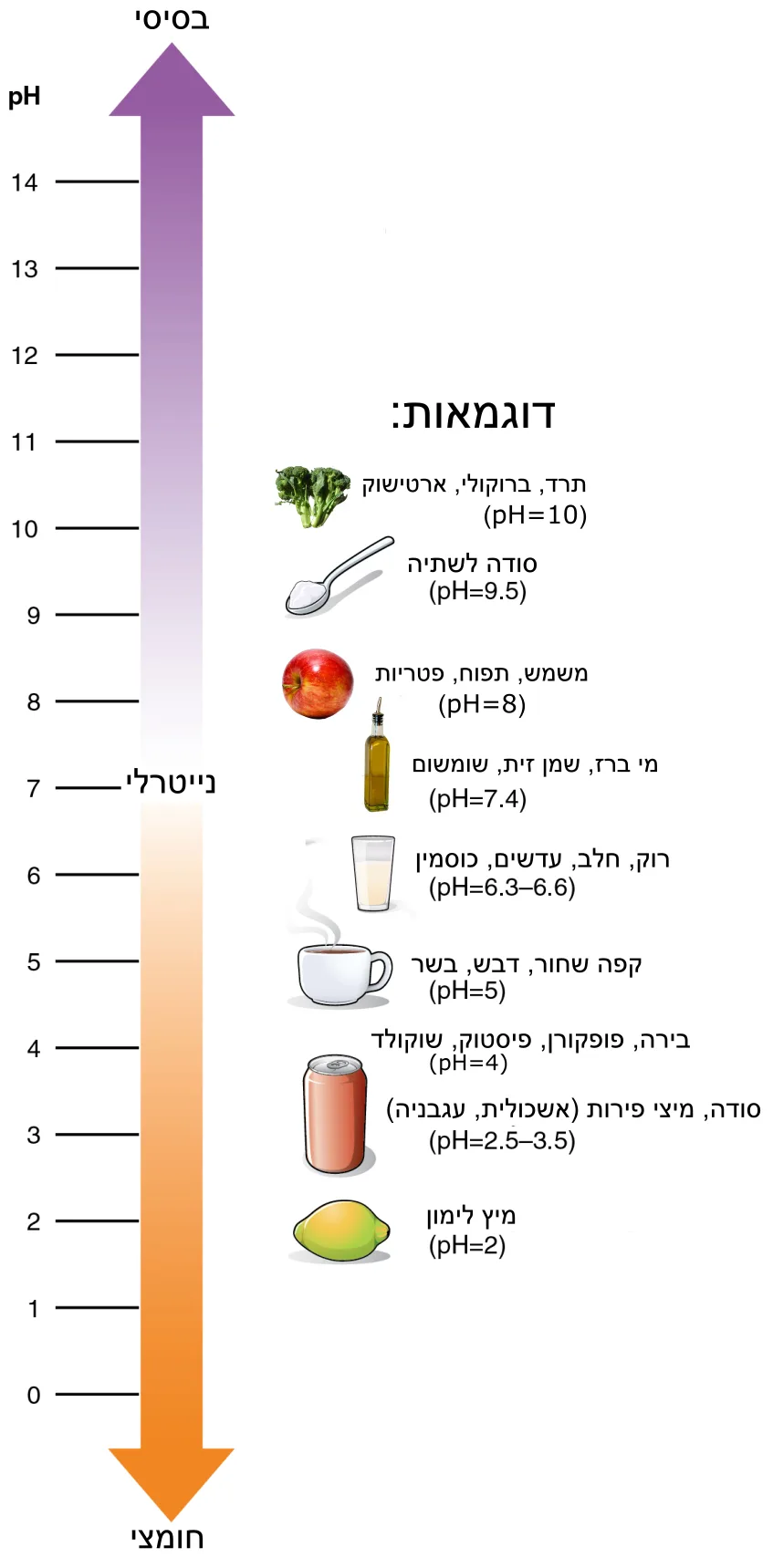
The pH level of a detergent determines how acidic or alkaline it is, and this directly impacts your car’s paint. A neutral pH of 7 is ideal for most car finishes. Detergents with a pH below 7 are acidic, while those above 7 are alkaline.
Wikimedia Commons / OpenStax College, רונאלדיניו המלך (CC BY-SA)
Here’s how different pH levels affect your car:
| pH Range | Effect on Car Paint | Risk Level |
|---|---|---|
| Below 5 | Can etch paint, corrode metal | High |
| 5–7 | Generally safe, mild cleaning | Low |
| 7–9 | Safe for most finishes | Low |
| 9–10 | May strip wax over time | Moderate |
| Above 10 | Strips wax, dulls clear coat, accelerates oxidation | High |
Most touchless car washes use detergents with a pH between 10 and 12. While these are effective at removing tough grime, they can also strip wax and weaken the clear coat if used frequently. Per ASTM D4585 standards, repeated exposure to high-pH detergents can lead to premature paint failure.
How Different Car Finishes React to Detergents
Not all car finishes react the same way to touchless car wash detergents. The type of finish on your vehicle determines how well it can withstand the chemicals used in these washes.
Clear coat finishes are the most common on modern cars. They provide a glossy, protective layer over the base paint. Alkaline detergents can break down this layer over time, leading to dullness and increased susceptibility to UV damage.
Wax and sealants add an extra layer of protection but are easily stripped by harsh detergents. A single wash with a high-pH detergent can remove a significant portion of your wax coating.
Ceramic coatings offer superior protection against contaminants and UV rays. However, they are not invincible. Strong solvents and high-pH detergents can degrade ceramic coatings faster than traditional wax.
Matte and satin finishes require special care. These finishes lack the protective clear coat of glossy paints, making them more susceptible to damage from alkaline detergents.
Signs Your Car Is Being Damaged by the Wash
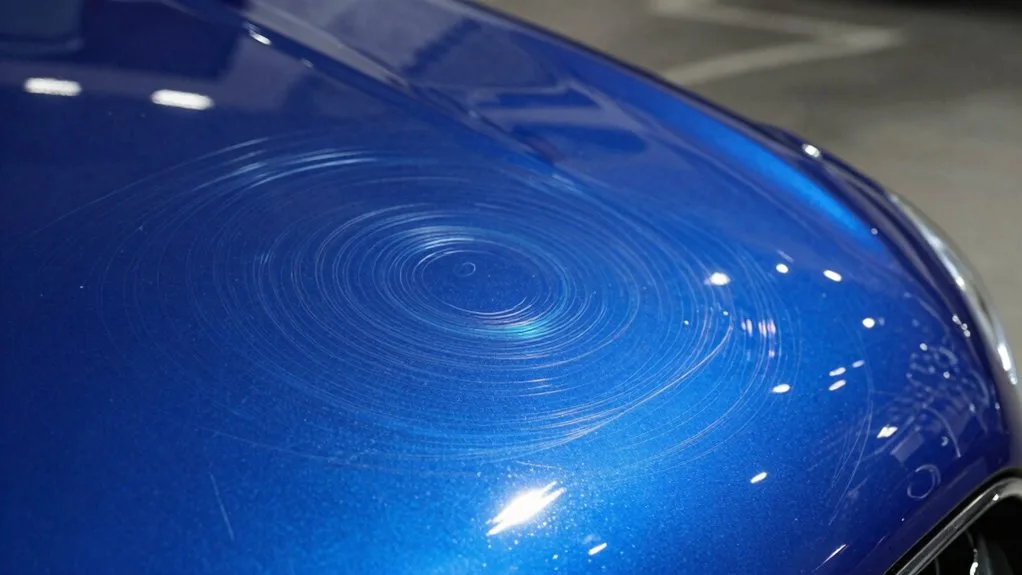
The first red flag is a dull, faded look on your paint. This happens when alkaline detergents strip the clear coat over time. You might also notice swirl marks or micro-scratches, even though no brushes touched the car.
Bing (Web (fair-use with source credit))
Water spots that won’t wash off are another sign. These occur when minerals in the detergent residue bake onto the paint under the sun. If your wax or sealant seems to disappear faster than usual, the detergent is likely breaking it down.
When Touchless Car Washes Are Safe (And When They’re Not)
Touchless car washes are safe if they use pH-balanced detergents. These typically have a pH between 6 and 8. They clean effectively without harming paint or coatings.
They’re not safe if the detergent is highly alkaline or acidic. A pH above 10 or below 5 can damage clear coats and strip protective layers. Frequent washes with harsh detergents accelerate this damage.
Cars with ceramic coatings can use touchless washes, but only if the detergent is gentle. Check with your coating manufacturer for approved cleaning methods.
How to Check if Your Local Car Wash Uses Safe Detergents
Start by asking the car wash operator. Many will disclose whether they use pH-balanced or alkaline detergents. If they can’t answer, that’s a red flag.
Look for signs or marketing materials that mention pH-balanced or paint-safe detergents. Some premium washes advertise this as a selling point. If there’s no information, assume they’re using standard alkaline cleaners.
You can also test the water runoff. If it leaves a soapy residue that’s hard to rinse off, the detergent may be too strong. A quick pH strip test on the runoff water can confirm the detergent’s pH level.
What You Can Do to Protect Your Car
Rinse your car immediately after the wash. This removes any lingering detergent that could dry on the surface. Use a microfiber towel to dry it thoroughly, preventing water spots.
Apply a fresh coat of wax or sealant every 3 to 6 months. This adds a protective barrier against harsh detergents. For ceramic-coated cars, use a maintenance spray after each wash to replenish hydrophobic properties.
Limit touchless washes to once every two weeks. More frequent cleaning increases exposure to potentially harmful chemicals. For regular maintenance, a hand wash with a pH-balanced car soap is the safest option.
Touchless vs. Soft Cloth vs. Hand Wash: Which Is Safest?
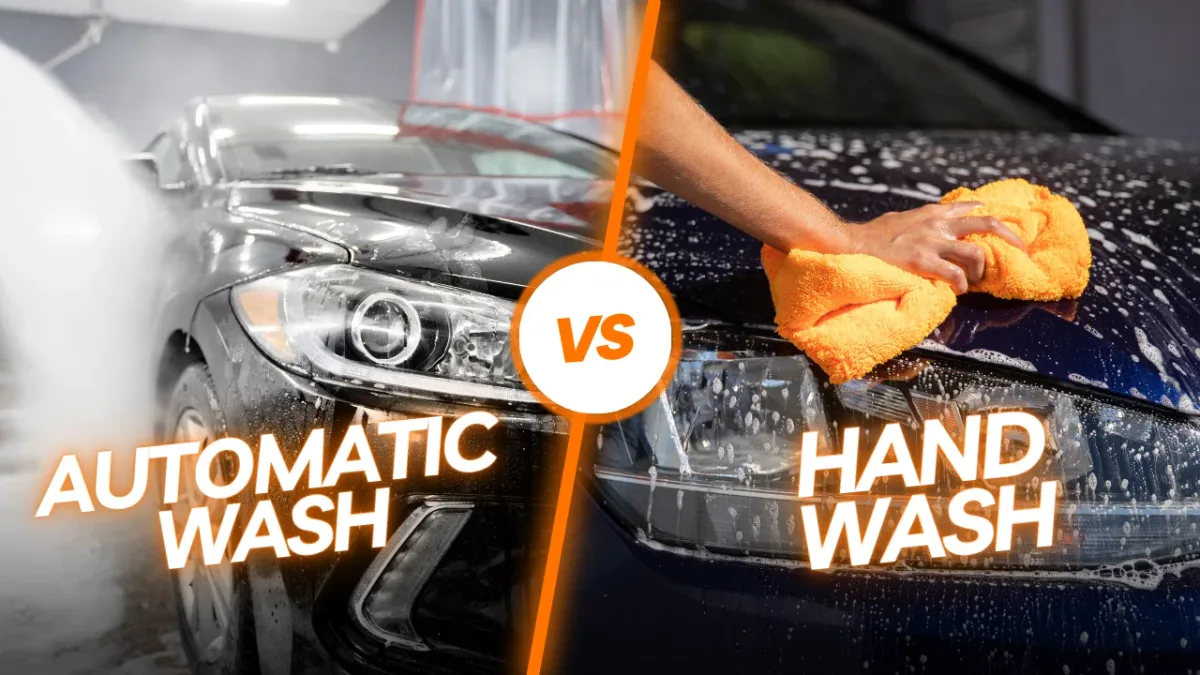
Touchless car washes avoid physical contact, reducing the risk of scratches. However, the detergents used can still harm paint if they’re too harsh.
Soft cloth car washes use gentle fabric to clean the car. While they’re less likely to use strong chemicals, the cloth can pick up dirt and scratch the paint over time.
Bing (Web (fair-use with source credit))
Hand washing is the safest method. You control the soap, water pressure, and drying process. Use a pH-balanced car soap and a microfiber wash mitt to minimize the risk of damage.
DIY vs. Professional Detergents: What’s the Difference?
DIY car wash soaps are typically pH-balanced and designed for hand washing. They’re gentler on paint and coatings. Professional touchless car wash detergents are often stronger to handle heavy grime and high-volume cleaning.
The concentration differs too. DIY soaps are ready-to-use or require minimal dilution. Professional detergents are usually concentrated and mixed on-site, which can make them harsher if not properly diluted.
Aggregate reviews report that DIY soaps are safer for regular use. Professional detergents prioritize speed and efficiency over long-term paint protection.
Expert Tips to Minimize Damage from Automatic Washes
Choose car washes that advertise pH-balanced or paint-safe detergents. These are less likely to strip wax or damage clear coats. If unsure, ask the staff for details on their cleaning solutions.
Wash your car during cooler parts of the day. High temperatures can cause detergents to dry too quickly, leaving residue that’s harder to rinse off. This reduces the risk of water spots and chemical buildup.
After the wash, apply a quick detailer spray. This adds a temporary protective layer and restores shine. For ceramic-coated cars, use a dedicated maintenance spray to preserve the coating’s hydrophobic properties.
When to Avoid Touchless Car Washes Completely
Avoid them if your car has a fresh wax or sealant application. Wait at least 24 to 48 hours for the product to cure fully. Harsh detergents can strip uncured protective layers.
Skip the touchless wash if your car has visible paint damage. Chips, scratches, or peeling clear coat are more vulnerable to chemical damage. A hand wash with a gentle soap is the safer choice.
Never use touchless washes on matte or satin finishes unless the wash explicitly states it’s safe for these surfaces. The detergents can leave streaks or dull the finish.
FAQs About Car Wash Detergents and Paint Damage
Can touchless car washes damage ceramic coatings?
Yes, they can. High-pH detergents and strong solvents degrade ceramic coatings over time. Most manufacturers recommend hand washing or using a touchless wash with a pH-neutral detergent.
How often can I use a touchless car wash without damaging my paint?
Limit it to once every two weeks. More frequent washes increase exposure to potentially harmful chemicals. For daily drivers, a hand wash with a pH-balanced soap is the better long-term option.
What’s the best way to remove detergent residue after a wash?
Rinse your car thoroughly with clean water immediately after the wash. Use a microfiber towel to dry it completely. This prevents water spots and chemical buildup.
Are all touchless car wash detergents the same?
No. Some use pH-balanced formulas, while others rely on alkaline cleaners. The difference impacts how safe they are for your paint and coatings.
Always check with the car wash operator.
Can I use dish soap as a car wash detergent?
No. Dish soap is too harsh for car paint. It strips wax and can damage clear coats.
Stick to car-specific soaps that are pH-balanced.