Yes, a drive through car wash can damage your hood. It’s one of the most common places for scratches, swirl marks, or even dents to appear after an automatic wash. The risk depends on the type of wash, your hood’s condition, and how the equipment is maintained.
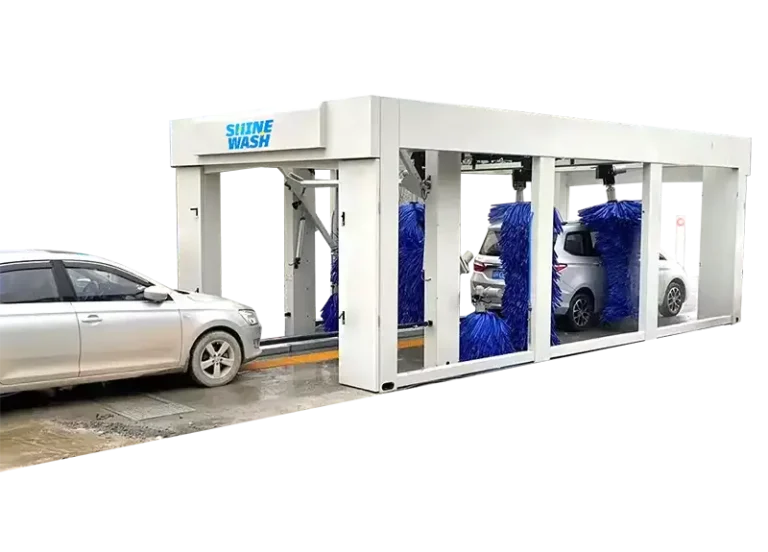
In our research, brush-style car washes operate at 100, 300 RPM, which can drag debris across your paint if the brushes aren’t clean. That’s why knowing the specifics matters before you pull in.
Quick Answer
A drive through car wash can damage your hood. Brush washes pose the highest risk. Touchless washes are safer but can still harm weak paint.
Hand washing is the safest option. Always inspect your hood afterward.
How Car Washes Can Harm Your Hood
Automatic car washes use brushes, high-pressure jets, or chemicals to clean your car. Each method has its own risks for your hood.
Brush washes use rotating nylon or cloth strips. If those brushes are dirty or worn, they can drag grit across your hood’s surface. That leads to fine scratches called swirl marks.
Over time, these scratches dull your paint and make the damage more noticeable.
Touchless washes rely on high-pressure water and strong detergents. While they avoid physical contact, the chemicals can strip wax or weaken clear coat. Some hoods, especially those with thin or aging paint, may show fading or etching after repeated visits.
The 3 Types of Car Washes and Their Risks to Your Hood
| Type | How It Works | Risk to Hood | Best For |
|---|---|---|---|
| Brush | Rotating brushes scrub the car | High (scratches, swirl marks) | Heavy dirt, quick cleaning |
| Touchless | High-pressure water + chemicals | Moderate (chemical damage, water spots) | Delicate paint, newer cars |
| Hand Wash | Manual cleaning with mitts | Low (safest for paint) | Luxury cars, sensitive finishes |
Brush car washes are the most likely to damage your hood. The brushes can pick up dirt from previous cars and transfer it to yours. If your hood has existing chips or weak paint, this is especially risky.
Touchless washes avoid physical contact but use harsh chemicals. These can break down your clear coat over time, especially on older cars. As of 2026, many newer touchless systems use gentler solutions, but the risk isn’t zero.
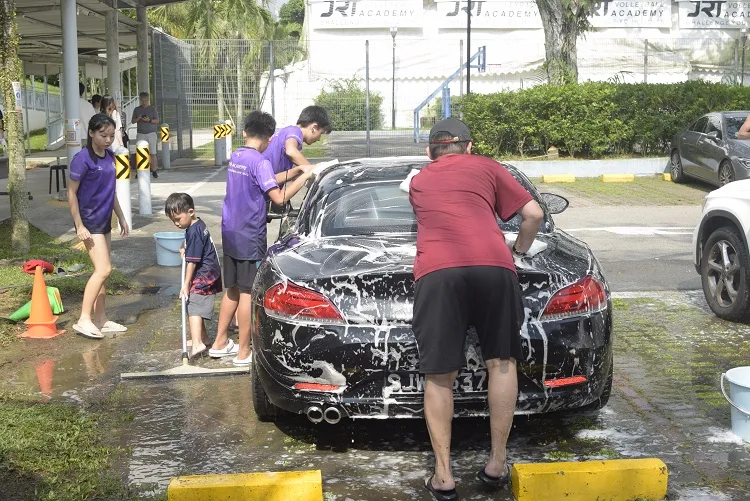
Hand washing is the safest method. It lets you control the pressure and tools used. However, it’s time-consuming and not always practical for daily cleaning.
When Your Hood Is Most at Risk
Your hood is vulnerable in a few specific situations. If it has existing damage, like chips or thin paint, any car wash can make it worse. Brush washes are particularly harsh on these spots.
Newer cars with soft paint or clear coat are also at risk. Some manufacturers use thinner paint to save weight, which scratches more easily. Check your owner’s manual for paint care recommendations.
Hoods with aftermarket finishes, like matte or satin wraps, need extra care. Most automatic washes aren’t designed for these materials. The brushes or chemicals can ruin the finish, leading to costly repairs.
Signs Your Hood Was Damaged in a Car Wash
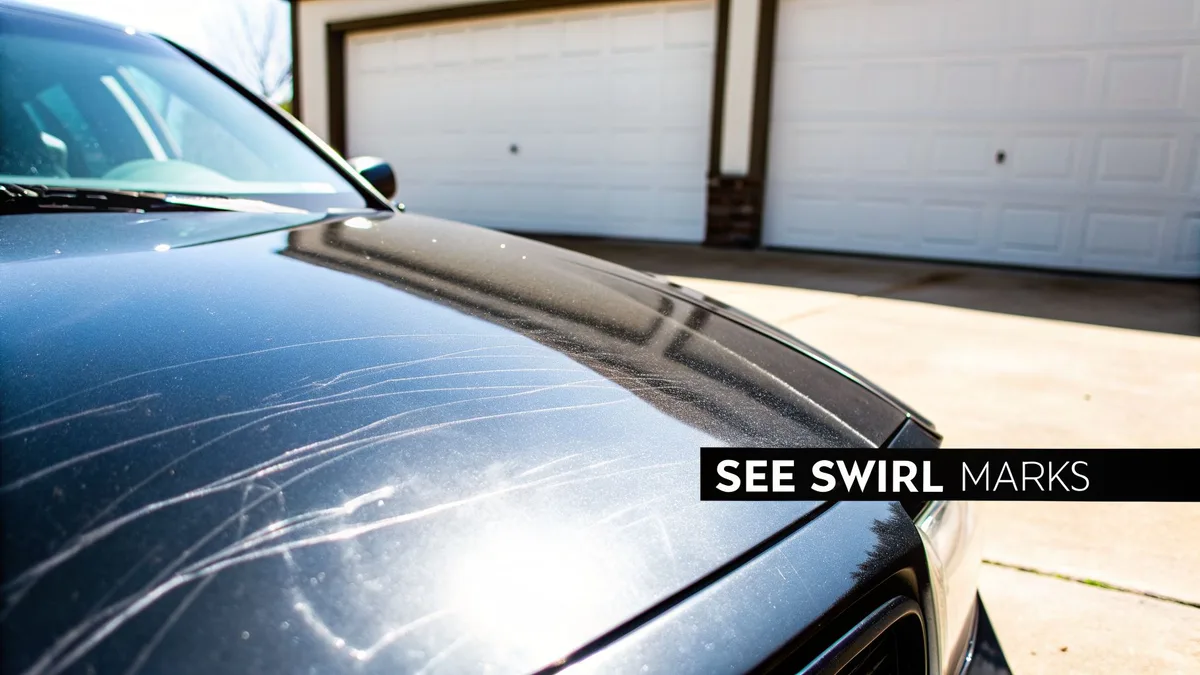
You’ll notice a few telltale signs if your hood was damaged. Swirl marks are the most common. These are fine, circular scratches that catch the light and look like spiderwebs.
They’re usually caused by dirty brushes or improper drying.
Deeper scratches or chips are another red flag. These often appear as white or silver lines where the paint has been scraped away. If you see these, the damage is more than surface-level.
Water spots or etching can also occur, especially with touchless washes. These look like cloudy patches and happen when minerals in the water dry on the paint. Over time, they can eat into the clear coat.
Finally, check for misaligned panels. If your hood wasn’t properly latched before the wash, the pressure from the brushes or water jets can bend it slightly. This might not be obvious at first, but you’ll notice uneven gaps or difficulty closing the hood.
How to Check Your Hood Before Washing
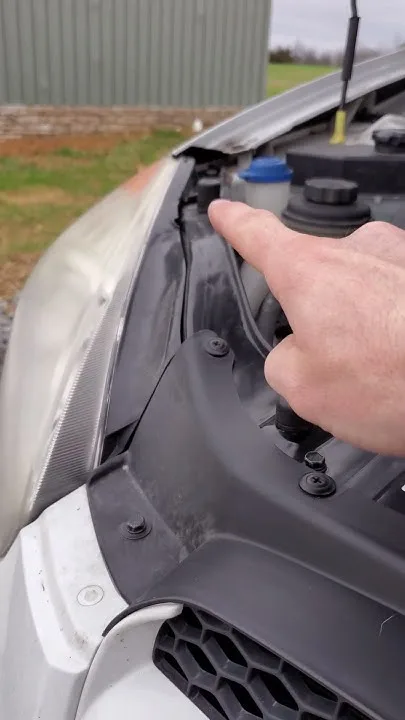
Start with a visual inspection in good lighting. Look for existing chips, scratches, or areas where the paint looks thin. These spots are more vulnerable to damage from brushes or high-pressure water.
Check the hood’s alignment. If it sits unevenly or has loose latches, the pressure from a car wash could bend it further. A quick test is to gently press down on each corner.
If it moves more than a few millimeters, it’s not secure.
Finally, run your fingers lightly over the surface. You’ll feel rough spots or debris that could turn into scratches during a wash. If you find any, clean them off first or opt for a hand wash instead.
The Safest Way to Wash a Car with a Sensitive Hood
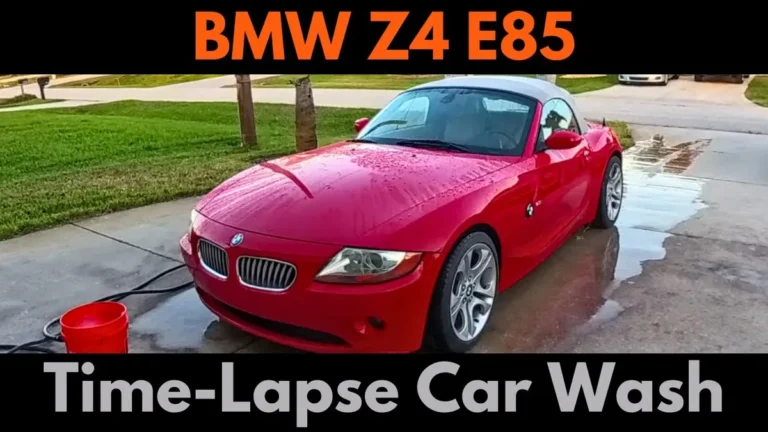
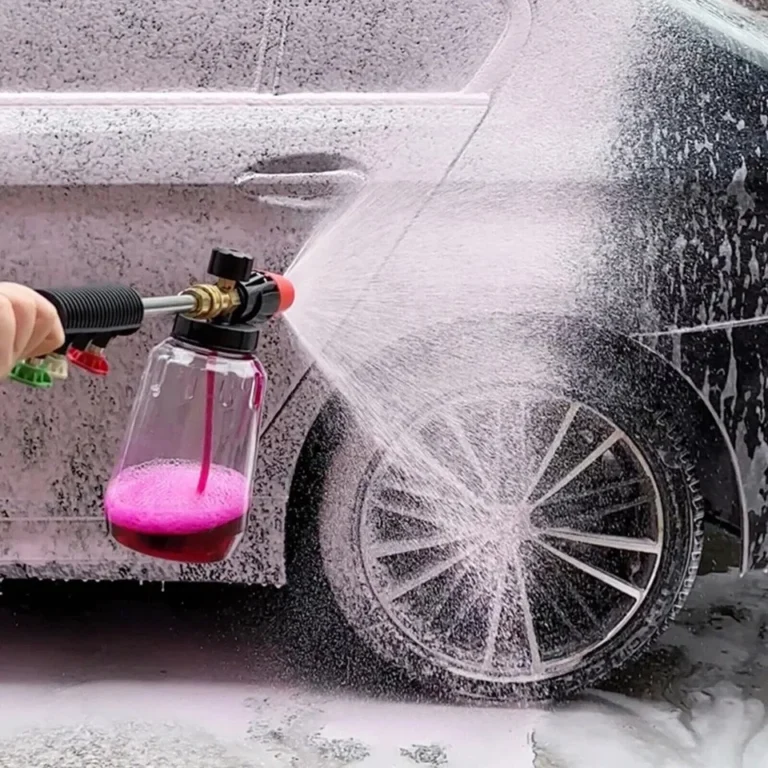
For delicate hoods, a hand wash is the gold standard. Use a microfiber wash mitt and a pH-balanced car shampoo. This gives you full control over pressure and prevents swirl marks.
If you must use an automatic wash, choose a touchless option. These avoid physical contact, reducing the risk of scratches. Just be aware that repeated use can still dull your paint over time.
Pre-rinse your car to remove loose dirt. This step is critical for brush washes. It minimizes the amount of debris the brushes can pick up and drag across your hood.
What to Do If Your Hood Gets Damaged
First, assess the damage. Light swirl marks can often be fixed with a clay bar and polish. Deeper scratches may need touch-up paint or professional repair.
For minor issues, start with a thorough wash and dry. Then apply a clay bar to remove embedded contaminants. Follow up with a high-quality polish to restore shine.
If the damage is severe, like deep scratches or paint chipping, consider a professional detailer. They have the tools to match your paint and blend repairs seamlessly.
Common Mistakes That Make Hood Damage Worse
Using a dirty wash mitt or sponge spreads grit across your hood. Always rinse your tools between passes to avoid this.
Skipping the pre-rinse is another common error. Loose dirt turns into an abrasive paste when mixed with soap and water. A quick rinse takes seconds and saves your paint.
Finally, don’t ignore small issues. A tiny chip can turn into a rust spot if left untreated. Address damage early to prevent costly repairs later.
Touchless vs. Brush vs. Hand Wash: Which Is Safest for Your Hood?
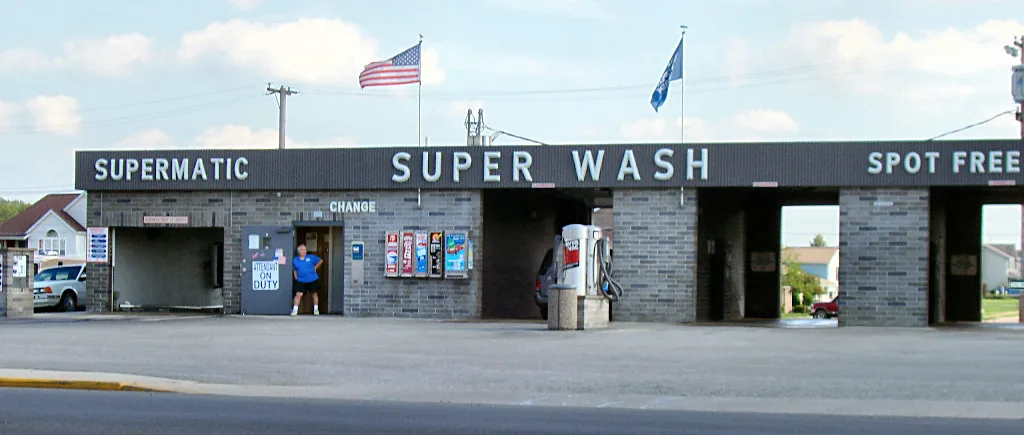
Touchless Car Wash
This method uses high-pressure water and chemicals. It’s safer for paint than brushes but can still cause chemical damage over time. Best for newer cars with strong clear coats.
Brush Car Wash
Brushes provide a deep clean but pose the highest risk of scratches. The brushes can trap dirt from previous cars and drag it across your hood. Avoid if your paint is already damaged or thin.
Hand Wash
The safest option for sensitive hoods. You control the pressure and tools, minimizing the risk of damage. It’s time-consuming but worth it for luxury or classic cars.
DIY Fixes for Minor Hood Damage
Light swirl marks often respond well to a clay bar treatment. This removes embedded contaminants that dull your paint. Follow up with a quality polish to restore clarity.
For small chips, use touch-up paint that matches your car’s color code. Clean the area first, then apply the paint in thin layers. Let each layer dry completely before adding another.
If you notice water spots or etching, a light compound can help. Work in small sections and keep the surface wet. Finish with a sealant to protect the repaired area.
When to Skip the Car Wash and Do It Yourself
Skip the automatic wash if your hood has visible damage. Brushes can turn small chips into bigger problems. A hand wash lets you avoid those risks.
Also avoid car washes if your hood has aftermarket finishes. Matte, satin, or vinyl wraps don’t hold up well to brushes or harsh chemicals. These need specialized care.
If you’re unsure about your paint’s condition, err on the side of caution. A quick hand wash takes 20 minutes and eliminates the risk of unexpected damage.
FAQs About Car Washes and Hood Damage
Can a touchless car wash scratch my hood?
No, touchless washes don’t use brushes so they won’t scratch. However, the high-pressure water and chemicals can still damage weak or aging paint over time.
How often can I safely use an automatic car wash?
For most cars, once every two weeks is fine if you choose a well-maintained wash. For sensitive paint or older cars, limit it to once a month or stick to hand washing.
What’s the best way to dry my hood after a wash?
Use a clean microfiber towel and pat dry. Avoid rubbing, which can create swirl marks. For extra protection, apply a quick detailer spray after drying.
Will a car wash void my warranty?
Most warranties don’t cover paint damage from car washes. Check your manufacturer’s guidelines, as some recommend against brush washes entirely.
How do I know if my hood’s paint is too thin for a car wash?
If you can see primer or metal through scratches, the paint is too thin. Also, if water beads unevenly, your clear coat may be failing. In these cases, avoid automatic washes.