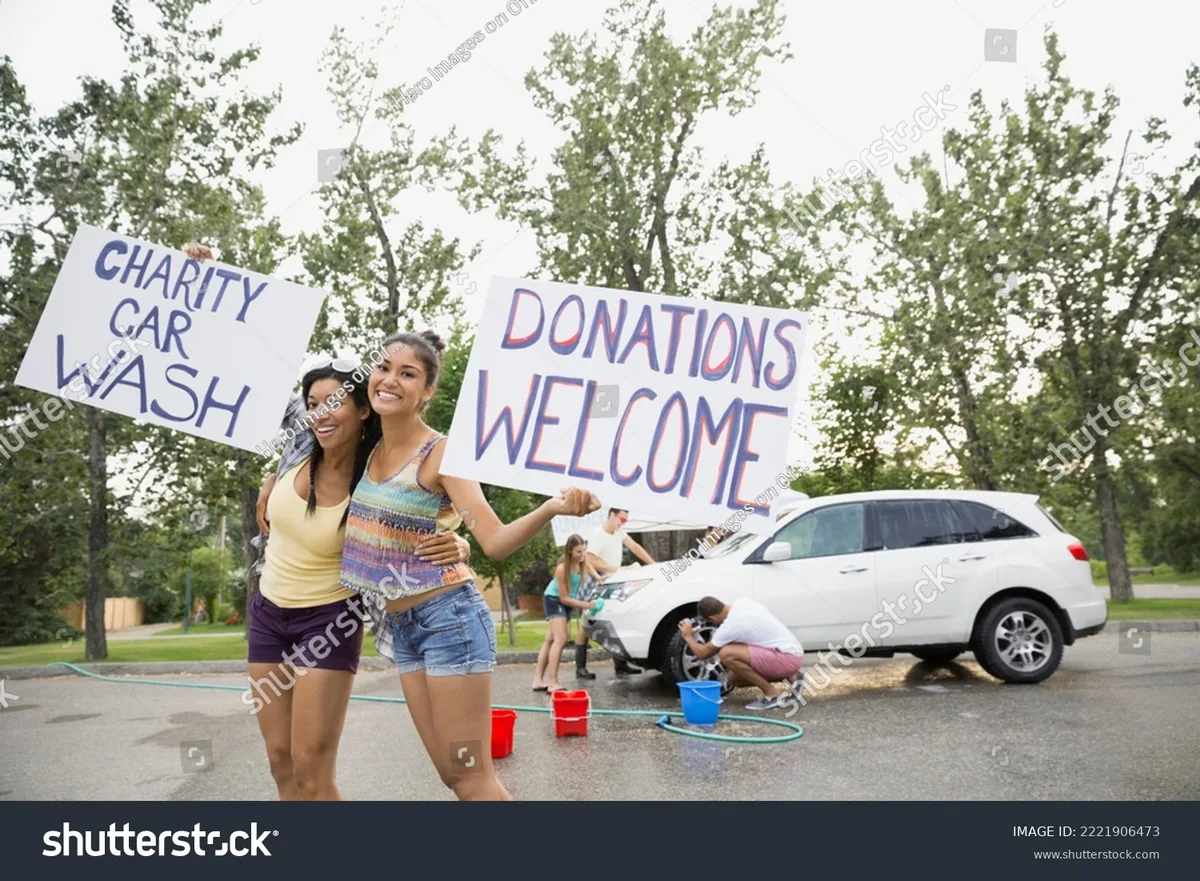
A car wash fundraiser is one of the most effective fund raiser ideas for halfway houses car wash programs. It’s simple, engages the community, and can raise serious money with minimal upfront costs. Halfway houses often struggle with funding for reentry programs, and a well-organized car wash can bring in $1,000, $5,000 in a single weekend.
The key is planning around your location, volunteer capacity, and local support. If you’ve got a high-traffic spot and a team ready to work, this could be your best bet.
Quick Answer
A car wash is a top fund raiser idea for halfway houses. It costs little to start. A single event can raise $1,000 to $5,000.
Success depends on location, volunteers, and marketing. Most supplies run under $300.
Why a Car Wash Fundraiser Works for Halfway Houses
Halfway houses need steady funding to support residents transitioning back into the community. A car wash fundraiser checks all the boxes: low overhead, high visibility, and strong community appeal.
It also gives residents a chance to contribute meaningfully. That builds confidence and shows the neighborhood the positive impact of the program. Plus, it’s a repeatable event, you can run it quarterly or even monthly if demand is strong.
Key Factors That Decide Your Success
Not every car wash fundraiser will thrive. The difference comes down to three things: location, team size, and local buy-in.
Location is the biggest predictor. A spot with heavy foot traffic, like a grocery store parking lot or a busy gas station, can double your earnings. Team size matters too. You’ll need at least 10, 15 volunteers to keep cars moving smoothly.
Finally, local buy-in turns a good event into a great one. Partner with nearby businesses for sponsorships or cross-promotion.
If you’re missing any of these, consider a different fundraiser or adjust your approach.
Step-by-Step: How to Plan a Halfway House Car Wash Fundraiser
Picking the Right Location and Permits
Start by scouting high-traffic areas. Grocery stores, shopping centers, and churches often let nonprofits use their lots for free. Avoid residential neighborhoods, you need visibility.
Check local rules early. Some cities require permits for charity car washes, especially if you’re using public space or blocking traffic. As of 2026, most municipalities also have water runoff regulations, so ask about eco-friendly soap requirements.
A quick call to your city clerk’s office can save you headaches later.
Recruiting and Organizing Volunteers
Halfway house residents can be your core team, but you’ll need backup. Reach out to local high schools, church groups, or service clubs. Aim for at least 10, 15 people to cover all roles: washers, dryers, cashiers, and greeters.
Assign clear roles in advance. A typical setup includes:
- Wash team (3, 4 people with buckets, soap, sponges)
- Rinse team (2 people with hoses)
- Dry team (2, 3 people with towels)
- Cashier (1, 2 people handling payments)
- Greeter (1 person directing traffic and explaining the cause)
Hold a 30-minute training session the day before. Go over safety, customer service, and the workflow so everyone knows their part.
Supplies and Setup Checklist
Keep it simple. You don’t need fancy equipment, just the basics:
| Category | Items Needed | Estimated Cost |
|---|---|---|
| Cleaning | Buckets, sponges, microfiber towels | $50–$100 |
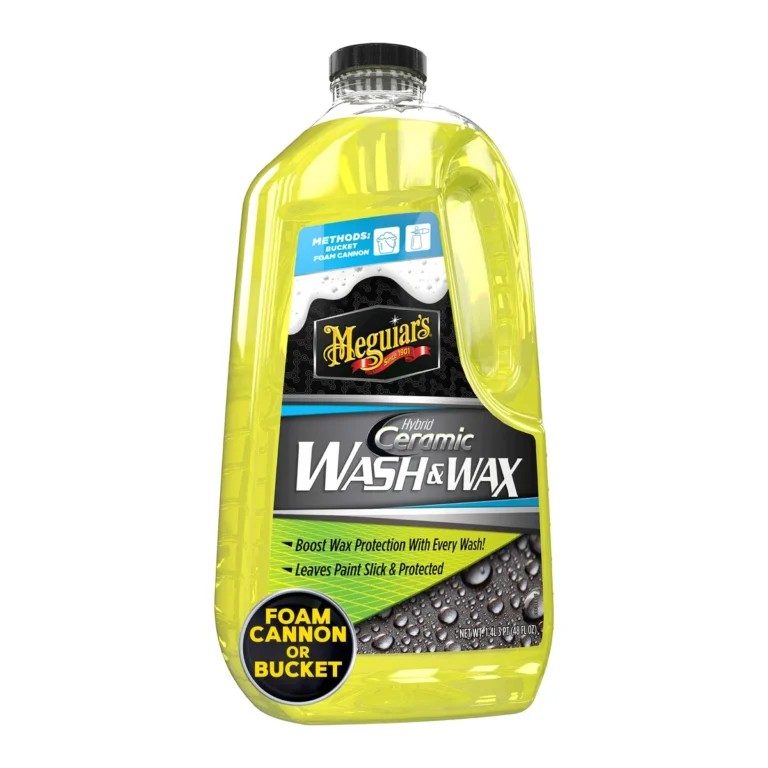
| Soap | Car wash soap (biodegradable preferred) | $20–$50 |
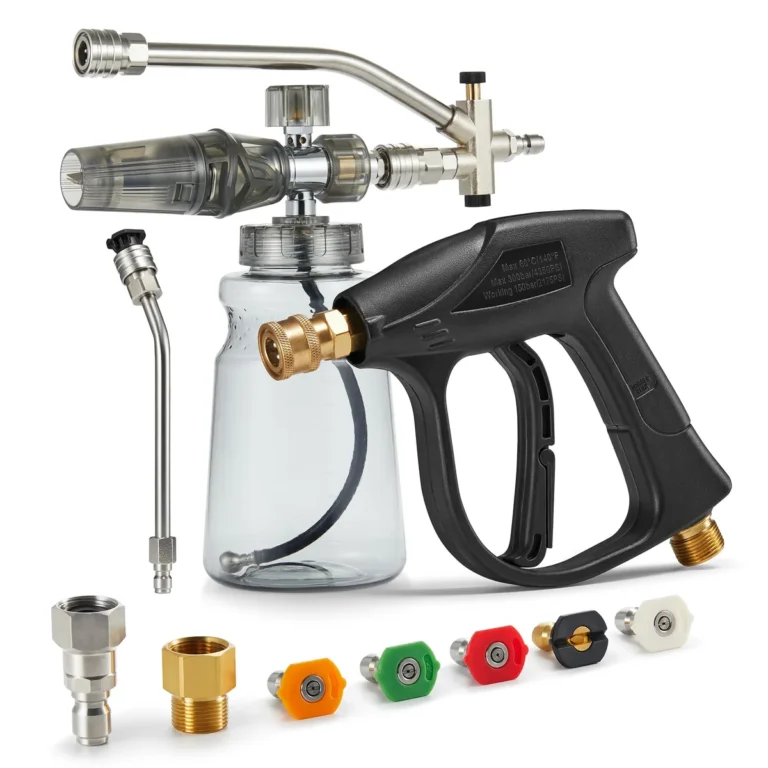
| Water | Hoses, nozzles, access to water source | $0–$50 (if borrowing) |
| Signage | Banners, A-frame signs, pricing boards | $30–$80 |
| Safety | Cones, caution tape, wet floor signs | $20–$40 |
| Extras | Trash bags, first aid kit, sunscreen | $15–$30 |
Pro tip: Ask local businesses to donate supplies in exchange for logo placement on your signs. Many hardware stores and auto shops will chip in if they see the community benefit.
Keep it simple. You don’t need fancy equipment, just the basics:
| Category | Items Needed | Estimated Cost |
|---|---|---|
| Cleaning | Buckets, sponges, microfiber towels | $50–$100 |
| Soap | Car wash soap (biodegradable preferred) | $20–$50 |
| Water | Hoses, nozzles, access to water source | $0–$50 (if borrowing) |
| Signage | Banners, A-frame signs, pricing boards | $30–$80 |
| Safety | Cones, caution tape, wet floor signs | $20–$40 |
| Extras | Trash bags, first aid kit, sunscreen | $15–$30 |
Pro tip: Ask local businesses to donate supplies in exchange for logo placement on your signs. Many hardware stores and auto shops will chip in if they see the community benefit.
Pricing and Donation Strategies
Most charity car washes charge $10, $25 per vehicle. Here’s how to maximize earnings:
- Flat rate: Simple and fast. $15 per car is a sweet spot in most areas.
- Tiered pricing: Offer a basic wash for $10, a premium wash (with wax) for $20, and a detail package for $30.
- Donation-based: Let people pay what they want. This can bring in more from generous donors but may slow down the line.
Accept cash and digital payments. Services like Venmo or Square make it easy to take card payments on a phone. Just be sure to track all donations for your records.
How Much Can You Realistically Raise?
A well-run car wash fundraiser can bring in $1,000, $5,000 in a single day, depending on your setup. Here’s a rough breakdown:
- Small event (20 cars/hour, $15/car, 4 hours): ~$1,200
- Medium event (30 cars/hour, $20/car, 6 hours): ~$3,600
- Large event (40 cars/hour, $25/car, 8 hours): ~$8,000
These numbers assume steady traffic and efficient operations. If you’re in a low-traffic area or short on volunteers, adjust your expectations downward.
Common Mistakes That Tank Fundraisers
The biggest mistake is poor location choice. A quiet side street won’t bring in enough cars, no matter how hard your team works.
Another common issue is understaffing. If you don’t have enough volunteers, lines get long and customers leave. Aim for at least 2, 3 people per station to keep things moving.
Pricing too low hurts your earnings. $5 washes might attract more cars, but you’ll need double the volume to match $10, $15 washes. Test your local market to find the sweet spot.
Safety, Legal, and Compliance Must-Knows

Slip-and-fall risks are real. Wet pavement is a liability, so post clear caution signs and keep walkways dry. Use cones or tape to mark off the work area.
Check your insurance coverage. Most general liability policies for nonprofits cover special events, but confirm with your provider. If volunteers are driving, ensure they’re covered too.
Water runoff can be a legal issue. Some municipalities restrict soap use to prevent contamination. Use biodegradable soap and check local environmental regulations.
Smart Alternatives If a Car Wash Won’t Work
If your location or weather won’t cooperate, try a mobile car wash. Bring the service to customers’ homes or offices. This works well in affluent neighborhoods where people value convenience.
A bake sale is another classic. It’s lower effort but typically raises less money. Pair it with a car wash to double your earnings.
Silent auctions can bring in big donations from local businesses. They require more upfront work but often yield higher profits per donor.
Pro Tips to Maximize Donations and Turn Out
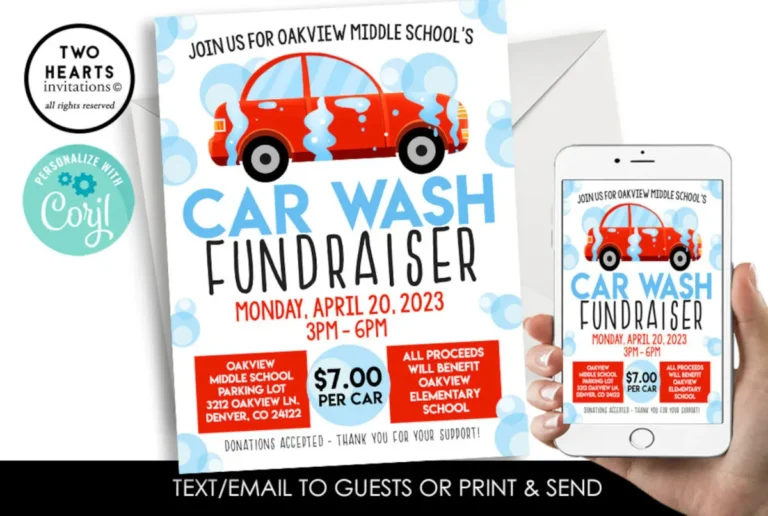
Promote early and often. Use social media, local newspapers, and community bulletin boards. A simple flyer at the grocery store can bring in 20% more customers.
Offer add-ons. Sell bottled water, snacks, or air fresheners for an extra $1, $5 per car. These small upsells add up fast.
Partner with local businesses. Ask for sponsorships in exchange for logo placement. Some may even match your earnings or donate a percentage of their sales that day.
Real-Life Example: A Halfway House Car Wash That Worked
A halfway house in Boise raised $4,200 in one weekend with a car wash fundraiser. They secured a spot at a busy Walmart parking lot and recruited 20 volunteers from the house and local churches.
They charged $20 per car and offered a $30 premium wash with wax. Local businesses donated all the supplies, keeping costs under $200. The event ran from 9 AM to 5 PM on a Saturday, with peak traffic between 11 AM and 2 PM.
Their biggest lesson was marketing. They started promoting three weeks in advance and saw a 30% increase in turnout compared to their first attempt. They also set up a separate tip jar, which added an extra $800 to their total.
Frequently Asked Questions
How many volunteers do I need for a car wash fundraiser?
Aim for 10, 15 volunteers to cover all roles efficiently. You’ll need teams for washing, rinsing, drying, and handling payments. Fewer than 10 can slow down the line and frustrate customers.
What’s the best time of day to hold the event?
Peak hours are typically 10 AM to 3 PM on weekends. This is when most people are running errands and more likely to stop. Avoid early mornings or late afternoons when traffic is lighter.
Do I need a permit for a charity car wash?
It depends on your city. Many require permits for events in public spaces or those blocking traffic. Check with your local municipality at least 2, 3 weeks in advance to avoid last-minute issues.
How can I get businesses to sponsor the event?
Approach local businesses with a clear pitch. Explain how their sponsorship will benefit the community and offer logo placement on signs and promotional materials. Many will donate supplies or a percentage of sales.
What if the weather is bad on the day of the event?
Have a backup plan. Consider rescheduling if heavy rain is forecast. If it’s just light rain, you can still proceed with tarps and extra caution.
Always communicate changes to volunteers and the public early.
How do I handle cash and payments securely?
Assign a dedicated cashier with a lockbox or secure cash bag. Use a simple tracking sheet to log donations. For digital payments, services like Venmo or Square are easy to set up on a phone.