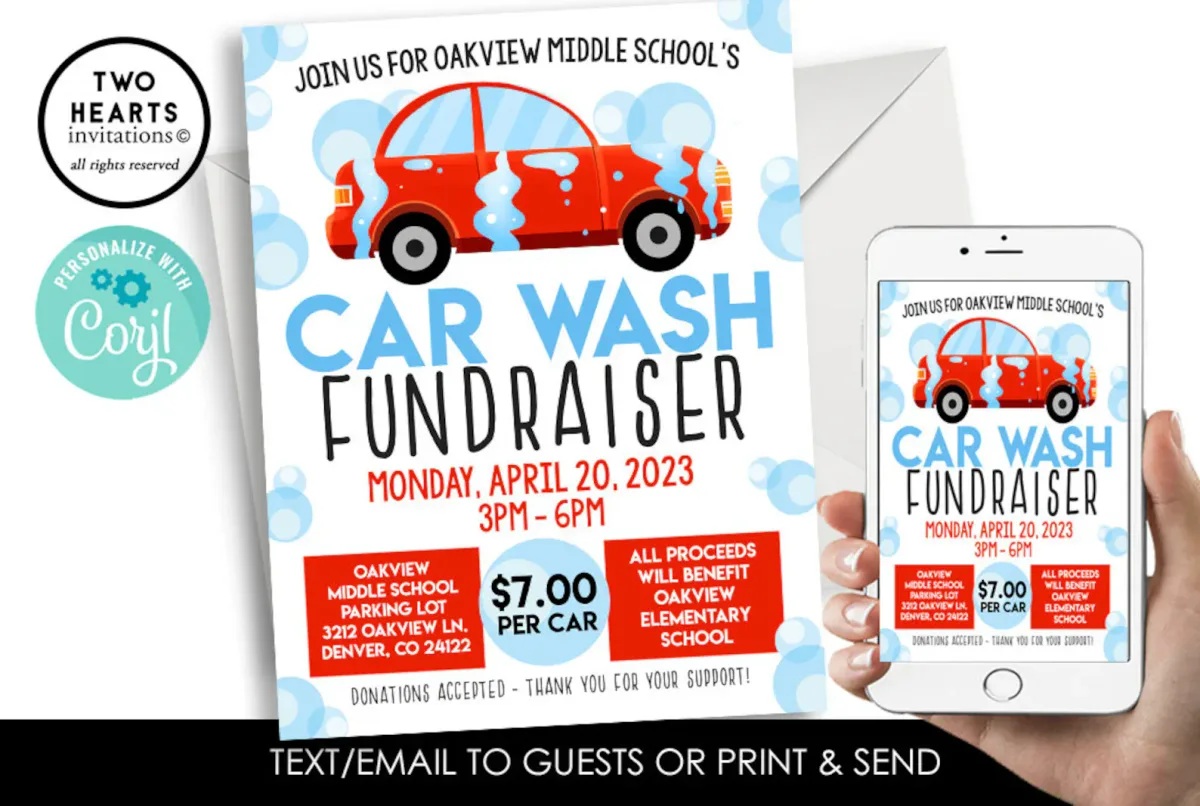
Klassic car wash fundraisers can pull in serious cash for schools, churches, and local causes, if you avoid the common pitfalls. These events thrive on community goodwill and smart planning, but too many groups jump in without mapping the workflow first.
A well-run car wash fundraiser can net $1,000, $3,000 in a single day with the right location and team. The difference between success and a soggy disappointment usually comes down to three decisions: where you set up, how you structure the wash, and whether you’ve covered the legal basics.
Quick Answer
Klassic car wash fundraisers work by charging drivers for a volunteer wash. A team of 6, 8 can clean 50, 100 cars in 4 hours. Profit margins hit 50, 70% with sponsorships and smart pricing.
Most groups clear $500, $2,000 per event.
Why Most Car Wash Fundraisers Fall Short
The biggest mistake is assuming "if we build it, they will come." Without a high-traffic spot, your event becomes invisible. Even with foot traffic, poor flow design creates long lines and frustrated customers.
Weather is the wild card. A single rain forecast can slash turnout by 60%. Groups that don’t have a backup date or indoor option often end up with wet volunteers and empty buckets.
Quick Decision: Is a Classic Car Wash Fundraiser Your Best Bet?
Run the numbers first. If you can secure a location with 200+ passing cars per hour, you’re in good shape. Less than that, and you’ll struggle to break even after supplies.
Consider your team size. With fewer than 5 volunteers, you can’t maintain a steady pace. More than 10, and you risk chaos without clear roles.
The sweet spot is 6, 8 people with defined jobs.
Who Benefits Most from a Community Car Wash Fundraiser
School groups do exceptionally well. Sports teams, bands, and clubs have built-in volunteer pools and eager parent networks. A single Saturday event can fund new uniforms or a competition trip.
Churches and youth organizations also excel. Their congregations provide reliable volunteers and word-of-mouth promotion. Plus, church parking lots often meet size and visibility requirements.
Small nonprofits with local ties see strong results too. Animal shelters, food banks, and community centers can leverage existing donor bases.
Core Workflow: How a Volunteer-Run Car Wash Actually Runs
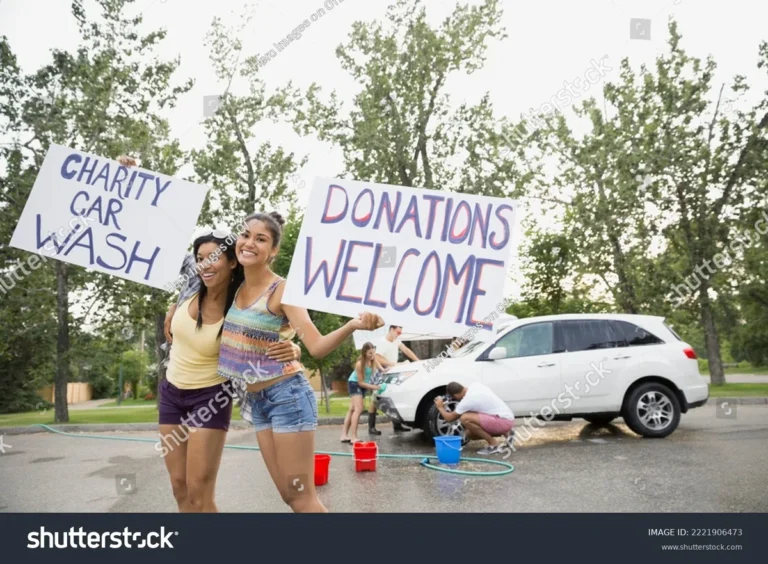
Every successful car wash fundraiser follows the same core loop: attract, wash, collect, repeat. The attract phase starts with eye-catching signs and a visible location. Without this, even the best wash team won’t see many cars.
The wash phase requires a system. Assign roles: one person greets and directs, two handle washing, one dries, and one manages payments. This assembly line approach keeps cars moving and customers happy.
Collection is more than just taking money. Have a clear pricing structure, whether it’s a flat fee or donation-based. Keep change handy and consider digital options like Venmo for convenience.
Track every dollar to avoid discrepancies at the end of the day.
Wrap-up is often overlooked. Clean the area thoroughly, return any borrowed equipment, and thank your volunteers. A quick debrief helps identify what worked and what to improve for next time.
Decision Branch 1: Picking Your Location and Permit Path
Your location dictates your traffic. Gas stations and grocery store parking lots are gold mines because drivers are already stopping. Avoid residential areas where people won’t see your signs.
Check local rules before committing. Some cities require permits for any commercial activity, even fundraisers. Others have water runoff restrictions that could shut you down mid-event.
High-Traffic Lots vs. Private Property
High-traffic lots give you visibility but may charge a fee. Private property like church or school lots is often free but might lack foot traffic. Weigh the trade-offs based on your group’s connections.
When Local Permits and Runoff Rules Apply
Permits are usually needed if you’re using public space or blocking traffic. Water runoff rules kick in if you’re in a drought-prone area. As of 2026, many municipalities enforce these strictly to prevent environmental issues.
Decision Branch 2: Choosing Your Wash Style and Team Size
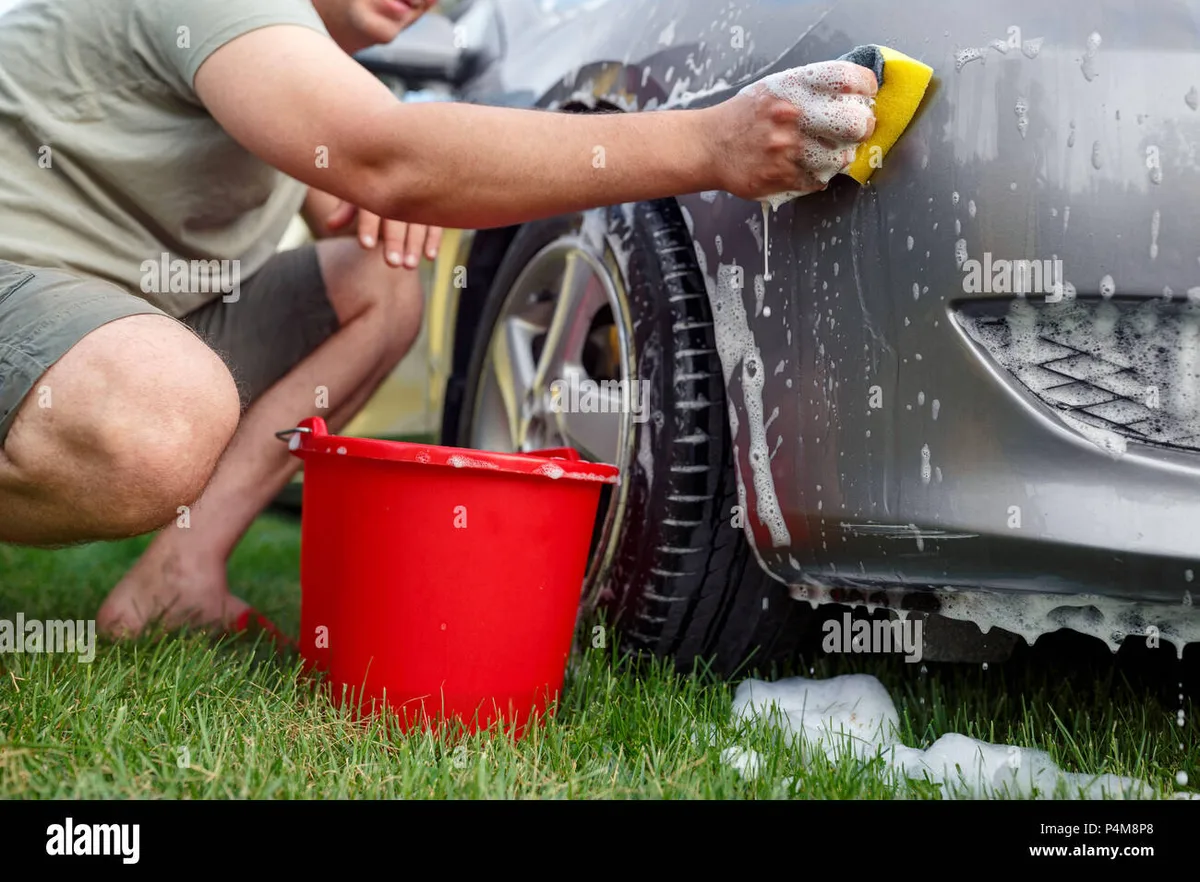
Hand-wash setups offer the best quality but require more labor. Self-serve stations are faster but less profitable per car. Mobile detailing is premium but needs skilled volunteers and more equipment.
Your team size should match your wash style. A hand-wash needs at least 6 people to keep the line moving. Self-serve can work with 4 if you’re efficient.
Hand-Wash vs. Self-Serve vs. Mobile Detail
Hand-wash is best for groups with plenty of volunteers. Self-serve works for smaller teams or tight spaces. Mobile detailing is ideal if you’re targeting higher-end customers willing to pay more.
Decision Branch 3: Pricing Model and Sponsorship Strategy
Flat fees are simple and predictable. Donation-based pricing can increase profits but requires strong signage and volunteer salesmanship. Tiered pricing lets customers choose their level of service.
Sponsorships can cover your costs upfront. Local businesses often donate $100, $500 in exchange for logo placement on your signs. Approach car dealerships, auto parts stores, and restaurants first.
Flat Fee, Donation-Based, or Tiered Upsells
Flat fees work best for quick, consistent service. Donation-based models rely on generosity and clear communication of your cause. Tiered upsells maximize profit but require more organization.
Step-by-Step Setup: From Planning to Wrap-Up
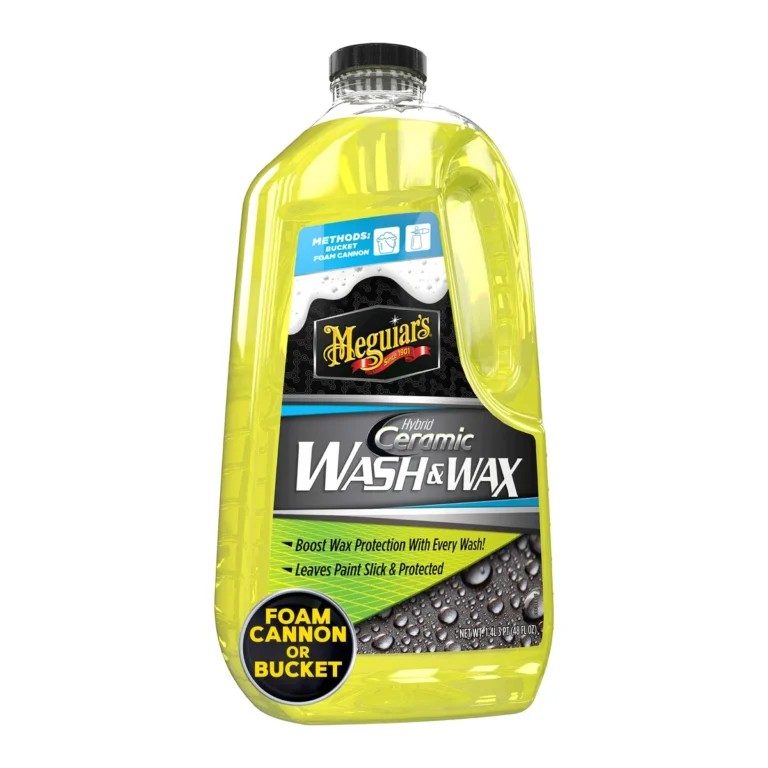
Start with permits and location approval. Then gather supplies: buckets, soap, towels, signs, and a water source. Assign roles before the event to avoid confusion on the day.
Set up clear traffic flow with cones and signs. Test your equipment the day before to catch any issues. Have a rain plan ready, even a light drizzle can slow you down.
During the event, keep the line moving. Greet each car, explain the process, and stick to your pricing. Collect payments efficiently to avoid bottlenecks.
At wrap-up, clean the area thoroughly. Return any borrowed equipment and thank your volunteers. Count the money carefully and document the total for your records.
Budget, Supplies, and Real Profit Margins
Supplies for a basic car wash cost $100, $200. This covers soap, towels, buckets, and signs. Water costs vary by location but are usually minimal.
Profit margins typically range from 50% to 70%. With 50 cars at $15 each, you’re looking at $750 in revenue. Subtract $200 for supplies and you net $550.
Sponsorships can push profits higher. A single $500 sponsor covers your costs and adds to your bottom line. Track every expense and income source to understand your true profit.
Legal, Water Runoff, and Volunteer Safety Compliance
Check your city’s rules on temporary events. Some require a special event permit even for nonprofits. Others waive fees but still need a simple application.
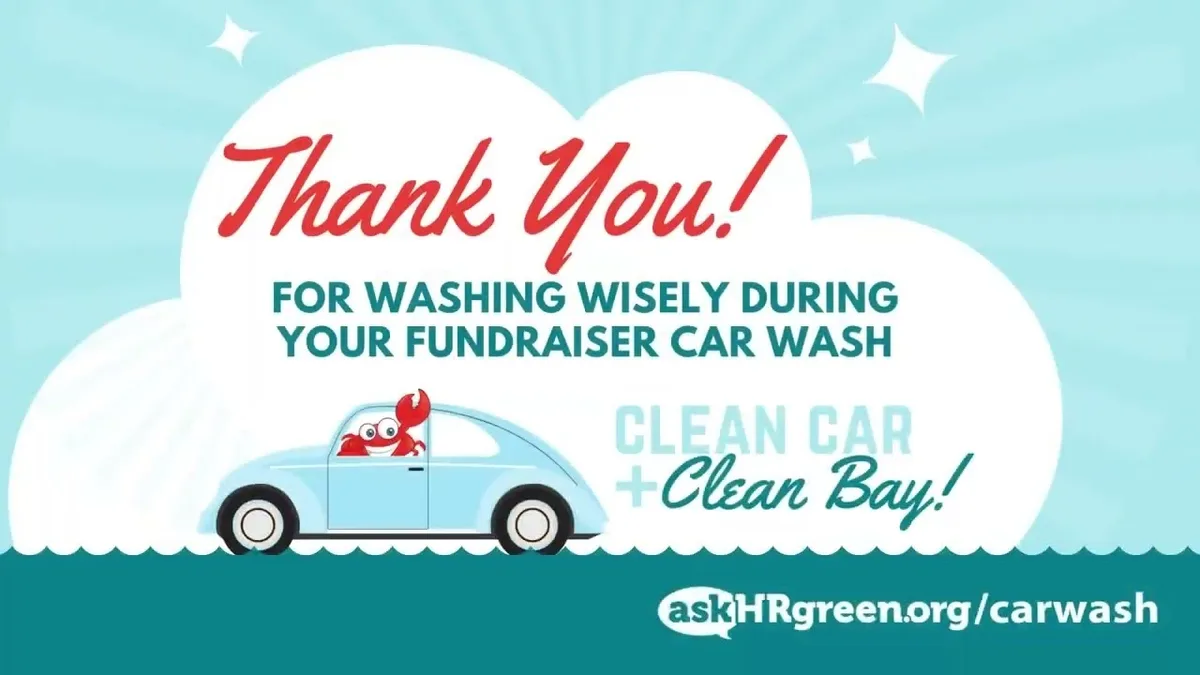
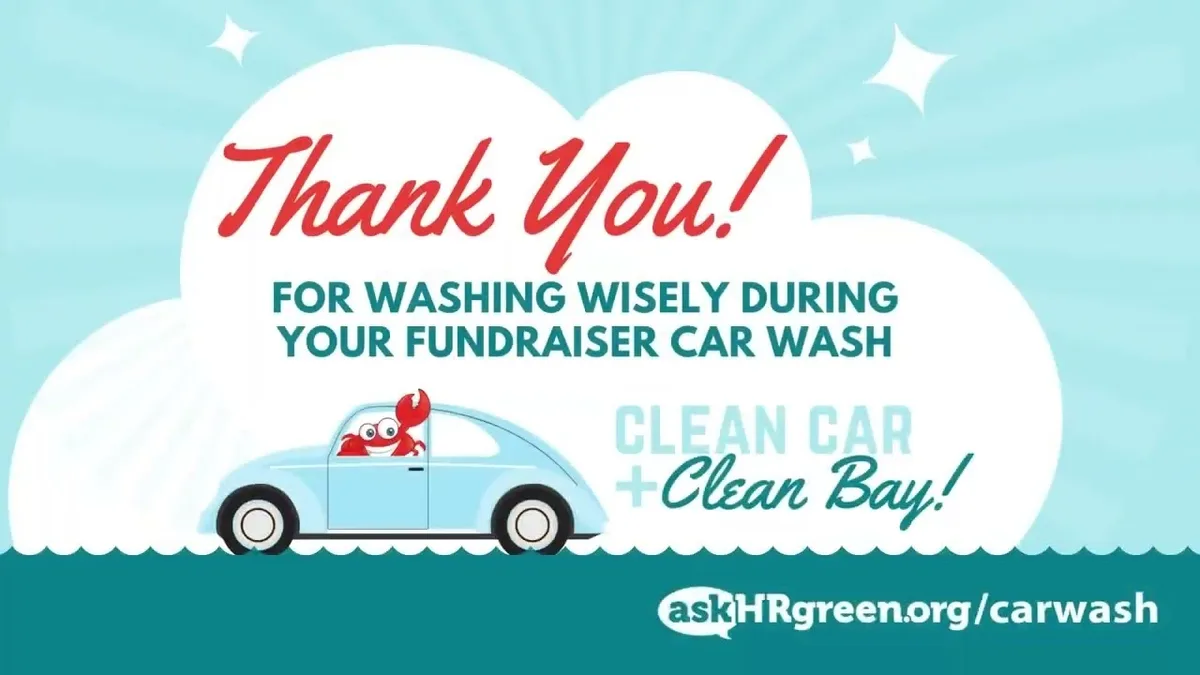
Water runoff is a growing concern. Many areas ban soap from entering storm drains. Use biodegradable soap and contain wastewater with tarps or barriers.
The EPA’s guidelines on vehicle washing outline best practices.
Volunteer safety starts with clear roles. Assign one person to watch for trip hazards like hoses and wet pavement. Keep electrical equipment like pressure washers away from water sources.
Common Mistakes That Tank Your Fundraiser Day
Underestimating supply needs is a classic error. Running out of soap or towels mid-event forces shutdowns. Buy 20% more than you think you’ll need.
Poor signage kills visibility. Drivers won’t stop if they don’t see your prices and purpose from the road. Use large, bold signs with minimal text.
Ignoring weather forecasts is risky. Even a 30% chance of rain can cut turnout in half. Always have a backup date or indoor option.
Pro Tips to Maximize Turnout, Tips, and Goodwill
Partner with a local radio station for live promotions. Many will announce your event for free as a community service. Social media blasts the morning of can also boost last-minute traffic.
Offer add-ons like interior vacuuming for an extra $5. This increases your average sale without slowing the line. Accept digital payments to capture customers who don’t carry cash.
Thank every customer with a smile and a flyer about your cause. This builds goodwill and can lead to future donations. Follow up with sponsors afterward to maintain relationships.
Your Car Wash Fundraiser Decision Checklist
Confirm your location and permits first. Without these, nothing else matters. Then secure your team and supplies.
Create a simple pricing menu and train volunteers on their roles. Assign a float of $50, $100 in small bills for change. Test all equipment the day before.
Have a rain plan and a way to contain wastewater. Bring extra towels, soap, and signs. Finally, promote aggressively through local channels.
Confirm your location and permits first. Without these, nothing else matters. Then secure your team and supplies.
Create a simple pricing menu and train volunteers on their roles. Assign a float of $50, $100 in small bills for change. Test all equipment the day before.
Have a rain plan and a way to contain wastewater. Bring extra towels, soap, and signs. Finally, promote aggressively through local channels.
Frequently Asked Questions
How much can we realistically make?
A well-organized event with 6, 8 volunteers can net $1,000, $3,000. This assumes 50, 100 cars at $15, $20 each, minus $200, $300 in supplies. Sponsorships can push this higher.
Do we need insurance?
Most cities don’t require it for small fundraisers, but it’s smart to have. A one-day event policy costs about $100, $200. This covers liability if a volunteer or customer gets injured.
What’s the best time of day?
Saturday mornings from 9 AM to 1 PM are ideal. This catches weekend shoppers and errand runners. Avoid midday heat if you’re in a warm climate.
How do we handle slow periods?
Have volunteers wave signs at passing traffic. Offer a discount for the next 5 cars to create urgency. Play music to keep energy up.
Can we do this without a pressure washer?
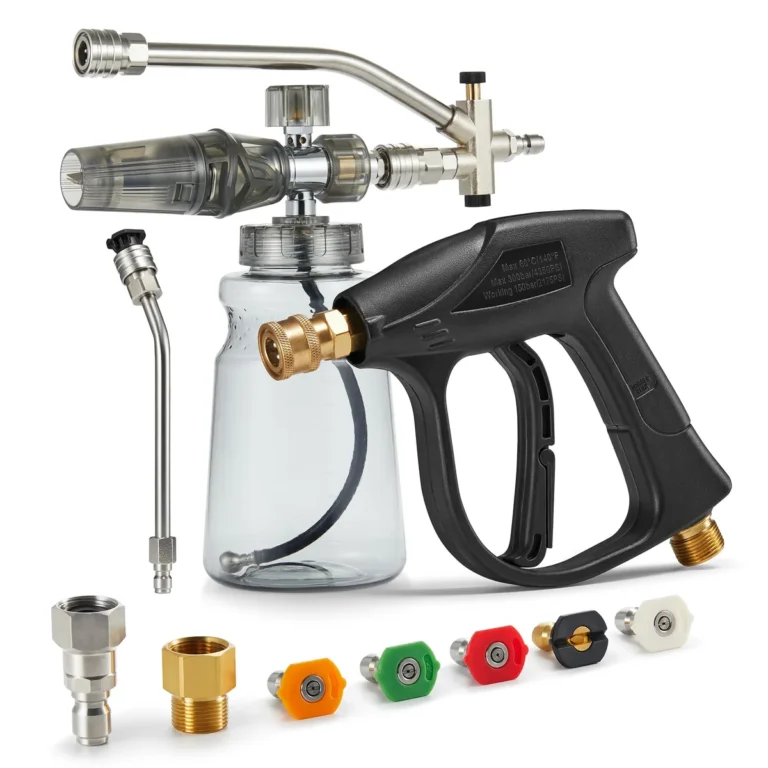
Yes, but it’s slower. Buckets and sponges work fine for basic washes. You’ll need more volunteers to maintain speed.
Expect to wash about 30% fewer cars per hour.