If you've ever pulled up to a car wash and wondered how much pa fo the. vacuums at the car wash have, the answer depends on the type of station. Some offer free vacuums as a perk, while others charge a small fee for use.
In our research, most coin-operated vacuums run for 3 to 5 minutes per $0.50 to $2.00, with suction power often exceeding 100 air watts. That’s stronger than many home vacuums, making them a solid choice for quick cleanups.
Quick Answer: Free vs. Paid Vacuums
Most car wash vacuums are free at full-service locations. Coin-operated ones typically cost $0.50 to $2.00 for 3 to 5 minutes.
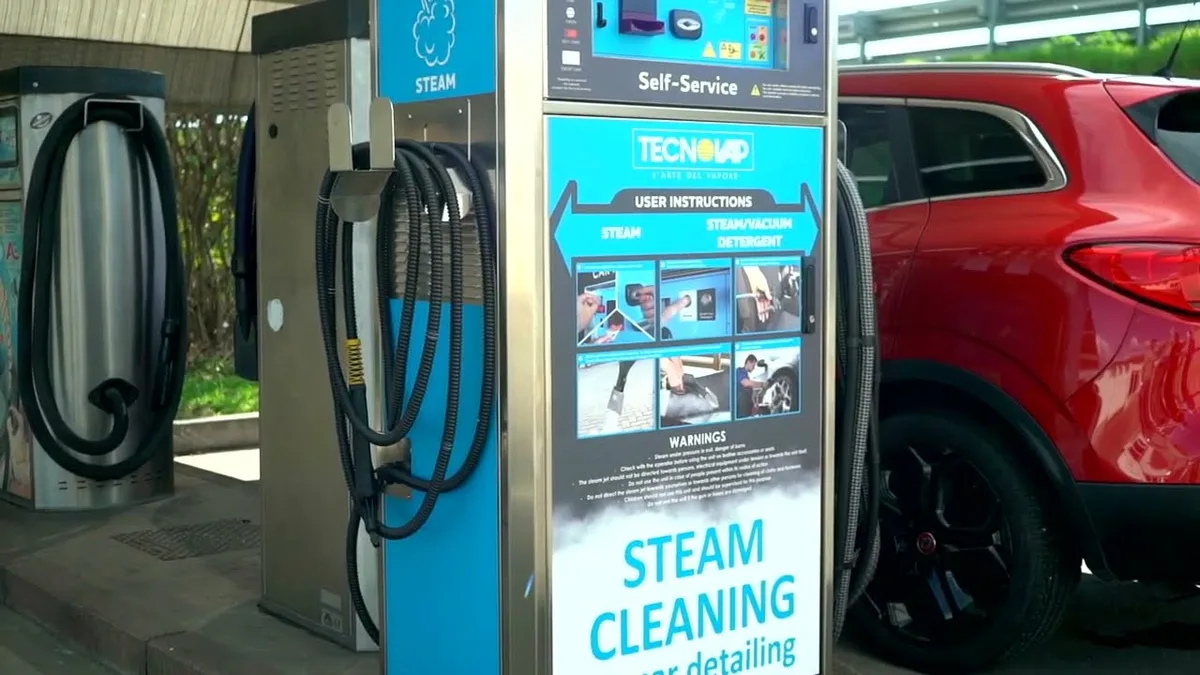
Some chains offer unlimited use for a flat fee. Pricing varies by region and car wash type.
How Car Wash Vacuums Work
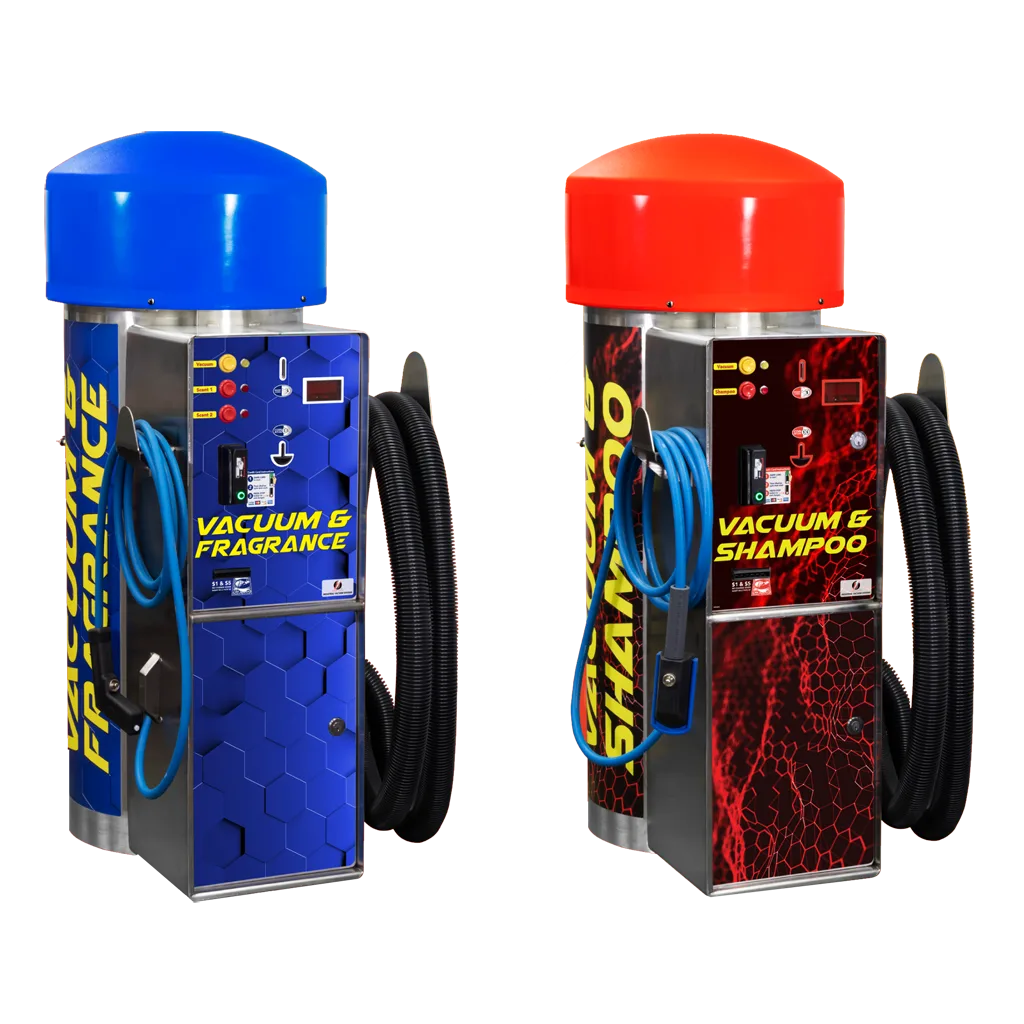
Car wash vacuums are part of a central system. They use high-powered suction to pull dirt, debris, and pet hair from your vehicle’s interior.
The vacuums are usually mounted on a post or wall. You insert coins or use a payment kiosk to activate them. The hose and attachments let you reach tight spaces like under seats or in crevices.
These systems are designed for heavy use. They often have larger debris collection bins than home vacuums, so they can handle more dirt without clogging.
What You’ll Actually Pay (Pricing Models & Examples)
Car wash vacuum pricing falls into three main categories. Each has its own pros and cons.
- Free vacuums: Common at full-service car washes or as a loyalty perk. No time limits, but you may have to wait in line.
- Coin-operated: $0.50 to $2.00 for 3 to 5 minutes. You can add more coins to extend your time.
- Flat fee: Some locations charge $5 to $10 for unlimited use. This is rare but growing in popularity.
Here’s a quick breakdown of what to expect:
| Type | Cost | Runtime | Best For |
|---|---|---|---|
| Free | $0 | Unlimited | Quick cleanups, no budget |
| Coin-operated | $0.50–$2.00 per use | 3–5 minutes | Occasional users |
| Flat fee | $5–$10 | Unlimited | Heavy-duty cleaning |
How to Tell If a Car Wash Vacuum Is Free or Paid
Look for signs near the vacuum station. Free vacuums usually have no payment mechanism. Paid ones will have a coin slot, card reader, or kiosk.
If you’re unsure, check the car wash’s website or ask an attendant. Some locations offer free vacuums with a paid wash. Others charge regardless of whether you’ve washed your car.
A quick rule of thumb: if there’s a coin slot or payment terminal, it’s paid. If not, it’s likely free.
Step-by-Step: Using a Coin-Operated Car Wash Vacuum
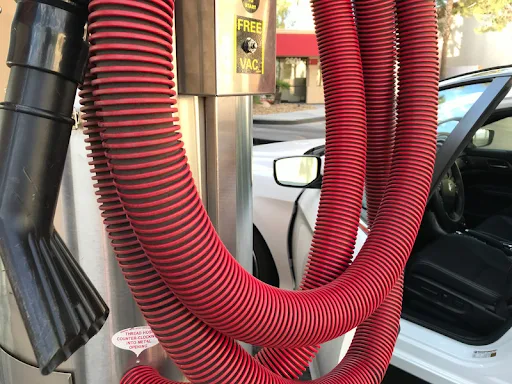
Start by parking near the vacuum station. Most car washes have designated spots for vacuum use.
Insert coins or pay at the kiosk to activate the vacuum. The machine will usually give you 3 to 5 minutes of runtime per payment.
Grab the hose and select the right attachment. Use the crevice tool for tight spaces and the brush for upholstery. Work from the top down to let debris fall to the floor.
Why Some Car Washes Charge and Others Don’t
Free vacuums are often a perk for customers who pay for a wash. They encourage repeat business and longer visits.
Paid vacuums help cover maintenance costs. These systems handle heavy use and need regular upkeep. Coin-operated models also deter abuse.
Location matters too. Urban areas with higher overhead may charge more. Rural or less busy car washes might offer free use.
Free vs. Paid: Which Is Better for You?
Free vacuums win for quick cleanups. If you just need to grab a few leaves or crumbs, they’re the easiest choice.
Paid vacuums make sense for deep cleaning. The extra suction power and runtime help with pet hair or embedded dirt. You also avoid waiting in line.
Consider your needs. Occasional users do fine with free options. Frequent or heavy-duty cleaners may prefer paid stations.
Common Problems (And How to Avoid Them)
The most common issue is weak suction. This usually means the hose is clogged or the bin is full. Check for blockages before assuming the machine is broken.
Another frustration is short runtime. If you’re paying per use, work quickly. Focus on one area at a time to maximize your minutes.
Broken or dirty attachments are also a problem. If the brush or crevice tool looks worn, ask for a replacement. A quick wipe with a rag can improve performance.
Pro Tips to Get the Most Out of a Car Wash Vacuum
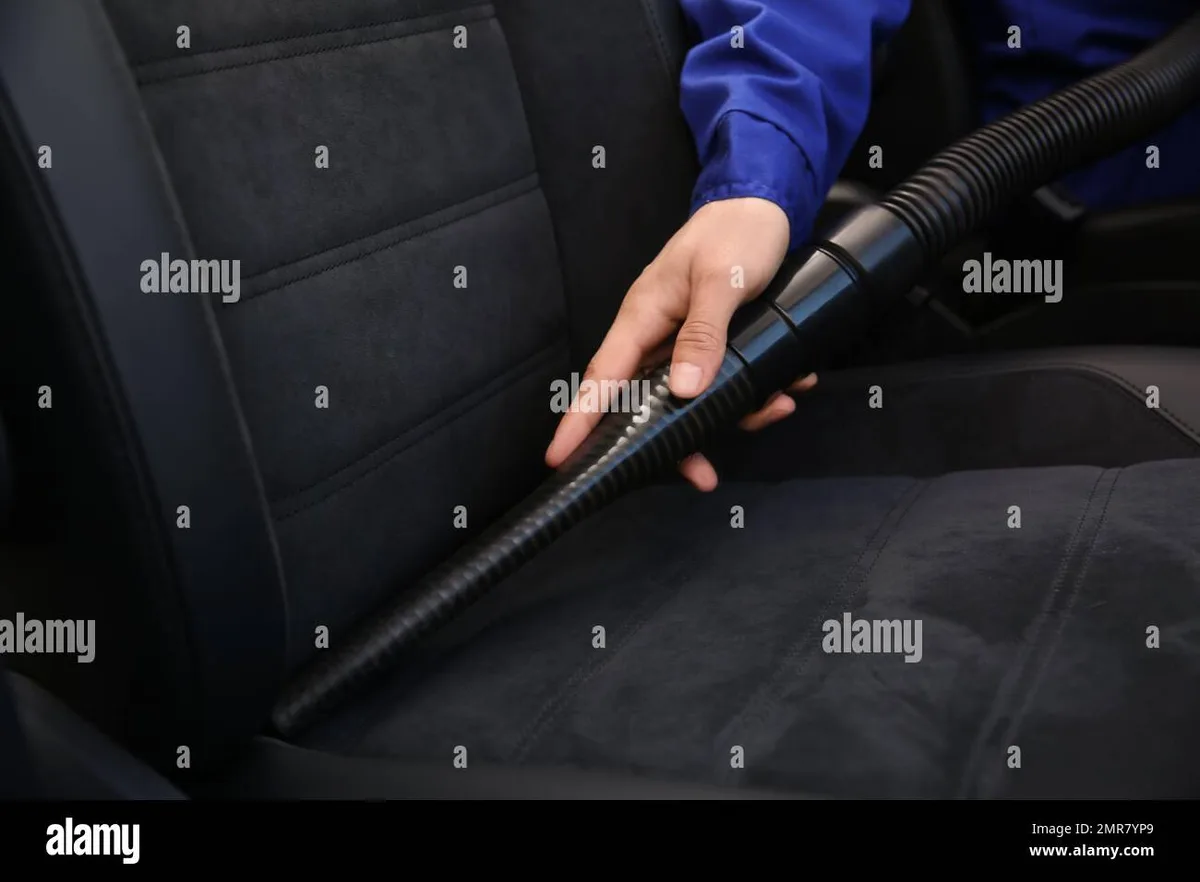
Start with the seats. Use the upholstery brush to loosen dirt before vacuuming. This helps the machine pick up more debris.
Move seats and floor mats to access hidden areas. Dirt and crumbs often collect under seats or in cup holders.
Empty your pockets first. Coins, keys, or small items can get sucked into the hose. This can damage the vacuum or clog the system.
Work in sections. Clean the front seats, then the back, then the trunk. This keeps you organized and efficient.
FAQs About Car Wash Vacuums
Are car wash vacuums powerful enough for pet hair?
Yes, most car wash vacuums have strong suction that handles pet hair well. The key is using the upholstery brush attachment to loosen hair before vacuuming.
Can I use a car wash vacuum for my trunk?
Absolutely. The long hose and attachments make it easy to clean trunks, cargo areas, and even floor mats. Just be sure to remove large items first.
Why do some vacuums stop working mid-use?
This usually happens when the runtime expires or the machine overheats. If it’s coin-operated, you may need to add more coins. If it’s free, the system might need a cool-down period.
Do I need to bring my own attachments?
No. Car wash vacuums come with built-in attachments like crevice tools and brushes. These are designed for vehicle interiors.
How often should I clean my car with a car wash vacuum?
For most drivers, a quick vacuum every 2 to 4 weeks keeps the interior fresh. If you have pets or kids, you might need to do it more often.
Final Verdict: Are They Worth It?
Car wash vacuums are a smart choice for quick, powerful cleaning. They’re especially useful if you don’t own a portable vacuum or need extra suction.
Free options are great for light maintenance. Paid vacuums justify their cost for deeper cleaning or frequent use.
The convenience and power make them worth the time. Just check the pricing and runtime before you start.