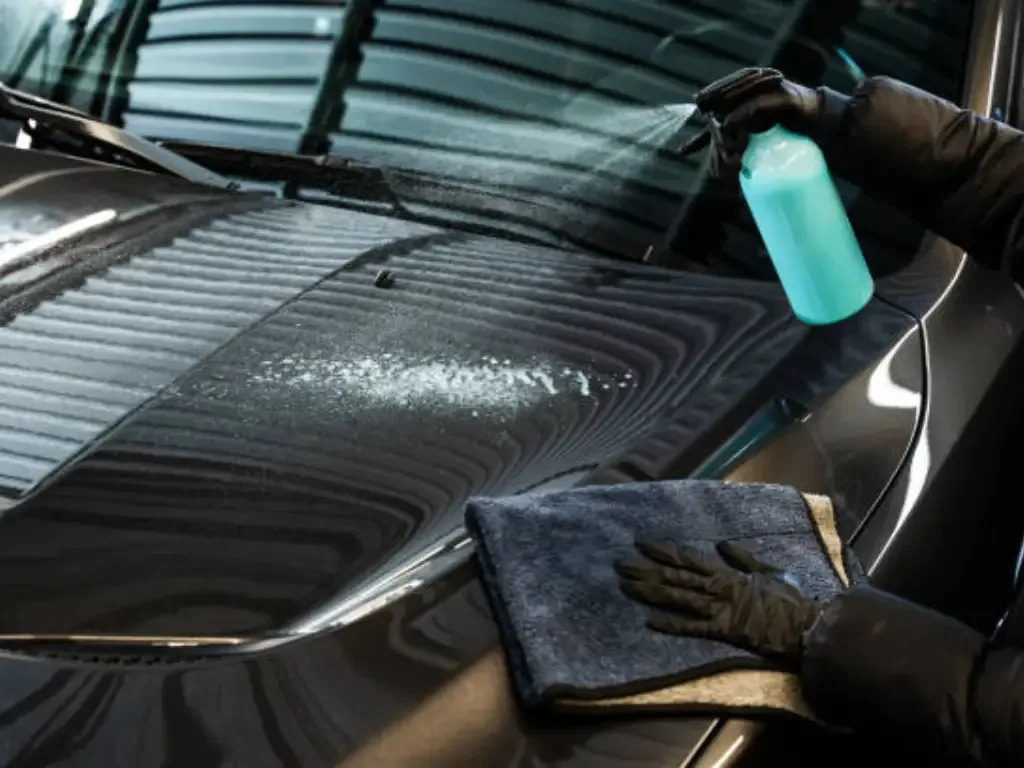
Is bubbles car wash safe for ceramic coating? That’s the first question owners ask after spending hundreds on paint protection. The short answer is it can be, but most automated washes will slowly wear down your coating if you’re not careful.
Ceramic coatings are rated for chemical and abrasion resistance, but manufacturer specs confirm they degrade faster with high-pH soaps and stiff brushes. As of 2026, the safest approach is knowing which car wash features to avoid.
Quick Answer
Bubble car washes can be safe for ceramic coatings. Use only pH-neutral soaps. Avoid stiff brushes.
Touchless washes are safer. Check your coating’s care guide.
Why Ceramic Coatings and Car Washes Don’t Always Mix
Ceramic coatings bond to your paint at a microscopic level, creating a hard, hydrophobic layer. But they’re not invincible. The same things that damage clear coat, harsh chemicals, abrasive brushes, and high-pressure water, will wear down a ceramic coating over time.
Manufacturer specifications for most 9H-rated coatings show they resist pH levels between 2 and 12. But prolonged exposure to alkaline soaps (pH 10+) breaks down the hydrophobic properties. That’s why the type of car wash matters just as much as how often you use it.
The 3 Biggest Risks of Bubble Car Washes to Your Coating
High-pH detergents strip the coating’s water-repellent layer. Many bubble car washes use strong alkaline soaps to cut through road grime, but these can degrade ceramic coatings after just a few washes.
Abrasive brushes leave micro-scratches. Even soft-cloth systems accumulate dirt and grit, which act like sandpaper on your coating. Over time, this dulls the finish and reduces longevity.
Improper drying causes water spots. If the wash uses hard water and doesn’t rinse thoroughly, mineral deposits can etch into the coating, especially if the car sits in the sun afterward.
What Makes a Car Wash Safe (or Unsafe) for Ceramic Coatings
Not all bubble car washes are created equal. The difference between safe and unsafe often comes down to three factors: soap pH, brush material, and water pressure.
pH Levels: The Silent Coating Killer
Ceramic coatings handle neutral to slightly acidic or alkaline solutions, but extreme pH levels accelerate breakdown. Most consumer-grade ceramic coatings specify a safe range of pH 6, 8 for regular washing.
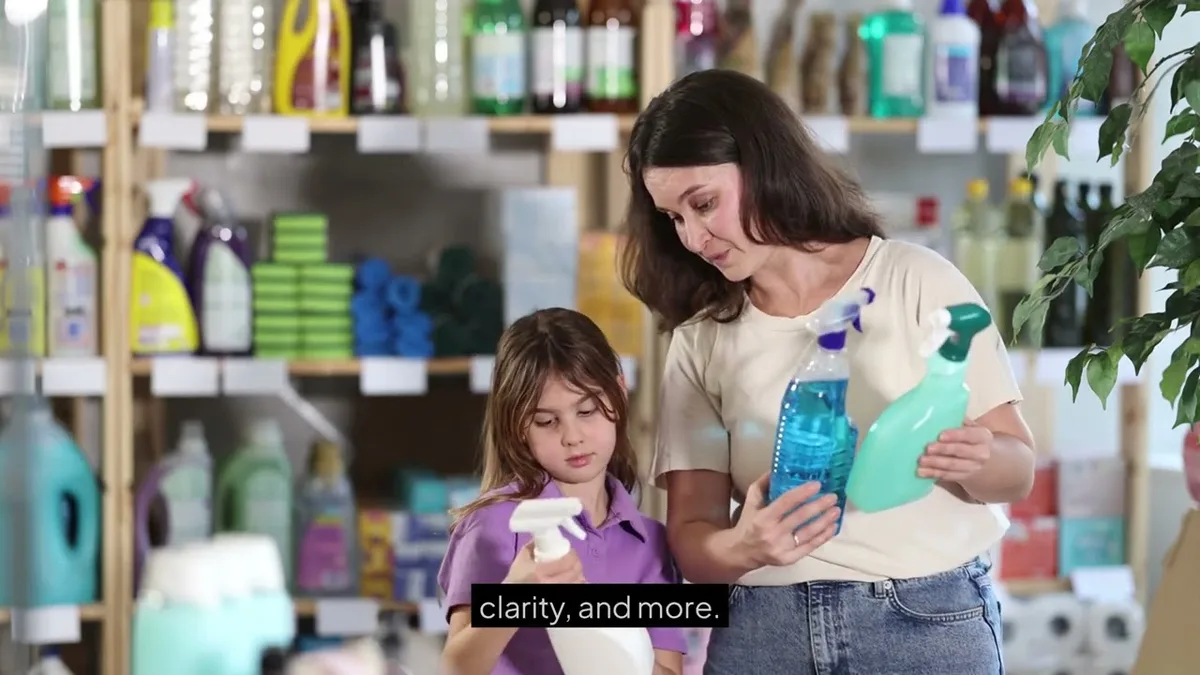
Any soap above pH 10 starts to compromise the coating’s hydrophobic layer. If your local bubble wash doesn’t advertise pH-neutral soap, assume it’s using harsher chemicals.
Brushes vs. Touchless: Which Is Actually Safer?
Soft-cloth car washes use fabric strips that are gentler than traditional brushes, but they still pick up dirt from previous cars.
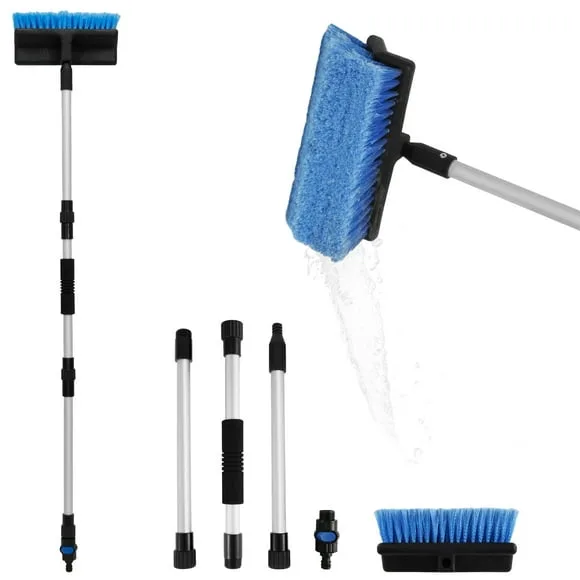
Touchless systems rely on high-pressure water and soap, eliminating physical contact but often requiring stronger chemicals. If you must use a brush-based wash, choose one with microfiber or foam cloths and regularly maintained equipment.
Water Pressure and Drying: The Overlooked Factors
High-pressure water can force contaminants into the coating’s pores, especially if the pre-wash doesn’t remove loose dirt first. A safe wash starts with a low-pressure pre-rinse, followed by a gentle soap application, and ends with filtered water for the final rinse.
Drying is just as critical. Air blowers in automated washes often leave water in crevices, leading to spots. If the wash doesn’t use spot-free water, bring a microfiber towel to dry the car immediately after.
How to Tell If Your Bubble Car Wash Is Safe
Start by checking the soap. If the wash doesn’t advertise pH-neutral or pH-balanced detergent, it’s likely using alkaline cleaners that will degrade your coating over time.
Next, inspect the brushes. Soft-cloth systems with microfiber or foam are safer than stiff bristle brushes. If the brushes look dirty or worn, they’ll scratch your coating.
Finally, ask about the water. Spot-free or filtered water prevents mineral deposits. If the wash can’t confirm this, bring your own microfiber towel to dry the car immediately after.
Step-by-Step: How to Wash a Ceramic-Coated Car at a Bubble Wash
Pre-rinse the car to remove loose dirt. This prevents abrasive particles from being dragged across the paint during the wash cycle.
Select the gentlest wash program available. Avoid options labeled “heavy-duty” or “deep clean,” as these often use harsher chemicals and higher pressure.
Use a pH-neutral soap if the wash offers a choice. If not, skip the soap cycle and just use the rinse option.
Dry the car immediately after the wash. Use a clean microfiber towel to prevent water spots, especially if the wash doesn’t use filtered water.
What to Do If You Already Used the Wrong Car Wash
Don’t panic. A single wash with harsh chemicals or brushes won’t ruin your coating, but it may have caused minor damage.
Inspect the paint under good lighting. Look for swirl marks, dull spots, or reduced water beading. These are signs the coating has been compromised.
If you notice damage, use a ceramic coating maintenance spray to restore hydrophobicity. For deeper issues, a professional detailer can assess whether a touch-up or full reapplication is needed.
Hand Wash vs. Bubble Wash vs. Touchless: The Best Option for Coatings
Hand washing is the gold standard. It lets you control the soap, pressure, and drying process, minimizing risk to your coating.
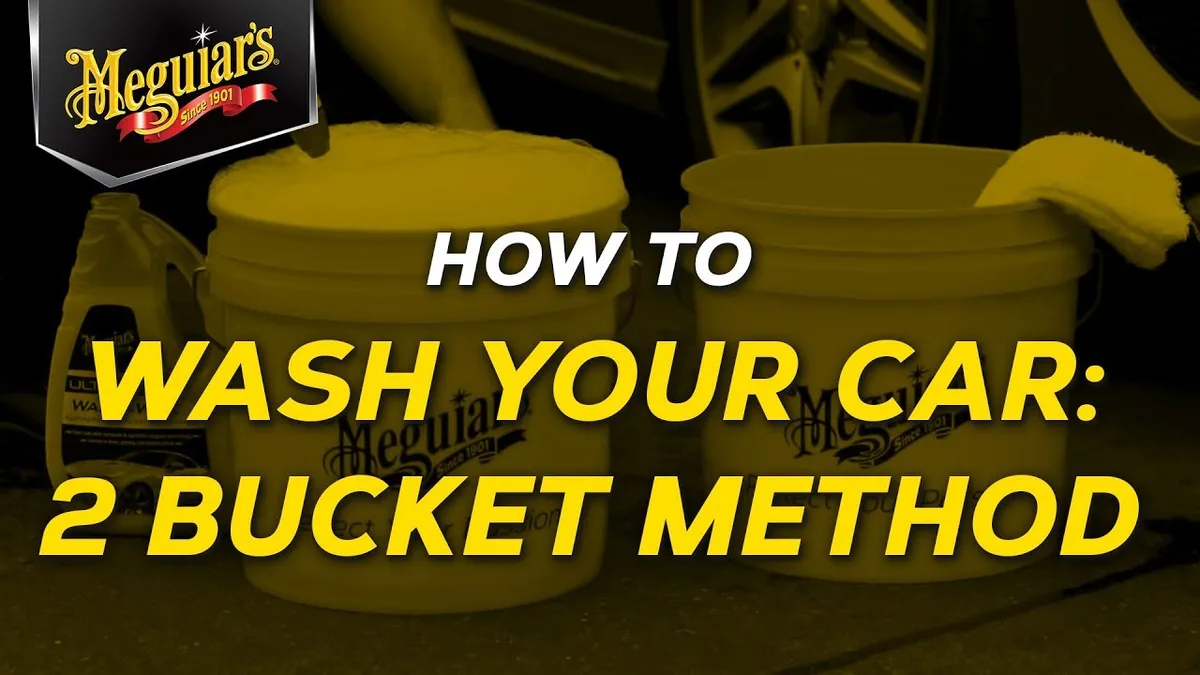
Bubble washes with soft cloths and pH-neutral soap are a close second. They’re convenient but still carry some risk from accumulated dirt in the brushes.
Touchless washes are the safest automated option. They avoid physical contact but may use stronger chemicals to compensate. Always confirm the soap pH before using.
How Often Can You Safely Use a Bubble Car Wash?
With a ceramic coating, you can wash your car every 1 to 2 weeks without issue, provided you’re using a safe wash method. More frequent washes increase the risk of premature wear.
If you’re using a bubble wash, limit it to once a month. This reduces exposure to potential abrasives and harsh chemicals.
For daily drivers in dirty environments, stick to touchless washes or hand washing. This keeps your coating in top condition without unnecessary risk.
Pro Tips to Extend Your Ceramic Coating’s Life
Apply a ceramic boost spray every 3 to 6 months. This refreshes the hydrophobic layer and fills in minor gaps from wear.
Wash in the shade or during cooler parts of the day. Heat causes water to evaporate quickly, increasing the risk of spots and streaks.
Use a foam cannon for hand washes. It lifts dirt away from the surface, reducing the need for scrubbing.
Frequently Asked Questions
Can a single bubble car wash ruin my ceramic coating?
No, one wash won’t destroy it. But repeated exposure to harsh chemicals or abrasive brushes will shorten its lifespan.
How do I know if my car wash uses pH-neutral soap?
Ask the staff or check their website. Most premium washes advertise pH-balanced cleaners if they offer them.
Is a touchless car wash always safe for ceramic coatings?
Not always. Some use high-pH soaps to compensate for lack of physical cleaning. Confirm the soap type before using.
Can I use a bubble car wash if my coating is brand new?
Wait at least 2 weeks after application. Fresh coatings need time to cure fully before exposure to any car wash.
What’s the best way to dry a ceramic-coated car after a wash?
Use a clean microfiber towel. Blowers can leave water in crevices, leading to spots.
How often should I reapply ceramic coating if I use bubble washes regularly?
With frequent automated washes, expect to reapply every 2 to 3 years instead of the usual 4 to 5.