ByMax Lee
Minnesota Off-Road Light Bar Laws & Restrictions
Minnesota auxiliary lighting and off road light bar restrictions can be confusing, especially when you just want to upgrade your rig without running afoul of the law. The rules are strict about what’s allowed on public roads versus private property, and a wrong move can mean fines or even getting pulled over.
As of 2026, Minnesota Statute 169.56 sets the standard for vehicle lighting, including height limits, color restrictions, and where you can mount auxiliary lights. Let’s cut through the noise and get you the facts.
Quick Answer
Minnesota auxiliary lighting and off road light bar restrictions allow white or amber forward-facing lights. Red and blue are reserved for emergency vehicles only. Mounting height is capped at 54 inches for most vehicles.
Off-road lights must be covered or removed on public roads.
Web (Bing) / fity.club (Web image (fair-use with source credit))
Minnesota’s Auxiliary Lighting Laws Explained
Minnesota follows FMVSS 108 standards for vehicle lighting. This means any auxiliary lights must comply with federal and state regulations.
Auxiliary lights are any added lighting not part of the original vehicle equipment. Off-road light bars are designed for non-public road use and often exceed DOT brightness or color standards. Minnesota enforces these rules to prevent blinding other drivers and maintain road safety.
What Counts as Auxiliary or Off-Road Lighting?
Auxiliary lighting includes any added lights like LED bars, fog lights, or spotlights. These can be mounted on the roof, bumper, grille, or A-pillars.
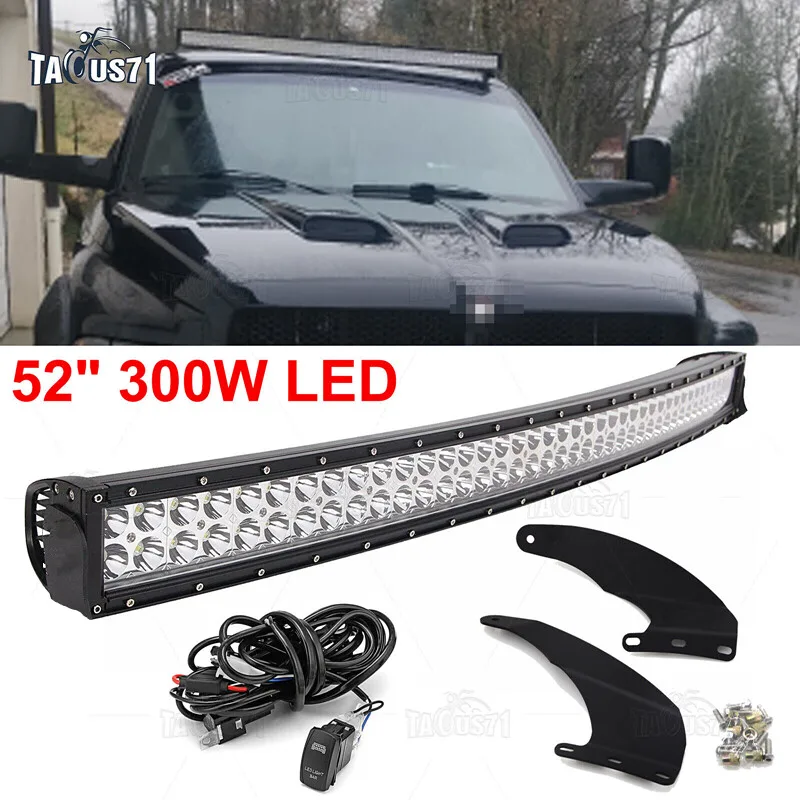
Off-road light bars are typically brighter and may use colors not permitted on public roads. They’re built for durability in harsh conditions but often lack DOT or SAE compliance. Common types include single-row, double-row, and curved light bars, ranging from 6 to 50 inches in length.
Legal Light Colors in Minnesota (And Which Are Banned)
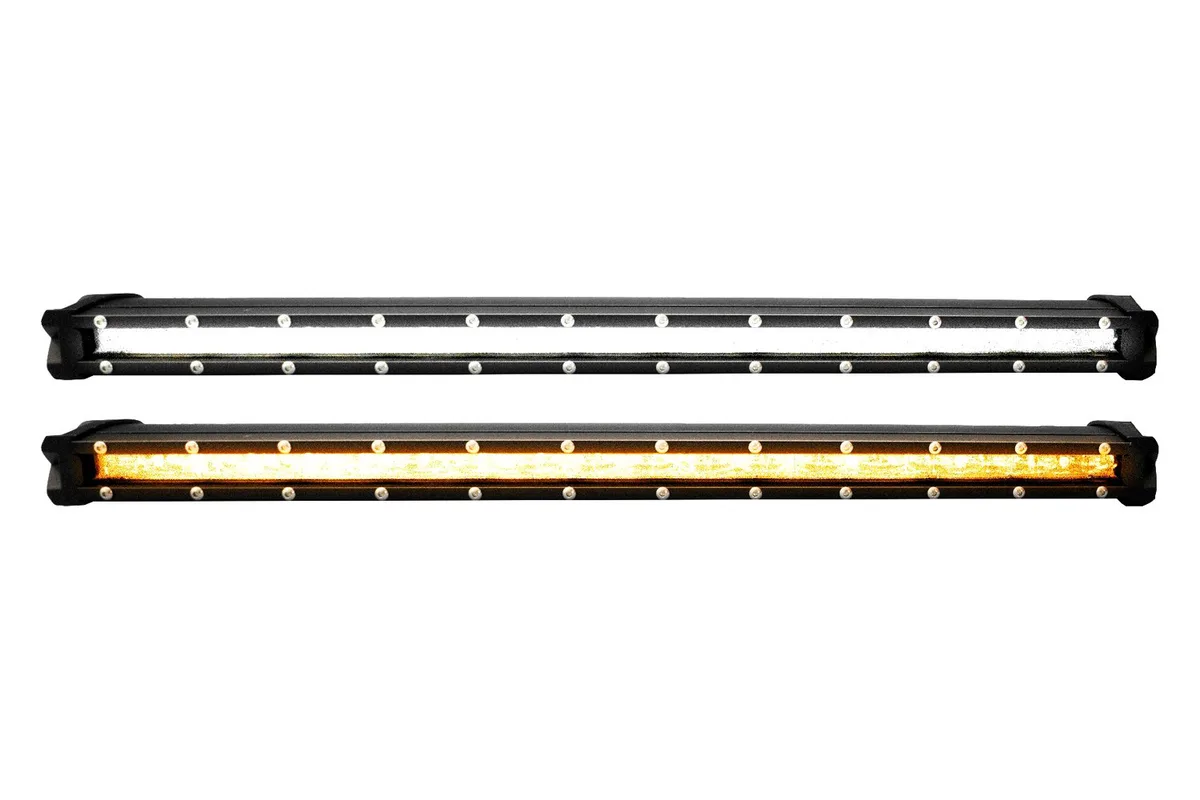
Minnesota permits only white or amber for forward-facing auxiliary lights. Red, blue, and green are restricted to emergency and authorized vehicles.
Bing (Web (fair-use with source credit))
Back-facing lights can be red, but they must not be visible from the front. Amber is the only non-white color allowed for forward-facing lights, and it’s often used for fog lights. Any other color, including flashing or oscillating patterns, is illegal for non-emergency use.
Where You Can and Can’t Mount Lights
Minnesota limits auxiliary light mounting height to 54 inches for most vehicles. This is measured from the ground to the highest point of the light.
Lights must not be mounted in a way that obstructs the driver’s view or interferes with other vehicle systems. Roof mounts are common but must stay within the height limit. Bumper and grille mounts are also allowed if they don’t violate placement rules.
Web (Bing) / wegrowpros.com (Web image (fair-use with source credit))
Height, Placement, and Beam Rules You Must Follow
The 54-inch height limit applies to all mounting locations. This includes roof racks, bumpers, and grille mounts.
Beam patterns matter. Spot beams are allowed but must not blind oncoming traffic. Flood beams are acceptable if aimed properly and not excessively bright.
Lights must be aimed so they don’t dazzle other drivers. Improper alignment is a common reason for citations, even if the lights themselves are legal.
DOT-Compliant vs. Off-Road-Only Lights: What’s the Difference?
Web (Bing) / storage.googleapis.com (Web image (fair-use with source credit))
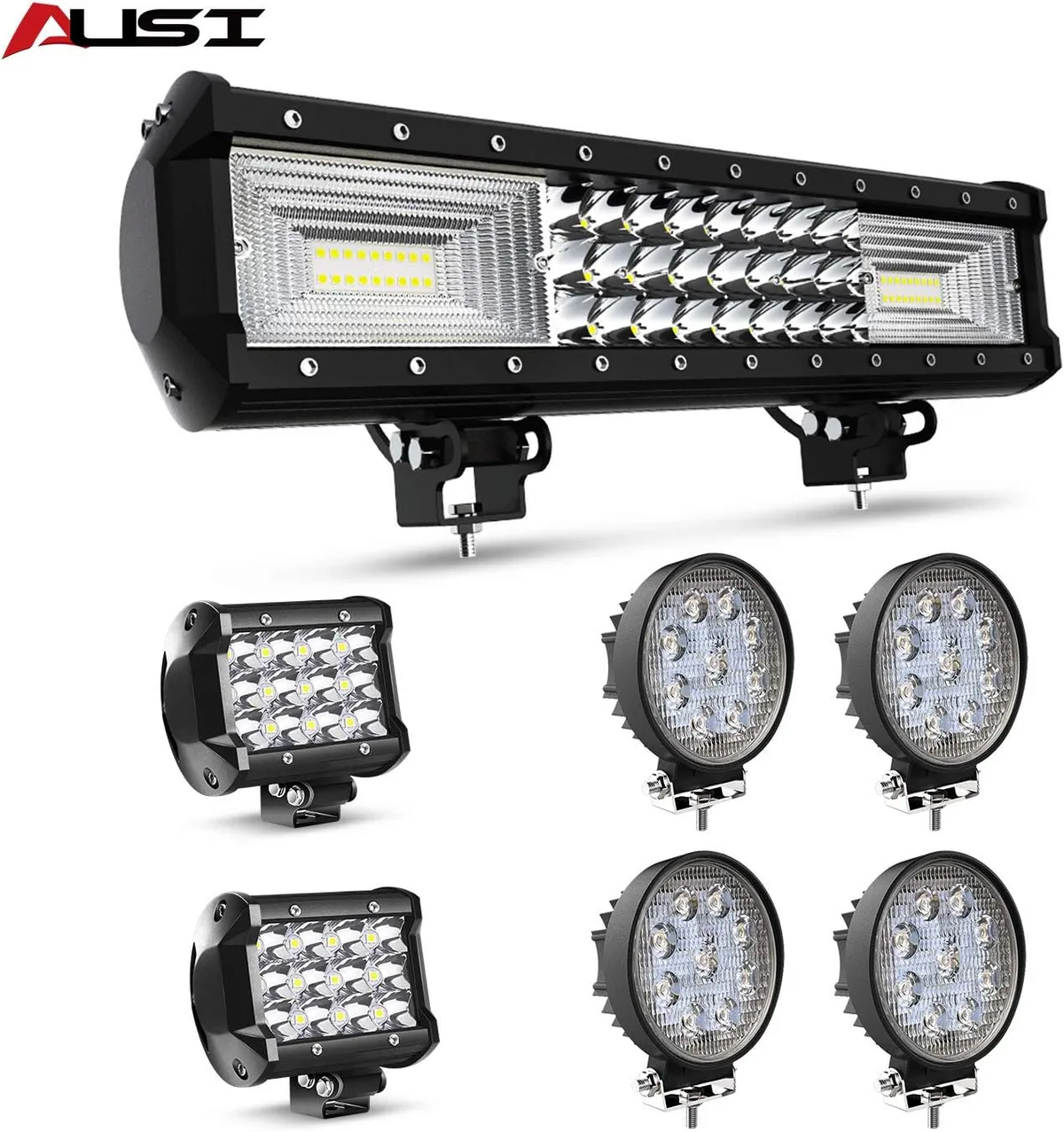
DOT-compliant lights meet Federal Motor Vehicle Safety Standards. They’re street-legal and can be used on public roads. Off-road-only lights don’t meet these standards and are for private property use only.
DOT lights have specific brightness limits and approved colors. Off-road lights often exceed these limits and may use colors like green or blue. Using non-DOT lights on public roads can result in fines.
How to Check if Your Light Bar Is Street-Legal in MN
First, verify the color. Only white or amber forward-facing lights are allowed. Red and blue are strictly for emergency vehicles.
Next, check the mounting height. Measure from the ground to the top of the light. If it exceeds 54 inches, it’s not compliant.
Finally, confirm DOT or SAE markings. Look for a DOT or SAE stamp on the light housing. If it’s missing, the light is likely off-road only.
Common Mistakes That Get You Pulled Over
Using red or blue lights is an instant violation. Even if they’re not flashing, these colors are reserved for emergency vehicles.
Mounting lights too high is another common issue. Anything above 54 inches is illegal, regardless of the light type.
Improper beam alignment can also get you in trouble. Lights that blind other drivers are a citation waiting to happen.
Wiring and Installation: Do It Right the First Time
Start with a quality wiring harness. Cheap or improper wiring can cause electrical issues or fires.
Use a relay for high-wattage light bars. This prevents overloading your vehicle’s electrical system. Most light bars over 100 watts need a relay.
Secure all connections and use waterproofing. Off-road conditions can expose wiring to moisture and debris. Poor connections lead to flickering or failure.
Off-Road Exemptions: When the Rules Don’t Apply
Private property is the only place off-road lights can be used without restrictions. This includes trails, farms, and other non-public areas.
Public roads require full compliance with Minnesota Statute 169.56. Even rural roads are not exempt from these rules.
Some off-road parks may have their own lighting regulations. Always check local rules before heading out.
Fines and Penalties for Non-Compliance
Violations typically result in a fix-it ticket. You’ll need to correct the issue and show proof to the court.
Fines can range from $50 to $200 depending on the violation. More serious offenses may lead to higher penalties.
Repeated violations can result in points on your license. This can affect insurance rates and driving privileges.
Real-World Examples: Legal vs. Illegal Setups
A 20-inch white LED light bar mounted on the roof at 52 inches is legal. It meets height and color requirements.
A 30-inch blue light bar on the bumper is illegal. Blue is reserved for emergency vehicles only.
A 10-inch amber fog light mounted on the grille is legal. Amber is permitted for forward-facing auxiliary lights.
Final Checklist Before You Buy or Install
Verify the light color
Only white or amber for forward-facing lights. Red and blue are illegal for non-emergency use.
Check mounting height
Measure from the ground to the top of the light. It must not exceed 54 inches.
Confirm DOT or SAE compliance
Look for a DOT or SAE stamp on the light housing. Without it, the light is likely off-road only.
Test beam alignment
Aim lights so they don’t blind oncoming traffic. Improper alignment can lead to citations.
Secure wiring properly
Use a relay for high-wattage lights. Waterproof all connections to prevent electrical issues.
Frequently Asked Questions
Are light bars legal in Minnesota?
Yes, but they must be white or amber and mounted below 54 inches. Non-compliant colors or heights are illegal on public roads.
Can I use red lights on my truck?
No. Red lights are restricted to emergency vehicles only. Using them can result in fines and legal trouble.
Do I need to cover my light bar on the highway?
Yes. Off-road-only light bars must be covered or removed when driving on public roads.
What’s the maximum height for auxiliary lights?
54 inches from the ground to the top of the light. This applies to all mounting locations.
Can I get a warning instead of a ticket?
Possibly. Officers may issue warnings for first-time offenses. But repeated violations will likely result in fines.
Are underglow lights legal in Minnesota?
No. Underglow lighting is not permitted on public roads in Minnesota.
What’s the difference between DOT and SAE compliance?
DOT compliance means the light meets federal safety standards for road use. SAE compliance follows industry standards but isn’t always street-legal. Always check for DOT markings first.