ByMax Lee
Northern Mariana Islands Emissions Testing Requirements
If you live in the Northern Mariana Islands and drive a vehicle, you've likely hit a confusing wall when registering a car or renewing your plates. The Northern Mariana Islands local emissions testing requirements in certain areas are not as straightforward as they seem at first glance. Depending on which island you call home and the kind of vehicle you own, you might need a full inspection, a lightweight check, or nothing at all.
The rules trace back to federal Clean Air Act standards that territories must follow, although local enforcement varies. As of 2026, the CNMI continues adjusting these policies as vehicle import numbers grow and air quality pressures shift.
Quick Answer
Yes and no. Emissions testing in the Northern Mariana Islands applies only in specific areas. Saipan currently leads enforcement, while Tinian and Rota follow lighter rules.
Gasoline vehicles require an OBD-II scan plus visual inspection. Diesel vehicles need a smoke opacity test. Older cars and certain electrics may qualify for complete exemptions.
Failing a test blocks your registration renewal. Fixing major issues usually requires certified repairs and retesting within 30 days.
Do You Need an Emissions Test in the Northern Mariana Islands?
The short answer slides quickly between "yes" and "no" depending on your exact circumstances. If you live on Saipan and your vehicle runs on gasoline, your registration requires an emissions certification. That's a hard rule.
The same applies to commercial diesel trucks, unlike smaller island communities where vehicles sometimes receive an implied compliance pass.
However, you could be driving on Tinian or Rota and still face no inspection requirement at all. This is where the confusion gets real for people relocating between islands. We often see drivers who plated a car on Saipan, then moved to Rota and skipped the test without any issues.
If you plan to register your vehicle on Saipan, assume testing applies unless you qualify for a specific exemption. That's the safest stance.
Where Emissions Testing Is Required (and Where It Isn’t)
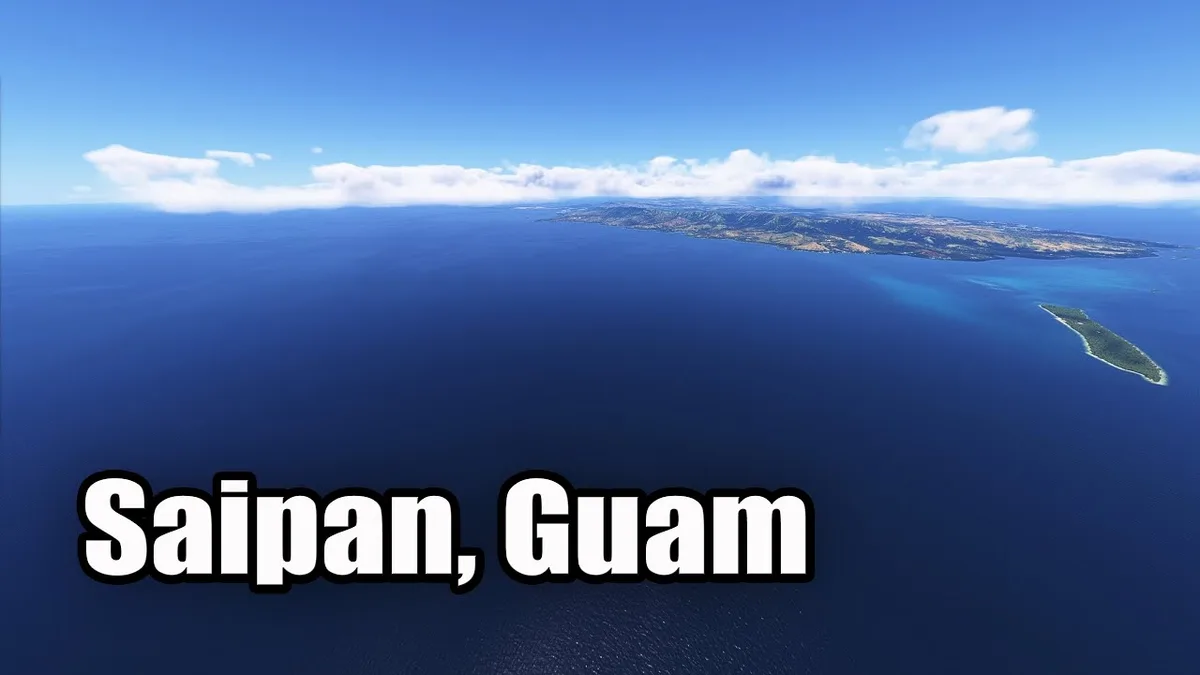
The Northern Mariana Islands aren't a single testing zone. At the highest level, the requirement divides across three populated islands: Saipan, Tinian, and Rota.
- Saipan: Full enforcement. Gasoline and diesel vehicles require testing at designated stations.
- Tinian: Generally no mandatory emissions testing for private passenger vehicles. Commercial fleets occasionally face spot checks.
- Rota: No established emissions testing program for most vehicles as of 2026.
This creates a strange sense of randomness for people who own a car registered in one island but drive it across the public safety channels. The CNMI governor's office continues signing executive orders alongside inter-agency vehicle policies, aligning with U.S. EPA territory requirements.
Which Vehicles Must Be Tested
Local emissions testing in the Northern Mariana Islands doesn't apply to every motorist on the road. Officials define the list carefully.
The main category includes passenger vehicles. Your sedan, coupe, hatchback, and standard SUV all fall within the scope of gasoline testing. Compact cars from the early 2000s and new ones alike need attention because local computers pull data from your OBD-II port.
The specifics:
- Gasoline passenger cars: All 1996 or newer models need OBD-II and tailpipe testing.
- Light trucks & SUVs: Same rule, including vehicles with a gross vehicle weight rating under 8,500 pounds.
- Heavy-duty diesel trucks: These require a different opacity test on the exhaust smoke.
- Buses and fleet vehicles: Mandatory regardless of age or capacity.
- Electric vehicles: Zero-emissions, completely exempt.
Motorcycles fall in a gray area. Recent registry references suggest motorcycles with engine displacements above 250cc still need a sound output check, but not the standard tailpipe emission probe.
How the Emissions Test Works in the CNMI
The testing procedure isn't one size fits all. It's a multi-part inspection that covers the hardware, the computer, and the exhaust output. The whole process usually takes between 15 and 25 minutes at a licensed station.
Here's what actually happens:
- Visual inspection: A tech looks under the hood and under the car. They check for a catalytic converter, muffler condition, fuel leaks, and any obvious emissions control devices.
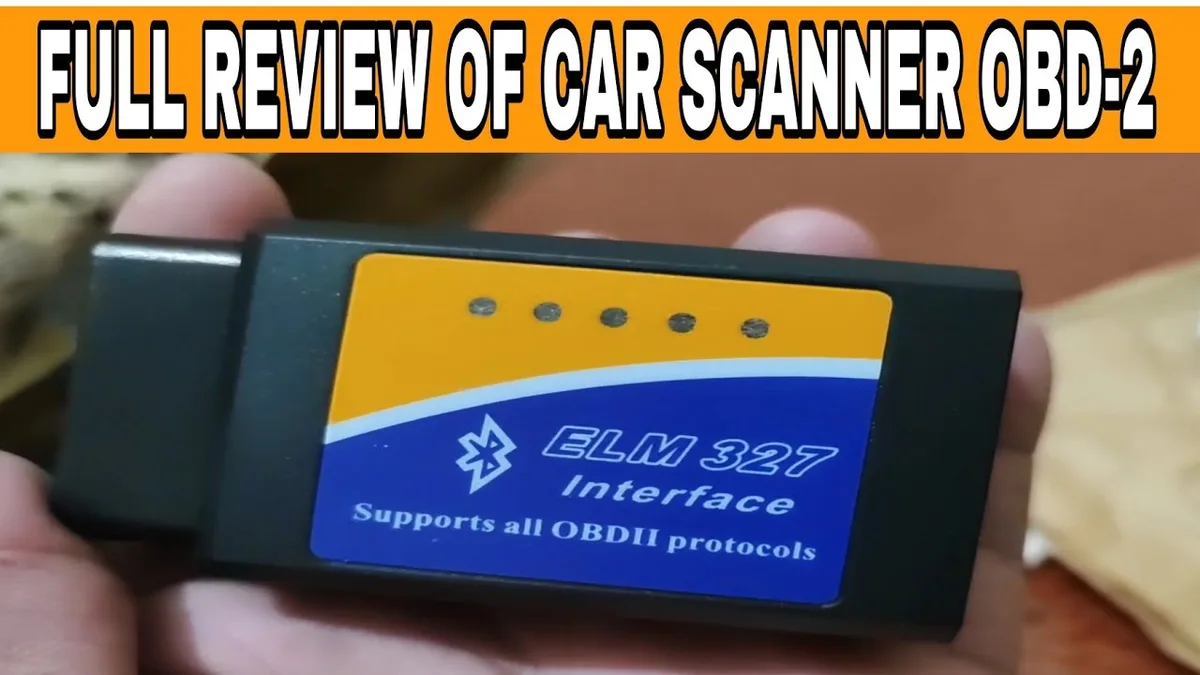
- OBD-II scan: The computer is plugged into your vehicle's diagnostic port. If your check engine light reads, the system is flagged immediately.
- Exhaust measurement: On gasoline vehicles, the tailpipe probe reads your hydrocarbons, carbon monoxide, and oxides of nitrogen.
Diesel vehicles use a different process. Instead of the OBD scan, they get a smoke opacity test called acceleration mode. The vehicle is revved quickly four times, and a light sensor measures the exhaust darkness.
Warning
Any modifications that bypass or disable an emissions control component will fail inspection. This includes blocked or tampered computer code to clear diagnostic trouble codes. Even if your car runs fine, a registered repair hack leads to a fail certificate.
Any modifications that bypass or disable an emissions control component will fail inspection. This includes blocked or tampered computer code to clear diagnostic trouble codes. Even if your car runs fine, a registered repair hack leads to a fail certificate.
Step-by-Step: Getting Your Vehicle Tested
Getting through this process deserves a simple workflow. Follow these steps rather than guessing each time:
- Pick a licensed testing station: The CNMI reports designated facilities in the Saipan area.
- Bring your documents: Registration receipt, valid insurance page, and proof of identity like a driver's license.
- Warm up your car: The vehicle needs to reach operating temperature. Cold engines can fail the initial OBD check while the system still sets status to ready.
- Run the pre-check: At home, inspect your gas cap first for seal and check whether your check engine light stays on while driving.
- Complete the inspection: The station does the full series of checks, then prints out a pass or fail report that goes straight to the DMV's system.
- Pay the fee: Costs range from $25 to $65, depending on station and vehicle type.
- Receive your certificate: The validation is valid for 12 months from the date of passing.
After you pass, you can proceed to the registration renewal process online or head to the DMV office directly.
What Happens If You Fail (and How to Fix It)
Failing an emissions test doesn't mean the end of the road. It just adds a few more steps to your plate.
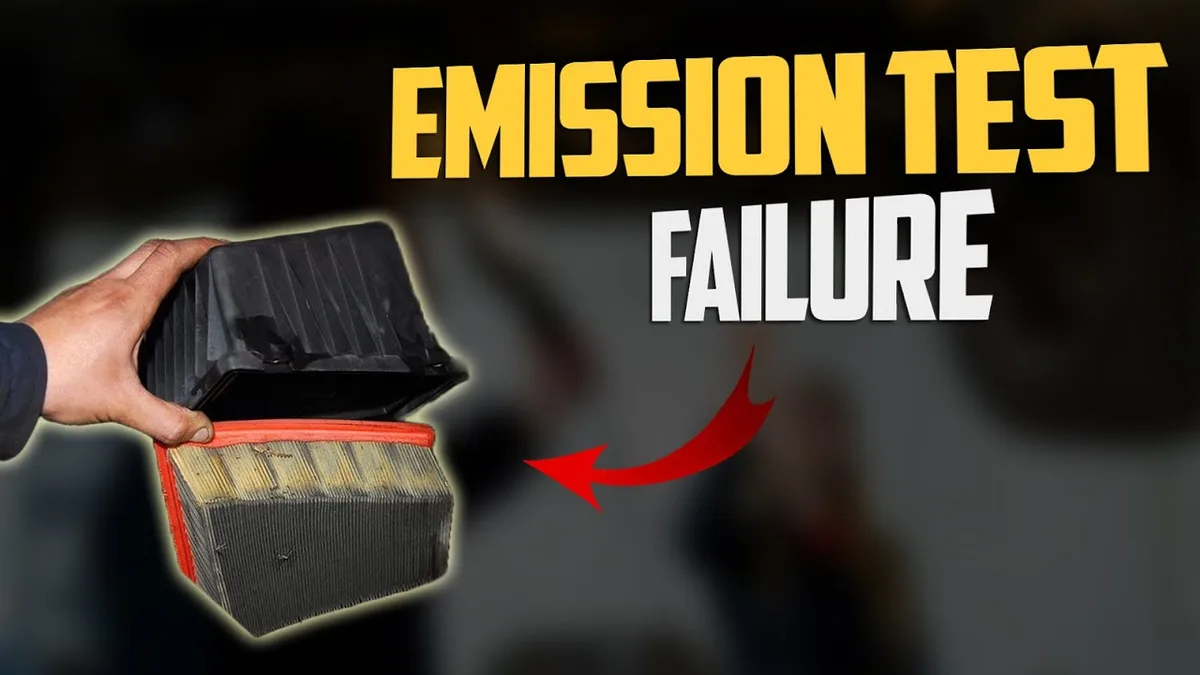
The failure report will list tailpipe numbers, failed components, and a diagnostic code.
Most common failure reasons:
- Oxygen sensor is faulty. This is the number one complaint.
- Loose or missing gas cap.
- Catalytic converter that isn't working efficiently.
- Faulty coolant sensor causing a permanent richer fuel mixture.
After you get the report:
- Take it to a local repair shop with suitable experience in emissions systems. Ensure they address the specific codes.
- Fix exactly what's mentioned. Replacing a catalytic converter costs around $1,200. An oxygen sensor runs $150 to $400.
- Drive for a "drive cycle", around 50 to 100 miles, to ensure your monitors reset and will show "ready" upon retest.
- Schedule a recheck. Most stations offer a free or discounted retest within 30 days.
- Save every receipt. If the repair is incomplete, you'll lose time and money.
Exemptions You Might Qualify For
Not every vehicle owner on Saipan needs to pass an emissions test. Certain categories receive automatic exemptions based on vehicle age, type, or function.
The most common exemptions involve electric vehicles, classic cars, and agricultural machinery.
Vehicles That Don't Need Testing
Electric cars, plug-in hybrids, and motorcycles under 250cc are exempt from standard emissions procedures. These vehicles produce zero tailpipe emissions or fall below the threshold that triggers inspection requirements.
Classic and vintage cars may qualify if they meet a specific age threshold. The CNMI generally follows the federal standard of vehicles 25 years or older being exempt from routine emissions testing. You'll need to provide documentation proving the model year.
Agricultural and off-road vehicles receive different treatment. Equipment used exclusively on farms or private property typically doesn't need road-legal certification. If you ever plan to drive that tractor on public roads, you'll need to bring it into compliance.
How to Claim an Exemption
You won't automatically receive an exemption just because you own an electric vehicle or a vintage truck. You must actively document your qualification.
- Gather proof of purchase or title showing the vehicle year.
- Obtain a statement from the manufacturer if you own an electric car.
- Visit the CNMI Bureau of Motor Vehicles with supporting paperwork.
- Request an exemption sticker or waiver for your registration file.
Warning
Claiming a false exemption can result in fines and registration suspension. Don't misrepresent your vehicle's status just to avoid testing.
Costs, Fees, and Where to Get It Done
Understanding the financial side of emissions testing helps you plan ahead and avoid surprise expenses.
Typical Testing Fees
| Vehicle Type | Estimated Fee | Additional Notes |
|---|---|---|
| Gasoline passenger car | $25 to $40 | OBD-II scan plus visual inspection |
| Diesel vehicle | $30 to $50 | Includes smoke opacity test |
| Light truck or SUV | $25 to $45 | Same as passenger vehicles |
| Heavy-duty diesel truck | $40 to $65 | More involved procedure |
| Motorcycle over 250cc | $20 to $30 | Sound and visual check only |
These prices cover the inspection itself. They don't include any repairs you might need if your vehicle fails.
Where to Get Tested
Licensed emissions testing stations operate primarily in the Saipan municipality. You'll find them near the main highway corridors and close to DMV service centers.
The CNMI Department of Environmental Quality maintains a current list of authorized facilities. Check their official site before heading out. Some stations accept walk-ins, while others require appointments.
If you live on Tinian or Rota, you likely won't find a licensed testing station on your island. Residents of those islands who need testing must travel to Saipan.
Common Mistakes That Get People Fined
Making errors during the emissions testing process can lead to fines, registration delays, and unnecessary expenses.
Mistake #1: Showing Up with a Check Engine Light On
A illuminated check engine light is an automatic fail. The OBD-II system will flag the fault code immediately.
Fix the underlying issue first. Clear the codes and complete a full drive cycle before scheduling your test.
Mistake #2: Skipping the Gas Cap Check
A loose, damaged, or missing gas cap is one of the most common reasons vehicles fail emissions testing.
Before you head to the station, tighten your gas cap until it clicks three times. Inspect the rubber seal for cracks or wear.
Mistake #3: Modifying the Exhaust System
Aftermarket mufflers, removed catalytic converters, and chip tuning that disables emissions controls all lead to immediate failure.
Even if your modified vehicle runs smoothly, it won't pass. Stick with stock or factory-approved replacement parts.
Mistake #4: Missing the Retest Deadline
If you fail your emissions test, you typically have 30 days to complete repairs and return for a retest. Missing that window means starting over from scratch.
Keep the failure report in an obvious place. Set a reminder on your phone to return before the deadline.
Mistake #5: Bringing Incomplete Documentation
Showing up without your registration, insurance proof, or identification slows down the process and can result in a missed appointment.
Prepare your documents the night before. Keep them in a folder you bring specifically for this purpose.
How to Keep Your Vehicle Compliant Long-Term
Passing the emissions test is only the beginning. Maintaining compliance over time requires routine attention and good driving habits.
Regular Maintenance Matters
The best way to avoid emissions failures is to keep your vehicle in good condition.
- Change your engine oil and filters on schedule.
- Replace air filters when they appear dirty.
- Use the recommended fuel grade for your engine.
- Address warning lights promptly.
- Keep your tires properly inflated for better fuel economy.
Drive Cycles Reset Monitors
After any repair that clears diagnostic codes, your vehicle needs to complete a drive cycle. This process allows the onboard computer to run self-tests on each emissions control system.
A typical drive cycle includes:
- Cold start with the engine off overnight.
- City driving at moderate speeds for 10 to 15 minutes.
- Highway driving at steady speeds for 5 to 10 minutes.
- Idle period before shutoff.
Annual Pre-Test Checkup
Consider having a trusted mechanic inspect your vehicle before your scheduled emissions test. They can spot potential problems early and recommend fixes that will keep you passing.
Official Resources and Where to Check for Updates
Staying informed about current regulations helps you avoid surprises and keep your vehicle properly registered.
Key Government Agencies
The CNMI Department of Environmental Quality oversees emissions testing standards and maintains the list of authorized testing stations. Their website publishes policy updates, fee schedules, and exemption guidelines.
The Bureau of Motor Vehicles handles registration and compliance documentation. They process the certificates you receive after passing your test.
For federal context, the U.S. Environmental Protection Agency provides the baseline standards that territories like the CNMI adapt for local enforcement. Federal Clean Air Act territory requirements outline the regulatory framework that guides local policy decisions.
How to Stay Updated
Check the CNMI government portal regularly for policy announcements. The Commonwealth Register publishes official notices about regulatory changes.
Signing up for local DMV newsletters or following their social media accounts can also keep you informed. These channels often post reminders about testing deadlines and fee changes.
If you're unsure about a specific requirement, call the DMV directly or visit their office in person.
Frequently Asked Questions
Do I need emissions testing if I live on Tinian?
No. Current enforcement focuses on Saipan. Tinian residents don't face mandatory emissions testing for private passenger vehicles as of 2026.
How long does an emissions test take?
Most inspections take between 15 and 25 minutes. Diesel vehicles may require slightly longer due to the additional smoke opacity testing procedure.
Can I fail emissions but still drive my car?
Yes. You can drive your vehicle while completing repairs. However, you won't be able to renew your registration until you pass the test and submit a valid certificate.
What happens if my car is older than 25 years?
Vehicles 25 years or older are generally exempt from emissions testing in the CNMI. You'll need to provide proof of the model year to claim this exemption.
Do electric vehicles need emissions testing?
No. Electric vehicles produce zero tailpipe emissions and are fully exempt from all emissions testing requirements in the Northern Mariana Islands.
What's the cheapest way to pass an emissions test?
Tighten your gas cap, replace a dirty air filter, and address any check engine lights before your appointment. Most failures come from simple, low-cost issues that drivers overlook.