ByMax Lee
Northern Mariana Islands Has No Statewide Emissions Testing
If you're registering a vehicle in the Northern Mariana Islands and wondering about emissions requirements, here's the key point: the Northern Mariana Islands no mandatory statewide emissions inspection program exists. Unlike many U.S. states and territories, CNMI doesn't require periodic smog checks for vehicle registration.
This means you won't need to hunt down a testing station or worry about passing an emissions test to keep your car legal. As of 2026, the territory follows federal baseline standards without adding its own inspection mandate. Here's what that actually means for you.
Quick Answer
The Northern Mariana Islands has no mandatory statewide emissions inspection program. Vehicle registration does not require a smog check. Federal emissions standards still apply to new vehicles.
Local rules may change, so always verify current requirements.
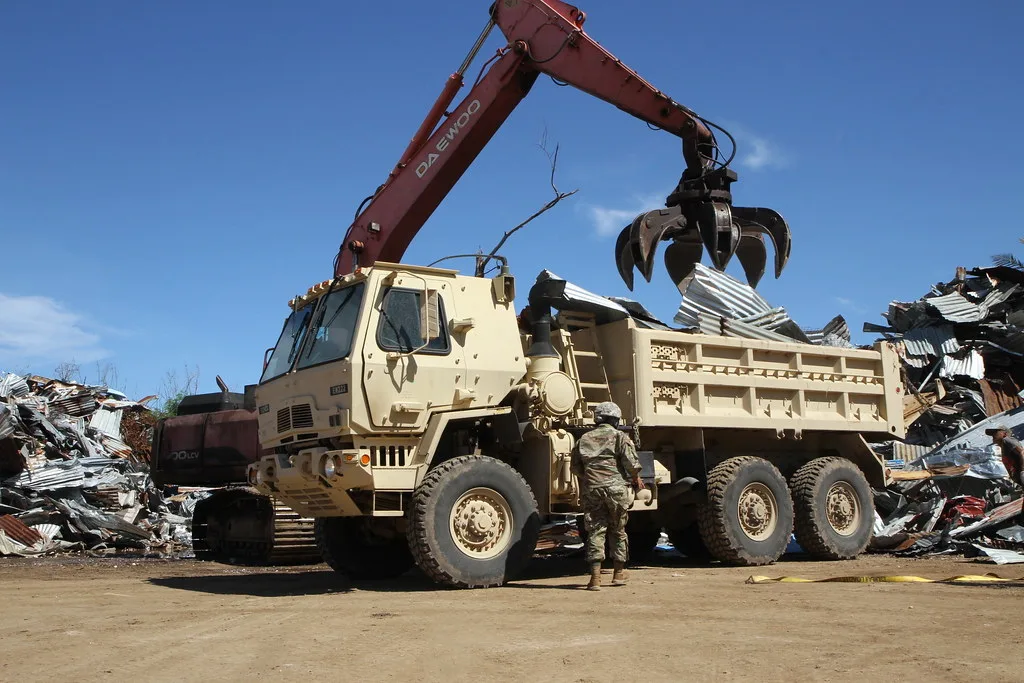
Openverse / U.S. Department of Defense Current Photos (PDM 1.0)
Why This Regulatory Detail Actually Matters
Skipping emissions testing saves you time and money. In territories with mandatory programs, owners often pay $30 to $50 per test and face registration holds for failed inspections.
Without this requirement, CNMI residents avoid those hassles. But it doesn't mean emissions are ignored entirely. New vehicles sold in CNMI must still meet EPA federal emissions standards, which manufacturers certify before sale.
What CNMI Law Says About Vehicle Emissions Testing
The Northern Mariana Islands Vehicle Code does not include a statewide emissions inspection mandate. Registration requirements focus on proof of ownership, insurance, and safety inspections where applicable.
The Department of Public Works Motor Vehicle Division handles registrations. They do not list emissions testing as a prerequisite. This aligns with CNMI's approach of adopting federal minimums without adding local layers.
Your Legal Obligations When Registering a Vehicle in CNMI
You must provide standard documentation: title, proof of insurance, and completed application. Emissions test results are not on that list.
If your vehicle was previously registered in a state with mandatory testing, CNMI does not require you to submit those records. The process is simpler than in places like Maryland's emissions testing rules for newer vehicles, where compliance is strictly enforced.
YouTube / County Portal (YouTube thumbnail (fair-use with source credit))
How to Verify Your Emissions Compliance Status
Check the CNMI Department of Public Works website or visit their office. They can confirm current requirements. Since there's no local test, compliance means your vehicle meets federal standards.
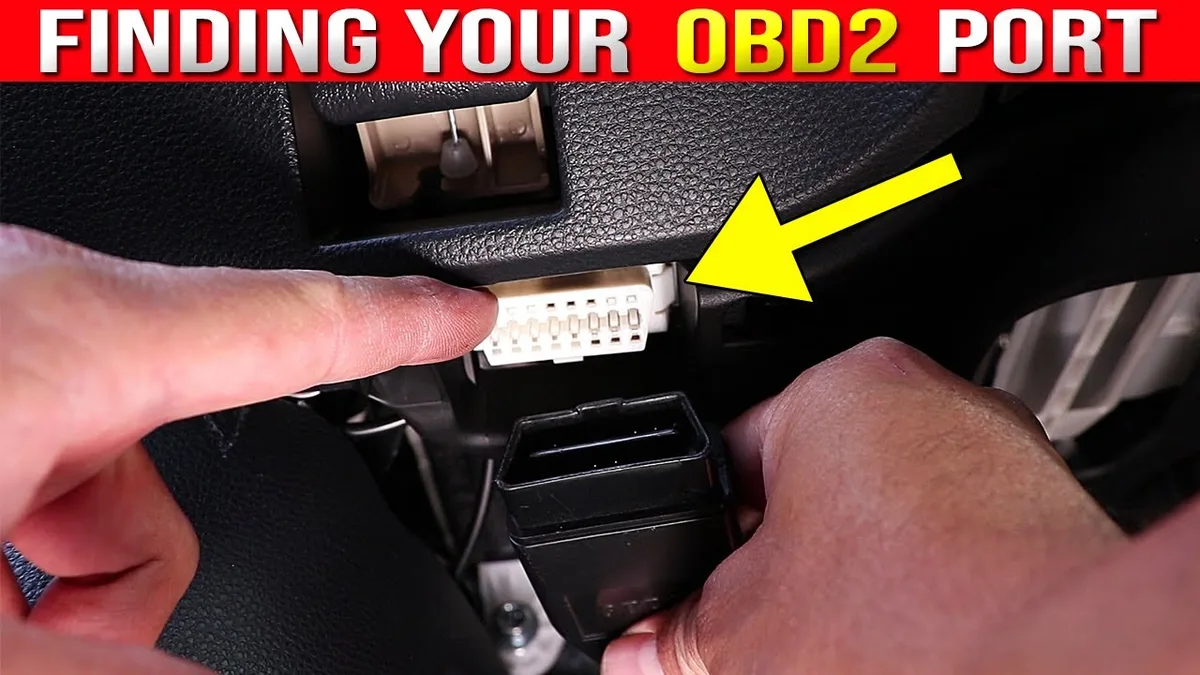
For newer models, this is typically handled at the manufacturer level. Older vehicles may not need any additional documentation. If you're unsure, the OBD-II port under your dashboard is where testing would occur in other jurisdictions.
YouTube / YOUCANIC (YouTube thumbnail (fair-use with source credit))
Common Mistakes People Make About CNMI Inspection Rules
Many vehicle owners assume they need to provide out-of-state emissions paperwork. That is not required in CNMI. You can register a car with a smog check history from California or Hawaii without submitting those results.
Others confuse safety inspections with emissions testing. CNMI may require periodic safety checks in the future, but those are separate from emissions programs. Do not assume a safety inspection includes a smog test.
Some residents wait until the last minute to check for regulatory changes. Laws can shift without much public notice. Always verify current requirements before attempting registration.
The Real Registration Process Without a Statewide Test
The registration process stays straightforward without emissions testing involved. You will need the vehicle title, proof of insurance, and a completed application form.
| Document Type | Required? | Notes |
|---|---|---|
| Vehicle Title | Yes | Must show current ownership |
| Proof of Insurance | Yes | Minimum coverage per local law |
| Application Form | Yes | Available at DMV offices |
| Emissions Certificate | No | Not required in CNMI |
| Safety Inspection | Varies | Check current rules |
Visit the Motor Vehicle Division office on Saipan or Tinian to submit your paperwork. Processing typically takes one to two business days. You will receive temporary tags while permanent plates are mailed.
How CNMI's Approach Compares to Guam and Hawaii
YouTube / Stefan Marquardt (YouTube thumbnail (fair-use with source credit))
Different jurisdictions in the region handle emissions testing differently. Understanding these differences helps you plan when moving between islands.
| Location | Emissions Testing Required? | Testing Frequency | Cost Range |
|---|---|---|---|
| Northern Mariana Islands | No | N/A | $0 |
| Guam | Yes | Annual | $15 to $30 |
| Hawaii | Yes | Biennial | $20 to $50 |
| California | Yes | Annual or biennial | $30 to $60 |
Guam runs a smaller program but still requires annual testing for most vehicles. Hawaii tests every two years for vehicles older than a certain model year. These programs exist to meet federal air quality mandates.
CNMI takes a different path. The territory focuses on federal baseline compliance through new vehicle standards. It does not add local testing requirements.
FAQs: Emissions Rules for CNMI Vehicle Owners
Do I need an emissions test to register my car in CNMI?
No. The Northern Mariana Islands does not require emissions testing for vehicle registration. You only need standard documentation like the title and insurance proof.
What happens if my car fails an emissions test in another state?
If you move to CNMI with a vehicle that failed testing elsewhere, you can still register it. CNMI does not require those test results. The failing state may have its own rules about retitlement, but CNMI does not enforce them.
Are there any plans to add an emissions program in the future?
No public legislation currently proposes adding a statewide emissions inspection program. However, regulatory landscapes can shift. The EPA or local government could introduce new requirements.
Stay informed through official channels.
Does my vehicle need to meet any emissions standards?
Yes. All vehicles sold new in CNMI must meet EPA federal emissions standards. These standards apply at the manufacturer level.
Older vehicles already on the road do not need retroactive testing.
Your Compliance Checklist: Staying on the Right Side of the Law
Keep these steps in mind to avoid registration headaches.
- Confirm your insurance meets CNMI minimum requirements
- Gather your vehicle title and bill of sale
- Complete the registration application form
- Bring proof of identity (driver's license or passport)
- Visit the DMV office during business hours
- Pay the registration fees
- Keep your receipt and temporary tags
YouTube / MAMA MOTO VLOG (YouTube thumbnail (fair-use with source credit))
Keep these steps in mind to avoid registration headaches.
- Confirm your insurance meets CNMI minimum requirements
- Gather your vehicle title and bill of sale
- Complete the registration application form
- Bring proof of identity (driver's license or passport)
- Visit the DMV office during business hours
- Pay the registration fees
- Keep your receipt and temporary tags
YouTube / MAMA MOTO VLOG (YouTube thumbnail (fair-use with source credit))
Authoritative Sources for CNMI Vehicle Regulations
For the most current information, check these official resources.
The CNMI Department of Public Works Motor Vehicle Division handles all vehicle registrations. Their website or office can provide the latest forms and requirements.
Federal emissions standards are set by the Environmental Protection Agency. These apply to all vehicles sold in the United States and its territories, including CNMI.

YouTube / First Responder Network Authority (YouTube thumbnail (fair-use with source credit))
Some residents also look to neighboring territories for comparison. Guam's emissions program operates under similar frameworks to other U.S. territories, while Hawaii maintains its own biennial testing schedule. These programs help illustrate the regional landscape without applying to CNMI directly.
The key takeaway is simple. CNMI does not require emissions inspections. Focus on completing your registration paperwork correctly.
If rules change, official sources will announce it clearly.