ByMax Lee
Northern Mariana Islands License Plate Colors & Designs
Northern Mariana Islands vehicle registration plate colors and special designations help drivers and law enforcement quickly identify vehicle status. The Commonwealth of the Northern Mariana Islands (CNMI) uses distinct color schemes, symbols, and text to differentiate between standard, government, military, and temporary plates.
Standard plates typically feature a white background with blue or black text, while specialty plates use unique colors and markings. As of 2026, the CNMI Division of Motor Vehicles (DMV) issues these plates under territorial regulations.
Quick Answer
Northern Mariana Islands vehicle registration plate colors and special designations vary by type. Standard plates are white with dark text. Government plates often use green or red backgrounds.
Military plates may include branch-specific insignia. Temporary plates are usually paper or distinctively colored.
Why Plate Colors and Designs Matter Visually
Web (Bing) / ebay.com (Web image (fair-use with source credit))
License plates serve as visual identifiers for vehicles. Their colors and designs communicate registration status, origin, and special designations at a glance.
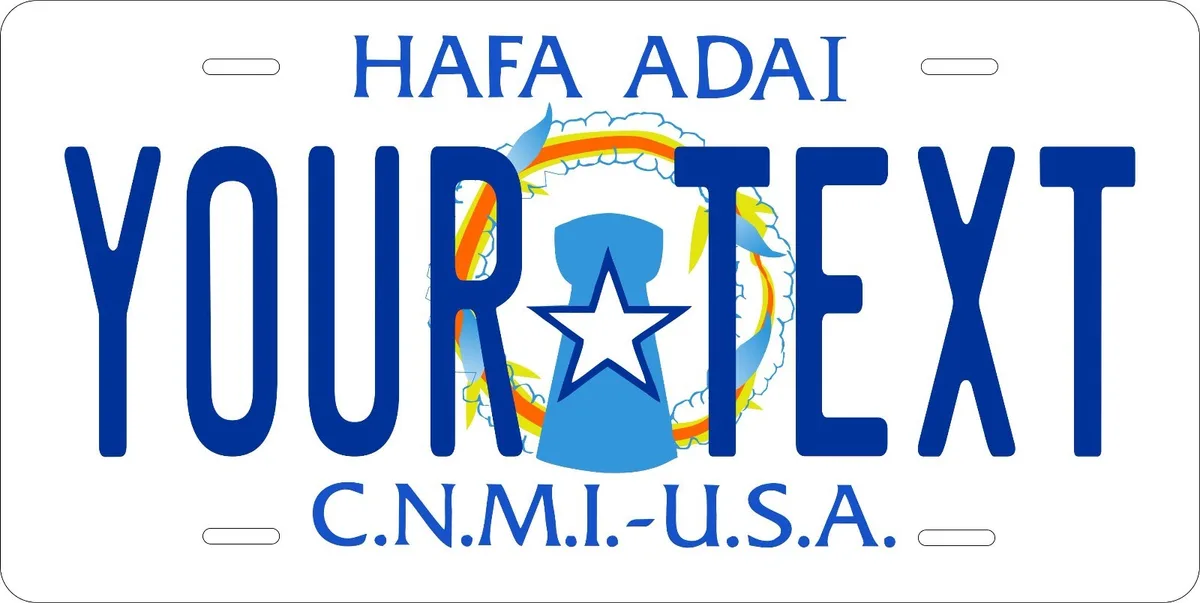
In CNMI, the color scheme, symbols, and text help law enforcement and other drivers recognize a vehicle’s type without stopping it. Standard passenger plates use a white background with dark text, while government or military plates use distinct colors and insignia.
Standard Passenger Plates: The Most Common Types
YouTube / RICOMTECK-Vehicle & Pedestrian Access Control (YouTube thumbnail (fair-use with source credit))
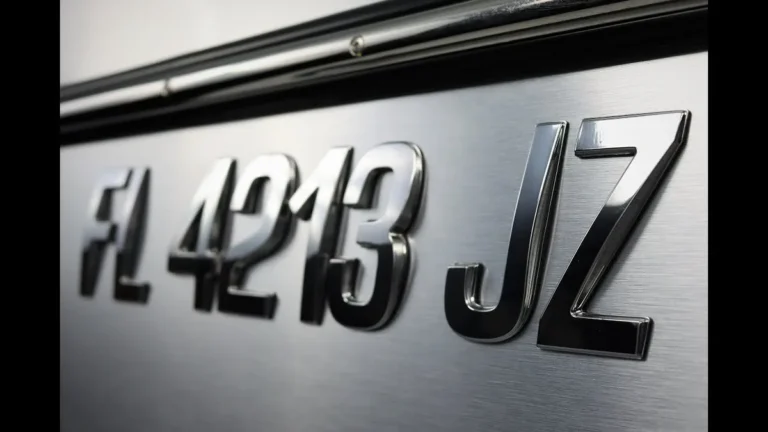
Standard passenger plates are the most common in CNMI. They feature a white background with blue or black alphanumeric characters. The plate usually includes the CNMI flag or territorial seal.
These plates follow a consistent alphanumeric format, such as ABC-123 or 123-ABC. They are issued to private vehicle owners upon registration and renewal. The reflective coating ensures nighttime visibility, meeting U.S. federal standards.
Special Designations: Government, Military, and Diplomatic Plates
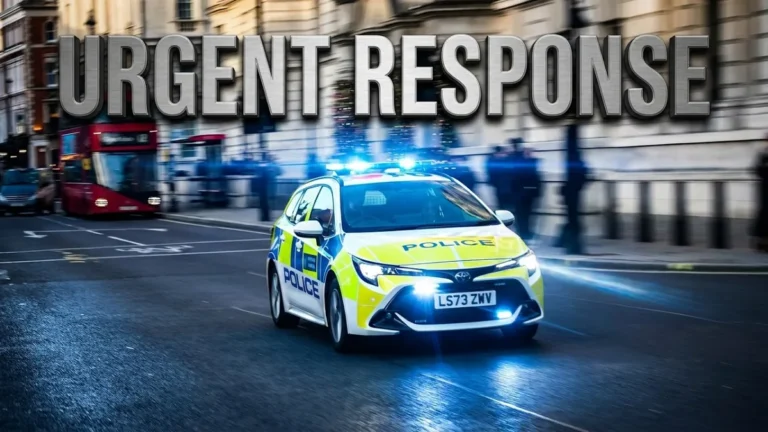
YouTube / CityNews (YouTube thumbnail (fair-use with source credit))
CNMI issues specialty plates to government, military, and diplomatic vehicles. Each type has unique visual cues.
Government plates typically feature a green or red background with white or yellow text. They may include the CNMI seal or the word "Government."
Military plates often include branch-specific insignia, such as Army, Navy, or Air Force emblems. Disabled veteran plates may have the International Symbol of Access (ISA).
Diplomatic plates use a blue or black background with white text. They include codes indicating the consular corps or diplomatic mission.
Temporary and Transit Plates
YouTube / Technical Alokji (YouTube thumbnail (fair-use with source credit))
Temporary plates are issued to newly purchased, imported, or unregistered vehicles. They are often made of paper or a distinct material with a unique color scheme.
In CNMI, temporary plates may have a bright or contrasting color, such as yellow or orange, with black text. They include an expiration date to indicate validity. These plates allow legal operation while completing permanent registration.
Transit plates are similar, used for vehicles in transit between locations. Both types are visually distinct to signal their temporary status.
How to Identify Plate Types at a Glance
YouTube / Misters&Masters (YouTube thumbnail (fair-use with source credit))
Recognizing CNMI plate types quickly relies on a few key visual cues.
| Plate Type | Background Color | Text Color | Key Symbols/Markings |
|---|---|---|---|
| Standard Passenger | White | Blue/Black | CNMI flag or seal |
| Government | Green/Red | White/Yellow | "Government" or CNMI seal |
| Military | Varies | Varies | Branch insignia, disabled veteran |
| Diplomatic | Blue/Black | White | Consular corps codes |
| Temporary | Yellow/Orange | Black | Expiration date |
Standard plates are white with dark text. Government plates use green or red backgrounds. Military plates include branch insignia.
Diplomatic plates have blue or black backgrounds with white text. Temporary plates are yellow or orange with an expiration date.
Common Mistakes When Reading CNMI Plates
YouTube / DIY with TED (YouTube thumbnail (fair-use with source credit))
A frequent error is confusing CNMI plates with Guam plates. Both are U.S. territories in the Pacific, and their plates share similar design elements. A quick glance might lead to misidentification.
Another mistake is misidentifying temporary plates as expired. Temporary plates often have bright colors and visible expiration dates. Overlooking the date can make you think the plate is invalid when it is still active.
People also overlook subtle design updates. The DMV occasionally changes plate designs to include new security features or updated graphics. If you are not familiar with the latest versions, you might mistake a newer design for something unusual.
Finally, many assume all white plates are standard passenger plates. Government and military vehicles sometimes use white backgrounds with distinct text colors or markings. Always check for additional symbols or wording.
Plate Reference Guide: Colors, Text, and Symbols
Here is a breakdown of the most common CNMI plate types and their visual characteristics.
| Plate Type | Background | Text Color | Key Visual Markers |
|---|---|---|---|
| Standard Passenger | White | Blue or black | CNMI flag, territorial seal, slogan |
| Government | Green or red | White or yellow | "Government" text, agency markings |
| Military | Varies | Varies | Branch insignia, service member designation |
| Disabled Veteran | White | Green accent | ISA symbol, "Disabled Veteran" text |
| Diplomatic | Blue or black | White | Consular code, country designation |
| Temporary | Yellow or orange | Black | Expiration date, "Temporary" or "Transit" text |
When you see a plate, look for these visual markers first. The background color gives you the broad category. The text color and any additional symbols narrow it down further.
Where to Register and Renew in CNMI
The CNMI Division of Motor Vehicles (DMV) handles all registration tasks. The main office is on Saipan, with satellite services available on Tinian and Rota.
Here is what you need to bring:
- Proof of vehicle ownership
- Valid identification
- Proof of insurance
- Payment for registration fees
Fees vary by plate type and vehicle classification. Standard passenger plates cost less than specialty or vanity plates. Check the DMV website for the current fee schedule.
If transferring a plate from another U.S. territory or state, you may need a VIN verification. This confirms the vehicle's identity and ensures it meets CNMI standards.
FAQ: CNMI Plate Colors and Designations
What do the colors on CNMI license plates mean?
Plate colors indicate vehicle type and registration status. White plates are standard passenger vehicles. Green or red backgrounds signal government vehicles.
Blue or black plates are often diplomatic. Yellow or orange plates are temporary.
Are CNMI plates the same as Guam plates?
No. CNMI plates feature the CNMI flag and territorial seal. Guam plates display the Guam symbol and slogan.
The color schemes and text layouts also differ.
How long are temporary plates valid in CNMI?
Temporary plates are typically valid for 60 to 90 days. The exact duration is printed on the plate. Use this time to complete permanent registration.
Can I get a vanity plate in the Northern Mariana Islands?
Yes. CNMI offers vanity plates with custom text combinations. There is an additional fee.
Submit your request at the DMV office or through their online portal.
What should I do if my plate is faded or unreadable?
Contact the CNMI DMV to request a replacement. Faded plates can lead to fines or complications during traffic stops.
For official information, visit the CNMI Department of Public Safety.