ByMax Lee
Northern Mariana Islands Radar Detector Laws
You're planning a drive through Saipan or Tinian and wonder if you can use a radar detector to avoid speed traps. The answer depends entirely on whether you're driving a personal car or a commercial truck, and mixing up the two could land you in serious trouble.
Northern Mariana Islands radar detector legality in passenger and commercial vehicles follows a split framework. Passenger vehicles may use detectors without local penalty, but federal law prohibits them in any commercial vehicle with a gross vehicle weight rating over 10,000 pounds. This distinction is where most travelers get tripped up.
YouTube / Gifted Stars 🌟 (YouTube thumbnail (fair-use with source credit))
Quick Answer
Northern Mariana Islands radar detector legality in passenger and commercial vehicles is straightforward. You may use a radar detector in a standard passenger car. You cannot legally use one in any commercial vehicle over 10,000 pounds GVWR.
This ban comes from federal regulation, not local law.
YouTube / Gadget Reviews (YouTube thumbnail (fair-use with source credit))
Why CNMI’s Radar Detector Laws Are Different
CNMI operates under a unique legal status. It is a US territory, not a state, so federal laws apply alongside local statutes.
The Northern Mariana Islands Civil Code incorporates many federal regulations by reference. When federal law bans an item, that ban applies in CNMI without needing local legislation. Radar detectors in commercial vehicles fall into this category.
Some drivers assume territory status means no federal rules apply. That's incorrect. The opposite is true for transportation safety regulations.
The Federal Ban on Commercial Vehicles (And Why It Applies in CNMI)
The prohibition comes from 49 CFR 392.71, a federal motor carrier safety regulation. It states that no commercial motor vehicle operator may use or operate with any radar detector while driving.

YouTube / schneiderjobs (YouTube thumbnail (fair-use with source credit))
This regulation defines commercial motor vehicles as those with a gross vehicle weight rating over 10,000 pounds. It includes trucks, buses, and large vans used for business purposes.
The Federal Motor Carrier Safety Administration enforces this rule. CNMI law enforcement treats it as binding. Commercial drivers found with detectors face federal fines and potential out-of-service orders.
CNMI-Specific Rules: What Local Law Says
CNMI does not have its own standalone statute banning radar detectors in passenger vehicles. The local traffic code does not explicitly address them.
YouTube / MIS Law & Ethics (YouTube thumbnail (fair-use with source credit))
This silence creates confusion. Some drivers think the lack of local prohibition means radar detectors are unrestricted. That's not how the legal framework works.
Where local law is silent, federal law fills the gap. The federal commercial vehicle ban stands regardless of local code language.
For passenger vehicle operators, no CNMI statute prohibits radar detector use. Drivers can mount and operate detectors without fear of local citation.
What Happens If You’re Caught Using One Illegally?
Penalties differ based on vehicle type. For commercial vehicles, the consequences come from federal enforcement.
YouTube / Health Is Wealth (YouTube thumbnail (fair-use with source credit))
A commercial driver found with a radar detector faces a federal fine. The current penalty can exceed $1,000 per violation. Law enforcement may also place the vehicle out of service until the device is removed.
Passenger vehicle violations are rarer. If an officer believes the detector interferes with safe operation, they could cite you under general equipment laws. This is uncommon but possible.
The real risk comes from confusion. Rental car users often don't realize their vehicle class matters. Tour operators may overlook their commercial status.
Military Bases and Rental Cars: Special Cases in CNMI
Military installations often have their own rules. Andersen Air Force Base and other facilities may prohibit radar detectors entirely. Check base regulations before entering.
Rental car policies vary by company. Some explicitly ban radar detectors in their terms. Others allow them but require proper installation.
Always review your rental agreement.
Tourists frequently overlook these details. A detector that’s legal in your home state might violate your rental contract. The financial penalty could exceed the cost of a speeding ticket.
How CNMI’s Laws Compare to US States and Other Territories
Radar detector legality varies across the United States. Some states ban them completely, while others allow unrestricted use. Learn how other states handle commercial vehicle restrictions.
CNMI's approach mirrors the federal baseline. Passenger vehicles face no restrictions. Commercial vehicles over 10,000 pounds follow federal prohibition.
Virginia and Washington stand out as states that ban detectors in all vehicles. These are the only two states with comprehensive passenger vehicle bans. Most other jurisdictions, including CNMI, allow them for private use.
US territories outside CNMI often follow similar patterns. Puerto Rico and Guam align with federal commercial rules. Different islands may have unique local variations, but the federal commercial ban remains consistent.
YouTube / Motor Matchups (YouTube thumbnail (fair-use with source credit))
Step-by-Step: How to Stay Legal with a Radar Detector in CNMI
First, confirm your vehicle classification. Check the gross vehicle weight rating on your registration or door jamb sticker. If it exceeds 10,000 pounds, you cannot legally use a radar detector.
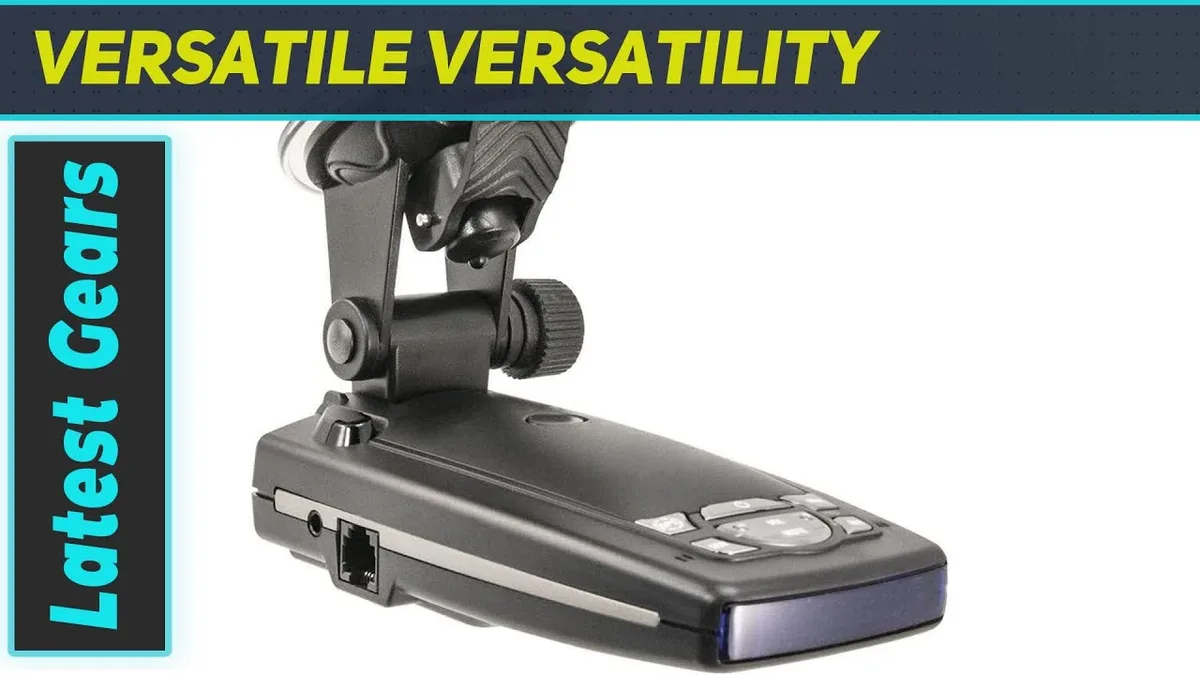
For passenger vehicles, mount the detector properly. Windshield mounts are common, but some models use dash or visor mounts. Ensure it doesn’t obstruct your view.
Remove the detector before crossing into restricted zones. This includes military bases and some federal facilities. When in doubt, take it down.
Common Mistakes Tourists and Locals Make
Many assume CNMI follows the same rules as Hawaii or Guam. Each territory has its own legal framework. What works in one place may not in another.
Drivers often forget to remove detectors when switching vehicles. A device legal in your rental car becomes illegal if you move it to a borrowed truck. This oversight can lead to unexpected citations.
Some believe "undetectable" models bypass all restrictions. Federal law doesn’t distinguish between detector types. The ban applies regardless of technology.
FAQs About Radar Detectors in the Northern Mariana Islands
Are radar detectors legal for tourists in CNMI?
Yes, tourists can use radar detectors in passenger vehicles. The same federal commercial vehicle ban applies to all drivers regardless of residency.
What’s the penalty for using a detector in a commercial vehicle?
Federal fines start at $1,000 and can go higher. The vehicle may be placed out of service until the device is removed.
Do CNMI police actively enforce radar detector laws?
Enforcement varies but tends to focus on commercial vehicles. Passenger vehicle violations are rare but possible during traffic stops.
Can I use a radar detector on a military base in CNMI?
Most military bases prohibit radar detectors. Check the specific base regulations before bringing one on site.
Are laser jammers treated the same as radar detectors?
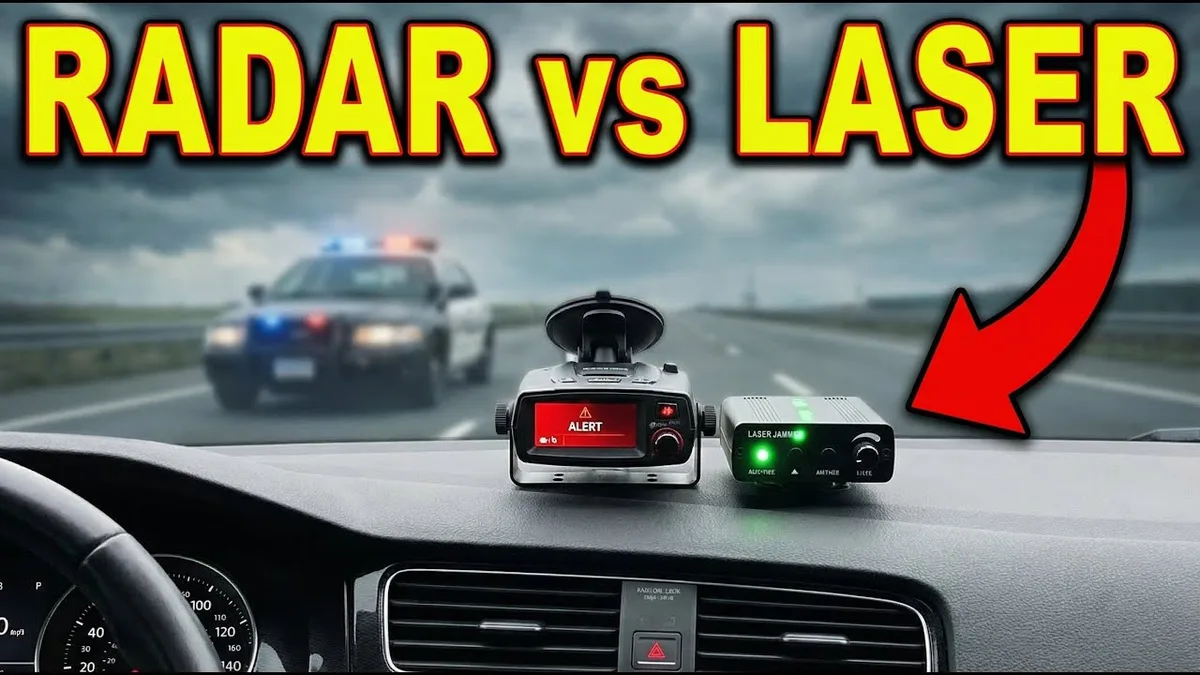
Federal law doesn’t specifically address laser jammers. However, many states and territories treat them similarly to radar detectors. In CNMI, the same commercial vehicle restrictions apply.
Final Verdict: Should You Use One in CNMI?
For passenger vehicles, the answer is yes. You can legally use a radar detector without local penalty. Just ensure proper mounting and removal when entering restricted areas.
For commercial vehicles, the answer is no. Federal law prohibits radar detectors in any vehicle over 10,000 pounds GVWR. The risk of fines and out-of-service orders isn’t worth it.
When in doubt, check your vehicle classification. The line between legal and illegal often comes down to weight rating. A quick verification can save you from costly mistakes.