ByMax Lee
New Mexico Emissions Testing Rules Explained
New Mexico local emissions testing requirements apply to certain counties and vehicle types, so knowing your situation matters before registration day. If you drive in Bernalillo, Santa Fe, Doña Ana, San Juan, or Taos counties, your vehicle likely needs periodic testing through the state’s Vehicle Inspection and Maintenance program.
The New Mexico Environment Department administers this program under federal Clean Air Act rules. As of 2026, most gasoline-powered vehicles model year 1996 or newer undergo a visual and OBD-II check. Diesel vehicles from 1997 onward follow similar procedures, while older vehicles may require a two-speed idle test.
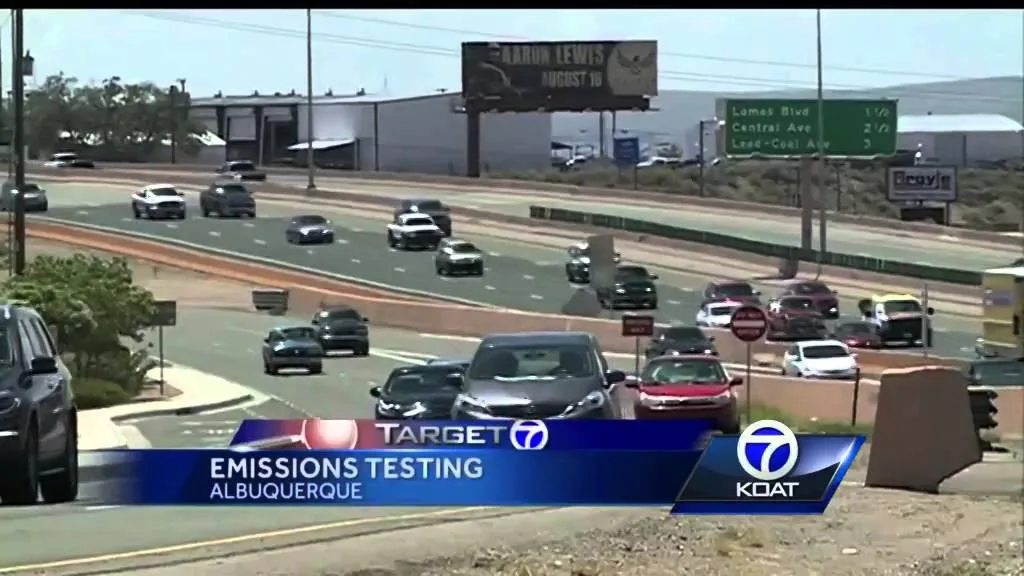
YouTube / KOAT (YouTube thumbnail (fair-use with source credit))
Quick Answer
Yes, New Mexico local emissions testing requirements apply in five counties. You must test every two years if you live in Bernalillo, Santa Fe, Doña Ana, San Juan, or Taos counties. Most 1996 and newer gasoline vehicles and 1997 and newer diesel vehicles must pass.
Electric and hybrid cars are exempt. Testing stations are approved by the state and located in each county.
How New Mexico’s Emissions Testing Works
New Mexico’s program reduces vehicle-related air pollution in high-population areas. The state uses visual inspections, on-board diagnostics, and tailpipe checks where applicable.
The core test for most cars is the OBD-II check. A technician connects a scanner to the vehicle’s diagnostic port and reads the computer’s self-diagnostic reports. The system flags any emissions-related faults, such as a malfunctioning catalytic converter or oxygen sensor.
For vehicles built before 1996, the program uses a two-speed idle test. The engine runs at idle and then at a higher RPM while sensors measure the exhaust output. This evaluates how well older engines burn fuel and control pollutants.
All testing stations must be certified by the New Mexico Environment Department. They follow state-approved procedures and report results directly to the Motor Vehicle Division. When your vehicle passes, you receive a compliance certificate for registration.
Which Counties Require Testing (and Which Don’t)
Not every New Mexico resident must test. The program targets specific urban and suburban counties where air quality concerns are greatest.
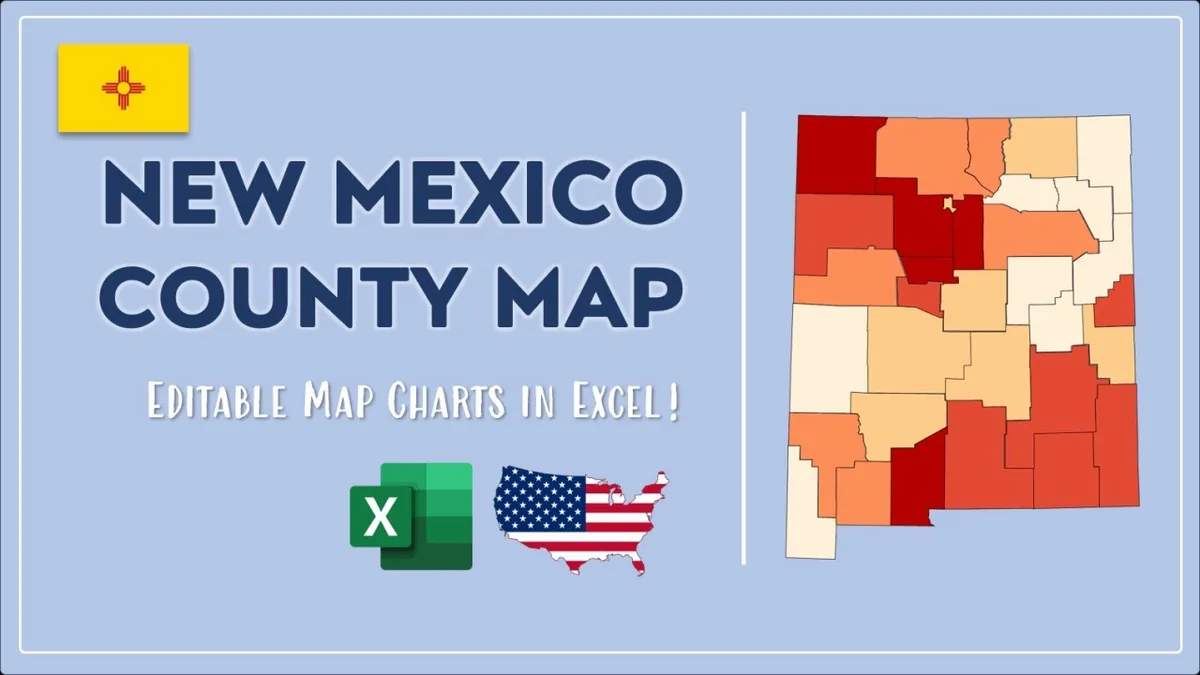
YouTube / Someka (YouTube thumbnail (fair-use with source credit))
Counties that require emissions testing:
- Bernalillo (Albuquerque metro area)
- Santa Fe
- Doña Ana (Las Cruces area)
- San Juan (Farmington area)
- Taos
If you register a vehicle in any of these counties, you’ll need to complete testing unless your vehicle qualifies for an exemption.
Counties exempt from testing:
All other counties in the state, including rural areas like Lincoln, Otero, Chaves, and Quay, do not participate in the emissions program. Residents there can renew registration without an emissions check.
This geographic approach reflects federal guidance targeting non-attainment areas, regions where air pollution levels exceed national standards.
Vehicle Types That Must Test vs. Exemptions
The program covers most gasoline and diesel vehicles, but several categories are excluded based on age, fuel type, or weight.
Vehicles that must test:
- Gasoline-powered vehicles from 1996 or newer
- Diesel-powered vehicles from 1997 or newer
- Vehicles with a Gross Vehicle Weight Rating (GVWR) under 10,000 pounds
Vehicles that are exempt:
- Electric vehicles
- Hybrid vehicles
- Vehicles model year 1995 and older
- Diesel vehicles model year 1996 and older
- Vehicles with a GVWR of 10,000 pounds or more
YouTube / 11Alive (YouTube thumbnail (fair-use with source credit))
Hybrid and electric vehicles skip testing because they produce little to no exhaust emissions. Older gasoline vehicles (1995 and earlier) undergo a standard vehicle inspection but not the emissions test.
Step-by-Step: How to Get Your Emissions Test in NM
Getting your vehicle tested is straightforward if you follow the right sequence.
Check if your vehicle needs testing. Use the New Mexico Environment Department’s online lookup tool or call a testing station. Enter your VIN or address to confirm your county and model year requirements.
Find an approved testing station. Locate a station through the state’s website or by searching for “emissions testing near me” along with your county name.
Schedule an appointment (optional but recommended). Some stations accept walk-ins, while others require booking.
Prepare your vehicle. Ensure the check-engine light is off. The engine should be at normal operating temperature, and the fuel level should be at least one-quarter tank.
Bring required documents. You’ll need your vehicle registration, a valid driver’s license, and proof of insurance.
YouTube / You Doer (YouTube thumbnail (fair-use with source credit))
Take the test. The technician will perform a visual inspection, connect the OBD-II scanner, and run the diagnostic. For pre-1996 vehicles, they’ll conduct the two-speed idle test.
Receive your results. If you pass, you’ll get a compliance certificate immediately. The station usually submits the result electronically to the MVD.
Complete your registration. Use the compliance certificate when renewing your registration at the MVD office or online.
The entire process typically takes 10 to 15 minutes for a standard OBD-II test.
What Happens If You Fail (and How to Fix It)
Failing an emissions test happens more often than you might think. The good news is that most failures come from simple, fixable issues.
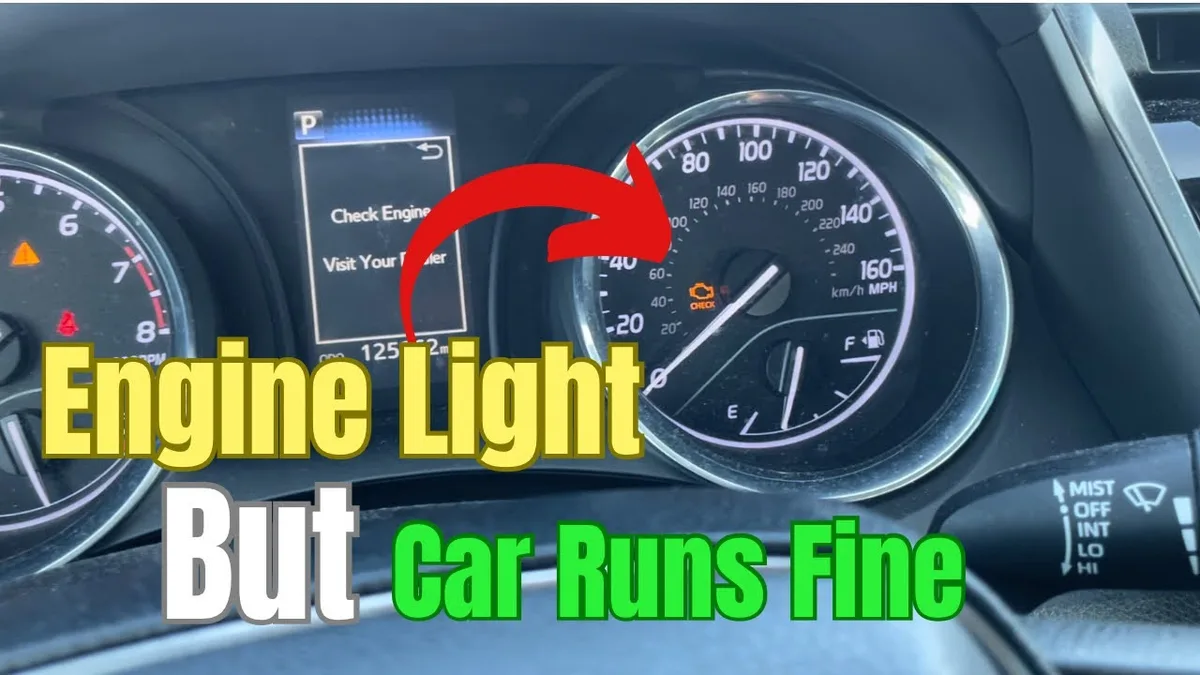
The most common reason for failure is a malfunctioning oxygen sensor or catalytic converter. These parts directly affect exhaust output and trigger the check-engine light. If that light is on, your vehicle will not pass.
YouTube / AutocareTips (YouTube thumbnail (fair-use with source credit))
What to do if you fail:
- Have a qualified mechanic diagnose the issue. Ask them to read the diagnostic trouble codes (DTCs) from your vehicle’s computer.
- Repair or replace the faulty component before retesting. Common fixes include oxygen sensors, fuel injectors, or evaporative emissions system repairs.
- Clear the check-engine light and let the system relearn. Your vehicle may need a drive cycle (about 50 miles of mixed city and highway driving) to set the monitors.
- Return to the testing station for a retest. Many stations offer discounted retests within a certain period after a failure.
In some cases, you may qualify for a waiver. New Mexico offers an emissions waiver program for vehicles that fail twice and meet specific repair-cost thresholds. You’ll need receipts from a licensed repair shop and proof that the tests were performed at approved stations.
Driving with a failed emission control system is illegal. Not only can you face fines, but you’ll also fail the annual vehicle safety inspection.
Costs, Fees, and Where to Get Tested
Emissions testing in New Mexico is not free, but the fees are reasonable and consistent across counties.
Typical testing fees (as of 2026):
- Bernalillo County: $20, $25
- Santa Fe County: $20, $25
- Doña Ana County: $20, $25
- San Juan County: $20, $25
- Taos County: $20, $25
These fees cover both the visual inspection and the OBD-II or idle test. Some stations may charge a small additional fee for printed paperwork, but the electronic submission to the MVD is included.
YouTube / WFSB 3 (YouTube thumbnail (fair-use with source credit))
Where to find a testing station:
You can locate an approved station through the New Mexico Environment Department’s website. The state maintains an online directory sorted by county and city. Major cities like Albuquerque, Santa Fe, Las Cruces, Farmington, and Taos have multiple stations.
Tips for saving time and money:
- Call ahead to confirm hours and whether appointments are needed.
- Ask if the station offers a discount for seniors, veterans, or repeat customers.
- Combine your emissions test with other vehicle services if the station also performs safety inspections or oil changes.
If your vehicle requires repairs, shop around for quotes. A local independent mechanic often charges less than a dealership for common fixes like oxygen sensor replacement.
Common Mistakes That Get People in Trouble
Even a straightforward test can go wrong if you overlook a few key details.
Mistake 1: Assuming your vehicle is exempt when it isn’t.
Many drivers believe older cars or trucks are exempt, but the cutoff is model year 1995 or earlier for gasoline vehicles. A 1996 model must test, even if it’s a pickup truck.
Mistake 2: Ignoring the check-engine light.
A lit malfunction indicator lamp (MIL) is an automatic fail. You’ll waste time and money if you show up without first diagnosing the issue.
Mistake 3: Skipping the drive cycle after a repair.
Clearing the codes with a scanner doesn’t reset the vehicle’s readiness monitors. The computer needs a proper drive cycle to confirm that all systems are functioning correctly.
Mistake 4: Waiting until the last minute.
Testing stations often have busy days near registration deadlines. Give yourself a buffer of at least two weeks before your registration expires.
Mistake 5: Assuming out-of-state vehicles are exempt.
If you move to a testing county, your vehicle must pass New Mexico’s emissions test within 60 days of establishing residency. Vehicles from other states don’t carry over their previous inspection status.
Mistake 6: Using non-approved parts.
Aftermarket modifications to the exhaust, air intake, or engine management system can cause your vehicle to fail. The program requires OEM-equivalent components that meet state standards.
Avoiding these mistakes keeps the process smooth and ensures you stay compliant with New Mexico’s air quality regulations.
Out-of-State Vehicles: What You Need to Know
Moving to New Mexico? You’ll need to get your vehicle tested if you’re settling in a participating county.
Here’s how the rules work:
- You have 60 days from establishing residency to pass the emissions test.
- Your vehicle must meet New Mexico’s standards, even if it passed inspection in another state.
- If your current state has a different testing schedule, you’ll still need to take the New Mexico test once you register.
What documents you’ll need:
- Current out-of-state registration
- Proof of New Mexico residency (utility bill, lease agreement, or driver’s license)
- A valid emissions compliance certificate from an approved New Mexico station
- Proof of auto insurance that meets state minimums
Special cases:
- Military personnel: Active-duty service members with out-of-state plates may qualify for an extension if they can prove their home state requires testing.
- Temporary residents: Students or short-term workers don’t need to test if their vehicle stays registered elsewhere and isn’t used primarily in New Mexico.
- Trailers and tow vehicles: Non-motorized trailers are exempt, but if you’re towing a motorhome, that vehicle must meet the standard rules.
For those interested in how other regions handle vehicle compliance, you can explore Puerto Rico Trailer Registration 5 Vs 10 Year Options or Montana Radar Detector Laws Passenger Vs Commercial.
If your vehicle is from a state with stricter emissions standards (like California), you might assume it’s easier to pass. But New Mexico has its own certification requirements, so don’t skip the local test.
Final Checklist: Are You Compliant?
Start with the basics. Confirm your county is on the testing list. Bernalillo, Santa Fe, Doña Ana, San Juan, and Taos require it.
Next, check your vehicle. Gasoline models from 1996 or newer and diesel from 1997 or newer must test. Electric and hybrid vehicles are exempt.
Make sure your check engine light is off. A lit light means an automatic fail. Fix the issue before testing.
Schedule your test at an approved station. Bring your registration, driver’s license, and proof of insurance. The fee is typically $20 to $25.
After passing, keep your compliance certificate. You’ll need it for registration renewal. If you fail, address the repairs and retest.
Start with the basics. Confirm your county is on the testing list. Bernalillo, Santa Fe, Doña Ana, San Juan, and Taos require it.
Next, check your vehicle. Gasoline models from 1996 or newer and diesel from 1997 or newer must test. Electric and hybrid vehicles are exempt.
Make sure your check engine light is off. A lit light means an automatic fail. Fix the issue before testing.
Schedule your test at an approved station. Bring your registration, driver’s license, and proof of insurance. The fee is typically $20 to $25.
After passing, keep your compliance certificate. You’ll need it for registration renewal. If you fail, address the repairs and retest.
Frequently Asked Questions
Do I need an emissions test to renew my registration?
Yes, if you live in a participating county. Your registration renewal will be blocked until you pass the test.
Can I test my vehicle in a different county?
No. You must test in the county where your vehicle is registered. Each county has its own approved stations.
What if my vehicle is too old to test?
Vehicles from 1995 or earlier are exempt from emissions testing. They only need a standard safety inspection if required by your county.
How do I find my nearest testing station?
Use the New Mexico Environment Department’s online station locator. It lists all approved facilities by county and city.
What if I lose my compliance certificate?
Most stations submit results electronically to the MVD. You can also request a duplicate certificate from the testing station.